
Analysts warn the iPhone 18 price hike could be worse than we thought
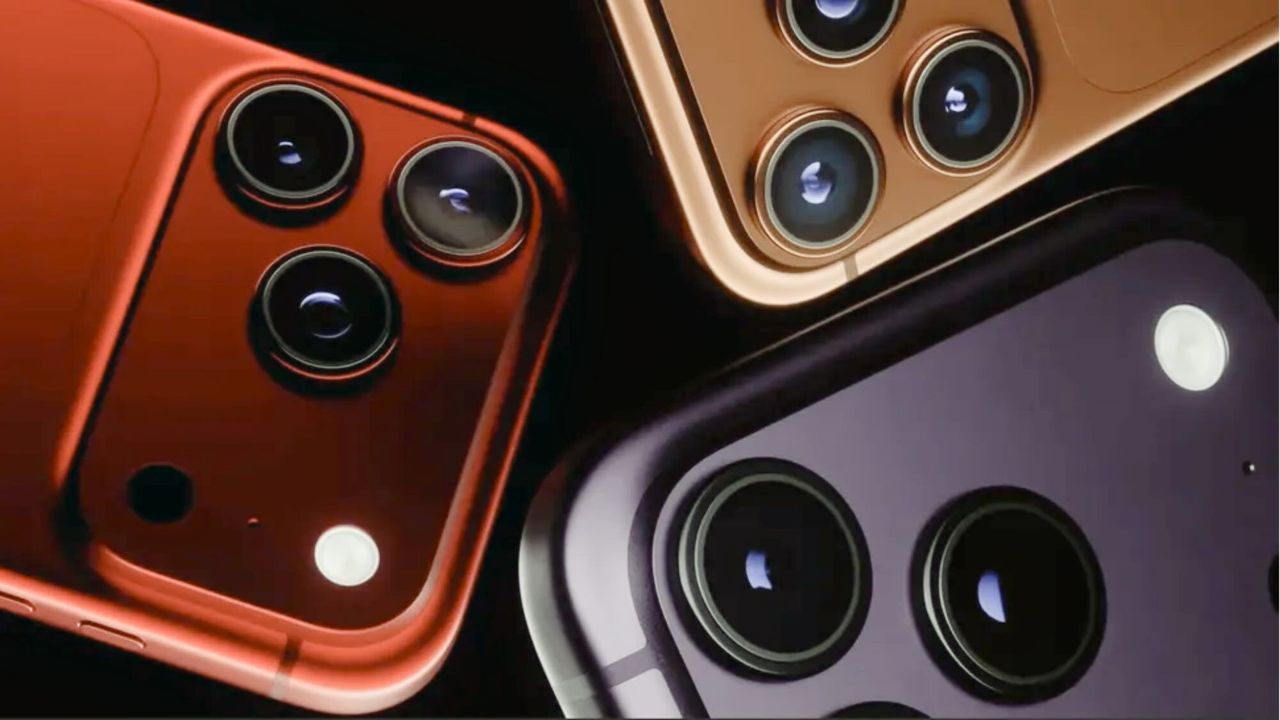
The list of tech companies that increased their prices just got a little longer, now that Apple has instigated hefty price hikes on most of its products. Apple CEO Tim Cook warned us this was coming, and now the company has confirmed that the rising cost of memory and storage means it's unable to shoulder the increased cost of components.
“The rapid expansion of AI data centers has created an extraordinary surge in demand for memory and storage," Apple said in a statement. "We have never seen a component price increase this much, this quickly.” Apple also added that it has “reached a point where we need to begin raising prices on a number of products."
Emphasis on the word "begin," because Apple already increased the price of almost its entire product lineup. That includes MacBooks, desktop Macs, iPads, Vision Pro and even the less-memory-hungry devices like Apple TV 4K and Homepod.
The only products that haven't suffered a price hike are iPhones, AirPods and the Apple Watch — and I honestly don't believe that those prices will stay at their current levels for very long.
iPhones were spared, but don't expect it to last long
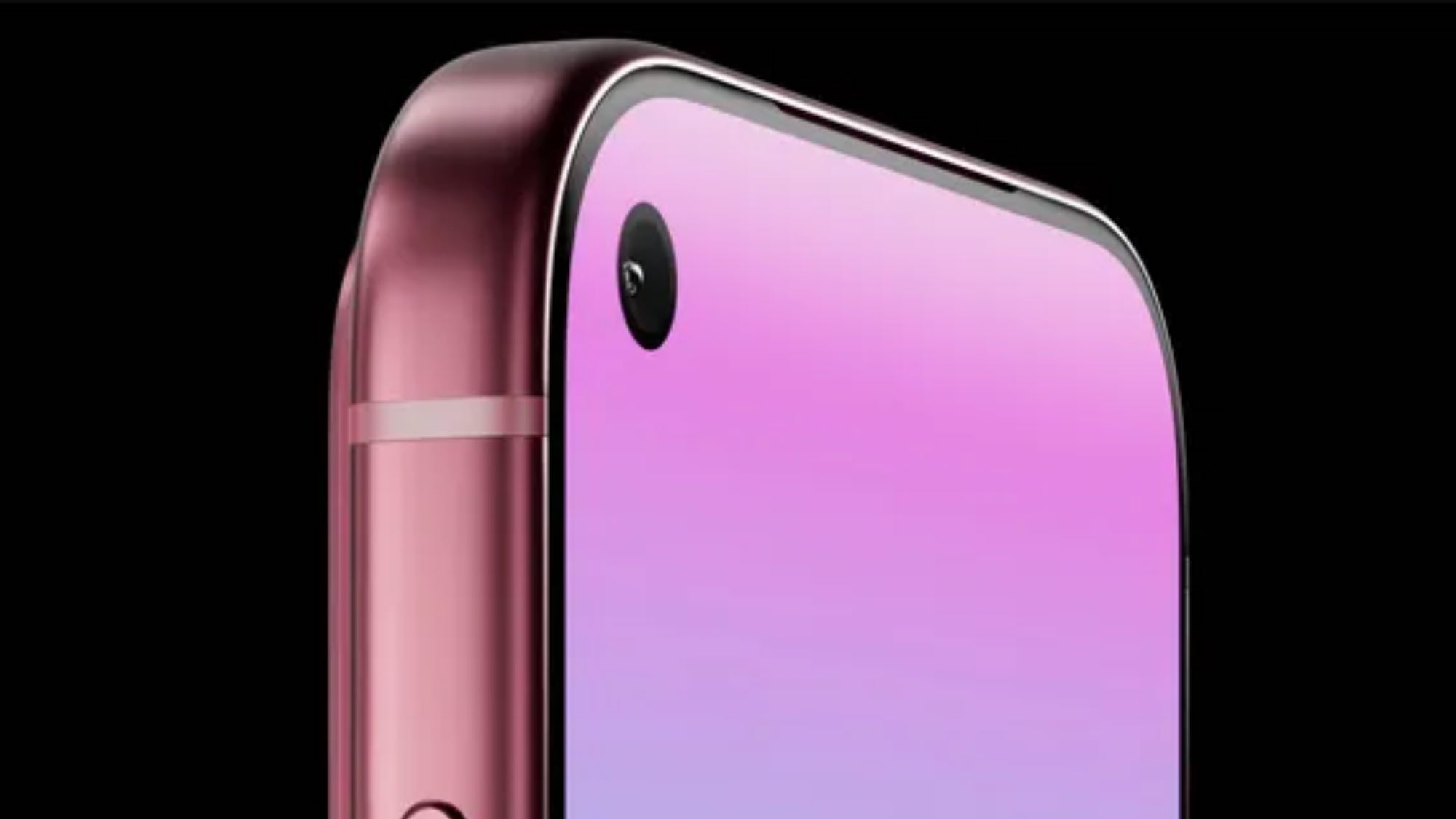
The question as to why Apple has insulated the iPhone from the first wave of price hikes is down to the device's popularity. As analyst Francisco Jeronimo, Vice President of Client Devices at IDC, noted in a statement sent to Tom's Guide, the iPhone is Apple's personal cash cow. Phones make up around 50% of Apple's business, so it makes sense that Apple will do whatever it can to protect iPhone sales volume.
It should be obvious to everyone that increasing the price of a product is not the route you go down if you want to make your devices more appealing to consumers.
However, those prices are unlikely to stay static for long. As Jeronimo notes, Apple is likely protecting the iPhone "while it works out how hard it can push prices on the September lineup." Or, in other words, Apple is trying to figure out how much of a price hike it will be able to get away with for the next generation.
Apple has shown that it isn't safe from RAMageddon, and is unable to absorb the increased cost of components to keep prices consistent. The iPhone also doesn't have any special protection that makes it immune to the increased cost of production, and it's just as susceptible as Apple's other products.
It's possible that Apple could use iPads, Macs and all the other affected products to subsidize the cost of more popular devices like iPhone and Apple Watch. Then again, considering how popular and important iPhones are to Apple, it's unlikely that these price hikes could bring in enough additional revenue to offset the increased cost of so many devices.
Nabila Popal, another IDC analyst, told Tom's Guide the firm has been expecting price increases on the different iPhone 18 models: $50 for the iPhone 18 and $100 for the iPhone 18 Pro and Pro Max. But after seeing the iPad and MacBook price hikes, they are more inclined to believe the price could rise as much as $200.
"My personal instinct says the hike to iPhones may be even higher than what we assumed – perhaps even $200 to the Pro Max models," Popal said. "I think the days of $50 price increases are over."
Will it matter that much?
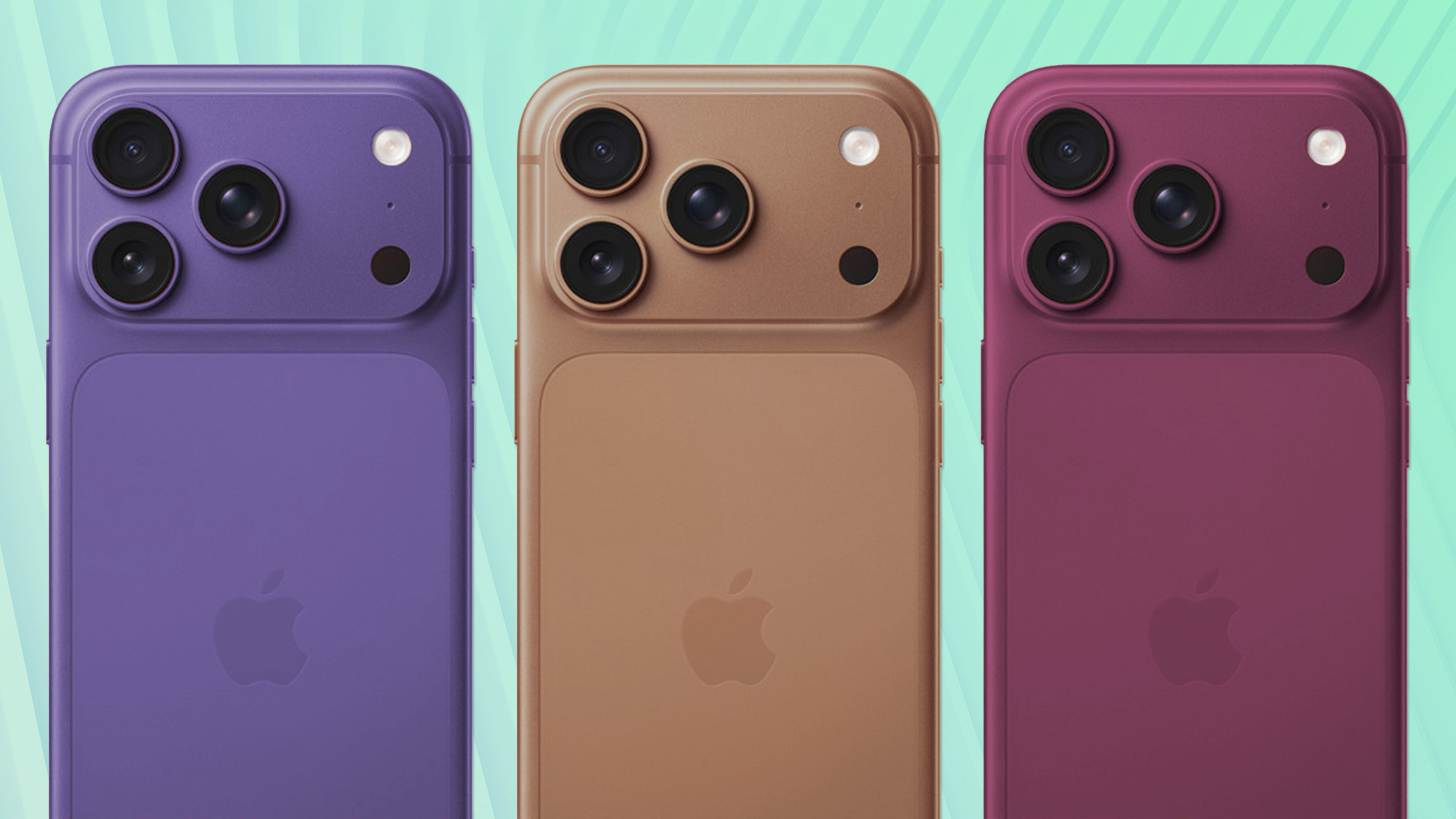
While an iPhone 18 price hike feels inevitable, despite reports of aggressive cost cutting to keep prices low, the real question is whether this is going to matter all that much.
As Francisco Jeronimo notes, iPhone users tend to be a pretty loyal bunch. An Android phone user can jump from one brand to another without much issue, because all those devices run on the same core software. iPhone users generally stick with what they know. Switching ecosystems is awkward, and means abandoning your entire service and app history to start afresh elsewhere.
Switching ecosystems is awkward, and that means abandoning your entire service and app history to start afresh elsewhere.
You also have to remember that iPhones come with an aura of prestige you don't get with a lot of Android phones. Expensive things feel premium and luxurious, and Jeronimo notes that this makes Apple's customer base less price-sensitive than Android-toting rivals. Especially since the majority of users buy iPhones on an installment plan, and offset the overall cost by trading in their old device.
Of course, increased prices mean that some customers are going to start upgrading less frequently — which will impact long-term iPhone sales. Then again, considering Apple's been proudly bragging that iPhone 17 has been the most popular iPhone it's sold, sales would have to drop by a considerable amount before it becomes an emergency.
Not to mention the fact that Apple is releasing its first foldable phone later this year, with the starting price expected to be somewhere in the region of $2,400. Considering this is the first iPhone of its kind, it gives Apple some extra freedom to dictate how much it will cost. There isn't a lot users can compare the high price tag to, after all, especially if it manages to successfully market the iPhone Ultra as a more premium device than other foldables on the market.
Bottom line
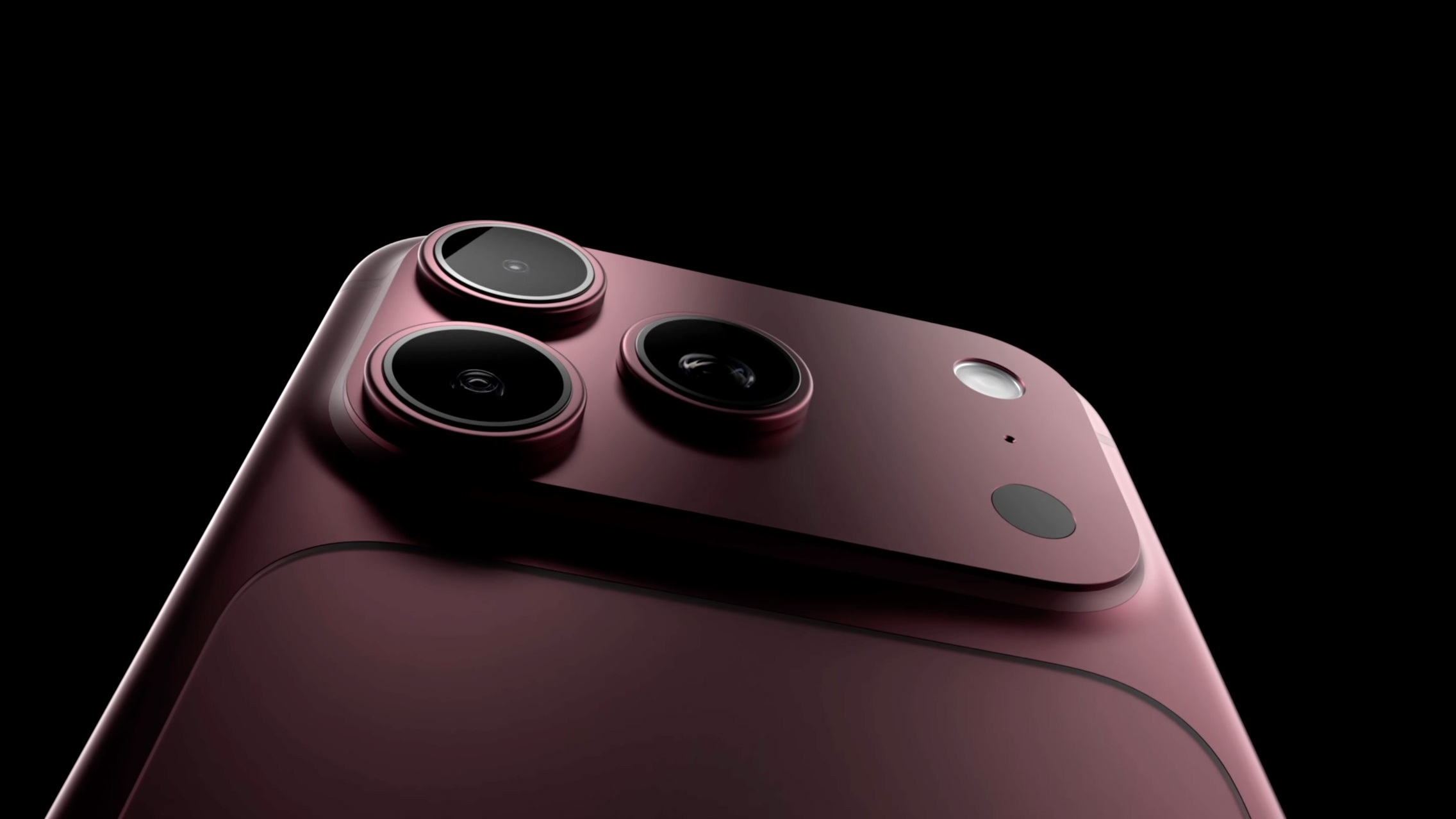
An iPhone price hike was always inevitable, ever since the AI boom kicked off RAMageddon and made the cost of RAM and storage blast off to unprecedented levels. While the company hasn't confirmed any concrete plans to raise prices, and likely won't until the very last second, this week's slew of increases on Apple products means the writing is on the wall.
The real question is how that will affect the sales of iPhone 18 Pro later this year, and iPhone 18 after it (apparently) arrives in early 2027. While Apple does command a lot of brand loyalty, and a few hundred dollars may not mean much for a multi-year installment plan, we're going to have to wait and see how things pan out — and how much prices will actually increase by.
But, if Apple thinks it can get away with raising the price of the popular $599 MacBook Neo by $100 so soon after release, it clearly has confidence that some price hikes aren't going to make much of a dent in its bottom line.
More from Tom's Guide
This is a preview from the original publisher. Continue reading at the source:
Read Full Article on tomsguide.com →