

These camera-less smart glasses are a great anti-Meta alternative, but the AI still wants to record your life

Pick any AI smart glasses out there, and I think the core functionality every pair is targeting is pretty much the same. I've tested the Rokid AI Glasses, I've used the Meta Ray-Bans, and I've tried plenty more, but they're all doing more or less the same thing: cameras for capturing photos and recording video, speakers for audio output, and some form of AI integration.
But after learning that Meta wants to turn its Ray-Bans into a 24/7 AI wiretap, I went looking for an alternative. Enter the MemoMind One: a pair of smart glasses that completely ditches the camera and proves it isn't a necessary function.
From XGIMI — yes, the company behind some of the best projectors out there — they do protect bystanders from being secretly filmed, but there are 'Moments' where for $20 a month, AI will record and transcribe your daily environment in the background.
Less creepy, to be fair, but still a little creepy (and $20 a month for the "privilege"). Though they did prove that a camera is not needed.
I love the idea behind these smart glasses
Sure, having a camera on smart glasses is incredibly useful, but it's also a privacy nightmare. Meta just rolled out a mandatory update for its own glasses that disables the camera entirely if the privacy LED is tampered with.
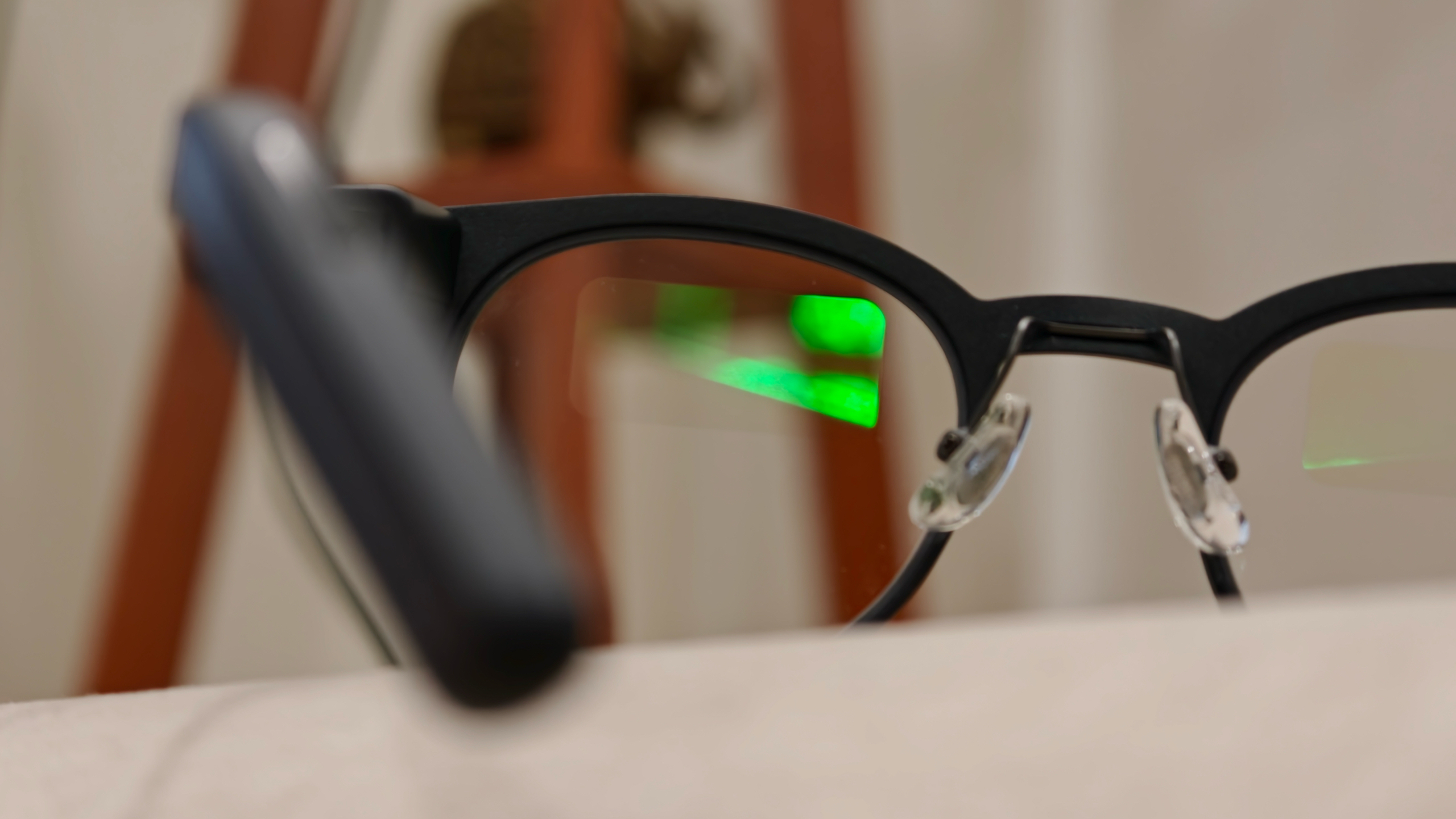
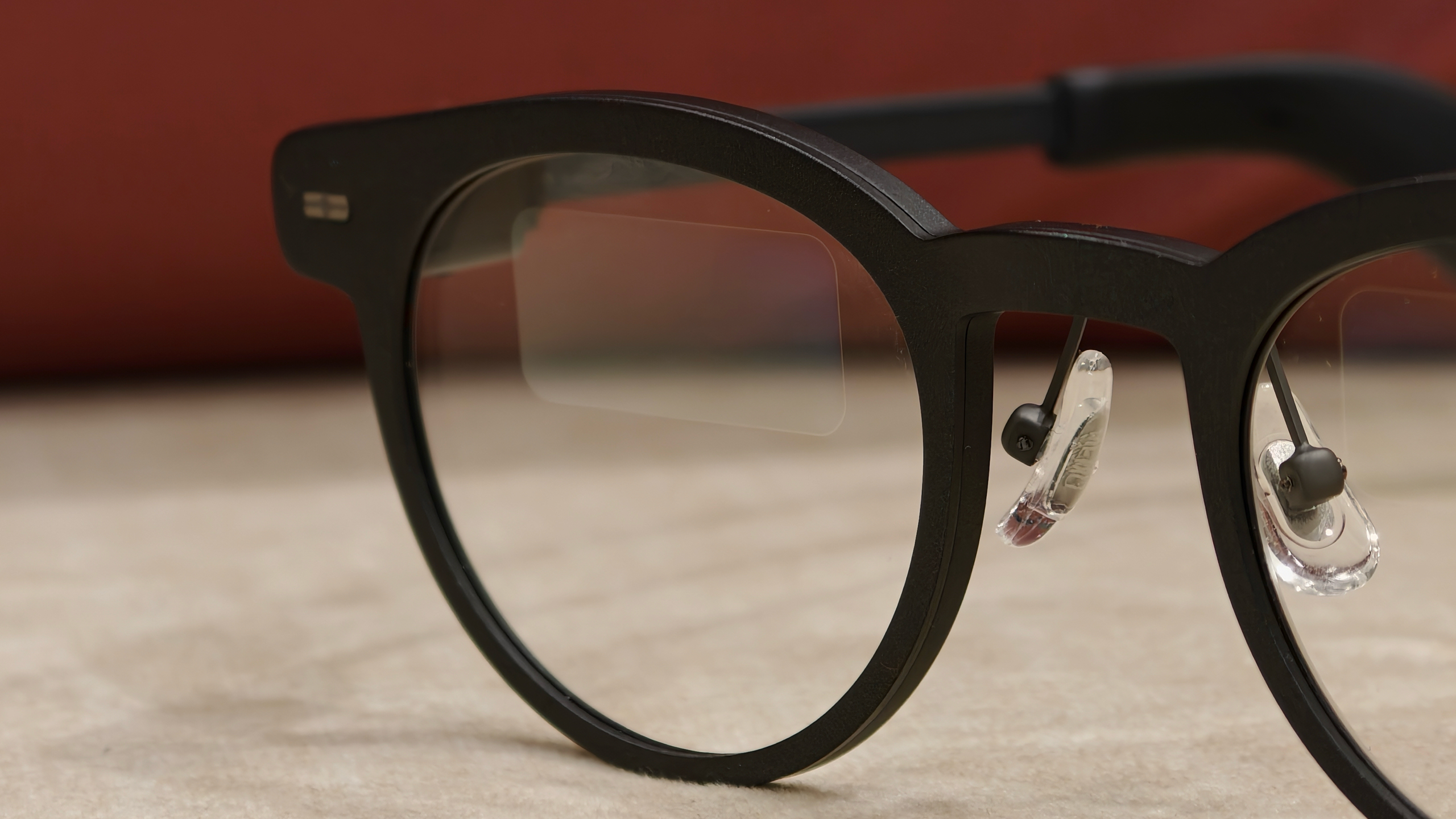
The XGIMI MemoMind One takes a different route by skipping the camera altogether. Instead, the company makes its glasses smart by leaning on its projector expertise, shipping them with a built-in projected display that overlays a heads-up display directly onto the real world in front of you.
That means whenever you're wearing the XGIMI MemoMind One, you see a small monochrome green virtual display floating in front of you, showing important information in a compact dashboard, including notifications, weather, time, and more.
The display only shows up for a few seconds at a time, though you can adjust that in the companion app. The beauty of having a projected display, though, is that anyone in front of you won't be able to see what's on screen, mostly. At certain angles, however, the glasses do show a faint green hue here and there.
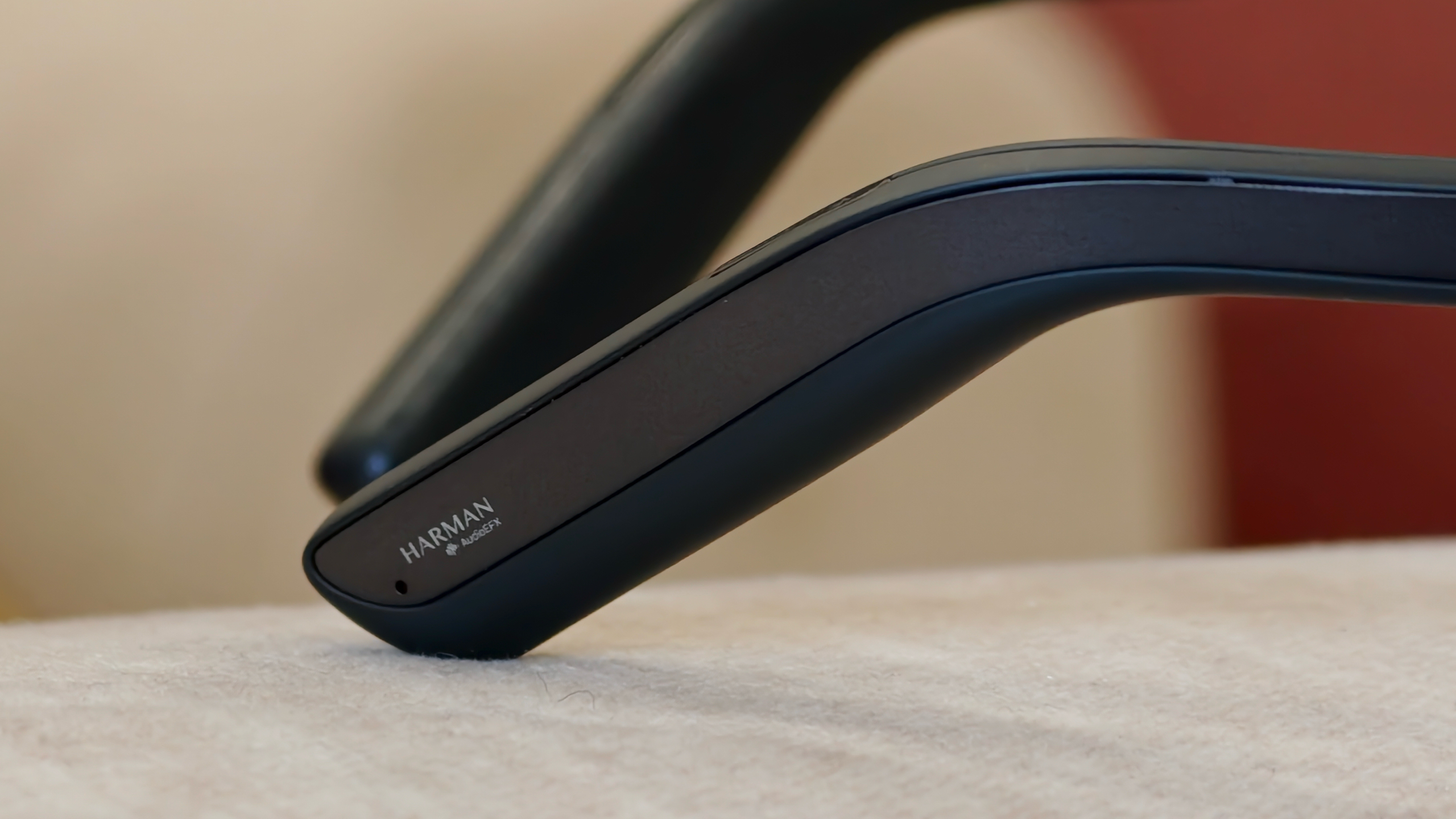
In terms of functionality, the XGIMI MemoMind One is fairly similar to the highly popular Even Realities G2, except it goes a step further by adding a feature the G2 was missing: audio output and built-in microphones.
That means it can play audio from any app you like, whether that's YouTube, TikTok, or Spotify. You can also use that same combination to take calls and meetings, make notes on the go, and of course, chat with the AI assistant on the device.
Over the Even Realities G2, I also appreciate that these glasses skip the touchpad entirely. Instead, they rely on a physical button under the right temple, which I'd take over a touchpad any day. And there's no additional smart ring you need to buy just to control them, either.
It's not perfect

So what's not to like about the MemoMind One? It pretty much sounds fantastic. Well, yes, but only on paper.
I'll give the XGIMI credit for not making me look as goofy as most other smart glasses do. And while the headlining feature of a virtual floating display right in front of your eyes sounds fantastic and futuristic, my eyes took a few days to properly adjust.
For the first three or four days, my eyes constantly felt tired, and I'd take the glasses off after wearing them for just a few minutes. That was until I finally figured out you can adjust the display distance from the app. Even so, I still get slight fatigue whenever I wear them.
My biggest issue with this pair of smart glasses isn't the hardware, though. It's the software. It's great that you can ask the AI general questions and both see and hear the responses at the same time.
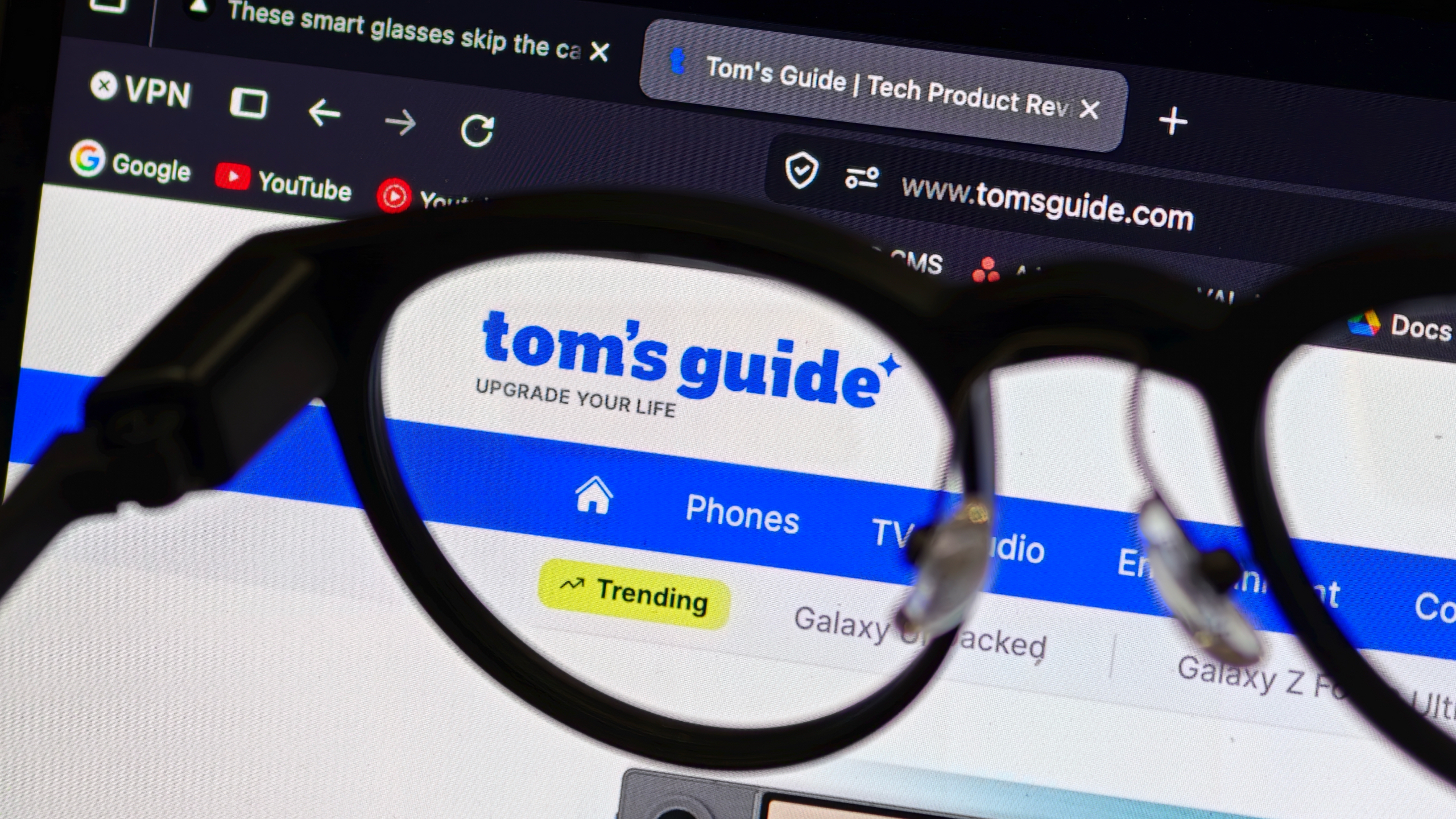
But the software lacks basic features like setting timers, alarms, and reminders, which feels like table stakes for a device that's supposed to bring the quickness of getting things done from your phone straight to the display in front of you.
I do love that the company isn't gatekeeping the essentials. Calendar integration, notifications, and the basic Memo AI tier are all free. But there's also a Memo+ AI tier that costs around $20 a month, which brings a better AI engine and a feature called Moments that records and transcribes your daily environment, continuously in the background.
And that is where this product feels a little creepy. Having my life recorded 24/7 and paying $20 for the same? This makes the subscription a pretty hard sell.
I don't miss the cameras
Look, the XGIMI MemoMind One may not be the perfect display-based smart glasses out there, but the company's direction reassures me that this segment isn't just about slapping a camera onto a pair of normal glasses and calling it a day.
There's room for far more innovation here, and having a built-in floating display, on top of everything else I've raved about, makes this a much better value proposition than a standard pair of smart glasses.
Sure, camera-equipped glasses will still have their place, but for everyday wear, this is pretty much what I'd want to carry. Also, it helps not to look like a creep.
The XGIMI MemoMind One is currently only available through the company's Kickstarter, where it's offering nearly $200 off on pre-orders right now. The available variants start at $399, but the company tells me that once it hits shelves commercially, it'll be selling for $599.
More from Tom's Guide
This is a preview from the original publisher. Continue reading at the source:
Read Full Article on tomsguide.com →