

OpenAI is shutting down its AI browser — but ChatGPT users are getting something better
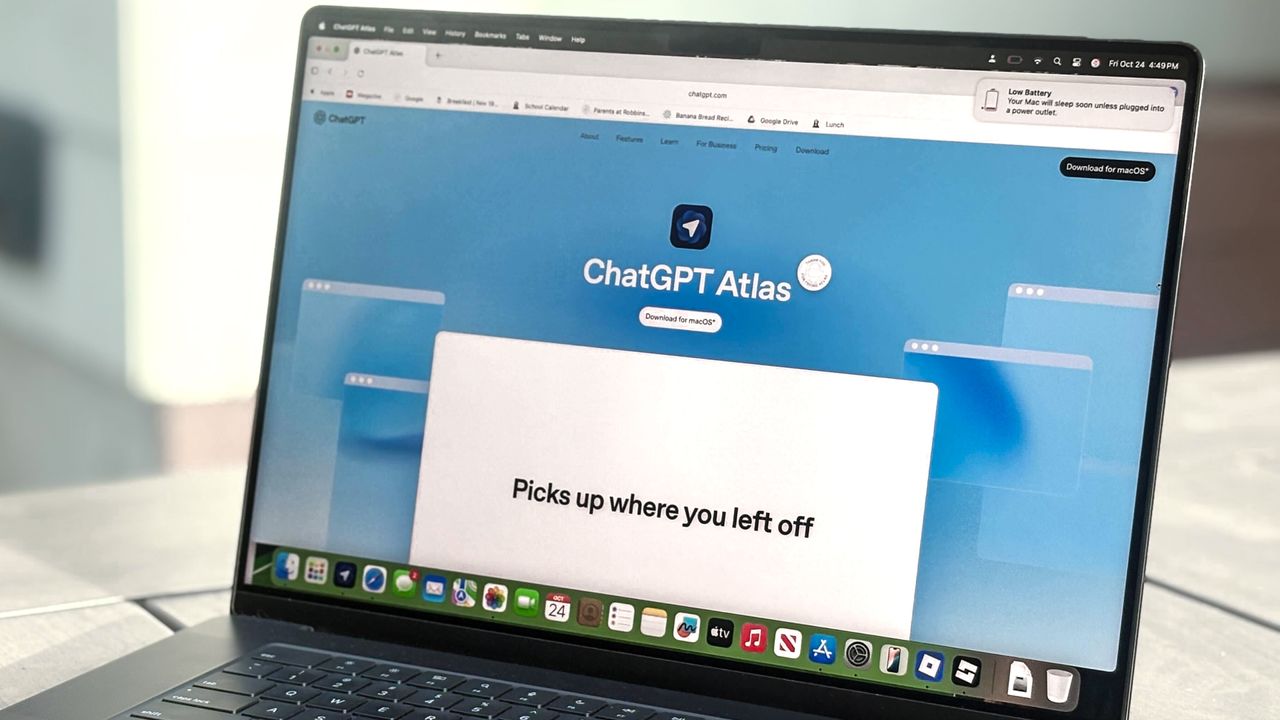
OpenAI is saying goodbye to Atlas, the AI-powered web browser it launched less than a year ago. But don't mistake the move for a retreat from the web. Instead of trying to convince millions of people to abandon Chrome or Safari, OpenAI is folding Atlas' most useful AI features directly into ChatGPT, its desktop app and a new Chrome extension.
The decision marks a significant shift in strategy, suggesting the company no longer sees AI browsing as something that needs its own browser. Instead, it wants ChatGPT to become an AI assistant that works wherever you already browse.
What happened?
OpenAI confirmed that Atlas will begin shutting down on Aug. 9.
Rather than continue developing a standalone browser, the company says many of Atlas' AI-powered browsing tools, including agentic features capable of interacting with websites on your behalf, will continue inside ChatGPT Work, the ChatGPT desktop app and an upcoming Chrome extension. Existing Atlas users will be guided through the transition over the coming weeks.
While the Atlas name is going away, the technology behind it isn't. Instead, OpenAI is moving those capabilities into products that already have a much larger user base.
Why OpenAI changed course
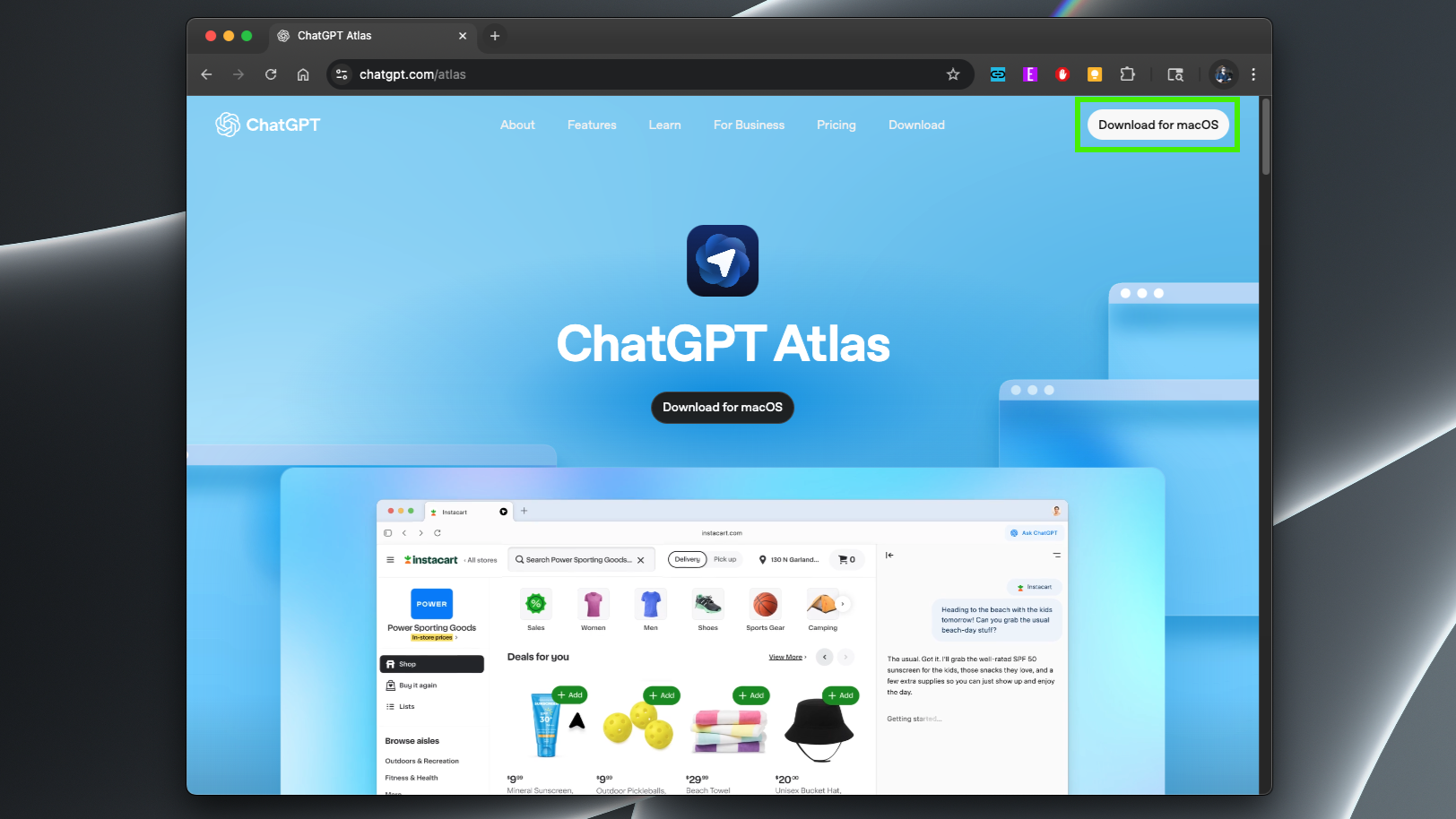
When Atlas launched, the idea was pretty straightforward: create an AI-first browser that could summarize web pages, answer questions about what you were reading and complete tasks online without requiring constant manual input.
The challenge wasn't the technology but changing people's habits. As a Chrome user, I can honestly say I found it hard to leave behind. And I'm not alone. Chrome remains the dominant browser, while Safari is deeply integrated into Apple's ecosystem. Convincing users to switch browsers is a much bigger hurdle than adding new AI capabilities to software they already use every day.
OpenAI now appears to be betting that AI doesn't need to replace your browser. It simply needs to make the browser you already use smarter.
What this means for ChatGPT users
For most people, this should make AI browsing feel much more seamless. Instead of opening a dedicated browser to access AI features, users will increasingly find those capabilities built directly into ChatGPT or available through Chrome. That means fewer apps to install and manage while keeping the ability to summarize long articles, research complex topics, automate repetitive online tasks and interact with websites using AI.
This also marks a shift across the industry. OpenAI's decision also reflects a broader trend taking shape across the AI industry. Earlier this year, AI-powered browsers were positioned as the next major computing platform. Companies raced to build browsers with built-in assistants, hoping users would abandon traditional web browsers altogether.
That vision now appears to be evolving. Instead of competing to become your primary browser, AI companies are increasingly embedding their assistants into the software people already rely on. Whether you're using a browser, a desktop application or another productivity tool, the goal is the same: make AI available wherever work happens.
Rather than creating yet another destination, AI is becoming part of the tools we already use.
The bottom line
Atlas may be disappearing, but OpenAI's ambitions for AI-powered browsing are only growing.
By moving Atlas' technology into ChatGPT and Chrome instead of maintaining a standalone browser, OpenAI is betting that convenience matters more than another browser icon on your desktop.
If that strategy succeeds, the future of AI browsing won't be about choosing a different browser at all. It'll be about having an intelligent assistant available no matter which browser you prefer.
More from Tom's Guide
This is a preview from the original publisher. Continue reading at the source:
Read Full Article on tomsguide.com →