

We just graded every TV brand on price, performance and more — here’s how their report cards stack up
This week, we handed out report cards to the biggest brands in the TV industry: Hisense, LG, Samsung, Sony, TCL and Vizio.
The goal was simple: grade each TV-maker on pricing, design, features and performance. We also took a hard look at each of these brands' software.
Now that these familiar names have received their respective report cards, it's time to meet them in the classroom for a conference about how they're doing this year. If you're shopping for the best TV in 2026, this ought to give you a pretty clear picture about how to spend your money.
Pricing
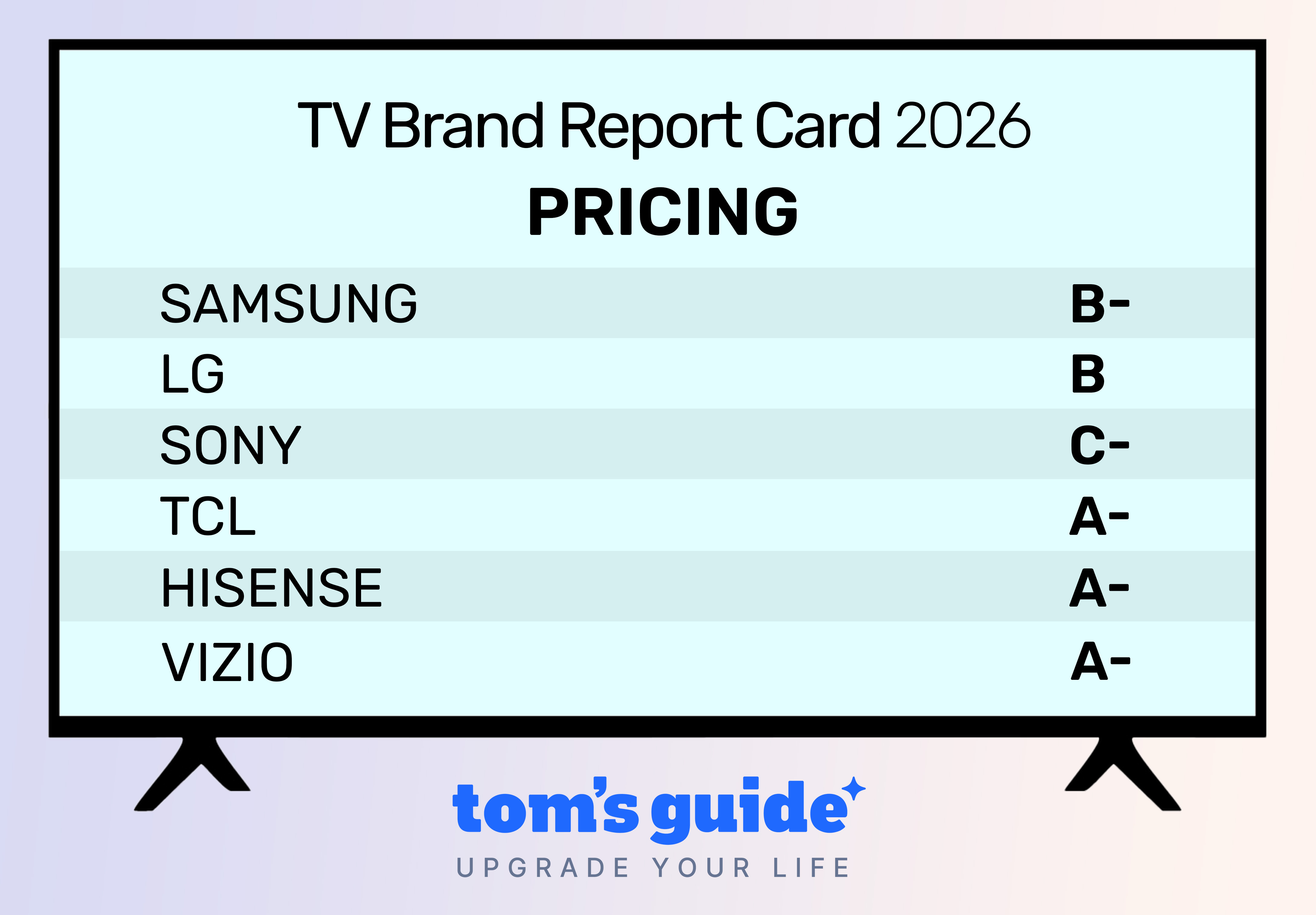
Of the six names in the mix, Hisense, TCL and Vizio led the class in the all-important pricing category. If you’ve shopped for a TV lately, this probably won’t come as a surprise.
Vizio has focused almost entirely on ultra-affordable TVs in recent years. While the rest of the big-name brands tinker with high-end, cutting-edge technologies like RGB LED and QD-OLED, Vizio is focused on more cost-effective hardware.
When comparing similarly priced models, Hisense and TCL TVs offer a bit more bang for your buck when it comes to features.
Meanwhile, the most-popular entry-level sets in Hisense and TCL’s primary lineups tend to be more affordable than those of LG, Samsung and Sony. In addition, it’s often the case that, when comparing similarly priced models, Hisense and TCL TVs offer a bit more bang for your buck when it comes to features.
Winner: Tie (Hisense, TCL and Vizio)
Design
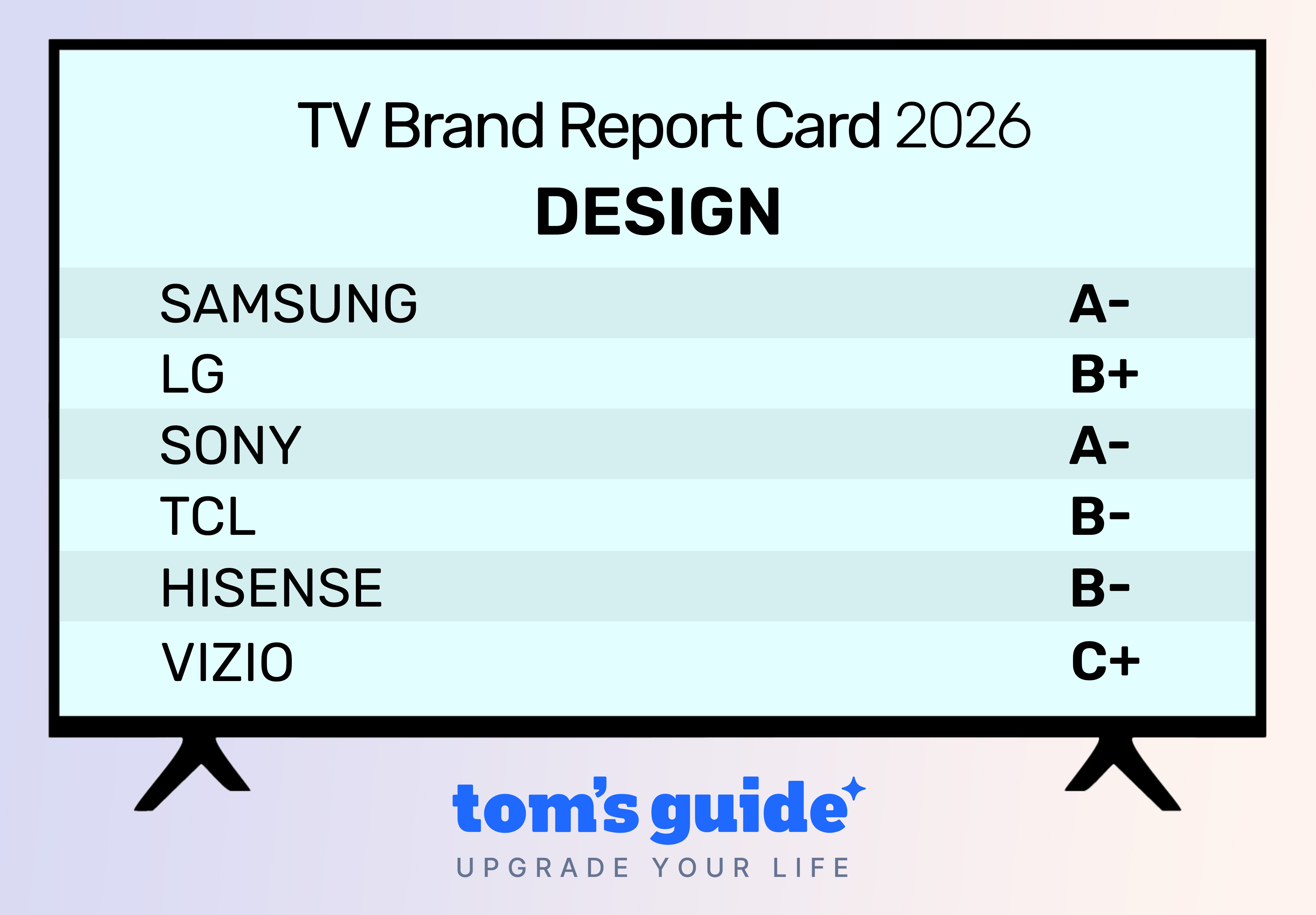
When it comes to design, Samsung and Sony lead the way. Sony’s top TVs often arrive with multiple stand configurations, and its most recent True RGB TVs feature a unique stand design that effectively hides cables by way of lenticular lensing.
Samsung consistently innovates at the higher end of its lineup, too, popularizing matte-style screens, external connectivity hubs and, most recently, eye-catching metallic frames. Affordable, entry-level Samsung QLEDs lean into the simplistic nature of their display hardware, often arriving with sleek, slim panels that play the part of a more-premium set.
When it comes to design, Samsung and Sony lead the way.
LG’s most noteworthy TVs — its OLEDs — are handsomely engineered, too, but the worldwide leader in OLED TVs doesn’t seem too eager to move away from tried and true formulas.
TCL and Hisense are purveyors of TVs with safe, middle-of-the-road designs that don’t innovate as much as they respond to (and replicate) industry trends. Their higher-end TVs tend to carry their best design characteristics.
Winner: Tie (Samsung and Sony)
Features
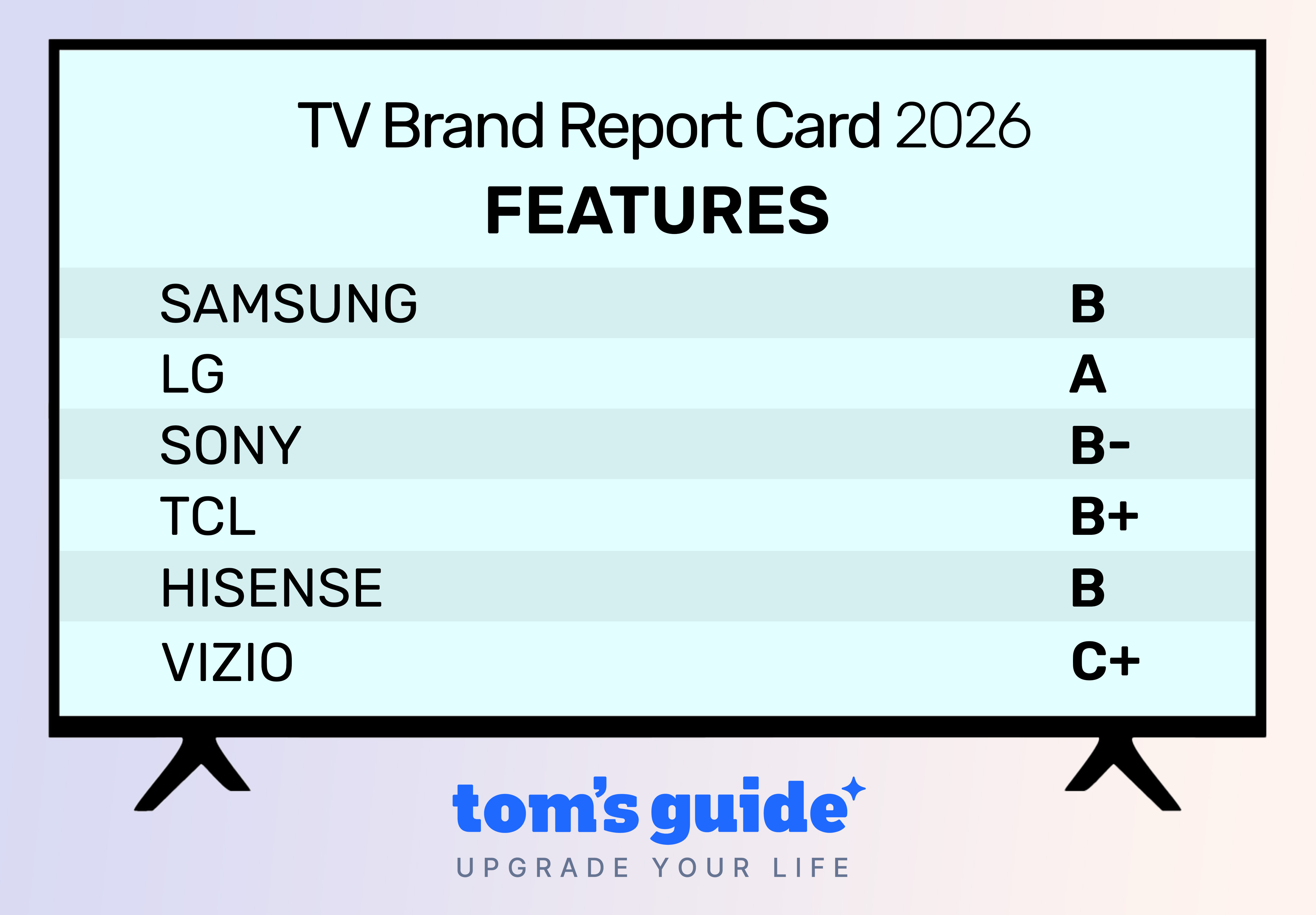
Years ago, LG was among the first TV-makers to outfit its TVs with a full slate of HDMI 2.1 inputs. This aggressive approach to supplemental features has carried all the way into 2026, where the company narrowly leads TCL and Samsung when it comes to gaming- and streaming-related enhancements.
Although Samsung’s top-shelf TVs are jam-packed with extras, there are plenty of people shopping in this higher price tier expecting the full package. Without Dolby Vision support, LG’s top TVs are the most feature-complete.
LG’s top TVs are the most feature-complete.
Sony is the last of these brands to embrace full HDMI 2.1 support. Fortunately, that seems to be the new standard for the brand as the company looks to leverage newer chipsets in 2026 and beyond.
This year, Hisense and TCL are similar in how they approach feature availability across their respective lineups, but for the last couple of years, Hisense has traded a fourth HDMI input for a USB-C DisplayPort on its higher-end models — a move that might disappoint home theater enthusiasts looking to plug in every single one of their HDMI-equipped devices.
Being the brand most concerned with affordability above all else, it’s no surprise that Vizio is the brand least concerned with premium features.
Winner: LG
Performance
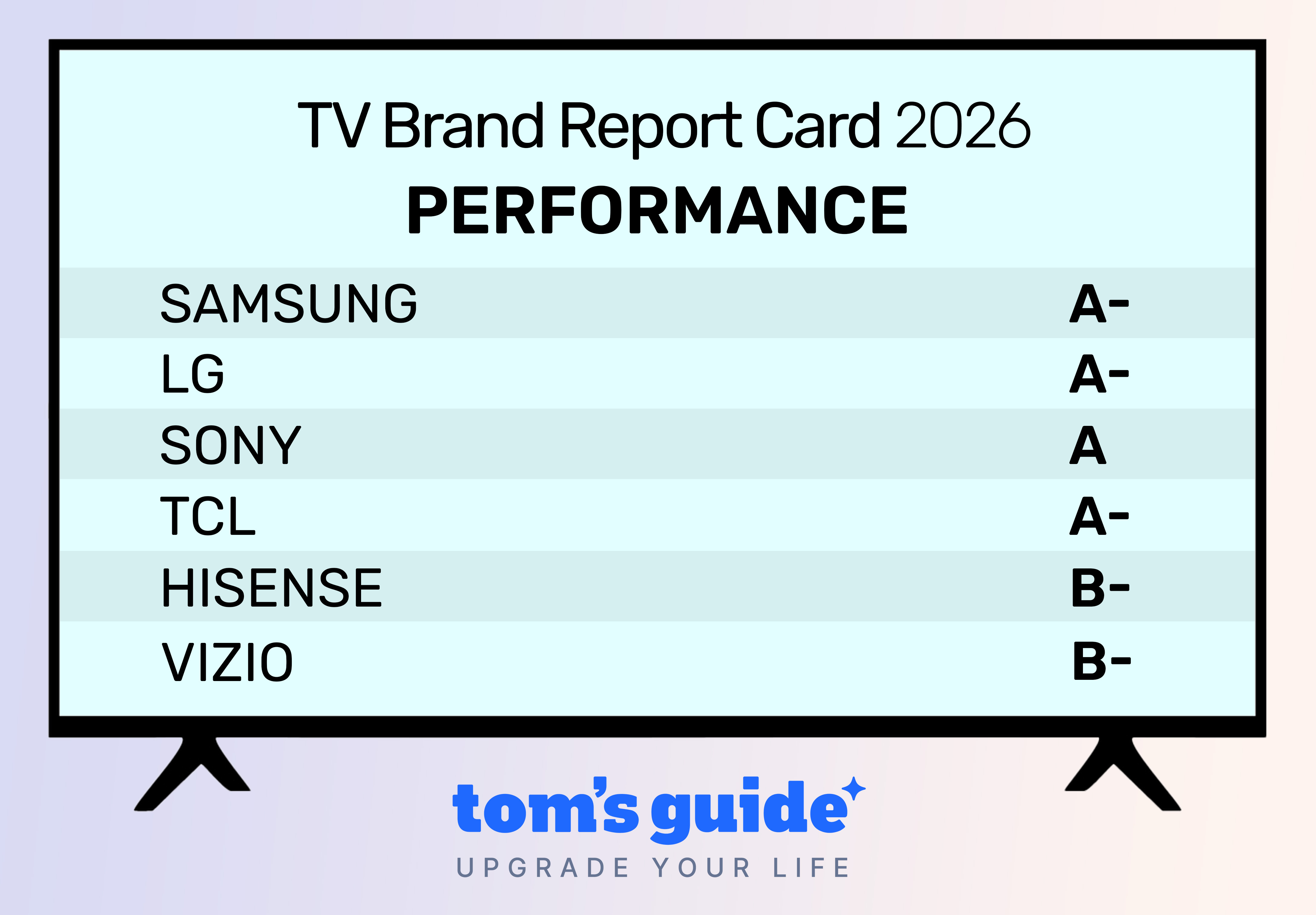
Although TCL and Hisense make exceptional TVs, LG, Samsung and Sony are the brands to consider if you’re looking for top-tier, best-in-the-business performance.
Of the six brands we graded, LG, Samsung and Sony are the only three that make OLED TVs. Despite the rapid ascension of RGB LED technology, OLED remains the best all-around option (provided you don’t need super-high full-field brightness to overcome a sun-soaked room). And, of the graded brands releasing RGB LED TVs in 2026, Samsung and Sony have impressed me the most with the Samsung R95H and Sony Bravia 9 II.
These brands also deliver better picture processing than Hisense, TCL and Vizio. On the whole, Sony TVs feature better processing than any other brand, but LG and Samsung aren’t far behind.
On the whole, Sony TVs feature better processing than any other brand.
At the mid-range and entry level, ranking the brands’ performance isn’t as cut and dry. Hisense and TCL have fortified their position as the best bang-for-your-buck brands in these price tiers because they typically offer brighter pictures with better contrast control. In many cases, you could spend the same amount of money on an entry-level or mid-range LED TV from LG, Samsung or Sony and walk away with a less-impressive picture.
Vizio is… Well, Vizio. The Walmart-owned brand doesn’t make high-end flagships anymore, and the rest of its TVs are affordably made models engineered primarily to generate ad revenue by way of its web-based software. There’s nothing wrong with buying a Vizio TV as long as you’re shopping for affordability instead of sheer picture prowess.
Winner: Sony
Smart TV platform
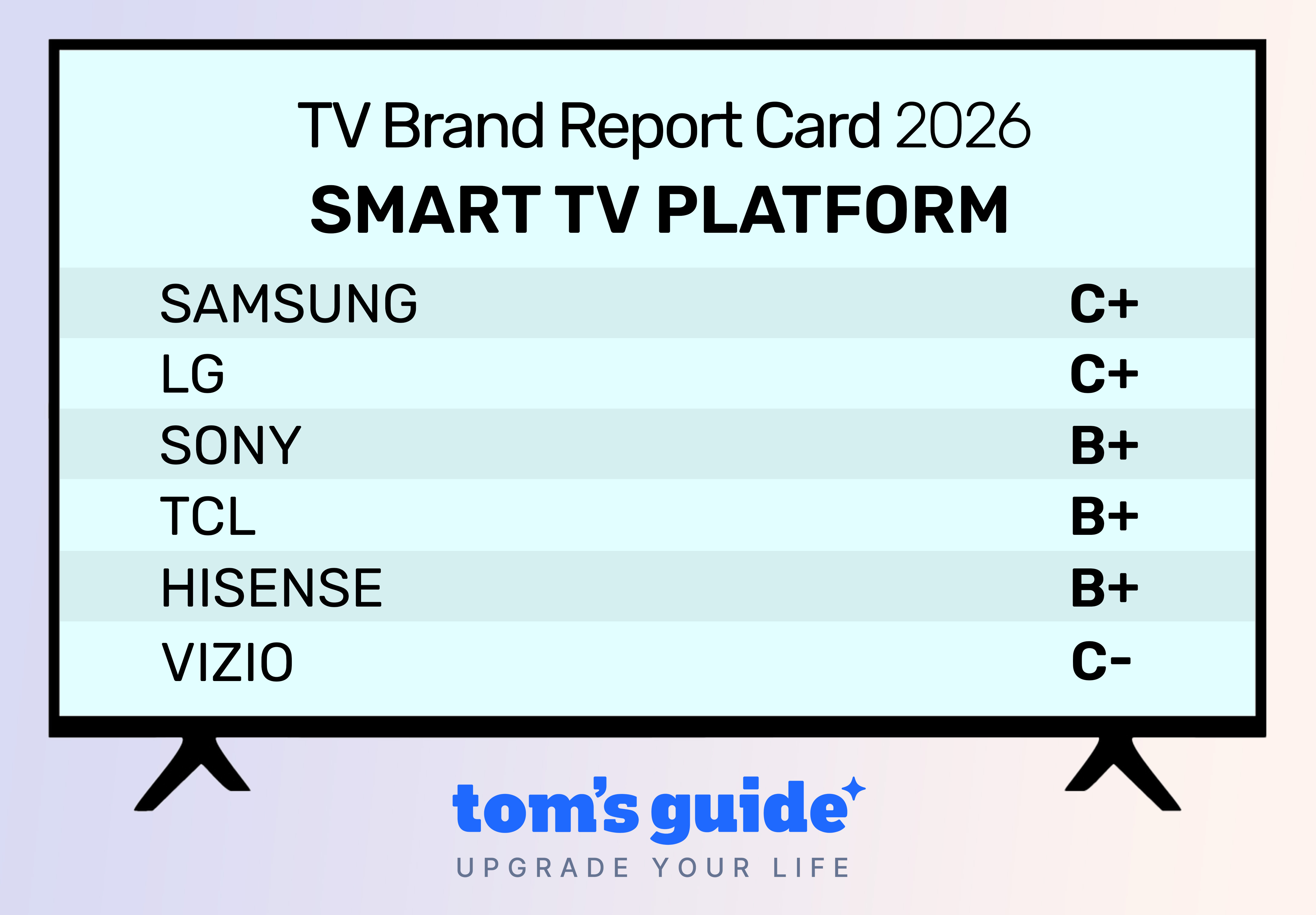
Hisense, TCL and Sony offer the smoothest streaming experiences thanks to their built-in Google TV smart platform. It’s my second-favorite choice behind the Roku operating system on account of its relatively straightforward interface and vast library of downloadable apps.
LG and Samsung fall to a lower tier, primarily because their respective software suites aren’t as easy to navigate. Both LG’s webOS and Samsung’s Smart Hub also come with a unique set of annoyances, like unnecessary AI features and auto-playing content.
Hisense, TCL and Sony offer the smoothest streaming experiences thanks to their built-in Google TV smart platform.
Vizio is to be avoided if you’re hoping to avoid buying an external streaming device, as its proprietary software lags behind the five other brands. The interface is inundated with more ads than its competitors (including auto-playing commercials) and its app selection is limited.
Winner: Hisense, TCL and Sony
Overall Brand Grades
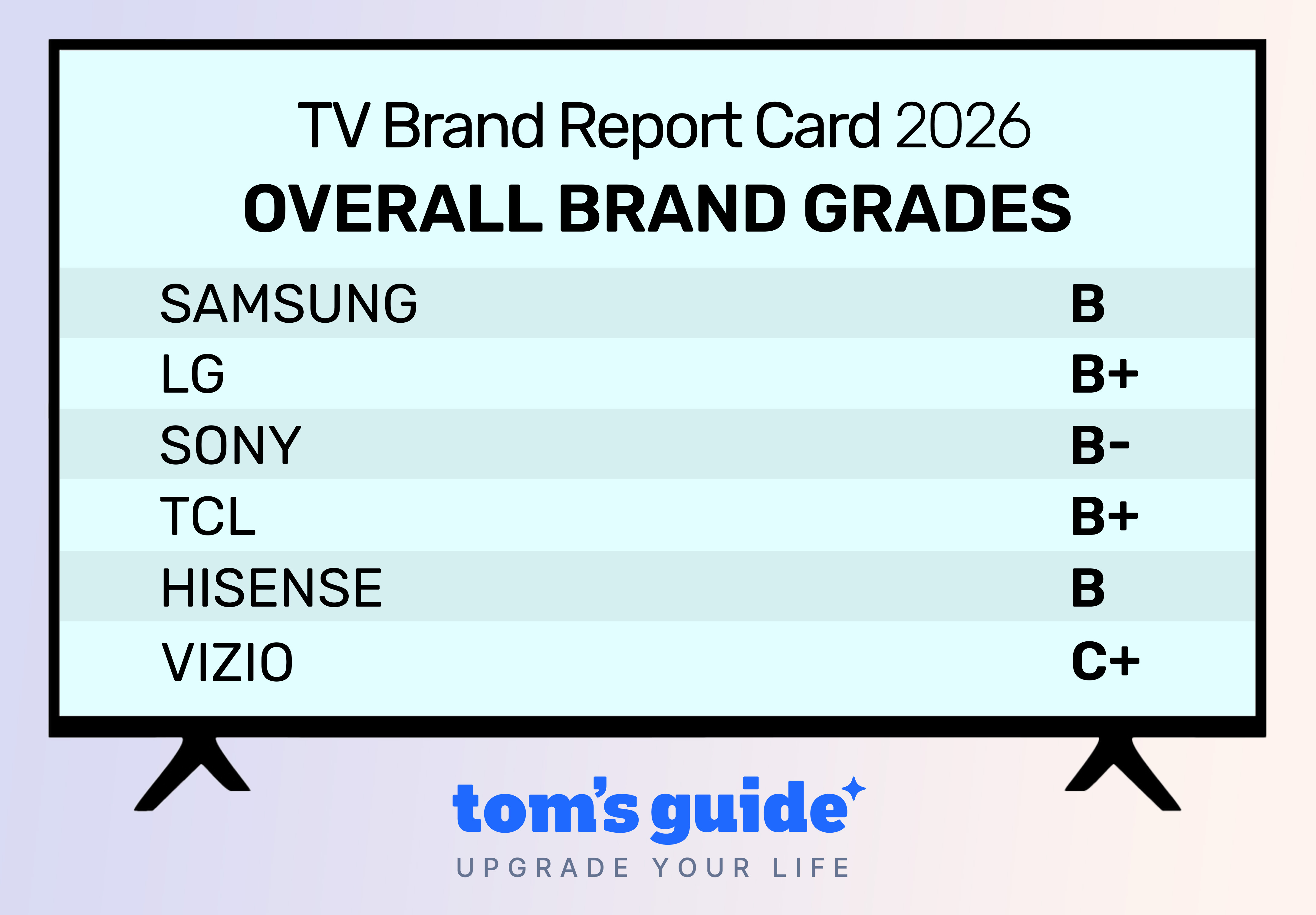
So, you’re shopping for a TV this year and you want to put all of this information to proper use. Allow me to simplify things.
If you’re looking to splash out on a top-performing TV with an emphasis on design and features, LG and Samsung ought to be at the top of your list of options. At the highest price tier, Sony’s TVs offer similarly excellent performance and design, but some of these models don’t offer as many gaming-related features despite their steep cost.
If you’re looking for a mid-range TV in the Goldilocks Zone between affordability and high performance, consider Hisense and TCL. These two brands are especially suited for mid-range TV-shoppers on the hunt for the brightest possible picture, since Hisense and TCL specialize in budget-friendly Mini-LED TVs that don’t skimp on display hardware. (For what it’s worth, Hisense and TCL flagship models are usually quite good — just not as impressive as flagships from LG, Samsung and Sony.)
Next year, we’ll grade all of these brands again. That means there’s plenty of time for them to study up.
If you’re looking to spend as little as possible, I strongly recommend shopping for something from Hisense or TCL over anything from Insignia, Pioneer or Onn. I also recommend Hisense and TCL over Vizio, unless you’re comfortable with Vizio’s ad-heavy software experience.
Next year, we’ll grade all of these brands again. That means there’s plenty of time for them to study up.
This is a preview from the original publisher. Continue reading at the source:
Read Full Article on tomsguide.com →