

Why do I have yellow patches in my lawn? Gardening experts share their top tips on how to fix it
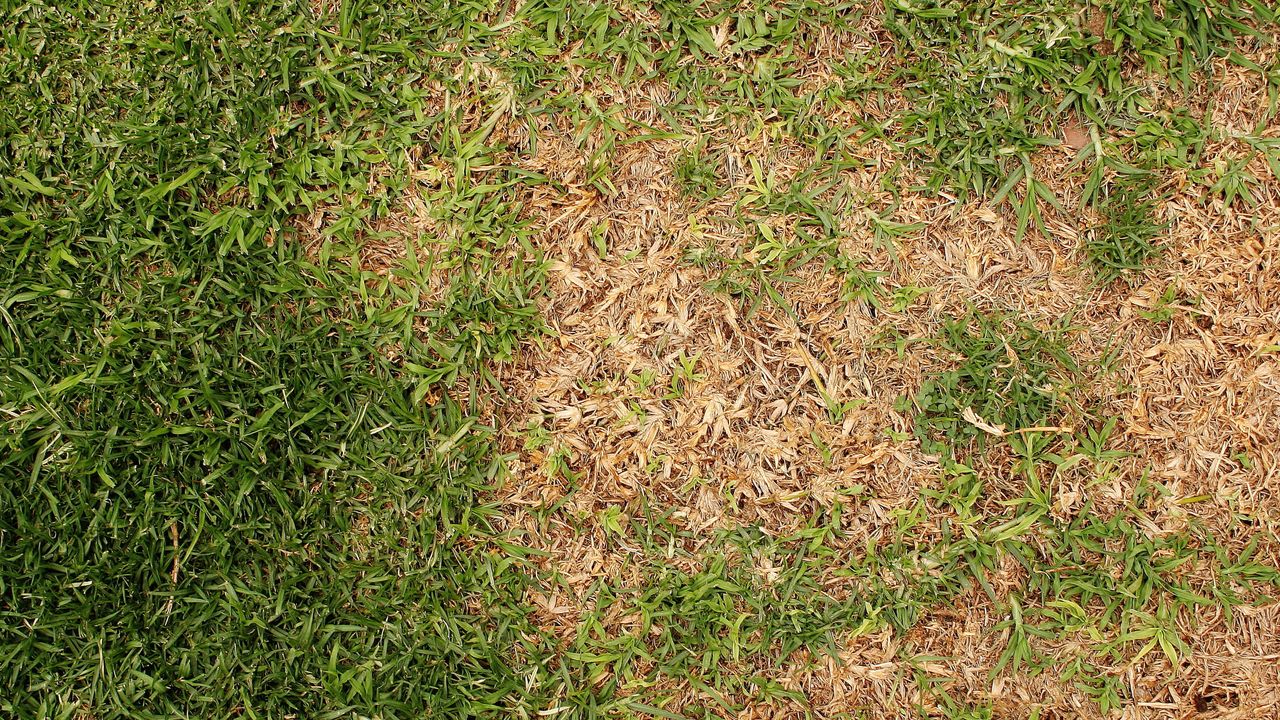
Summer is here, and we’re not the only ones who are feeling parched in the heat. If you take pride in your lush and green grass, it can be disheartening when you notice yellow patches suddenly appearing that quickly ruin the overall look.
This is especially the case if you’re hosting those backyard barbecues or gatherings. So if you’ve been watering and maintaining your yard, you’re probably wondering why you have yellow patches in your lawn.
We’ve called on the gardening and lawn care experts at hand to share their top tips on how to get rid of those discolored spots on your lawn and what causes them in the first place. So, read on if you want to revive and bring your lawn back to life this summer.
What causes the yellow patches in my lawn?
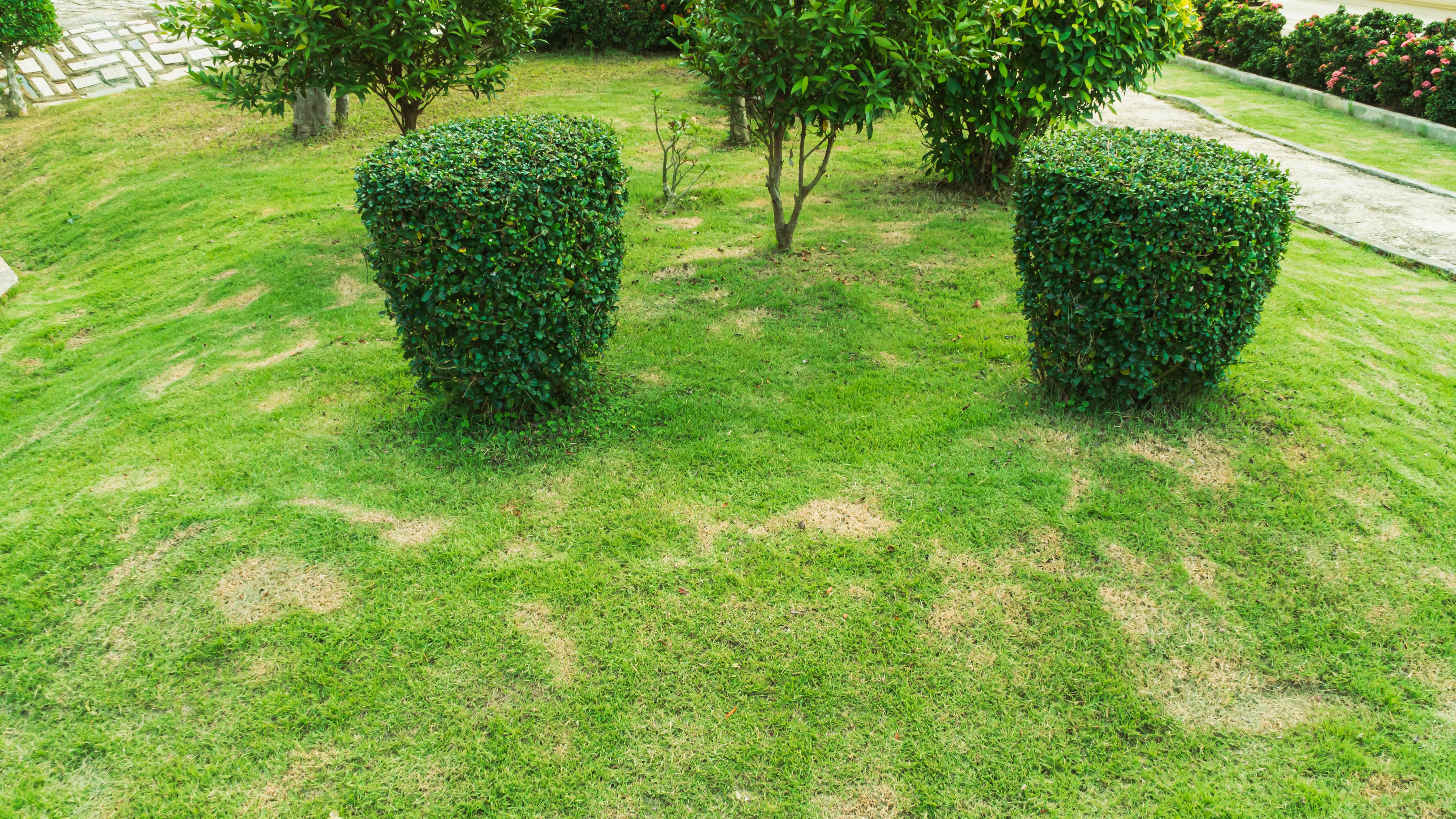
Essentially, a yellowing lawn is common when the weather switches from heavy rain to a sudden dry spell. Scientifically, this yellowing is known as chlorosis.
Particularly, when grass undergoes stress, the green chlorophyll breaks down, and this process exposes the underlying yellow carotenoid pigments that are typically concealed during healthier periods.
According to experts, there are various causes for your lackluster lawn. One obvious reason could be not watering your lawn adequately during hot spells, which can dry out the soil. Ideally, you should water deeply and infrequently, as this helps the roots grow stronger and penetrate deeper into the soil.
“If you notice yellow patches in your lawn, it might be a sign that you are overwatering or underwatering your grass,” said Allison Koenig, a lawn and garden expert at Tractor Supply.
Basically, if your grass looks dry, turns brown, or has a crispy texture to it, you're likely under-watering, and your grass is parched. But if the grass is constantly soggy, has yellowing patches, or shows signs of mold or fungus, it’s a clear sign of overwatering, and you should reduce the amount of water your lawn is getting.
“The best way to tell what your lawn needs is through a quick soil check," Koenig said. "If it feels compacted and doesn’t absorb water well, you may be overwatering, while a dry, hard soil signals that your lawn needs more moisture.”
Pet urine can also cause those yellow or brown spots on your lawn because of the high nitrogen levels, which essentially burn the grass.
Allison Koenig, lawn and garden expert
Another reason could be diseases or pests, in particular chaffer grubs and leatherjackets that are known to feed directly on the grass roots, literally sucking out the water and essential nutrients it needs to thrive.
“As they feed directly on the roots of the grass, they sever your lawn’s connection to its water and nutrient supply,” adds Angelika Zaber, Lawn Care Specialist and Gardening Expert working for Online Turf.
“In terms of diseases, Fusarium is a common culprit since it often shows up as small, yellow, circular patches. To treat it, reduce the amount of thatch and loosen the soil by scarifying and aerating your lawn. Additionally, avoid high-nitrogen fertilizers. Instead, use a fertilizer that is low in nitrogen but high in potassium.”
Furthermore, for those with furry companions, discolored spots frequently stem from animal waste. “Pet urine can also cause those yellow or brown spots on your lawn because of the high nitrogen levels, which essentially burn the grass,” explained Koenig.
“To prevent these spots, one effective approach is to immediately water the area where your pet has urinated," Koenig said. "This dilutes the nitrogen and prevents it from "burning" the grass, preventing the brown spots from appearing. You can also try training your pet to use a designated area of the yard, such as a gravel or mulch patch, where the urine won’t harm your lawn.”
How do I fix any yellow patches?
First, it’s advisable to start with a soil test to help you determine the pH levels and what nutrients it’s deficient in.
"This will help you determine the pH levels of the soil as well as if it has adequate nutrients and organic matter present," said Theresa Smith, the SVP at NaturaLawn of America.
“If the soil test results show signs of the soil having adequate nutrient content, then you know the yellowing or browning of the grass is being caused by an environmental factor or is under physical stress”.
So, once you have established the cause for your discolored grass, how do you fix your unsightly patches? "The best way to fix this is by overseeding,” advises Zaber.
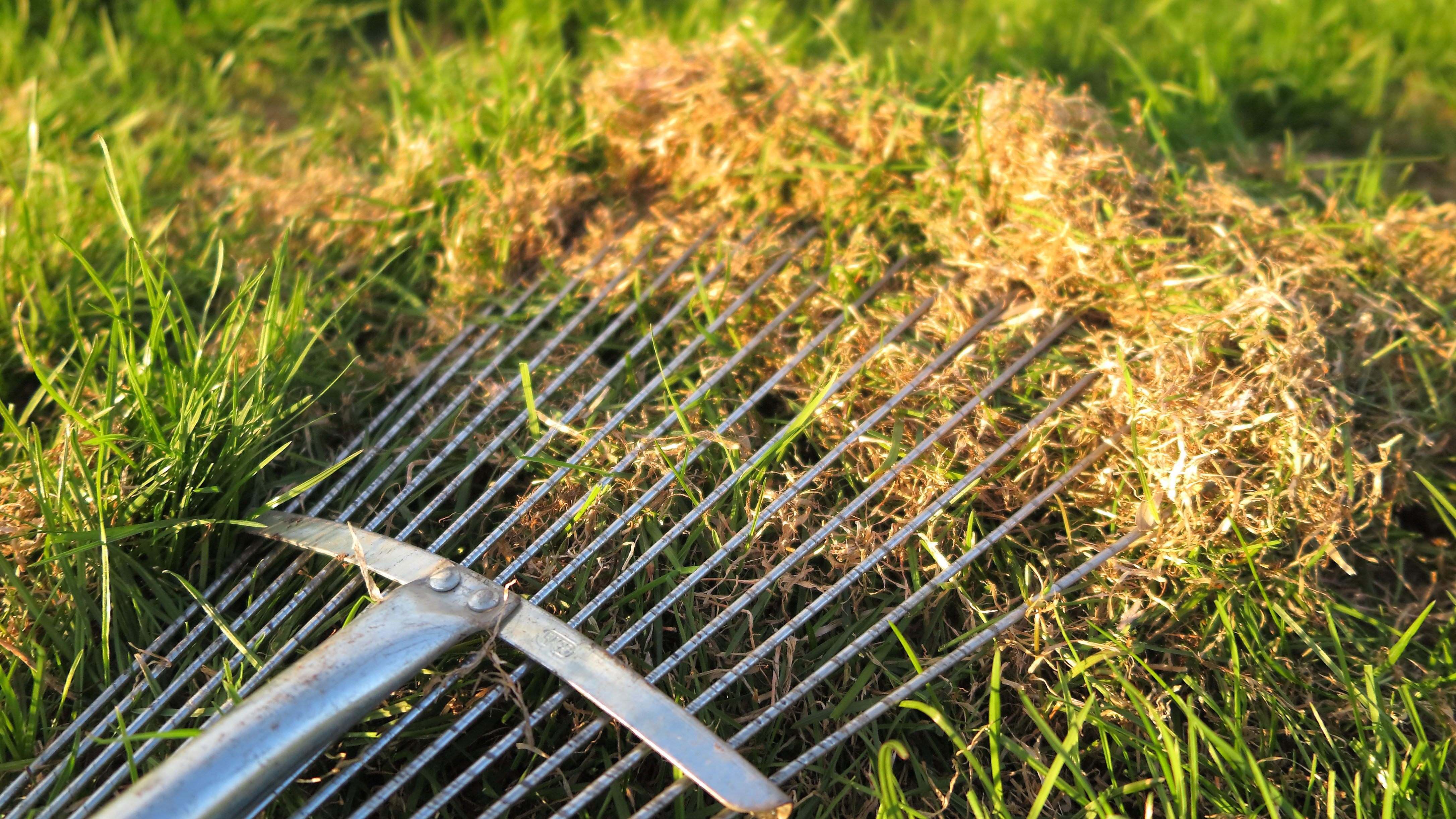
“Overseeding is a practice of spreading grass seed onto an already existing lawn to thicken it and give it that healthy, green appearance. Start by mowing, then scarifying and aerating the soil.
“Then, spread the seed at a rate of 25 grams per square meter and add a light layer of topsoil on top. This will improve the seed-to-soil contact, which is critical for good germination rates, and also protect the seeds from being eaten by birds or blown away by wind.”
Bear in mind that you may need a period of two to four weeks for initial growth, though achieving a fully restored, and lush lawn can take up to six months.“Grass usually takes around 2-4 weeks to germinate, depending on the weather. However, to fully establish, it can take up to 6 months,” added Zaber.
For more top tips, check out how to tell if your lawn needs overseeding, especially if you want to maintain healthy grass all year round. Or if you just want a lush lawn, try these 11 secrets to a lawn that’s greener than your neighbor's.
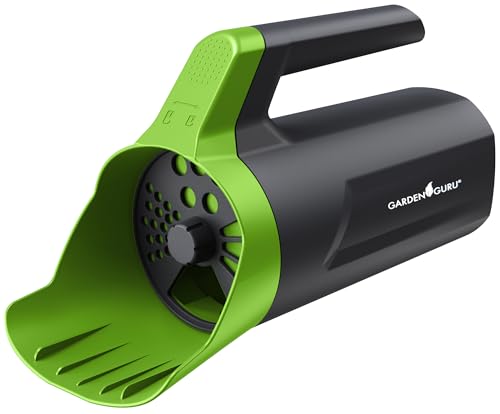
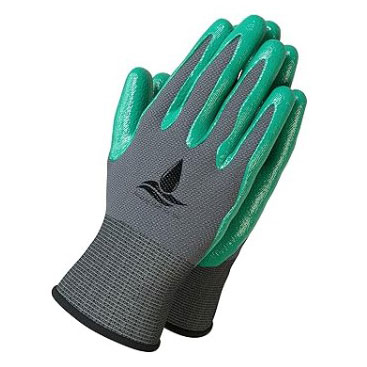
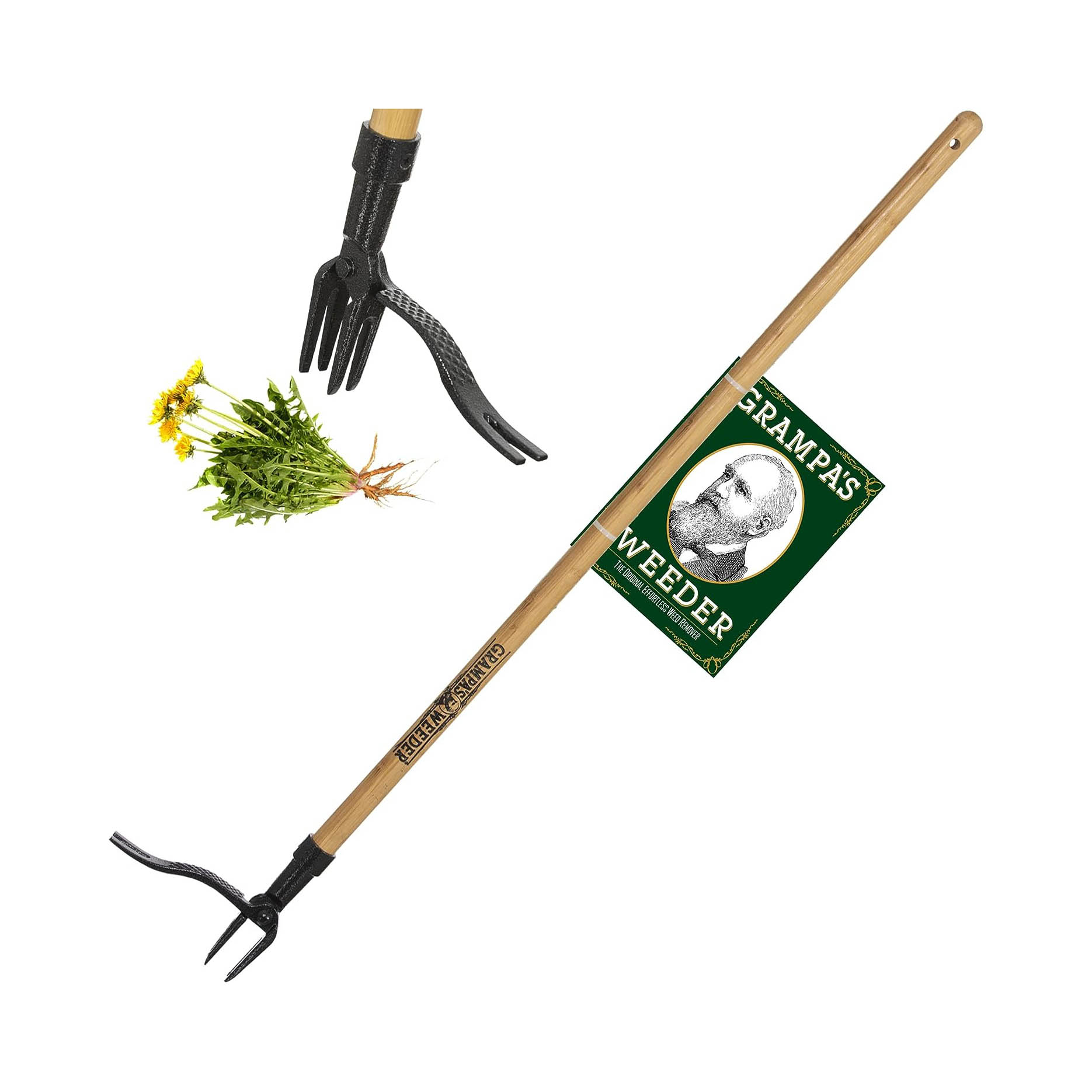
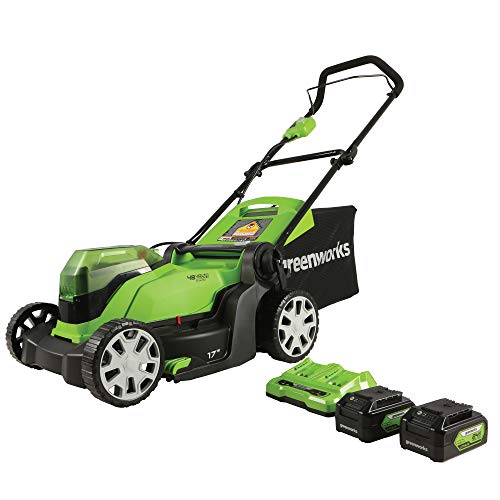
Lawncare essentials we love
More from Tom's Guide
This is a preview from the original publisher. Continue reading at the source:
Read Full Article on tomsguide.com →