

I electrocuted my own vagus nerve every day for a week to find out if brain health wearables are worth the hype
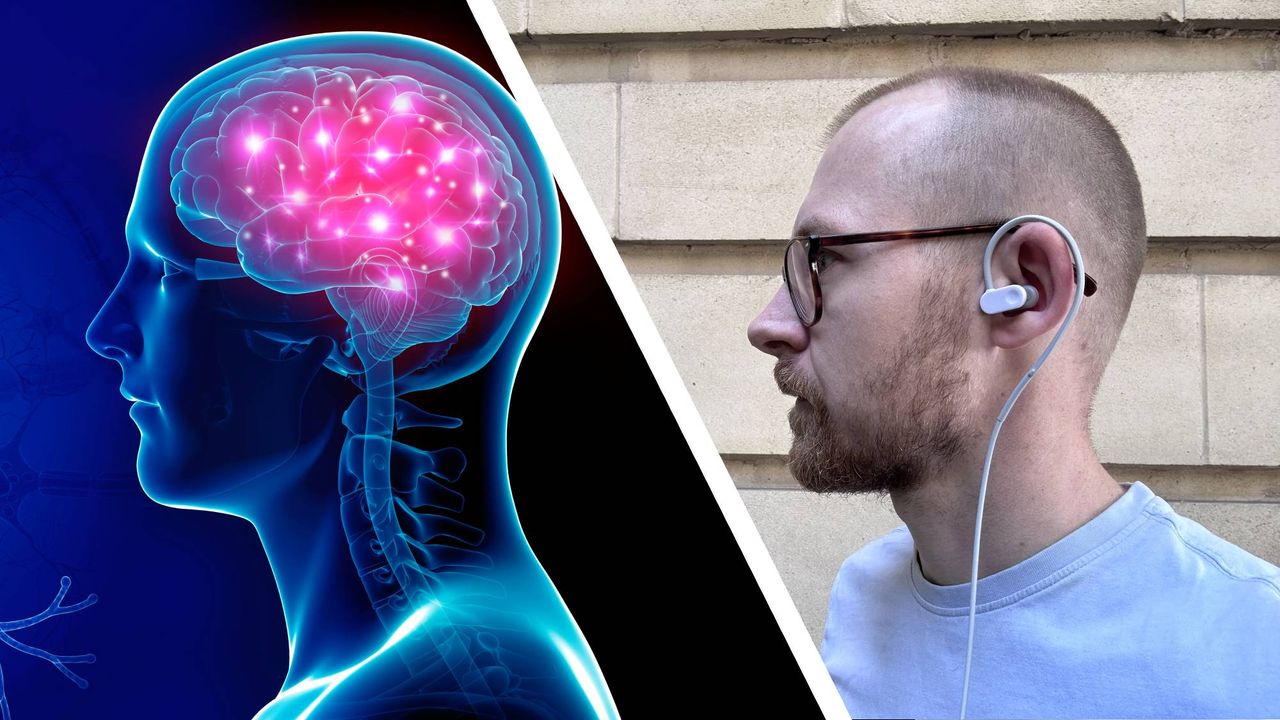
You could be forgiven for thinking that most wearable-tech categories have come as far as they're ever going to. All smartwatches look the same now, and that form factor isn’t going away anytime soon. It's a similar story with smart rings, with “slightly thinner” being the main selling point of the Oura Ring 5. And the screenless Whoop tracker has given birth to a bunch of copycats, including the Fitbit Air, and most recently the Garmin Cirqa.
When you think of wearable tech, you normally think of some sort of fitness tracker. But there is an area of wearables that’s still in flux, as categories do before there’s a consensus on what works: neurotech. Neurotech devices are generally wearable technology to monitor, or temporarily alter, our brain chemistry for optimal performance or to treat neurological injuries, such as post-traumatic stress disorder or depression.
They’re also being used to improve our brains to rest harder and focus longer. Our writer Becca Caddy recently wrote about the dangerously addictive thrills of 'over-optimization', so it’s no surprise to see the out-there concept of rewiring the brain being embraced by the cult of biohacking.
Nootropics — mind-enhancing drugs — are promoted heavily on podcasts, with brands like Gorilla Mind and Alpha Brain enjoying airtime on popular ‘bro-science’ platforms like The Joe Rogan Experience to help get ‘cognitively dialed’. Away from pharmacological solutions, multi-millionaire longevity biohacker Bryan Johnson uses Nurosym, an electrical vagus nerve stimulation device, to “make [his] body more parasympathetic, more chill”.
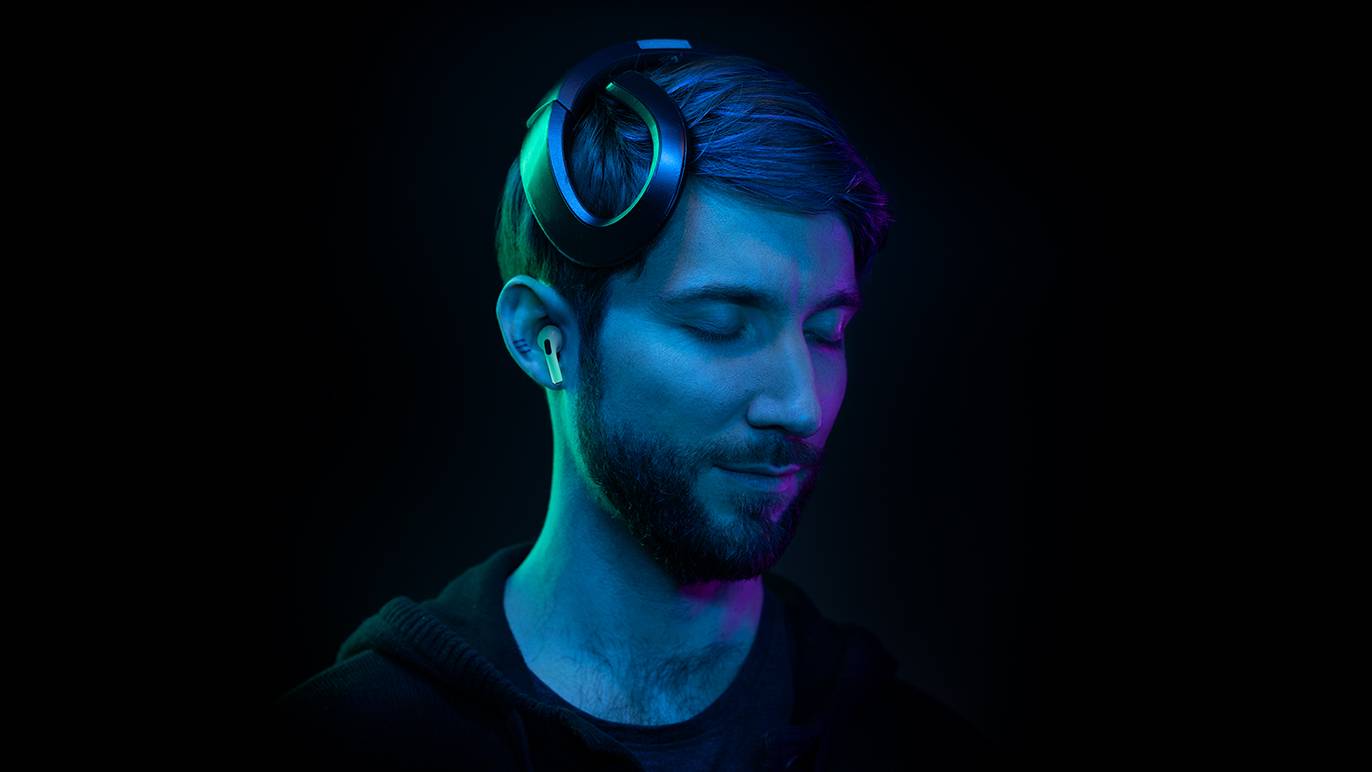
It’s Nurosym that I’ve been using this week. There are other wearables out there that promise to do all sorts of things — the Neurosity Crown for example (pictured above), promises to improve concentration through “neuroadaptive meditation”, measuring your brainwaves and playing music to that pattern to improve focus during work. All while looking like the sort of thing you might see Patrick Stewart wear in the X-Men films.
The Muse 2 headband is a meditation aid that uses electroencephalography (EEG) sensors to read your brain activity and provide personalized meditation guidance, in much the same way as a smartwatch might read your heart rate and offer workout suggestions.
The vagus nerve, however, is a key target for brain health. Proper stimulation of the vagus nerve is said to offer all sorts of benefits, treating conditions as varied as depression, anxiety, inflammation, bipolar disorder, obesity, POTS, and Alzheimer's. For people without those conditions, vagus nerve stimulation can improve sleep quality, regulate stress and improve relaxation overall, ensuring you're well-rested and ready to tackle life's challenges.
There's unconfirmed but promising research suggesting that you may be able to stimulate the vagus nerve yourself through practices such as meditation and cold exposure — which might explain my predilection for cold showers, as perhaps I’ve been unconsciously hacking away at my brain all this time.
But what if I got a wearable to do it for me? I decided to try Nurosym myself for a week, to see if I could really begin to hack my brain better.
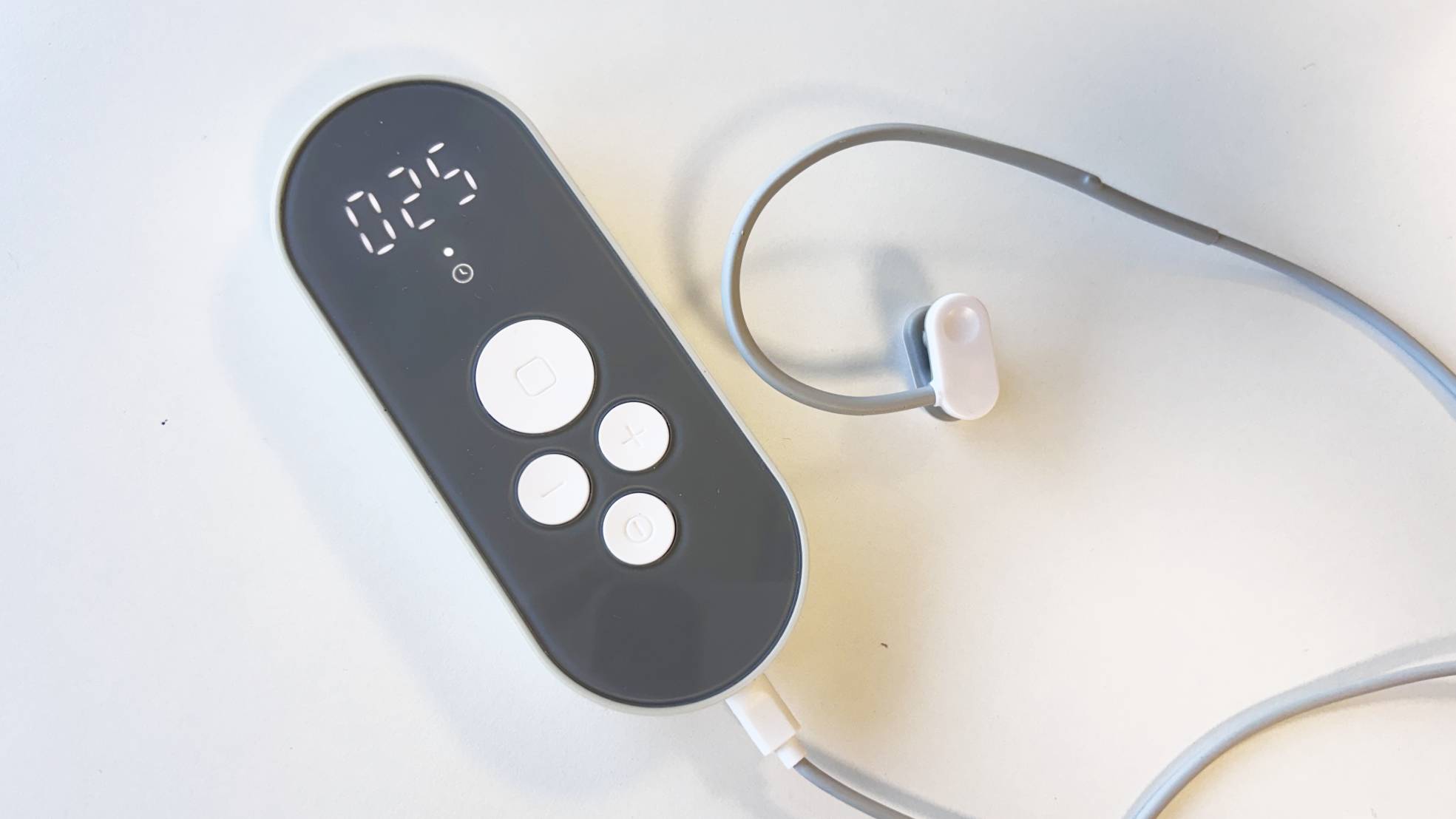
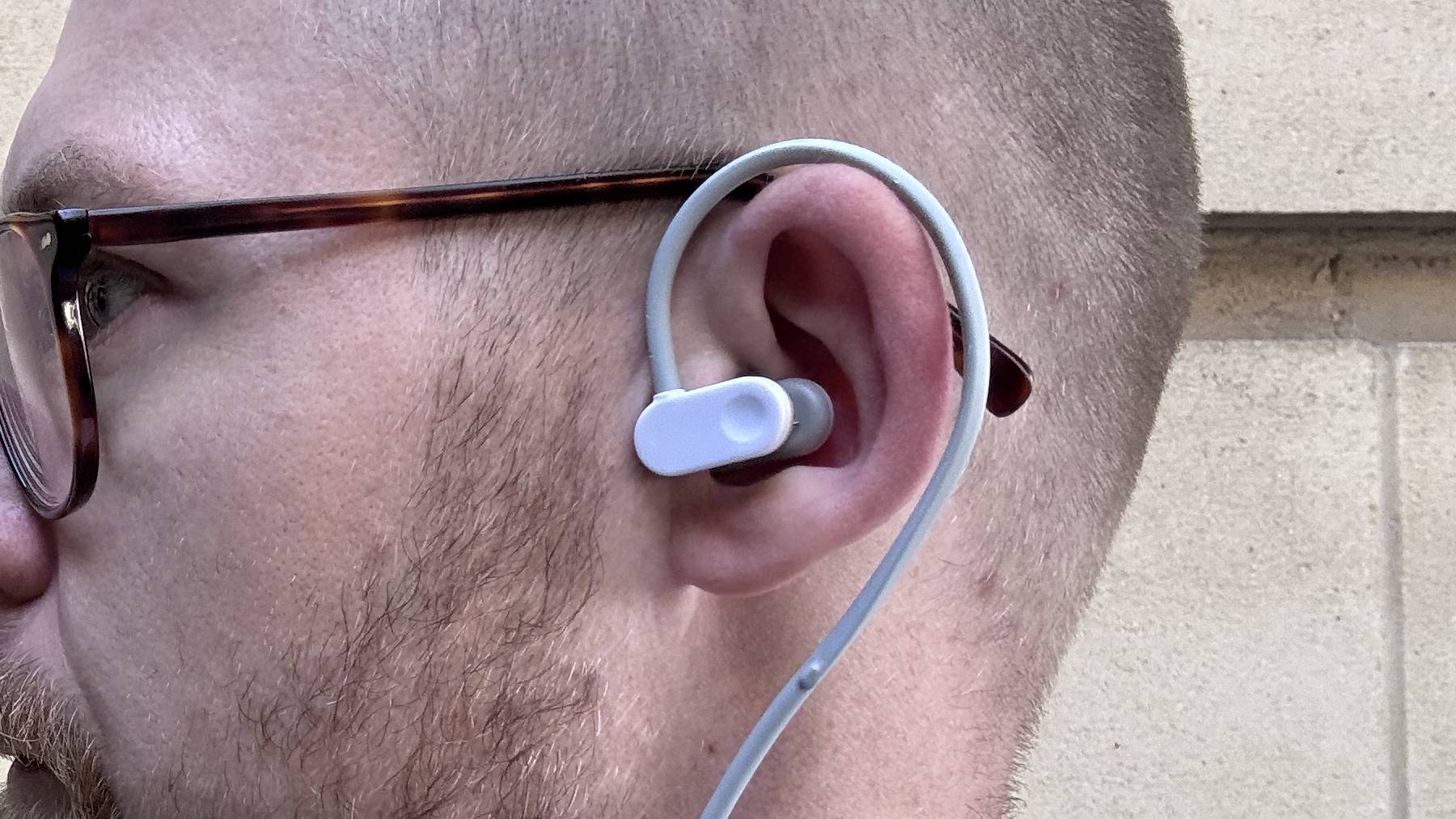
The vagus nerve stimulation device costs a whopping $699 / £599 (around AU$1,300), and looks quite stripped-back for a device of this price. It consists of a fairly simple handheld remote, an attached earpiece with a clamp to fix to your tragus (the small piece of cartilage outside your ear) and a charging cable. There’s mercifully no app or phone connection to speak of; everything happens on-device, which actually goes some way to making me trust it more, as it’s not collecting any data about me.
“For a long time, neuromodulation has largely meant invasive procedures or treatment delivered in specialist environments,” Dr Greta Dalle Luche, PhD., Nurosym’s head of science, tells me. “Nurosym demonstrates how this science can be translated into non-invasive technology that fits into people’s everyday lives.”
As well as being a doctor in biochemistry, Dalle Luche is also a former professional surfer, so she knows all about optimizing for peak performance. She explains that Nurosym is all about taking “evidence-led neuromodulation” out of the clinical space and turning it into accessible technology. A lot of clinical tests have been done on this device, and it’s advertised as “the world’s most studied vagus nerve stimulator” with $10 million invested in over 60 independent research papers, backed by notable universities and health bodies worldwide.
To use it, you moisten your tragus, fix the clamp, then adjust the signal on the remote — turning it up until you feel a light tingling sensation. That’s the electricity pulsing through your ear to your vagus nerve, stimulating the parasympathetic nervous system to activate your body’s “rest and digest” response.
It seems like as good a place as any to start. I wet my ear, clamped it onto myself and sat quietly, letting the tingles of electricity wash down my ear canal and into my brain. Nurosym guidelines, and reports on the r/vagusnerve subreddit (because of course there’s a subreddit), suggest that it can take anything from a few days to months to feel the effects, which are said to include a reduction in depressive or anxiety-related symptoms, better sleep, and better-quality rest and relaxation. These claims are anecdotal, and user-dependent, and the results are subjective, with no objective measure of they actually work or produce meaningful results, certainly in a short amount of time such as a week.
Dalle Luche tells me that “factors such as an individual’s underlying vagal tone, or in other words, the ‘health of their autonomic nervous system,’ influence the proportion of the response to the device". So it's possible that I may end up not having a proportional, or significant, response.
Nonetheless, I did my best to empirically measure my body’s responses to this new technology, monitoring my sessions on a Garmin Cirqa fitness tracker as if it was a workout, and wearing it to bed nightly to monitor sleep quality and heart-rate variability.
You can watch our video review of the Garmin Cirqa below:
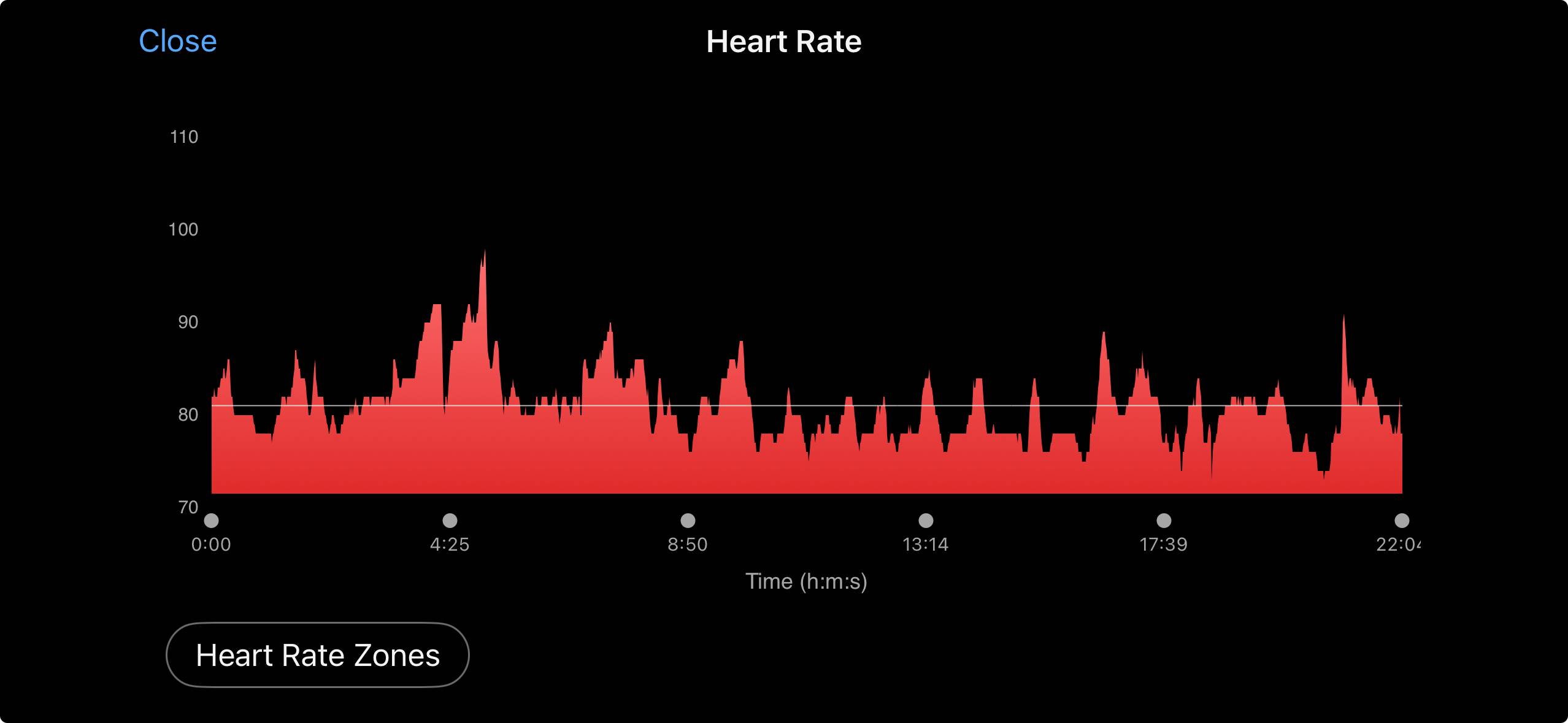
According to the Garmin, the stimulation did have some effect. There could be any number of contributing factors for this, but after spending 15 minutes at rest to settle my heart, I fired up the Nurosym and monitored my heart rate over a 25-minute session, and I did see a decrease in spikes my heart rate as the session went on. Note the regularity in the middle there, too, between the 10 and 17-minute marks — a clear indication that something was working.
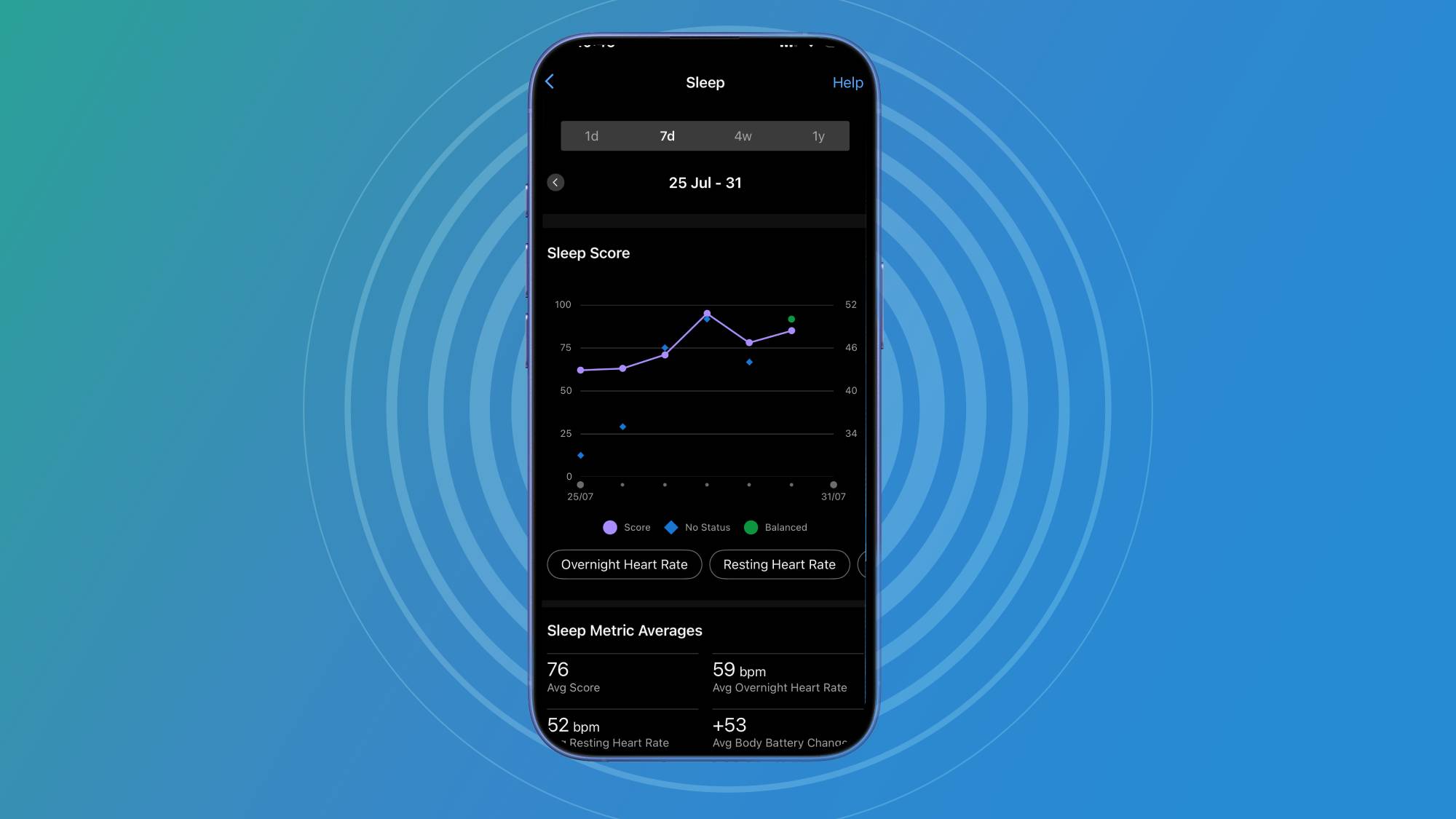
Across the week while using the device, I also saw a general improvement in sleep quality and drastically rising heart-rate variability, as measured here via my Garmin. I’m not sure I saw any immediate, dramatic improvement in focus or relaxation, but the graphs were moving in the right direction.
Whether this is partly due to the sessions enforcing at least 30 minutes of screenless, conscious relaxation time each day, so that my nervous system was deliberately being calmed, or whether it’s due to the device, I’m not sure. But I’ll take the W, as the kids say.
For $700 / £600 / AU$1,300, is 'seemed to work' enough? When I asked about the high price of the device, Nurosym’s head of science Dr Greta Dalle Luche said its price does not reflect the physical device alone.
“It reflects more than a decade of scientific research and development, our proprietary technology, extensive continuous testing to ensure safety and maintenance of regulatory certification, as well as continued investment in clinical research,” she told me. “That makes a direct product-for-product comparison with lower-cost non-validated wellness gadgets difficult.
“When people buy Nurosym, they have the certainty of holding in their hands something that works, and that comes with very little risk.”
While the results have been inconclusive so far, I've seen enough to suggest that something is happening here, so I'll continue electrocuting my brain for a while yet to see if I achieve more definitive results. Wearable neurotechnology is still in its infancy, but it’s a technology that's on the rise, and I imagine, now that Nurosym has done the hard work of all that proprietary testing, there will be more low-strength vagus nerve-stimulation devices hitting the market in the near future.
I’m interested in seeing where the category goes. If companies like Nurosym can bring down prices, and make the technology more accessible, a wearable that improves your quality of relaxation — and which doesn’t harvest your data to feed big tech via an AI-powered app — sounds like a win in my book.
This is a preview from the original publisher. Continue reading at the source:
Read Full Article on techradar.com →