

3 AC mistakes that are quietly spiking your energy bill — and how to fix them
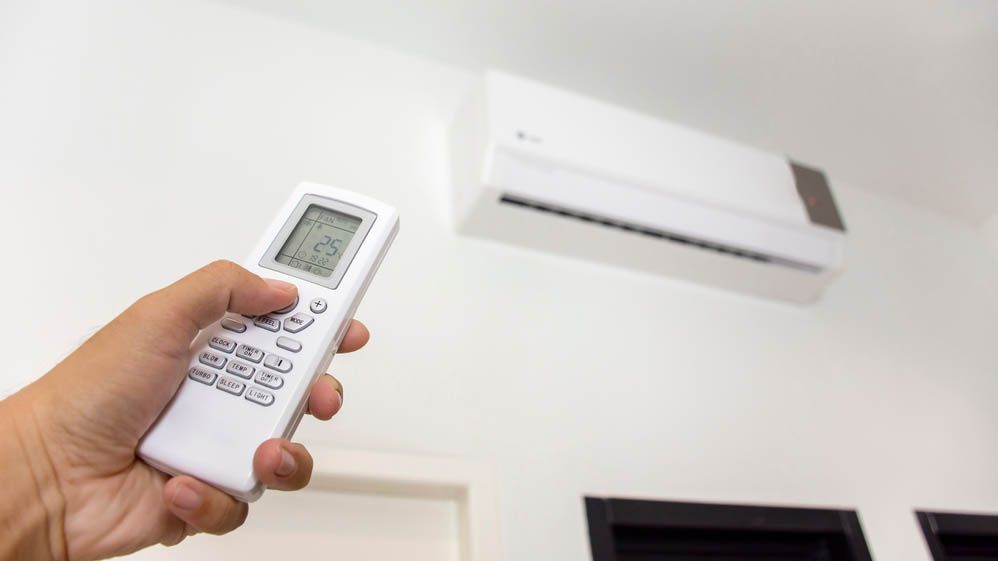
When summer temperatures soar, our first instinct is to go into survival mode. We crank the thermostat down, close off empty rooms, and block vents to force cool air where we want it. It all seems perfectly logical. Except, it's doing the exact opposite.
Many of our most common cooling habits are actually working against our HVAC systems. Instead of saving money, these good intentions are secretly driving up energy consumption and putting brutal, unnecessary strain on your equipment.
If your electric bills are higher than expected, you might be accidentally sabotaging your own comfort. Here are three common AC mistakes you're probably making right now, and exactly how to fix them.
1. Setting your thermostat too low won't cool faster
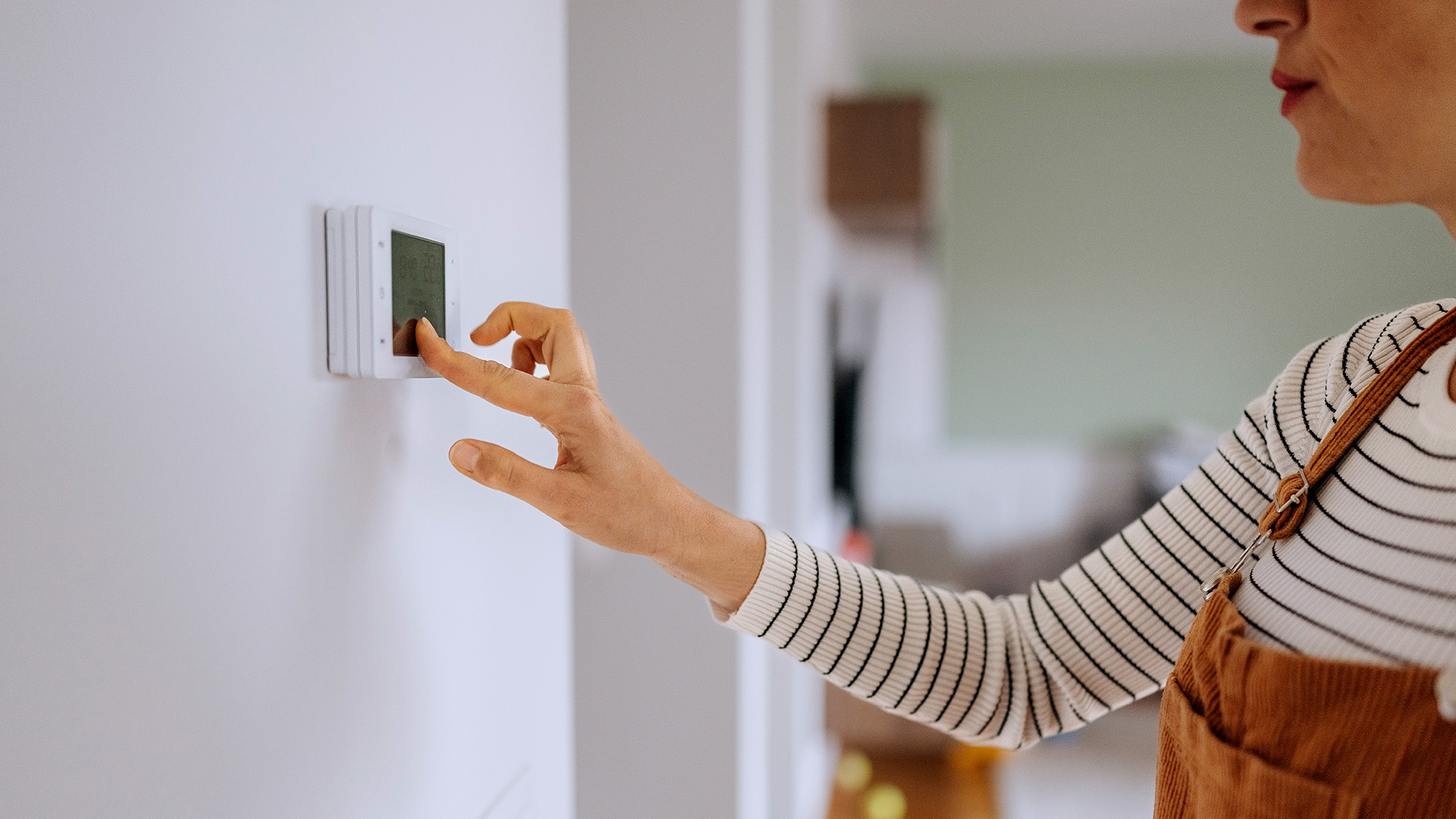
The biggest AC mistake is lowering your thermostat to the coldest setting, assuming it will cool your home quicker. This misconception costs money without providing any benefit.
Air conditioners operate at a constant cooling rate regardless of thermostat setting. Cranking the temperature down just forces your system to run longer and harder, consuming more energy while your home reaches the same temperature it would at a more reasonable setting.
Instead of chasing the lowest possible temperature, set your thermostat 3-5 degrees higher than you think you want. Pair this with ceiling fans to circulate air, which creates the sensation of cooler temperatures without actual temperature change. In fact, the best temperature to set your air conditioner to is around 78 degrees, which seems high, but will net you the best efficiency.
Your system runs less, your energy bill drops, and your home stays comfortable.
2. Neglecting filter maintenance forces your system to overwork
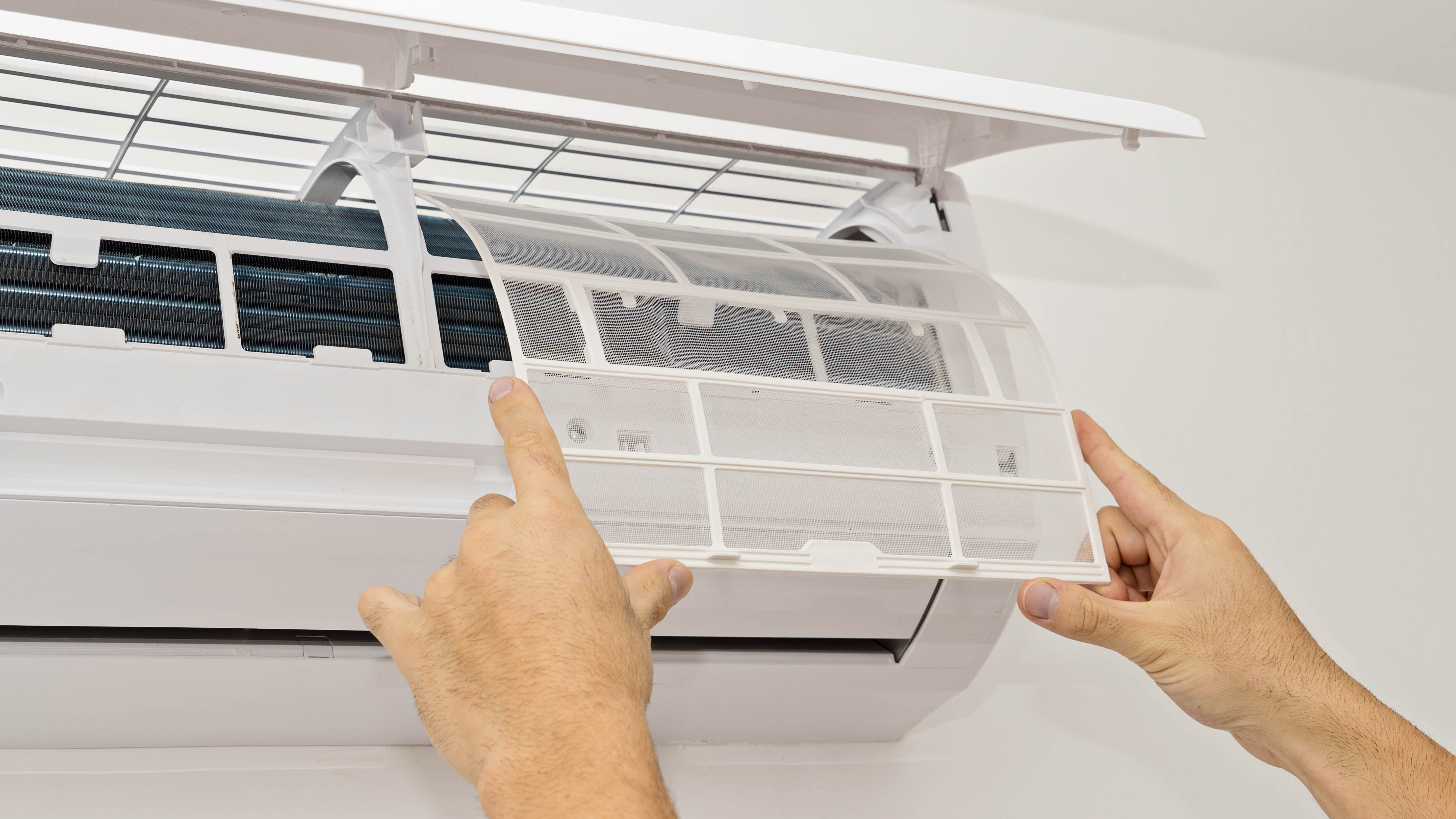
Clogged AC filters are invisible saboteurs. Most people forget about them entirely because they're out of sight inside the system. But a dirty filter restricts airflow dramatically, forcing your AC to work harder to push cool air through your home. This increased strain drives up energy consumption and accelerates wear on components.
Check your filters monthly during summer and replace them every three months minimum. During extreme heat waves when your AC runs nonstop, check filters every two weeks because they clog faster under heavy use.
This single maintenance task costs $15-30 per filter but prevents expensive repairs and keeps energy consumption reasonable. A clean filter is the cheapest insurance against both high bills and system failure.
3. Closing vents and doors disrupts your entire system
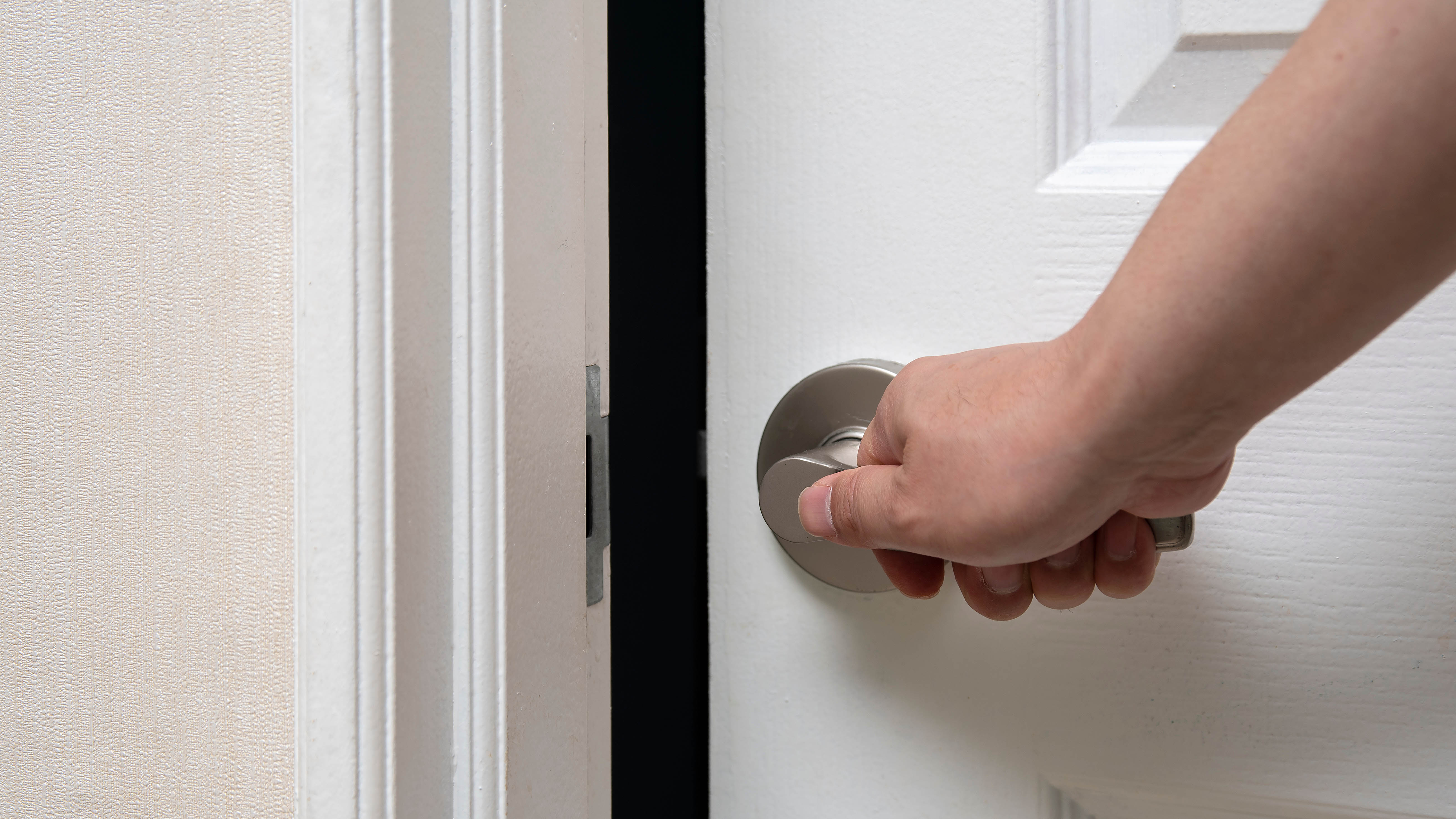
Closing doors to unused rooms or blocking vents seems like an obvious way to conserve energy by concentrating cool air where you need it. In reality, it undermines how your HVAC system operates.
Your ductwork and system are designed to distribute air throughout your entire home. Blocking vents creates pressure imbalances in the ductwork, forces your system to work harder, and can cause leaks or damage that reduce efficiency.
Leave all interior doors open and vents unblocked. If you want to control temperature in specific zones, use a programmable or smart thermostat that manages heating and cooling more intelligently than manual blocking ever could.
Modern thermostats can learn your preferences and adjust automatically, providing comfort without the system strain that comes from blocking airflow.

More from Tom's Guide
This is a preview from the original publisher. Continue reading at the source:
Read Full Article on tomsguide.com →