

Homeowners urged to stop making these 3 mistakes when getting rid of ants (they’ll just keep coming back)
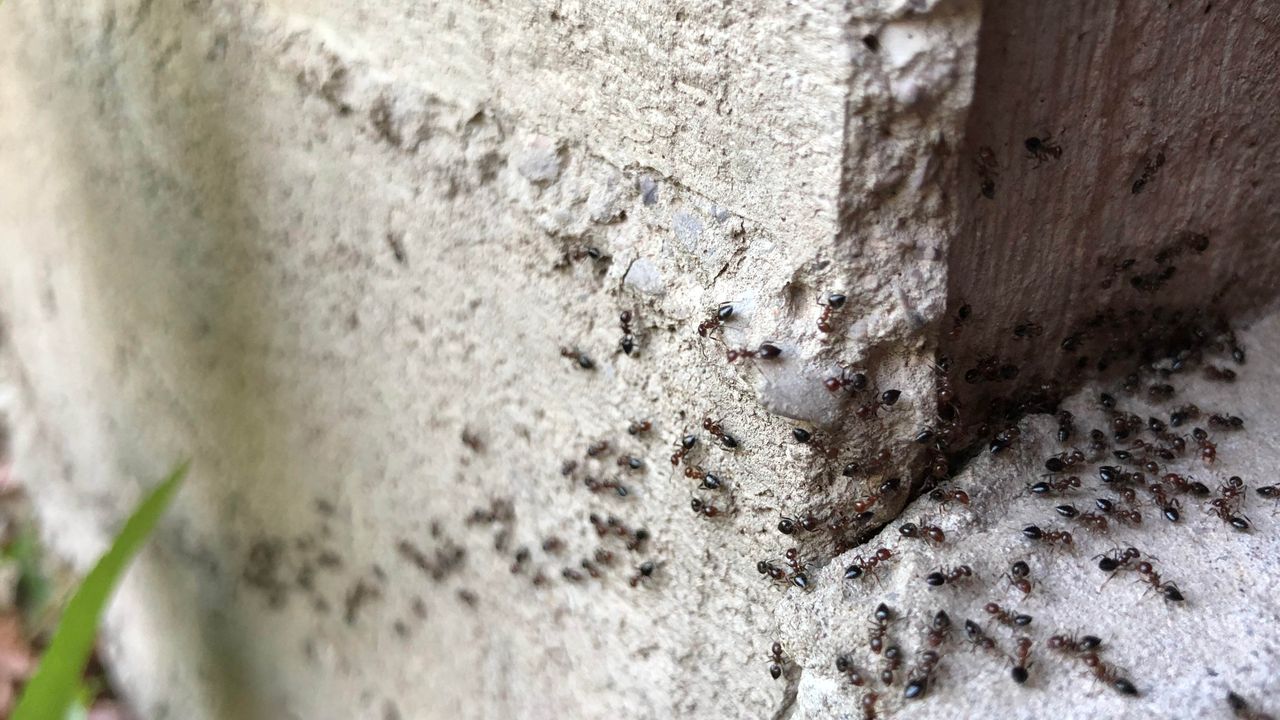
When a heatwave hits, we take cover from the scorching sun and become less active to stay cool. But for one tiny insect, a rise in temperature triggers a massive surge in activity.
In the blazing heat, ants make their way from baking hot soil into our homes to seek refuge, where they can find moisture, shade and food. But while you might be ready to blitz the trail of ants with a spray, it won’t solve the problem, and more will keep coming back.
So, to help put you out of your ant misery this summer, I asked Ed Dolshu, vice president of business development and technical director at Catchmaster, for his expert advice on the common mistakes people make when getting rid of ants, and what to do instead.
1. Act fast: One ant is never just one ant
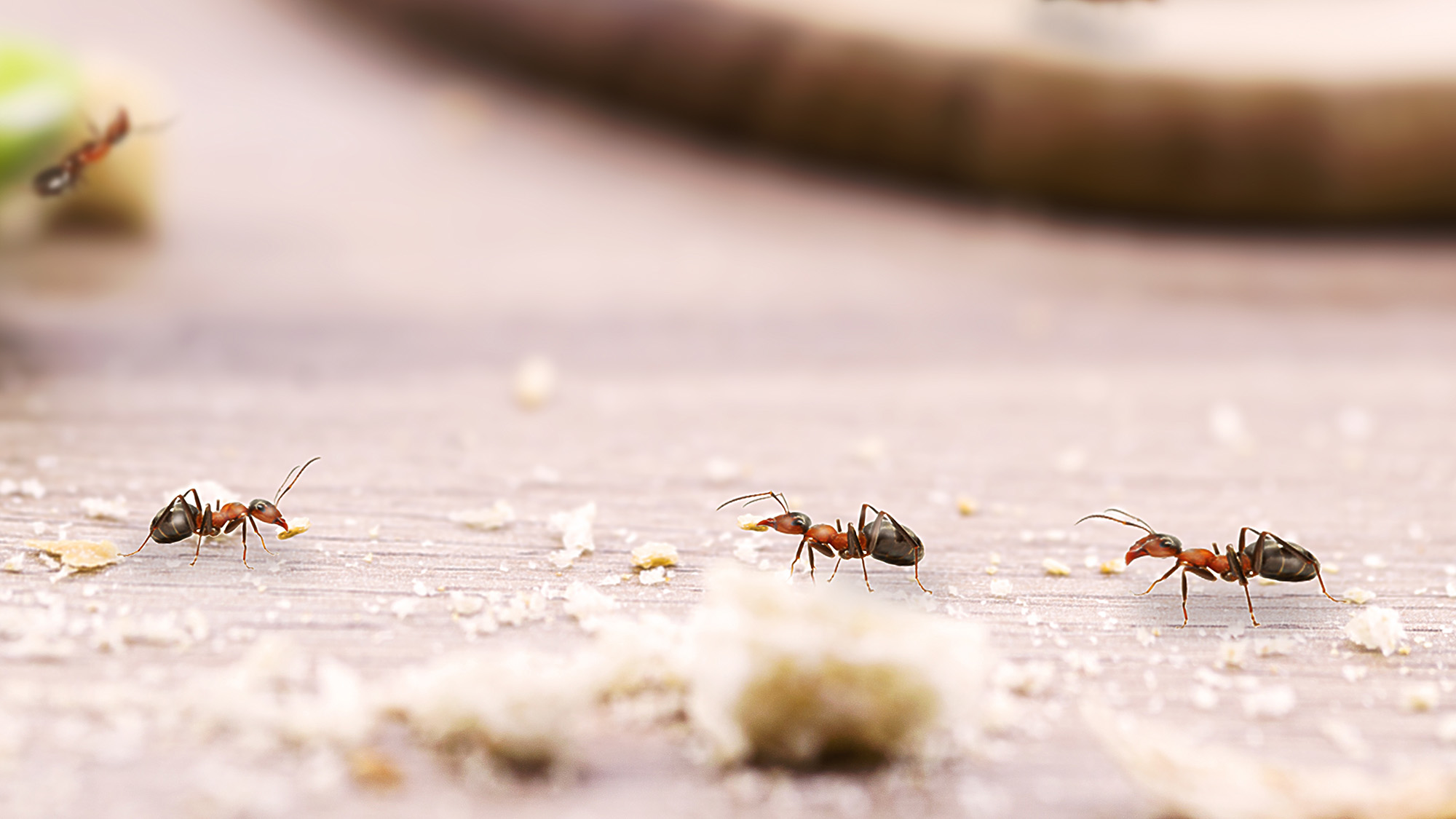
If you spot an ant on your kitchen worktop, or anywhere else in your home, that solo ant is never on its own; it’s a scout. “That single ant is mapping a route to a food or water source and laying down a scent trail for the rest of the colony to follow,” explains Dolshu. “If you kill it and move on, you've bought yourself a day. If you don't address what attracted it, you'll have a trail of workers through that same path very soon.”
This is why early ant activity gets ignored until it becomes a real problem. “People see one or two ants and think it's random. There's a reason they're in that spot, like a crumb behind the toaster, a sticky spill under the fridge, or a leaky pipe under the sink. Find that, and you cut off the reason they're scouting there in the first place,” says Dolshu.
2. Not watching the ant trail
The normal response when you see an ant is to kill it, but this is not the best approach according to Dolshu. “It may seem like a quick solve,” he says, “but those workers are replaceable. The colony will keep sending more.”
This isn’t the only error that ant spotters make, and he adds that another error is wiping away the trail before you’ve watched it. “Ants follow scent trails, and that trail is telling you where they're coming from and where they're going.”
With this knowledge, he advises, “Watch it for a minute before you do anything. They’ll lead you toward the entry point or the food source. That's the information you want.”
Once you’ve got a sense of where they’re moving, he says you can wipe the trail down with diluted white vinegar or soapy water, which will break up the scent trail.
However, if they keep coming back, it means the colony is still active, with Dolshu, adding, “Surface treatment just resets the clock. You have to get to the source.”
3. Hitting the wrong target
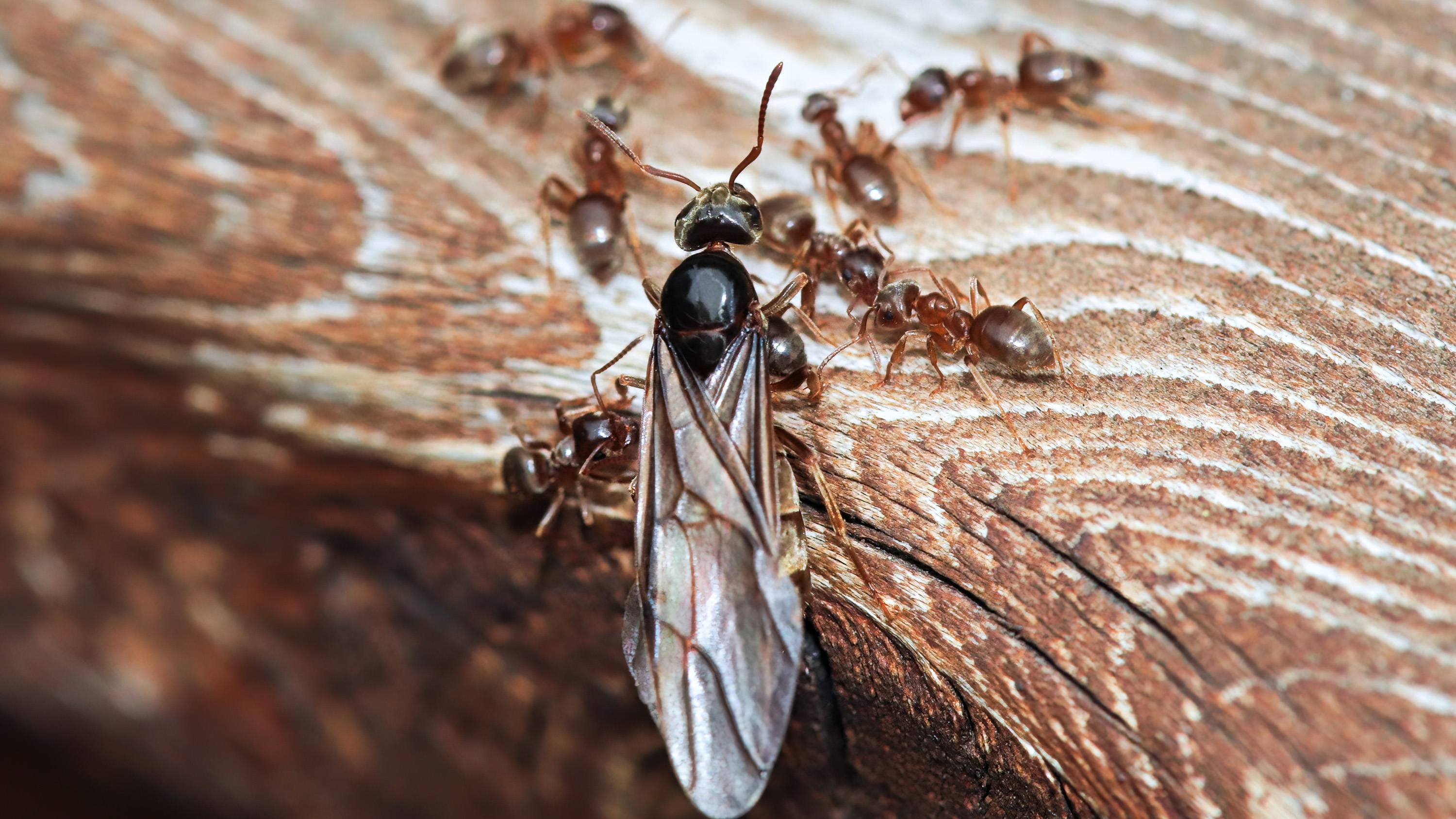
By just treating the trail, Dolshu says, “You haven’t solved the problem; you’ve just interrupted it,” and he adds, “Most treatments hit the worker ants. Workers are replaceable. As long as the queen is alive and the colony is intact, she will keep producing. The nest just replaces whatever you removed.”
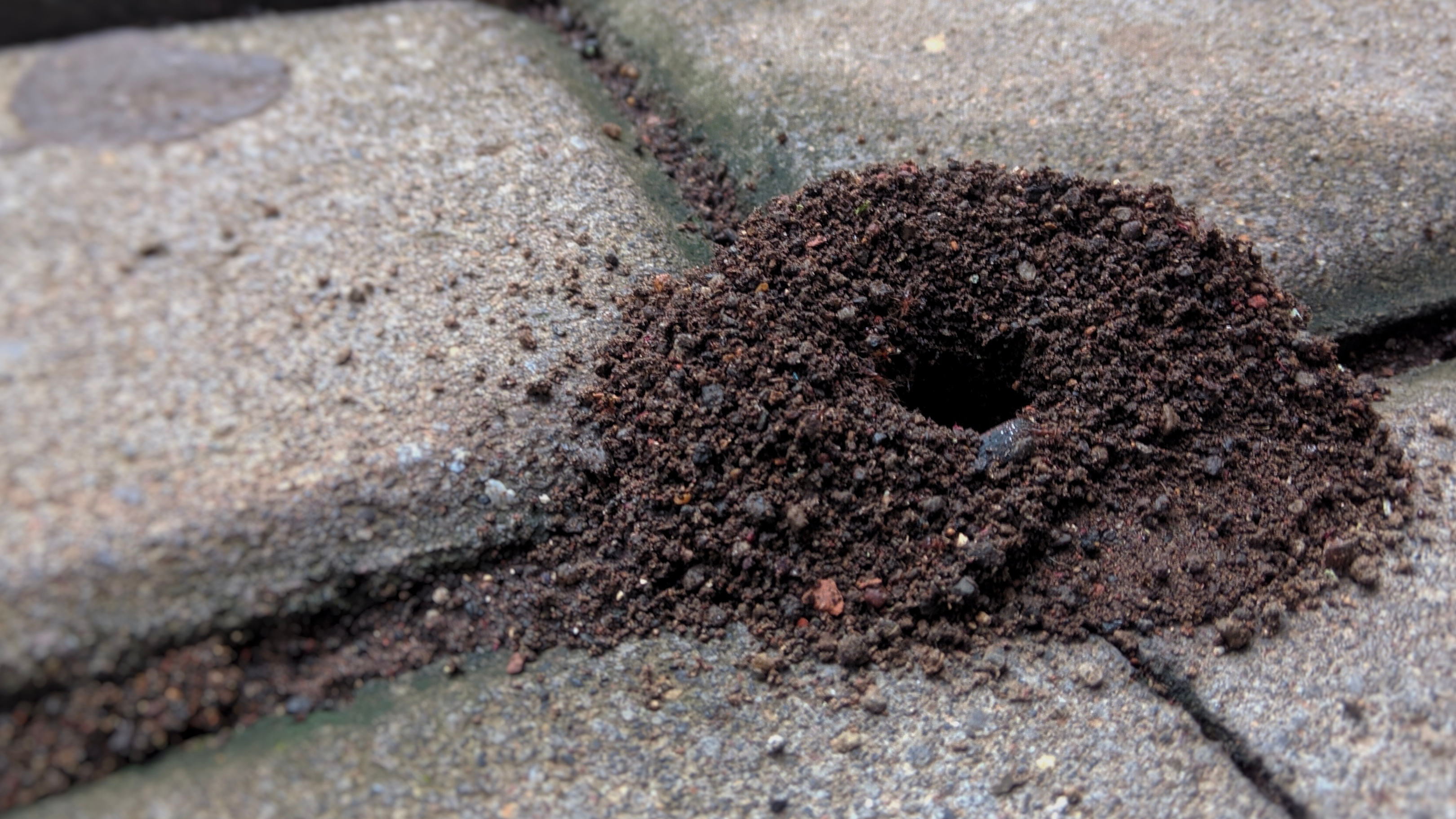
So instead of getting rid of the problem, it’s just repeating itself. And he says the same applies when treating ant mounds. “f you pour hot water on the mound or knock it down, the workers will clear the tunnels and rebuild. It looks like progress, but it isn't. The colony is still working underground.”
The only way to stop ants from coming back is to collapse the colony, with Dolshu saying, “That means getting something into the nest that reaches the queen.”
Dolshu recommends using a liquid ant bait that the workers carry back into the colony to take out the queen. “You’re using their own behavior against them. Once the queen goes, the colony goes.”
Can ants make you sick?
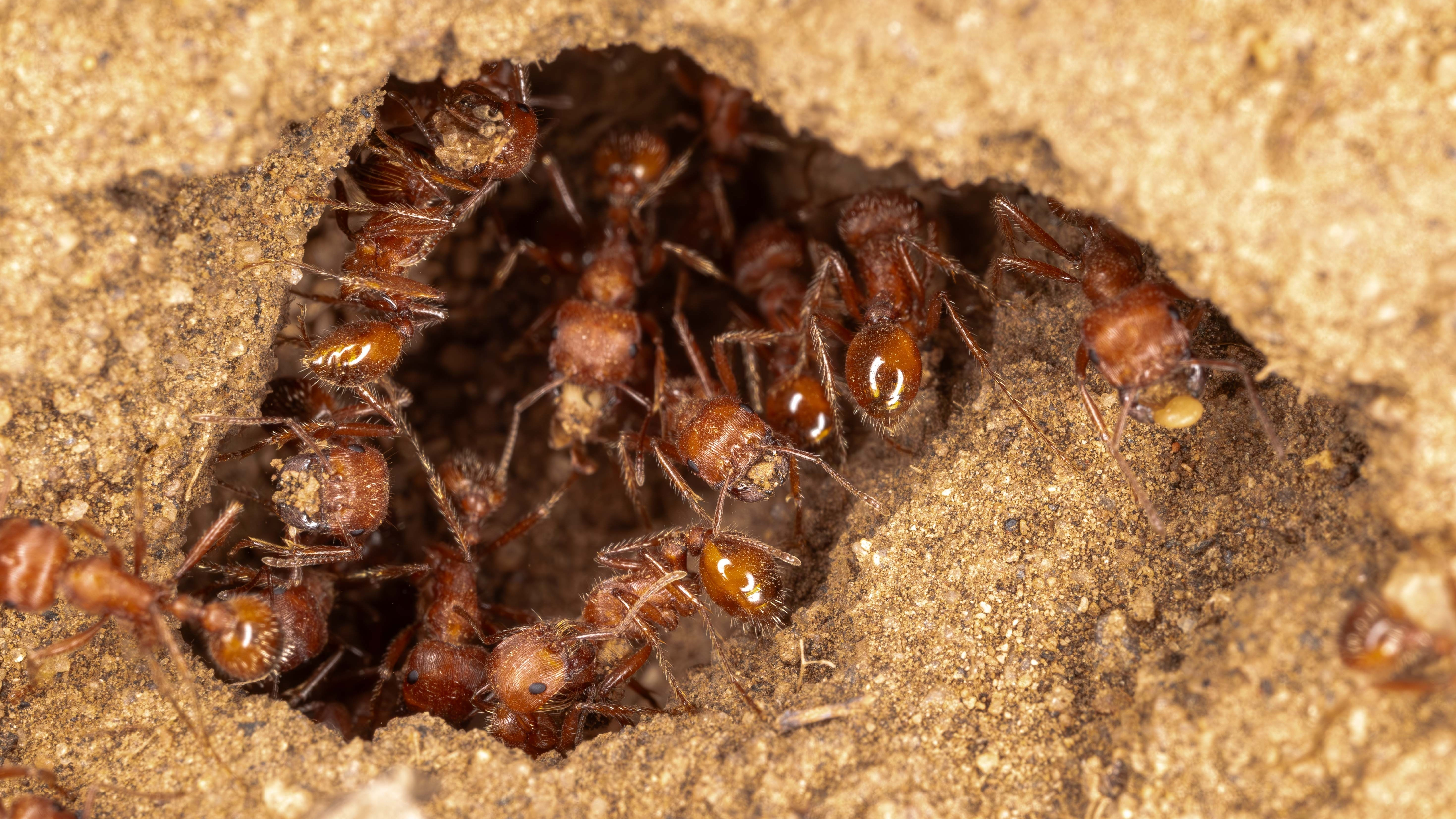
For most people, ants aren't a serious health threat. But that doesn’t mean they're harmless in your food. “The real issue is where they've been before they got to your kitchen. Ants travel across drains, garbage, outdoor surfaces, and animal waste. They're picking up bacteria along the way and can be spreading that into your food,” he explains.
With common household ants, the contamination risk is the main concern.”, but he says fire ants are a different problem. “They sting, and for people with allergies that can be a real medical situation."
Natural solutions to deter ants
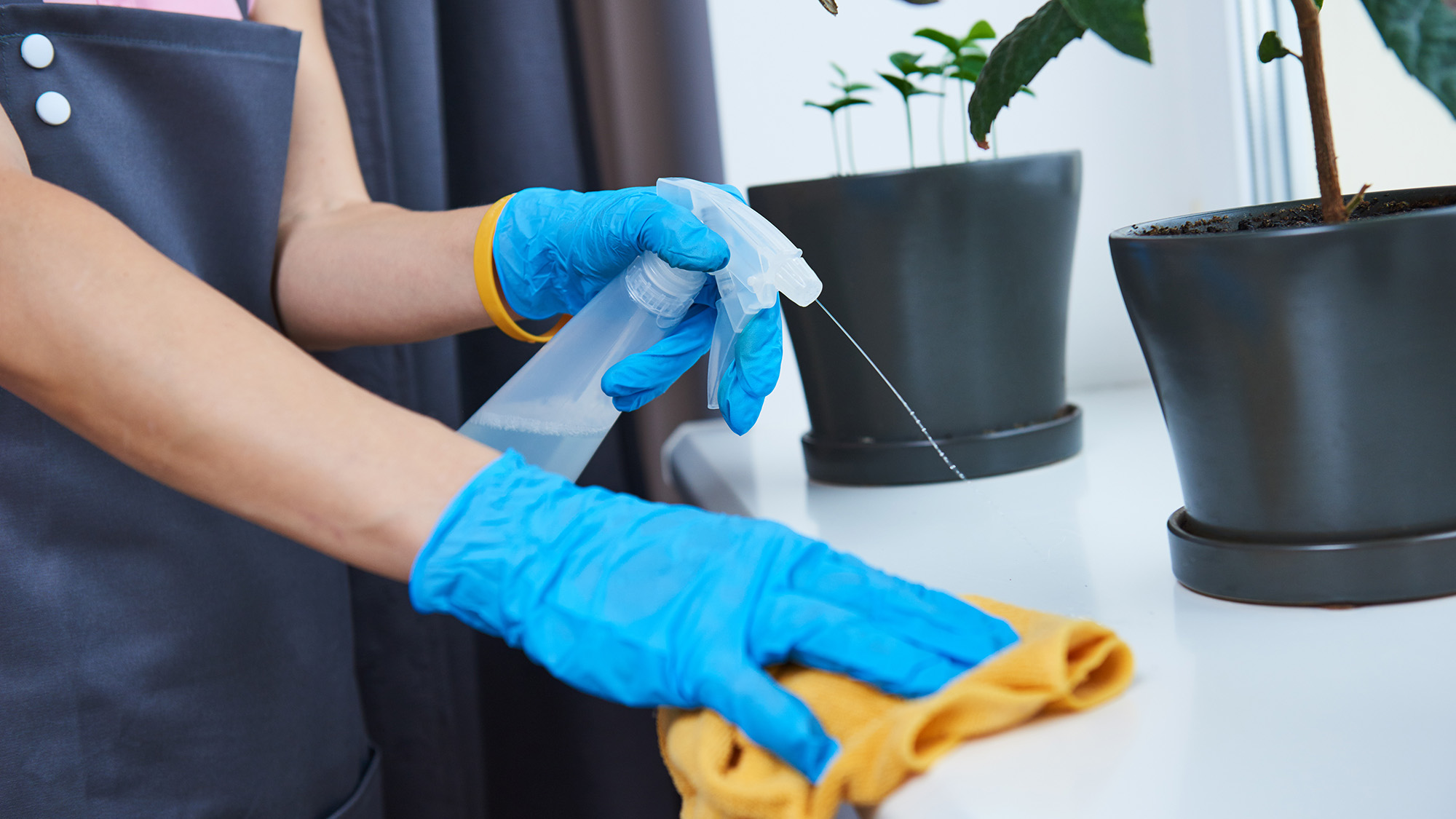
If you don’t want to use a solution to kill ants, there are natural alternatives to deter them. Dolshu explains that wiping with diluted white vinegar or soapy water along ant trails, door thresholds, and entry points is useful because it disrupts the scent trail they follow. But although you’re breaking the chemical signal, he says it’s not a long-term solution on its own.
Removing attractants will help too. “Seal food, rinse recycling, clean up grill grease, don’t leave pet food sitting out. Ants are in your kitchen because there's a reason to be there. Take away the food, water or shelter source, and scouts will stop reporting back,” he explains.
Moving outside, he suggests using diatomaceous earth, but adds it can only be used as a barrier and will need to be reapplied after rain.
Natural solutions to avoid
There are other natural methods that Dolshu says are worth avoiding, such as pouring boiling water on mounds, essential oils and strongly scented sprays. “The boiling water rarely reaches the queen, it just damages whatever surface you’re pouring it on. The scent-based stuff might move a few ants temporarily, but it's not a control strategy,” he says.
And he adds that natural methods help most when the infestation is light. “If ants keep coming back after you've cleaned up attractants and wiped down entry points, the colony is still active and you need something that gets to the source.”
When is it time to call in a pro?
Dolshu suggests asking yourself what kind of ants are you dealing with, how widespread is the problem, and is there a structural or health risk involved?
“If you can't find the source, you can't solve the problem, you're just managing symptoms,” he says. In this scenario is suggests calling in a pest professional.
He also adds that if there are multiple mounds in your yard, heavy activity in multiple rooms, or ants keep returning to the same spot after you’ve used a bait, they are signals that the colony is larger or more established than a DIY approach can handle.
And he warns to be quick if you spot carpenter ants, as they tunnel into wood, and that damage adds up quietly before most people notice it.
“For most common household ants, a targeted bait used correctly gives you a real shot at collapsing the colony yourself. But if you've done that and they're still coming back, stop guessing and call someone.”
Cleaning essentials we love


More from Tom's Guide
This is a preview from the original publisher. Continue reading at the source:
Read Full Article on tomsguide.com →