

Ruark Audio Sabre-R review: Bookshelf speakers for grown-ups
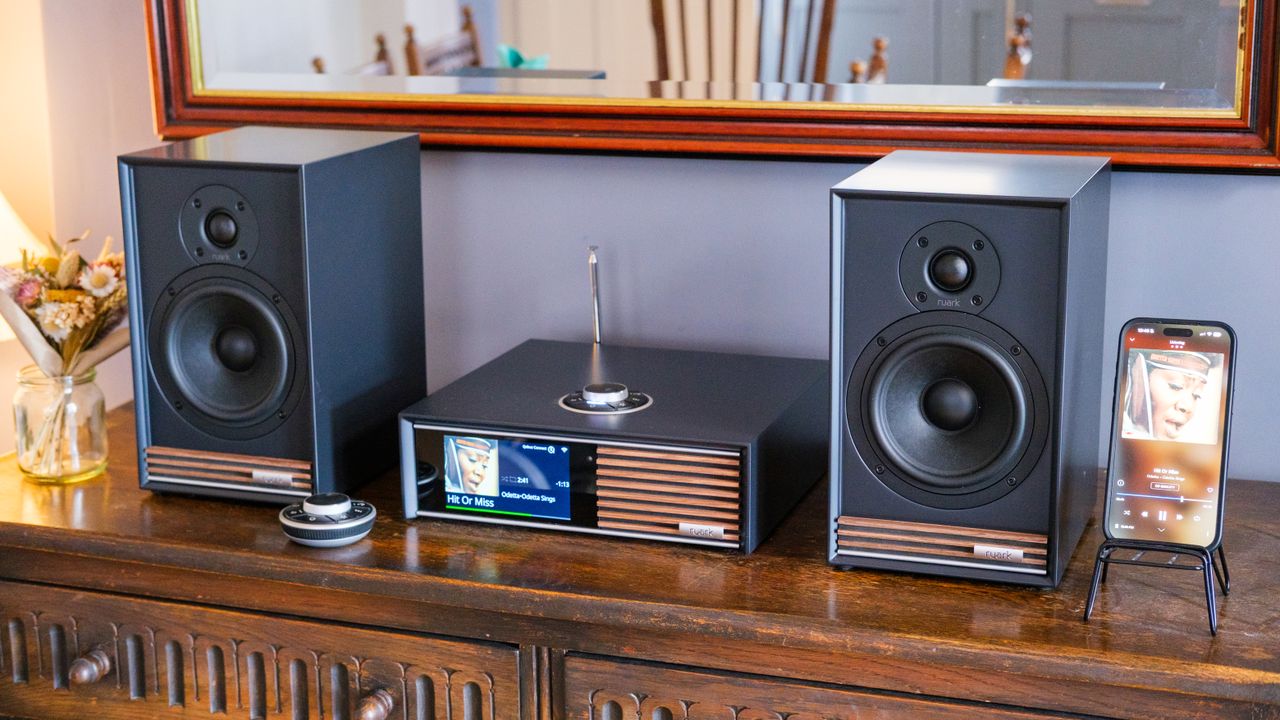
The Sabre-R are a set of mid-range bookshelf speakers from family-owned British manufacturer Ruark Audio. In time-honored British fashion, Ruark started life in a leafy English suburb, with a middle-aged man (in this case, Brian O’Rourke) hand-making his own speakers in a shed.
Now owned by Brian’s son, Alan, the ethos at Ruark is (as it has been since the shed days) to make audio gear that the staff would want to use and own themselves. Products have to sound and look the part.
And that sums up the Sabre-R speakers perfectly. They combine excellent fidelity with Ruark’s typical understated elegance. There’s one major shortcoming, which is a lack of raw bass power in the very low range. But if you’re after a compact set of high-end speakers for your lounge, kitchen, turntable or whatever, these are worth serious consideration.
Find out more in my full Ruark Audio Sabre-R review.
Ruark Audio Sabre-R review: Specs
|
Price |
|
|
Speakers |
1.1-inch dome tweeter + 5-inch woofer |
|
Frequency response |
45Hz - 22kHz |
|
Impedance |
6 Ohm |
|
Connectivity |
Passive, single- / bi-wire |
|
Weight (per speaker) |
11lbs |
|
Dimensions (per speaker) |
11.4 x 6.9 x 8.5 inches |
|
Colors |
Walnut; Charcoal |
Ruark Audio Sabre-R review: Price & availability
The Ruark Sabre-R desktop speakers are available in charcoal or walnut colors and cost $999 direct from Ruark, as well as from specialist hi-fi retailers across the country. Ruark is still working on distributing its products more widely in the U.S., although you can find some of its range (not these) at Nordstrom.
In the U.K., where the brand is better established, the Sabre-R are much easier to find. You can snag a pair at Richer Sounds, Sevenoaks, John Lewis, or from Ruark itself for £699.
This obviously makes the Sabre-R a considered purchase, rather than an impulse one. They’re pricey, but premium hi-fi gear always is. And besides, in the wider context of high-end audio gear, which can happily reach into five- and six-digit price tags, $999 is still a fairly tame price.
If you’re on a tight budget, though, check out the Edifier R1280T, which pack decent performance for under $200. For a little more, the $499 Edifier S880DB MKII offer ‘premium-brand-worthy’ sound; while the Kanto Ora Ren cost $699 and offer plentiful bass performance.
Ruark Audio Sabre-R review: Design
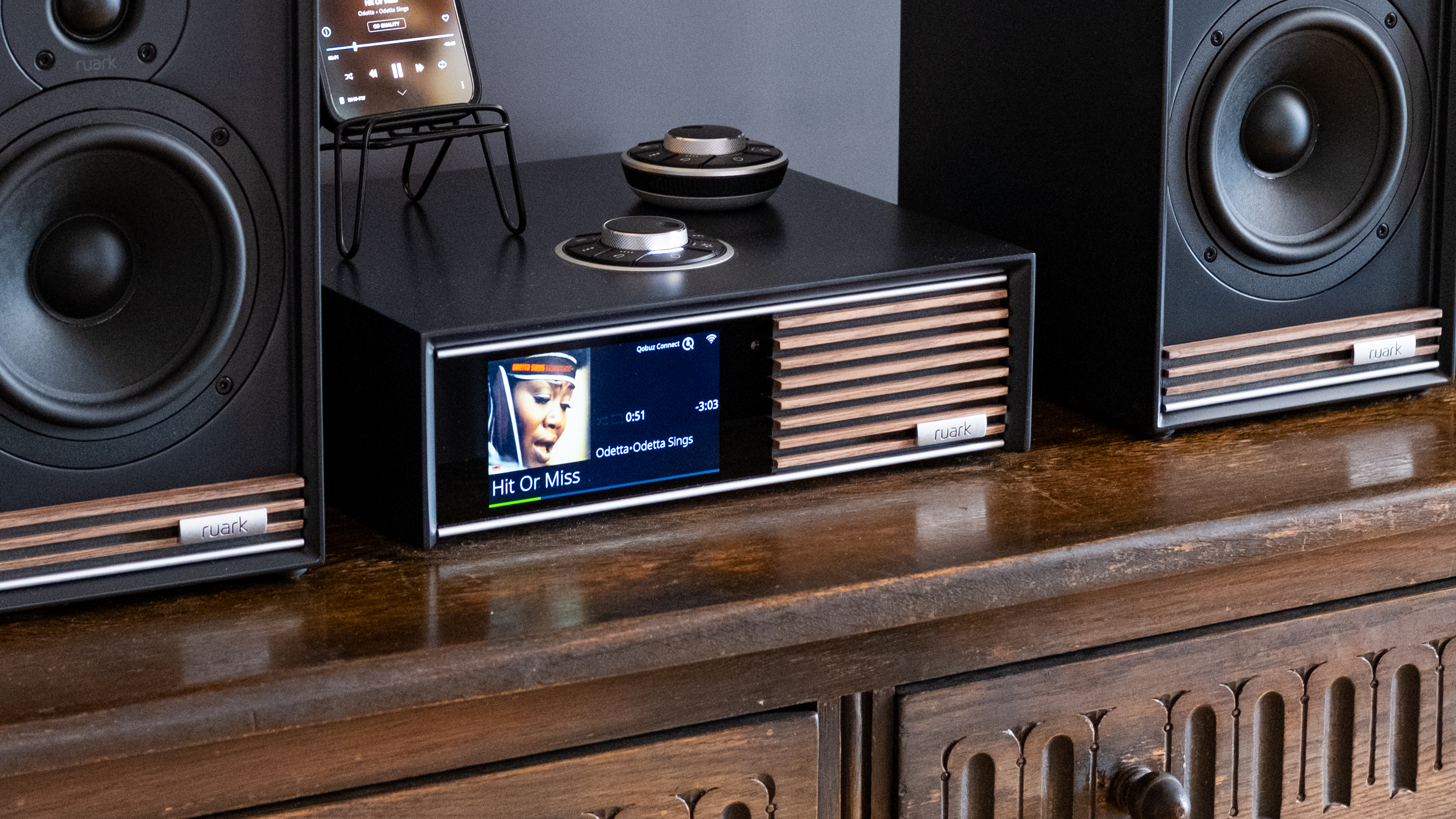
The Sabre-R are, in my opinion, absolutely stunning. As you can imagine given my job, I bring home a lot of tech. While my house is generally cluttered with all kinds of gizmos and gadgets, very little passes the bar to get into our lounge. But the Sabre-R sailed straight through, with a gleeful “what are those?!” from my wife.
That’s down to the Sabre-R’s typical Ruark elegance. Clean lines, high-quality materials, dark wood finishes. It’s timeless. These are speakers you want in your home — an accessory to any grown-up’s decor. They’re available in either walnut or charcoal variants. I have the charcoal model, which I prefer — they look a little sleeker and more understated, yet you still get a dash of that premium-feeling wood finish on the lower cabinet frontage.
As bookshelf speakers, the Sabre-Rs are fairly compact, measuring 11.4 x 6.9 x 8.5 inches. However, you obviously need to factor in an amplifier (ideally the Ruark R610 music console, which the Sabre-Rs are intended to be paired with) and its power cables, plus speaker cables. The result of all that was everything looking a little messy on my actual bookshelf. Instead, I first stuck them on my lounge TV stand, before moving them to my kitchen/dining room sideboard — I tend to spend more time in the kitchen, and that’s where we tend to host people, so this was the ideal spot for maximum usage.
Connectivity
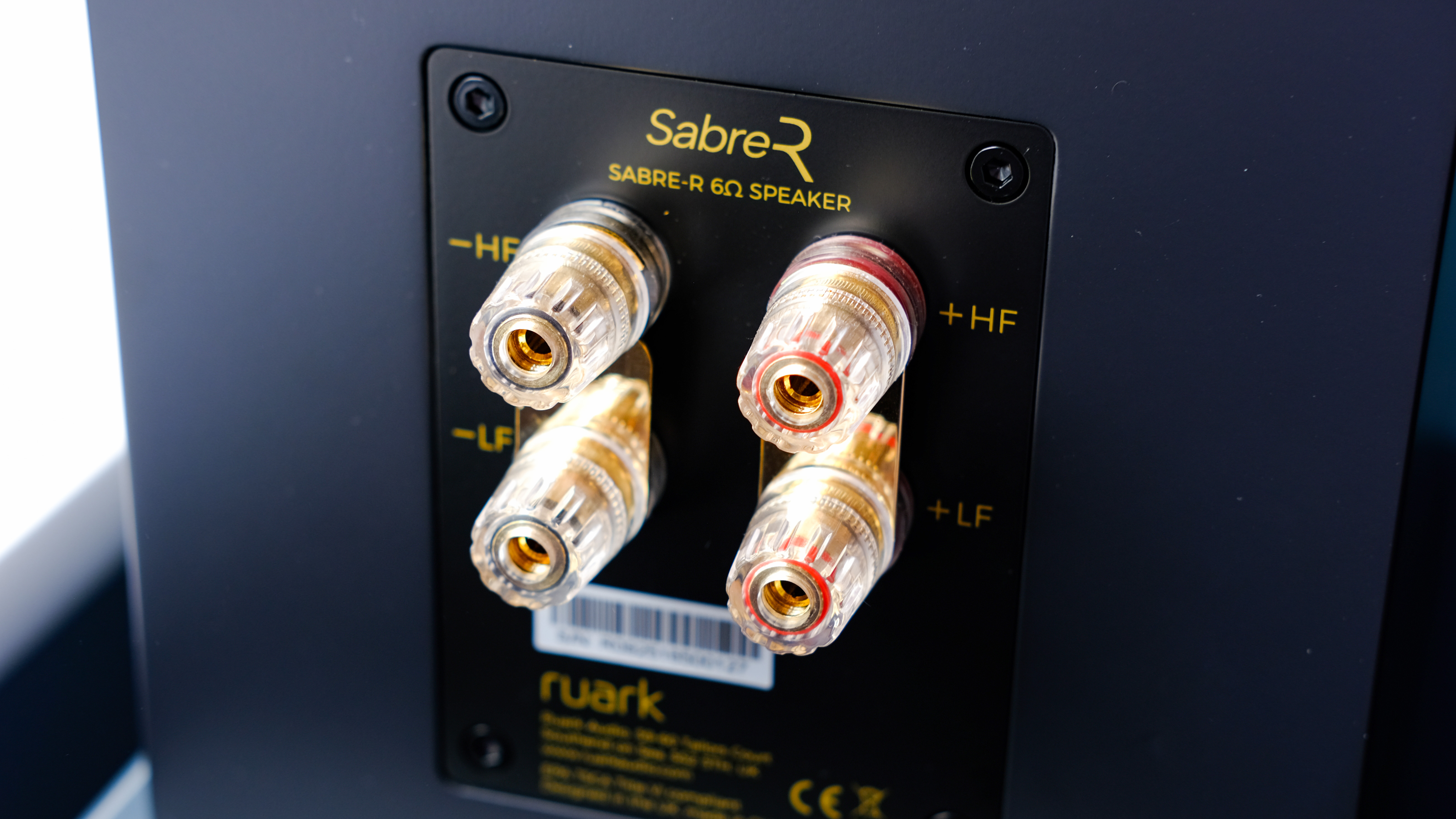
There isn’t much to say about the Sabre-R connectivity-wise. These are passive speakers so it’s fairly straightforward. You’ve got a set of binding posts on each speaker, with sockets for single-wire connection and removable bridges for bi-wire.
Ruark Audio Sabre-R review: Sound quality
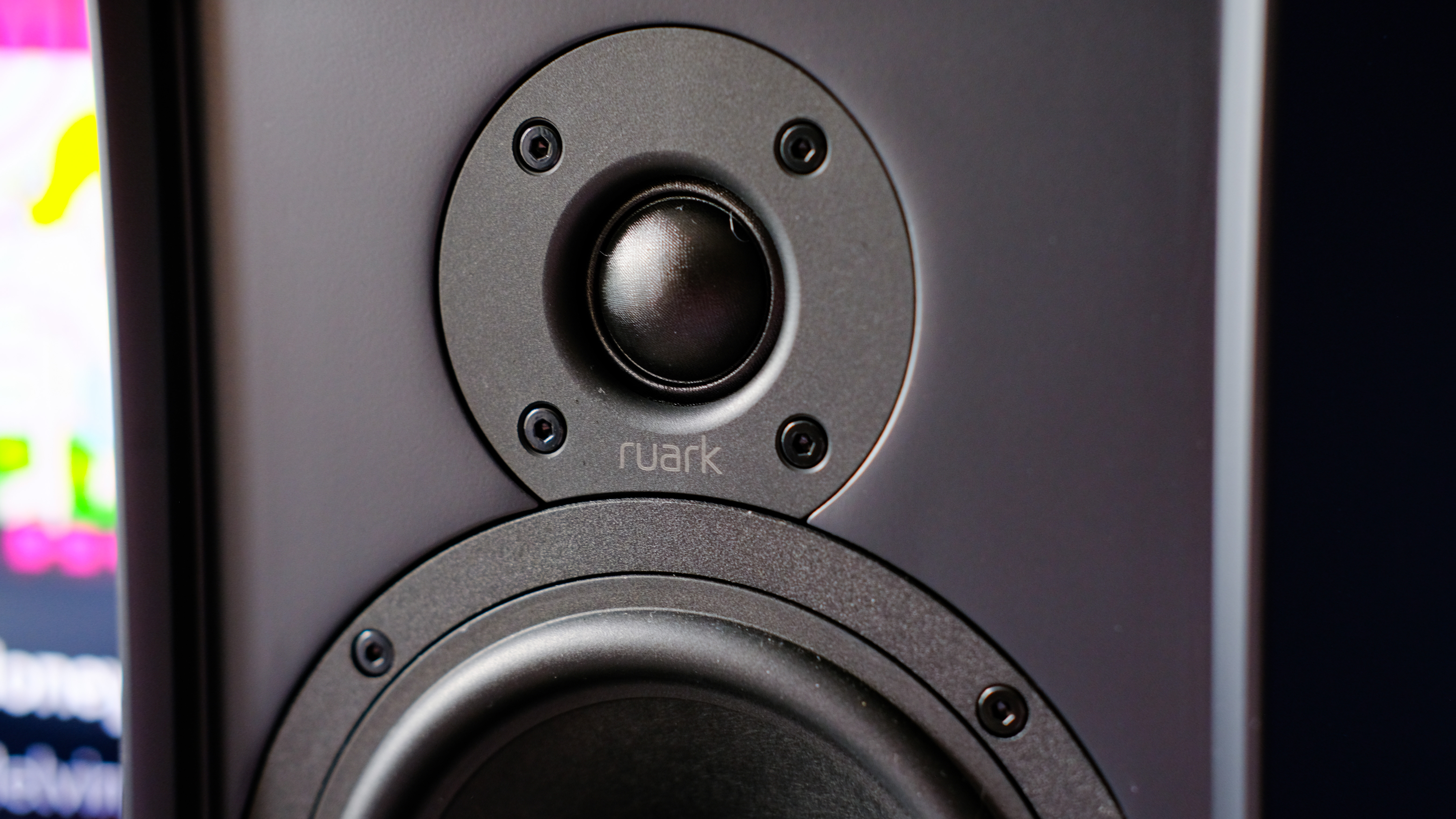
The Ruark Sabre-R’s sound quality is, for the most part, excellent. During testing, I streamed some music at CD quality via AirPlay using my Denon AVR-X4800H. However, I mostly streamed in hi-res via the Ruark R610 music console and Qobuz Connect.
The Sabre-R offer a typically warm, hi-fi profile, with deftly controlled bass — it’s everywhere you want it, nowhere you don’t. In electronica, where one wants lots of bass, it’s there: the dense, pulsating bassline of Burn Water’s Ikigai sounded gloriously thick, with plenty of power and no distortion. Yet the live-recorded basslines in folk, blues, rock etc, never felt overwhelming or boomy — Odetta’s Hit or Miss being a prime example.
The only issue I had in the low end was a lack of extension in the sub-bass region, as the Sabre-R's frequency response bottoms out at 45Hz. It’s not a problem for most songs, but makes a difference in those tracks where you’re supposed to feel something as well as hear it. Through the right speakers, for instance, the last 20 seconds of SOHN’s Antigravity are experienced more in the solar plexus than through the ear canals. I had to crank the Sabre-Rs up nearly to their max to get anywhere close, but that came with a shedload of distortion.
I’ve read that the Sabre-R’s very low end response improves over time as the drivers wear in. However, if you want that raw low down oomph straight outta the box, I’d be looking to the Cambridge Audio L/R X instead, which cover down to 35Hz and have a downfiring second woofer for plenty of addictive subbiness.
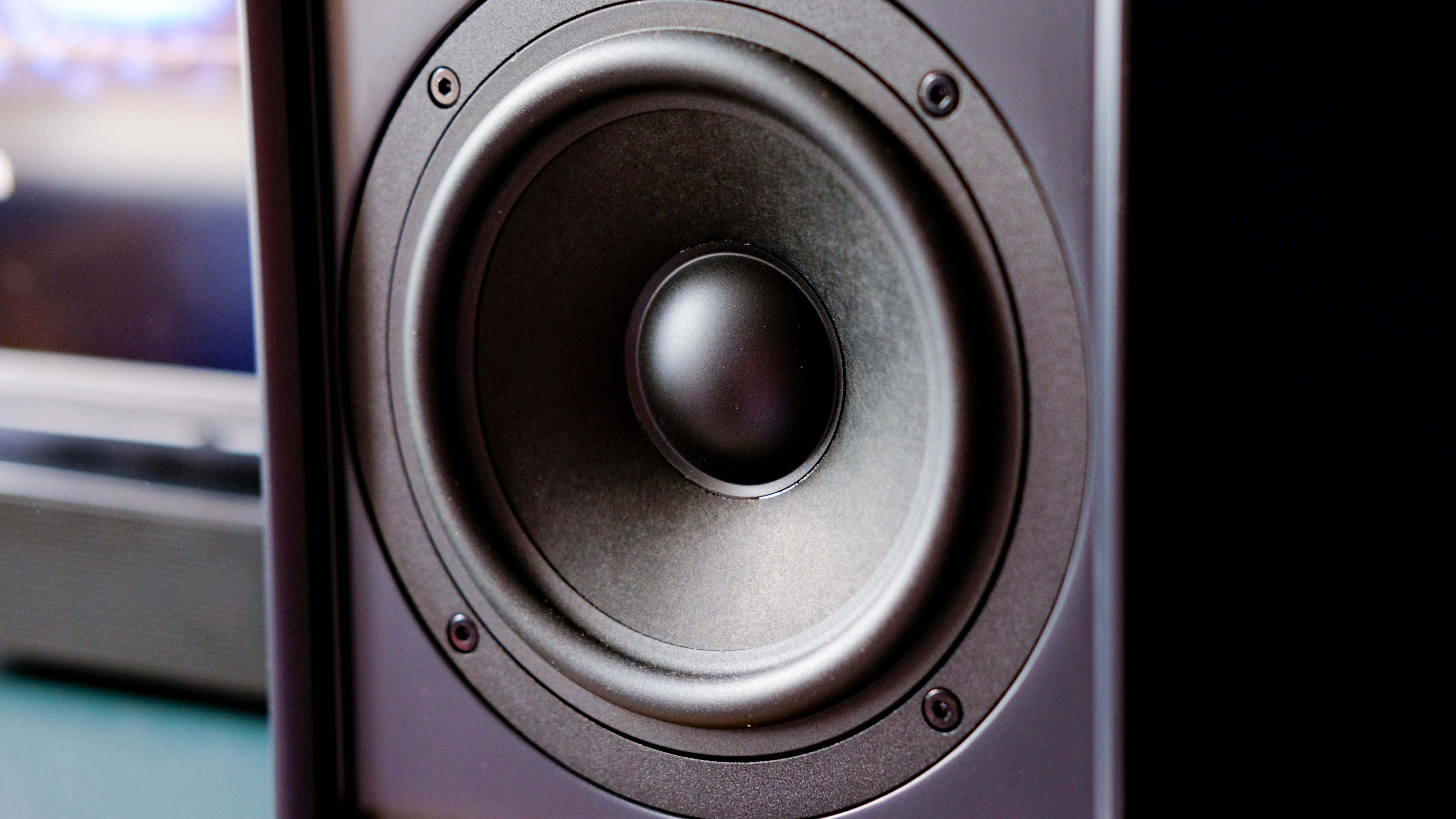
But anyway, back to the good stuff. Mids are energetic and textured on the Sabre-Rs, while treble is expansive and clean. The result is especially lively, immediate-sounding vocals, whatever the genre, whatever the timbre. Even in busier productions, like The Who’s Eminence Front, or with softer, breathier voices like Phoebe Bridgers’ in Kyoto, vocals were given the space and prominence they needed. Obviously, this is a boon for powerful voices too: John Fogerty’s righteous (and essentially shouted) indignance in CCR’s Fortunate Son; Phil Collins’ gleeful post-breakup gloating in I Don’t Wanna Know; Chris Stapleton’s reverbed, melancholic wails in Death Row. I’m not usually a vocals man, but I damn well became one with the Sabre-Rs.
Guitars sound fantastic, too, and there’s plenty of instrument separation, again thanks to that well-defined mid range. Melvins’ Honey Bucket and Metallica’s Seek & Destroy both use simultaneous distorted riffs, which I could tell apart from one another with ease. Detail never feels lost, either, thanks to that expansive treble. I could hear the softest percussion in Mk.Gee’s Dream Police, and the gentle, ethereal backing vocals in Burn Water's Ikigai.
Ruark Audio Sabre-R review: Verdict
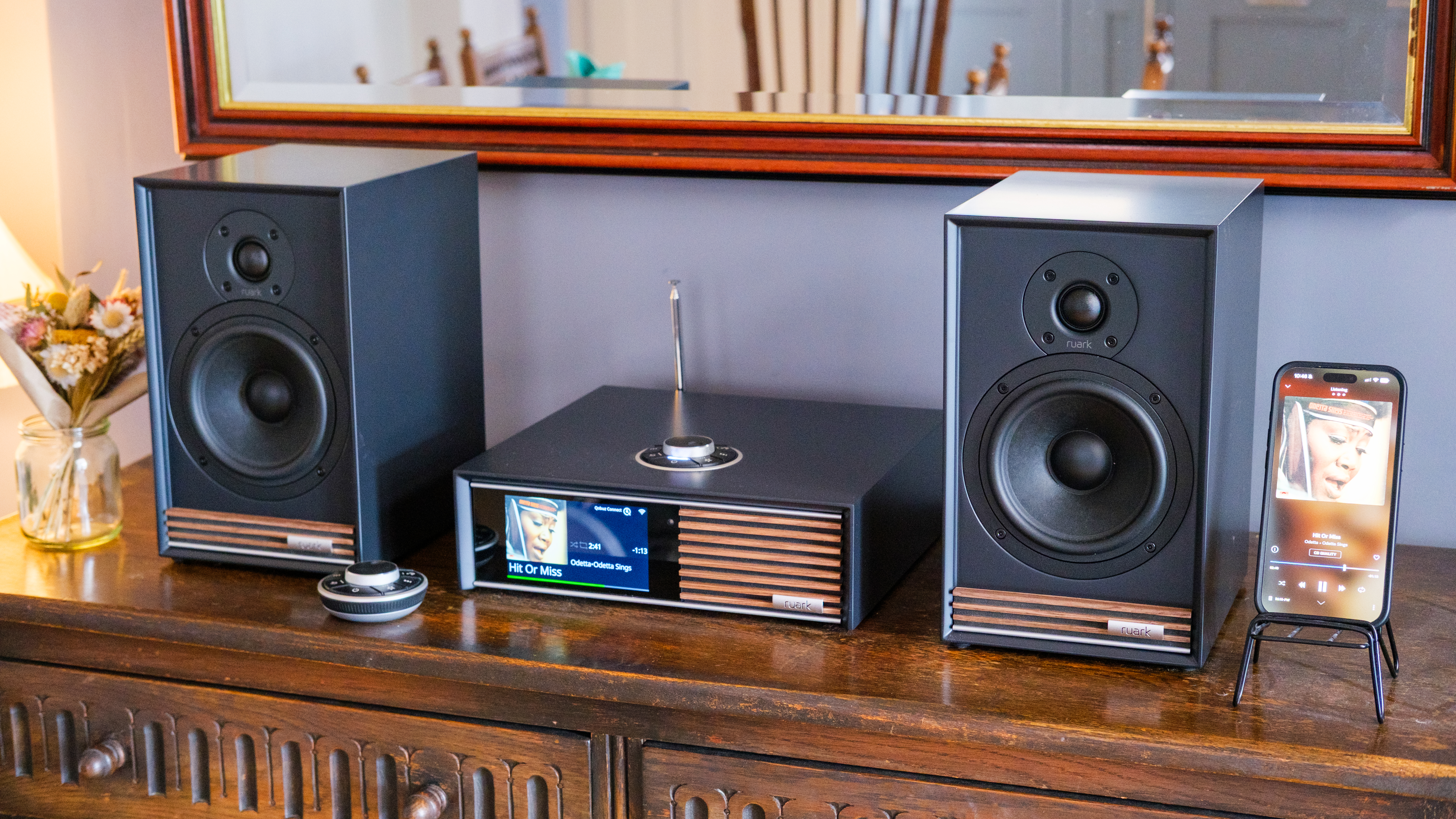
All in all, if you’re looking for a set of speakers that’ll do everything, from detailed high fidelity listening through to room-filling bass at parties, the Sabre-Rs probably ain’t it — they just lack that pure sub-bass power. Again, I’d spend a little more on the Cambridge L/R X, or drop similar money into the Kanto TUK + Sub 6V — both will get that raw, room-filling subbiness that vibrates up through your body.
The Sabre-Rs aren’t really supposed to be that, though. They’re a little more refined than that — a little more mature, if I may be so bold. If you don’t care about shaking windows and just want a set of speakers for relaxed detail listening, with that smooth hi-fi sound but no overpowering low end, well, these are for you. They’re perfect for kicking back in your lounge chair on a Sunday afternoon to some laidback vinyl playback, or soundtracking small gatherings with audio-appreciative friends. And man, they’re pretty.
This is a preview from the original publisher. Continue reading at the source:
Read Full Article on tomsguide.com →