

The Roku Select Series tries to offer big-screen thrills for under $400, but it doesn’t quite deliver
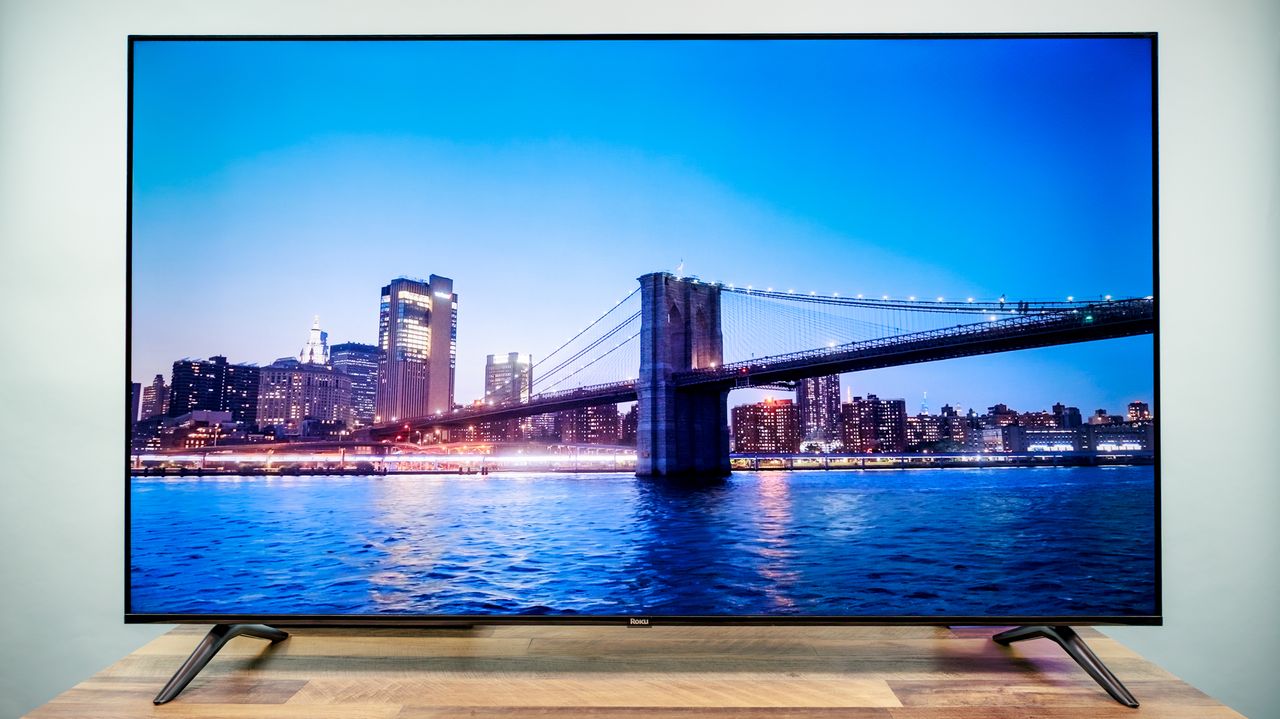
Price: $399
Screen size: 65-inch (64.5-inch diagonal)
Resolution: 3,840 x 2,160
HDR: HDR10, HLG (no Dolby Vision)
Refresh rate: 60Hz
Ports: 4 HDMI 2.0 (one with eARC), 1 USB-A, antenna-in, SPDIF optical audio out, Ethernet
Audio: TBD
Smart TV software: Roku OS
Size (without stand): 56.9 x 32.7 x 3.3 inches (W x H x D)
Weight (without stand): 30.2 lbs
I've always loved Roku's straightforward, deliberately simple interface as an alternative to the ever-more-cluttered experiences on other TVs. It’s helped previous models in its TV lineup like the Roku Plus Series to become one of the best budget TVs.
But competition has heated up in this price range, and I don't think the Select Series is keeping up. Poor brightness is the dealbreaker for this TV, with dark and even some light scenes looking muddy or faded. Color is often quite good, and the audio is better than expected, but they can't make up for the often-dim screen.
For around $400, it’s a cheap TV that has a few merits, but if you want a screen with better brightness and color performance for around the same price, check out the TCL QM6K, Hisense QD7 or Vizio Mini-LED Quantum 4K TV instead.
Roku Select Series review: Pricing and availability
Priced at $379 at Best Buy (regularly $449), the 65-inch Roku Select Series 4K QLED (65R5D5) is the upper-middle tier of Roku's three-series TV lineup for 2026. Within the Select Series itself, the 43-inch model uses standard LED rather than QLED (incorporating quantum-dot color technology), while the 50-, 55-, 65-, 75-, and 85-inch sets all upgrade to QLED panels.
Stepping up from Select, Roku's Plus Series ($649 for a 65-inch screen) adds Mini-LED backlighting, Dolby Vision and Dolby Atmos for more faithful video and audio play, Wi-Fi 6 (the latest standard), and an enhanced voice remote. Plus models from 2025 have fallen considerably, with last year's 65-inch Plus model selling for under $500 on Amazon. The flagship Pro Series is the only Roku-made line with a 120Hz refresh rate, currently around $899 in 65-inch trim.
Roku Select Series review: Design and ports
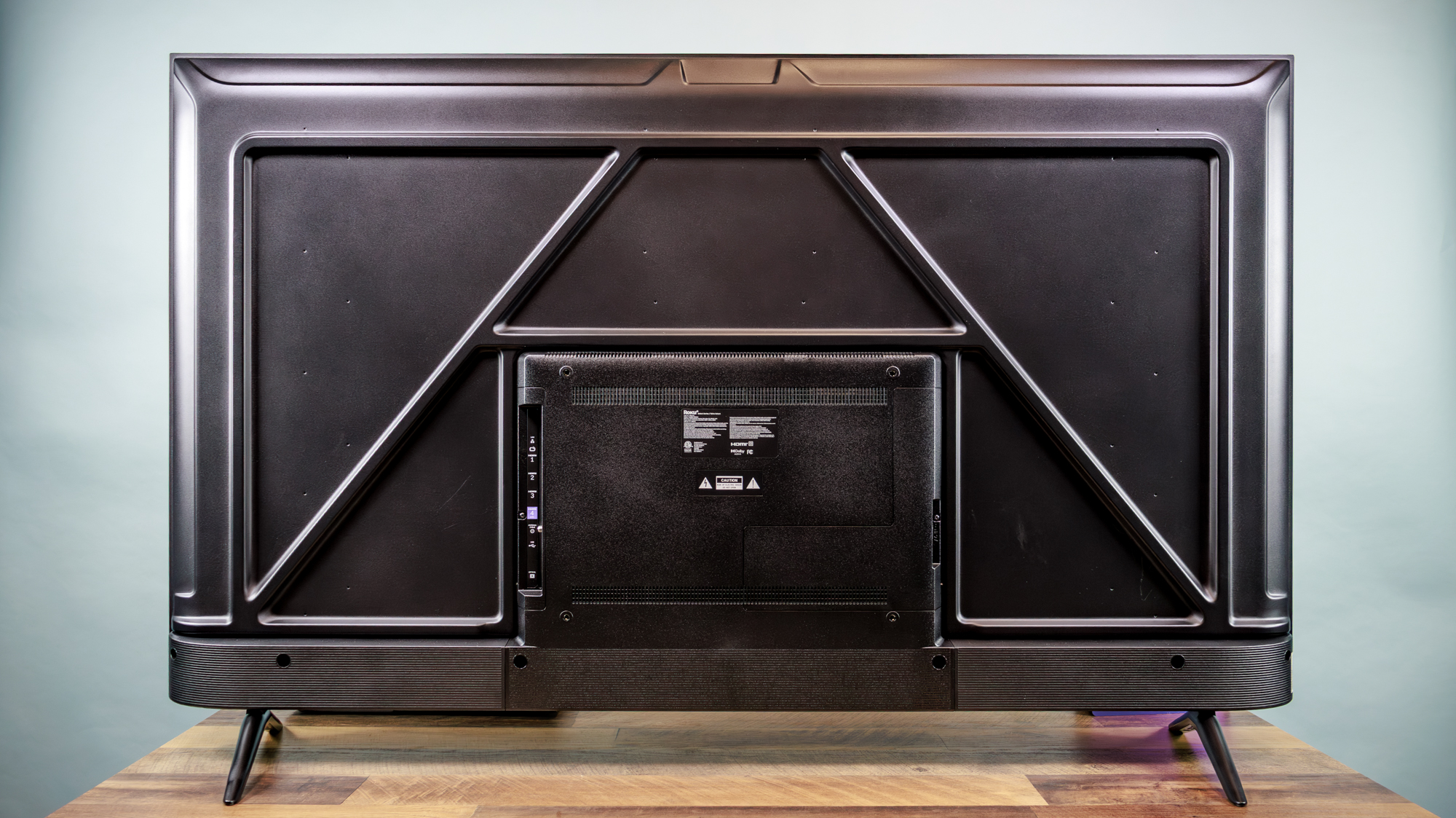
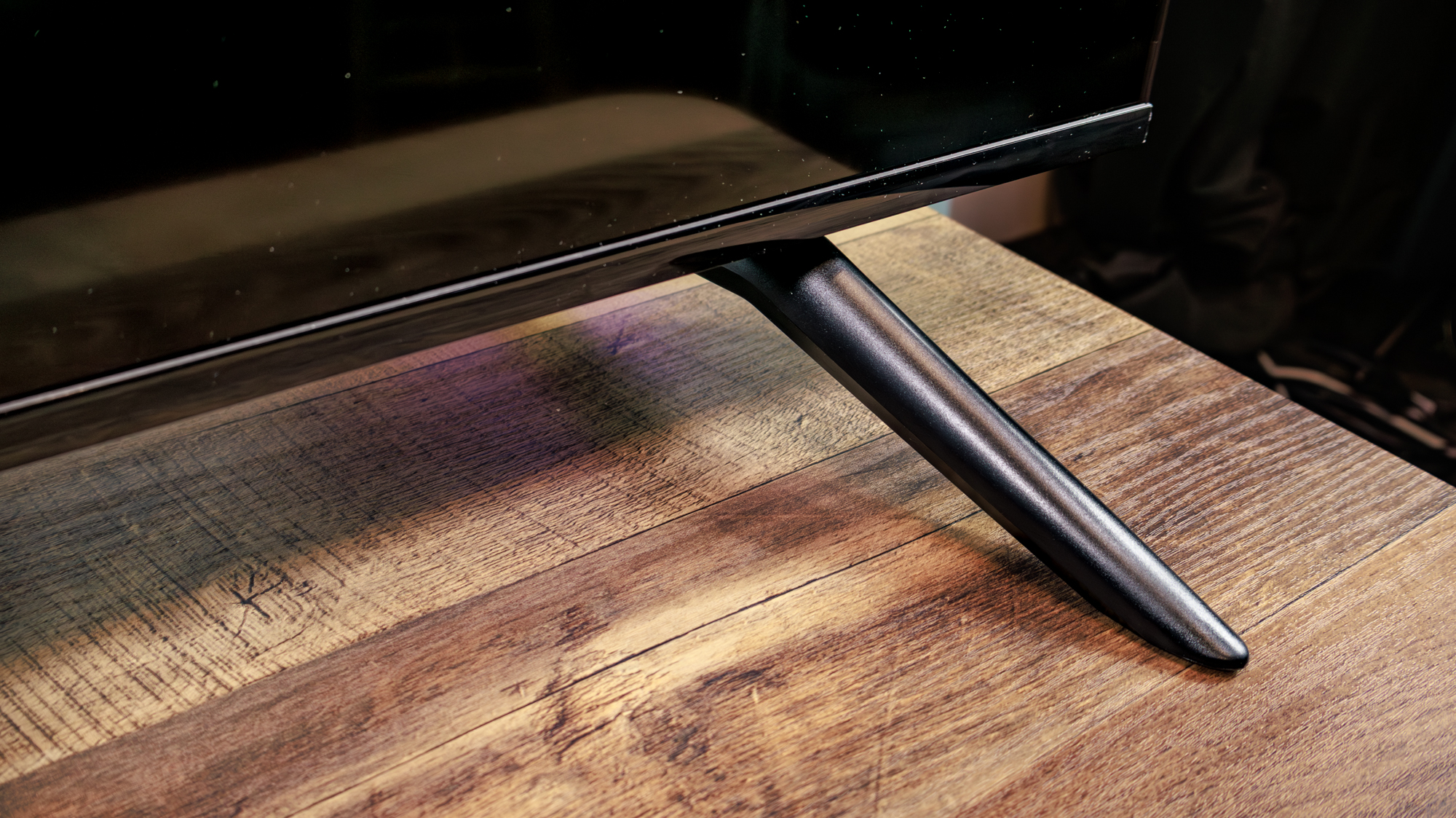
At 3.3 inches deep, the 65" Roku Select TV is a bit chunky. It has the standard design of all budget TVs: two plastic feet bear the ends of the panel and thin black bezel with minimal branding (a smallish silver "Roku" at the bottom-middle). On the back are VESA-standard screwholes in a 400 x 300 mm pattern for attaching to a wall mount.
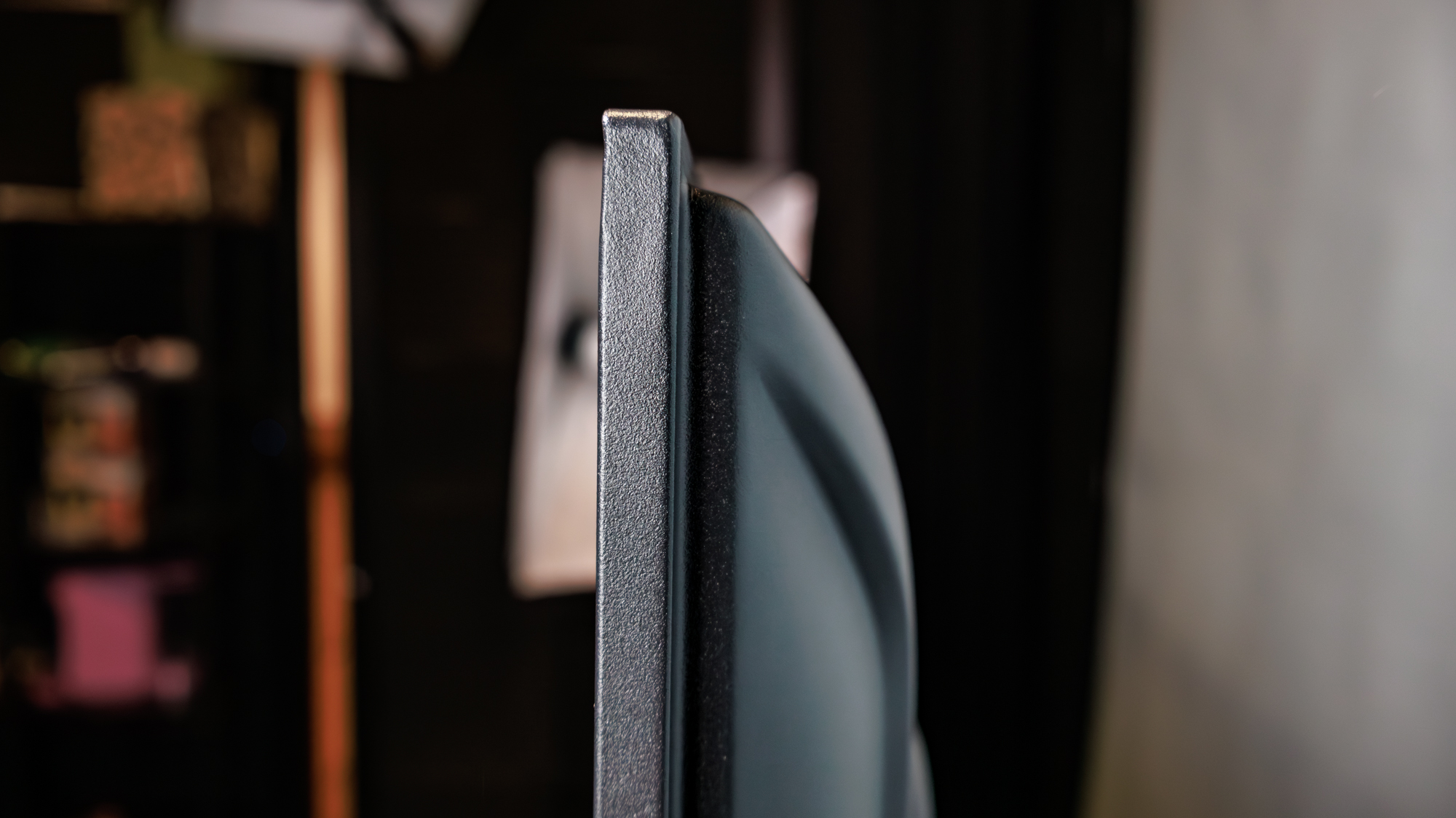
When viewed from behind, the TV's power cord plugs in at the right, and all input and output ports are grouped in a column on the left. They include four HDMI ports (one with eARC, which can supply digital audio output to a soundbar or speaker system). They support only the 2.0 standard, which doesn't support capabilities such as 120Hz video input, though that might not matter much as the screen’s native refresh rate is limited to 60Hz.
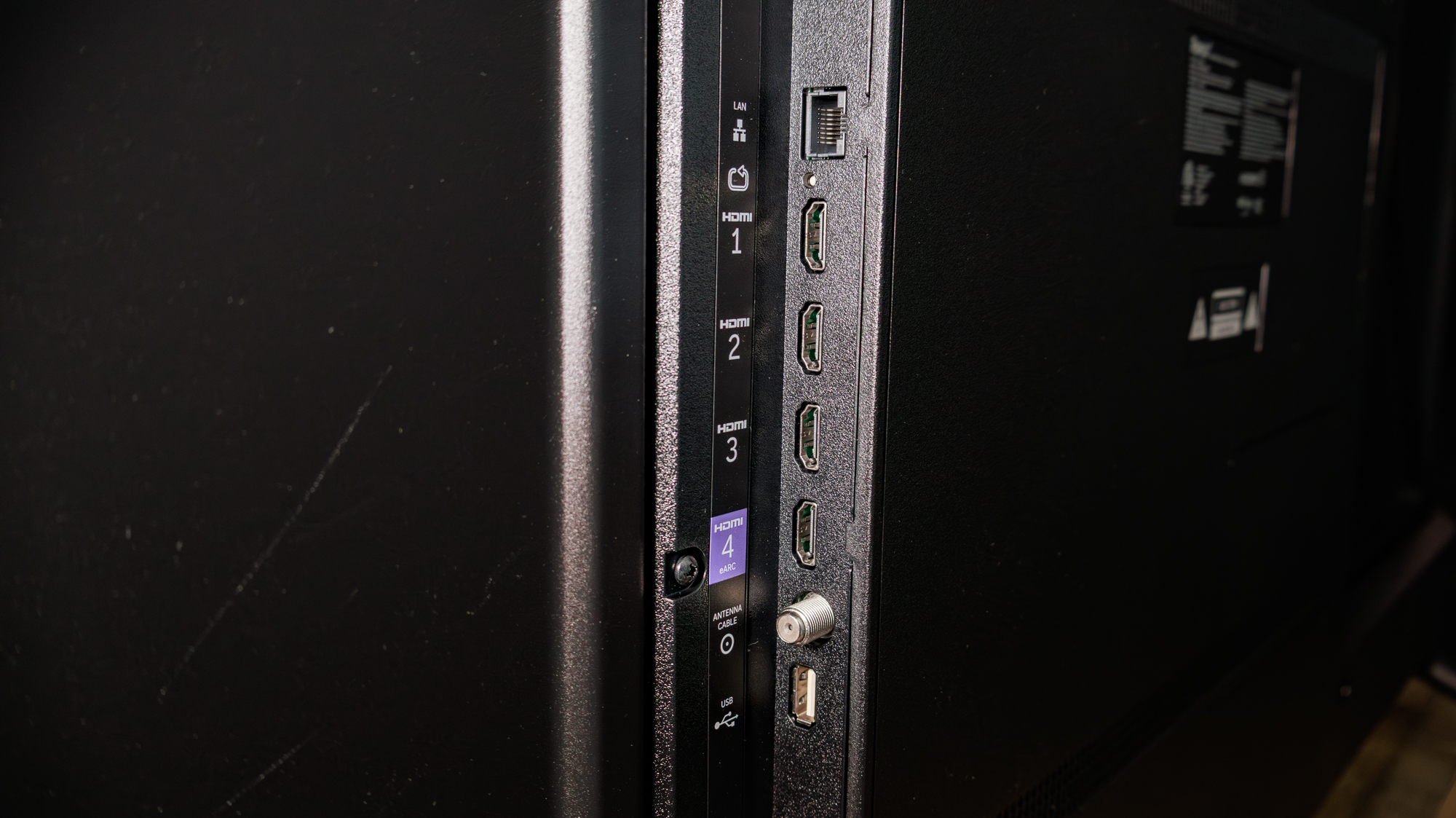
The Select Series also features a SPDIF optical digital audio port and a single USB-A port that could load photos or videos from a USB stick. An ethernet port is on hand, as is a Cable/Antenna input that feeds an ATSC 1.0 tuner. The latter is limited to 1080p, standard dynamic range broadcasts, but that only matters if you use an antenna, rather than onboard streaming apps or a cable box that connects over HDMI.
How we test TVs at Tom’s Guide
We follow a standard testing protocol for every TV we review at Tom's Guide. Our benchmarks include a series of technical and subjective tests designed to rate the set's performance. For our technical tests, we set the TV to Filmmaker mode (usually the most accurate out of the box) and take measurements using a Jeti spectraval 1501-HiRes spectroradiometer, a Klein K10-A colorimeter, a Murideo 8K-SIX-G Metal pattern generator, and Portrait Displays's Calman TV-calibration software. We also use a Leo Bodnar 4K Video Signal Lag Tester for determining the TV's gaming prowess.
Subjective tests vary based on the reviewer but usually include anecdotes from a diverse selection of movies, TV shows, and other content reflecting the types of things you may actually want to watch on the TV. For a more detailed look at what we do and how we do it, check out our "How we test TVs" page.
Roku Select Series review: Performance
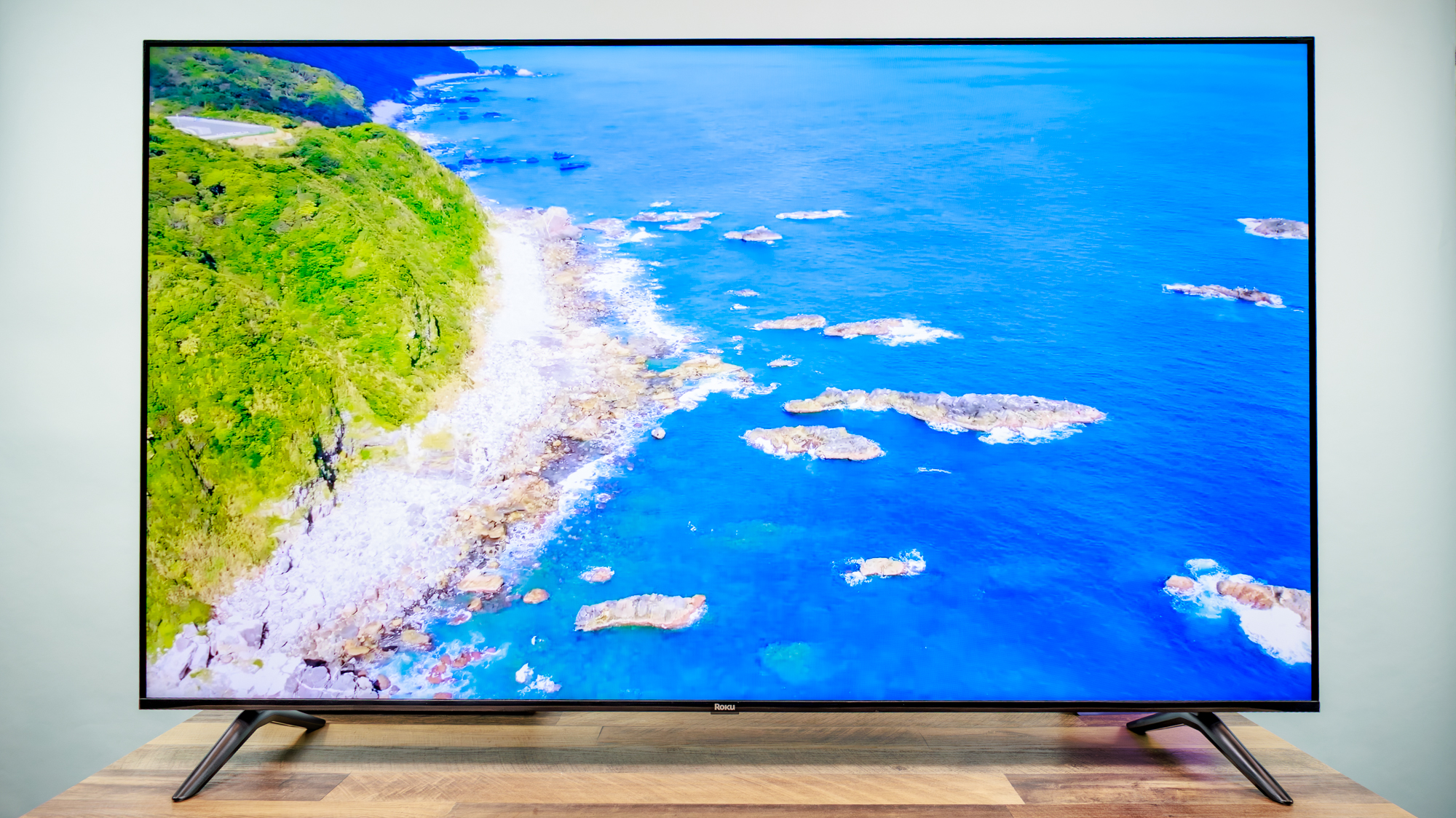
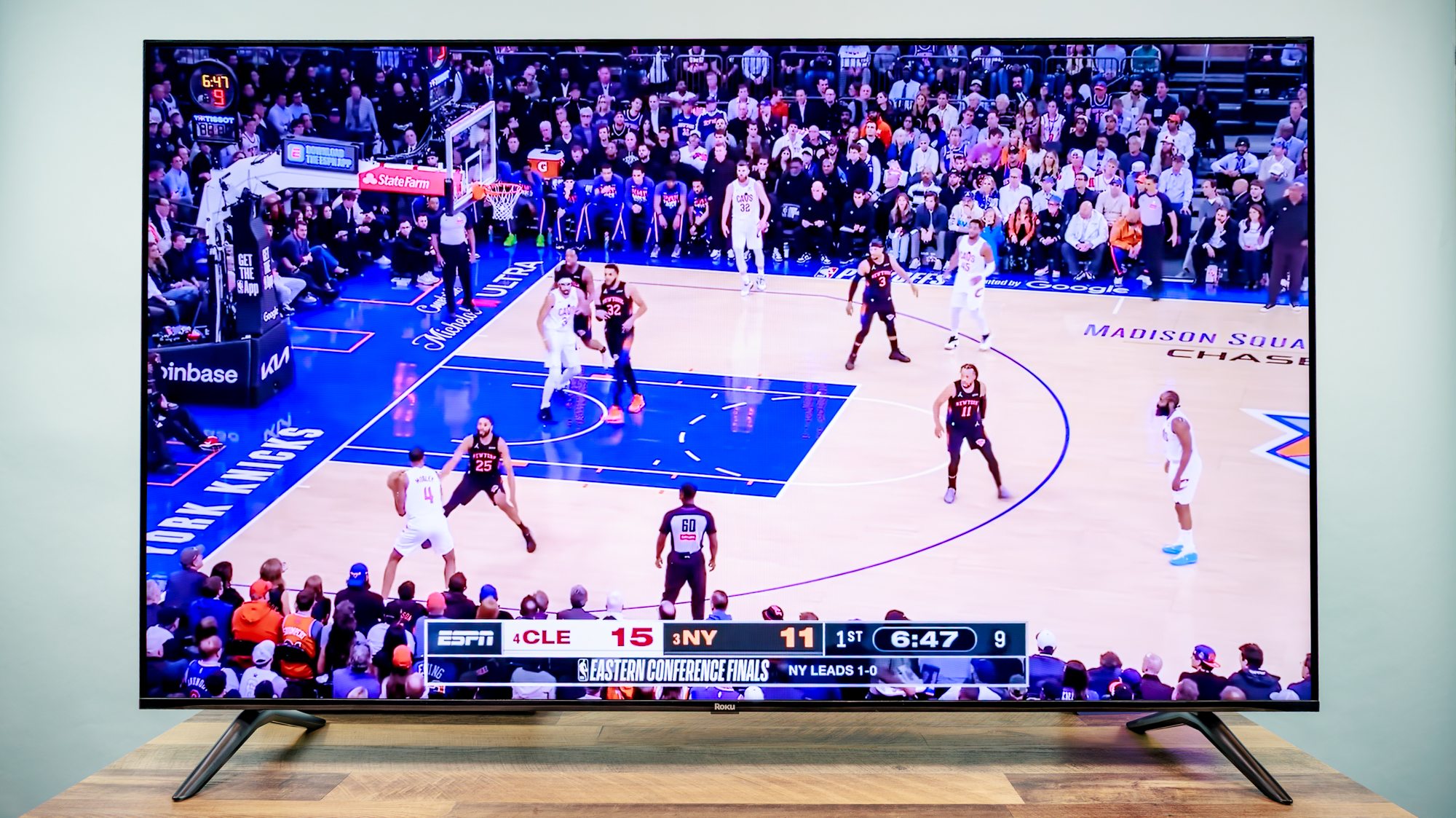
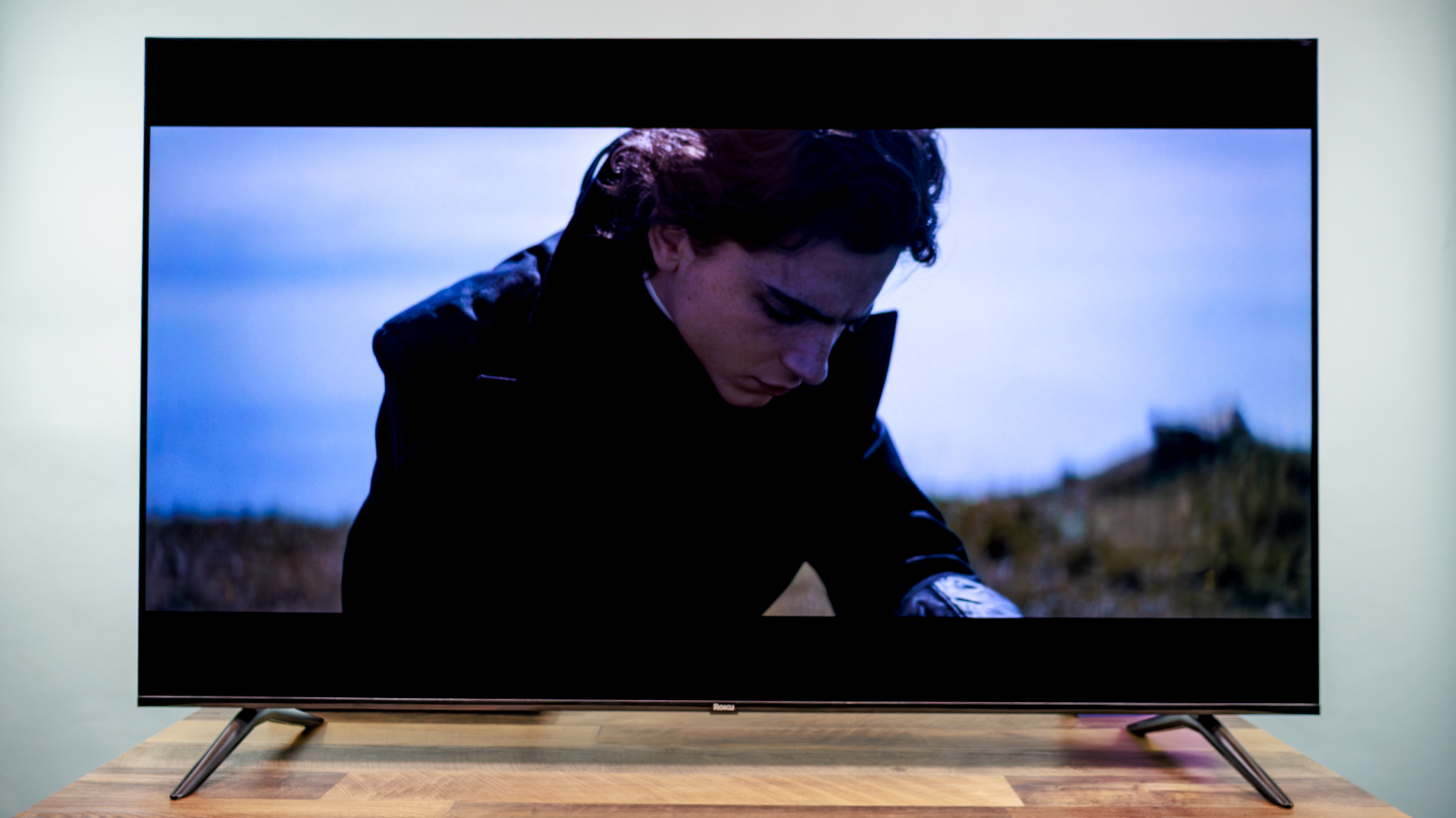
The 65-inch Roku Select shows pleasing, rather-accurate color in HD/SDR; but it's simply not bright enough to show a lot of content clearly — especially not in HDR. That’s a problem because HDR is no longer exotic: It's become standard on top streaming services and on Blu-ray discs. A TV that can't display HDR well, like this one, is hard to recommend.
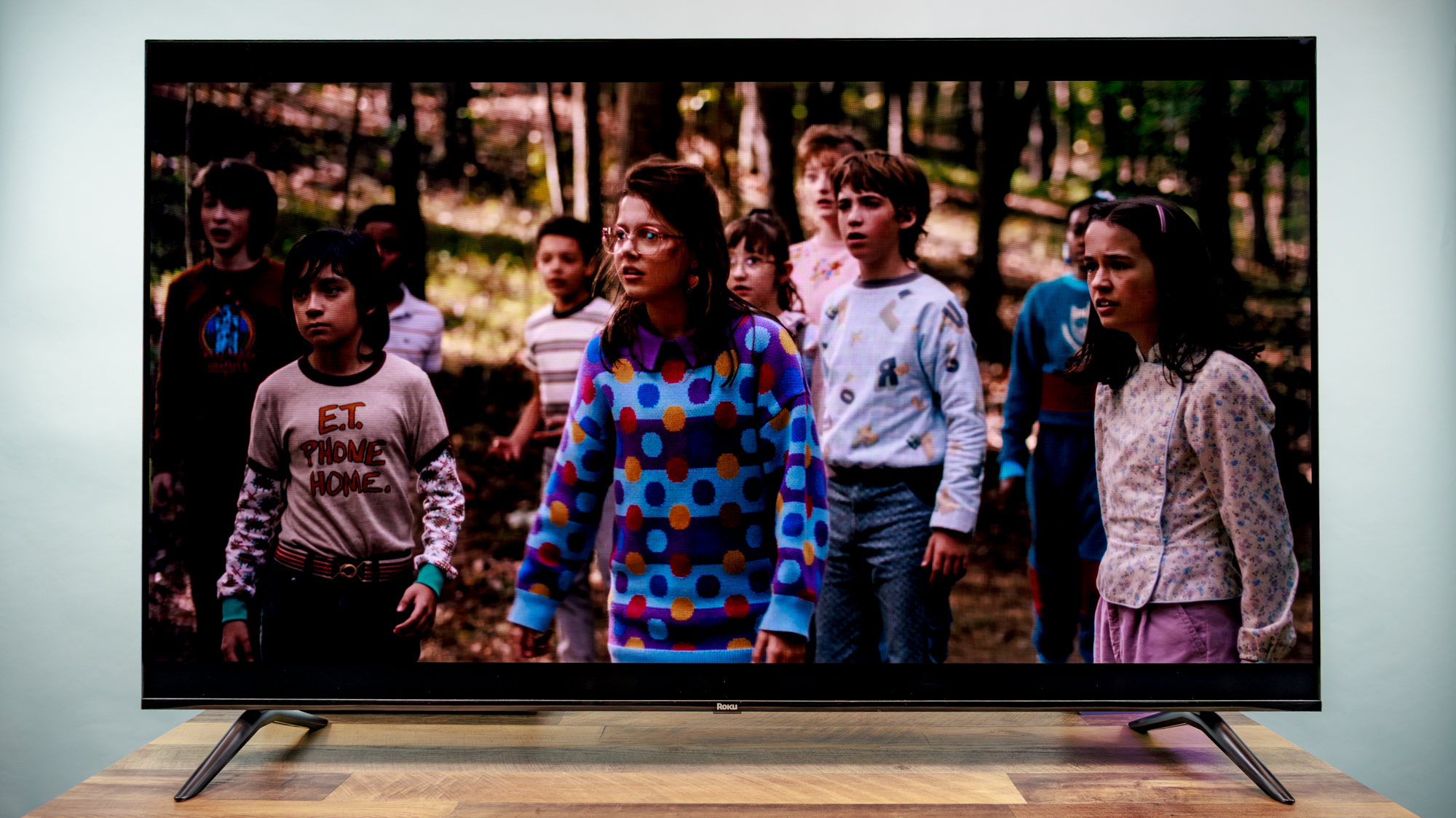
To put it through its paces, I used Netflix's Strangers Things, Season 5, Episode 8 as it’s full of dark, forbidding scenes. They looked a bit muddy and grayish on this screen. Selecting the HDR+ Bright setting lightened up the shadows, but at the expense of black levels.
Chapter 4 of the "Spider-Man: No Way Home" Blu-ray fared better, but it’s still not up to par with some of its rivals. In some scenes, characters were lit well, such as the firelight illuminating the faces of Peter Parker and Dr. Strange, but in other scenes that wasn’t the case.
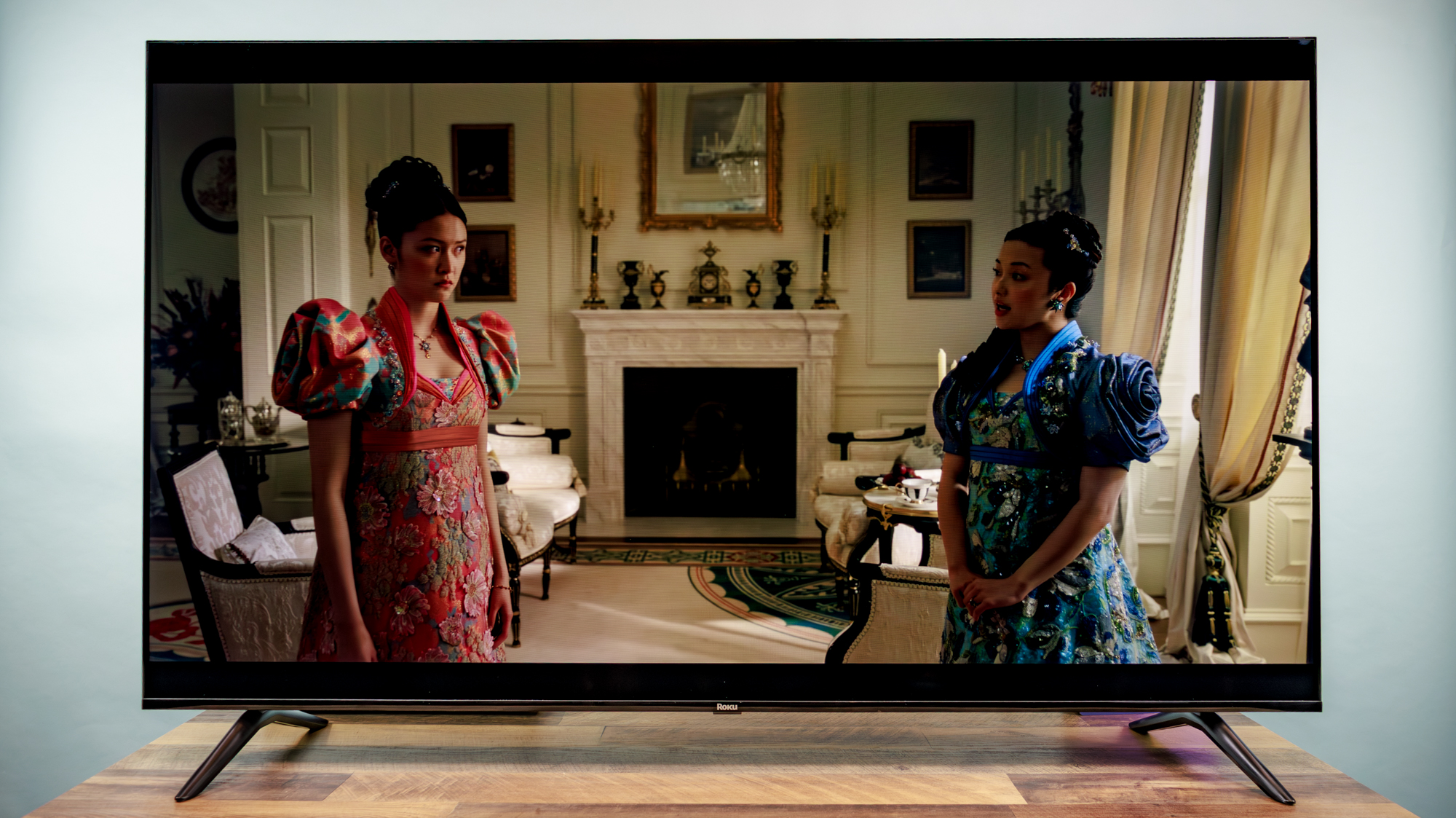
"Bridgerton" was especially disappointing. Season 1, Ep 3 (17:00-19:00 minutes in) displays complex indoor scenes/outdoor scenes, candlelight/sunlight, warm skin tones/pale complexions — and none of them looked especially good. One character's mop of blond hair nearly disappears in a sunny afternoon shot. There is a pallor over the colorful pastel dresses of four women in the same scene.
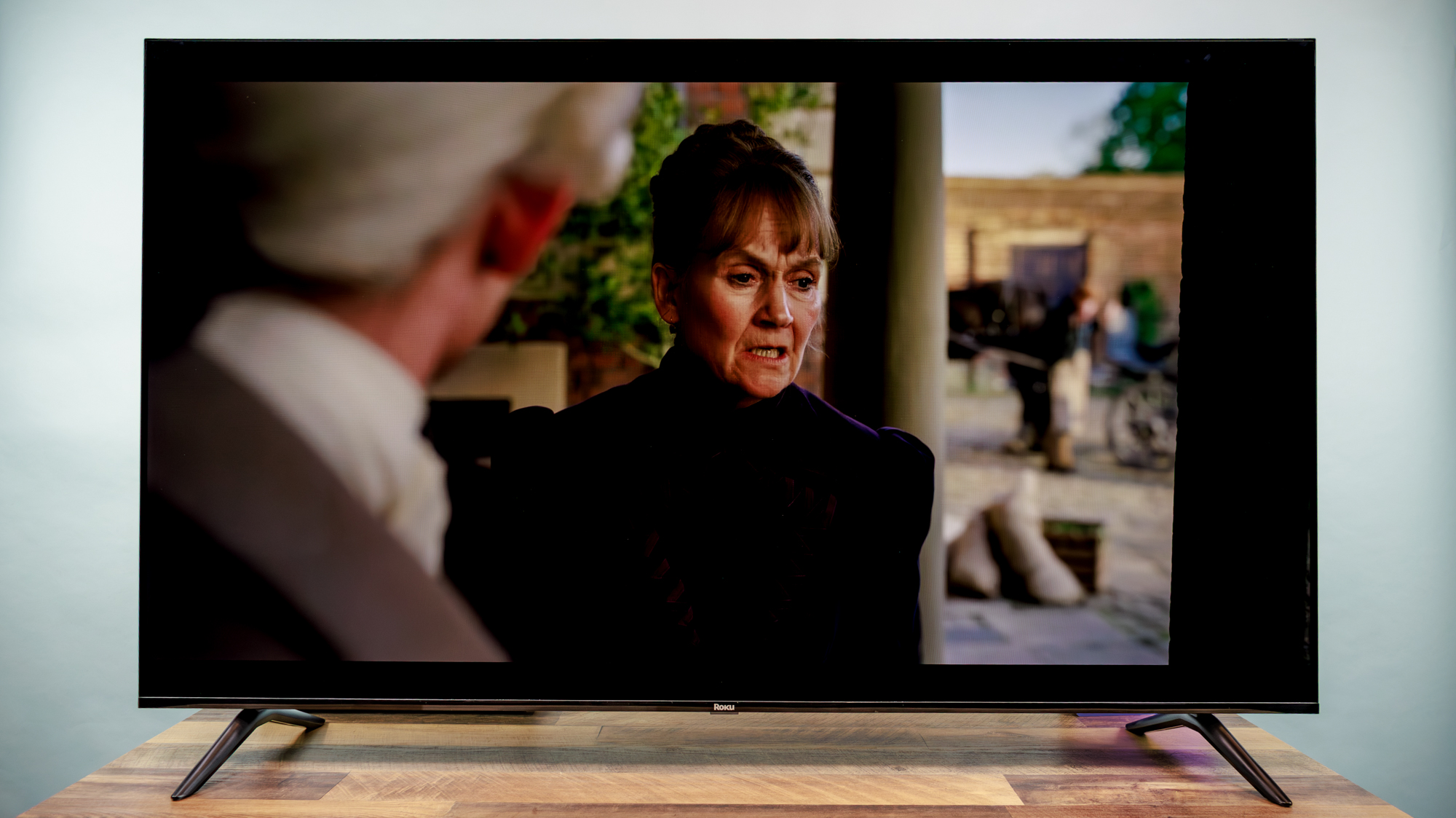
Indoor party scenes were also rather shadowy. Here toggling between the Standard, Bright, and Dark HDR+ settings made little difference. It's worth noting that this set does not support Dolby Vision, which includes extra metadata in content to help a TV display it more faithfully.
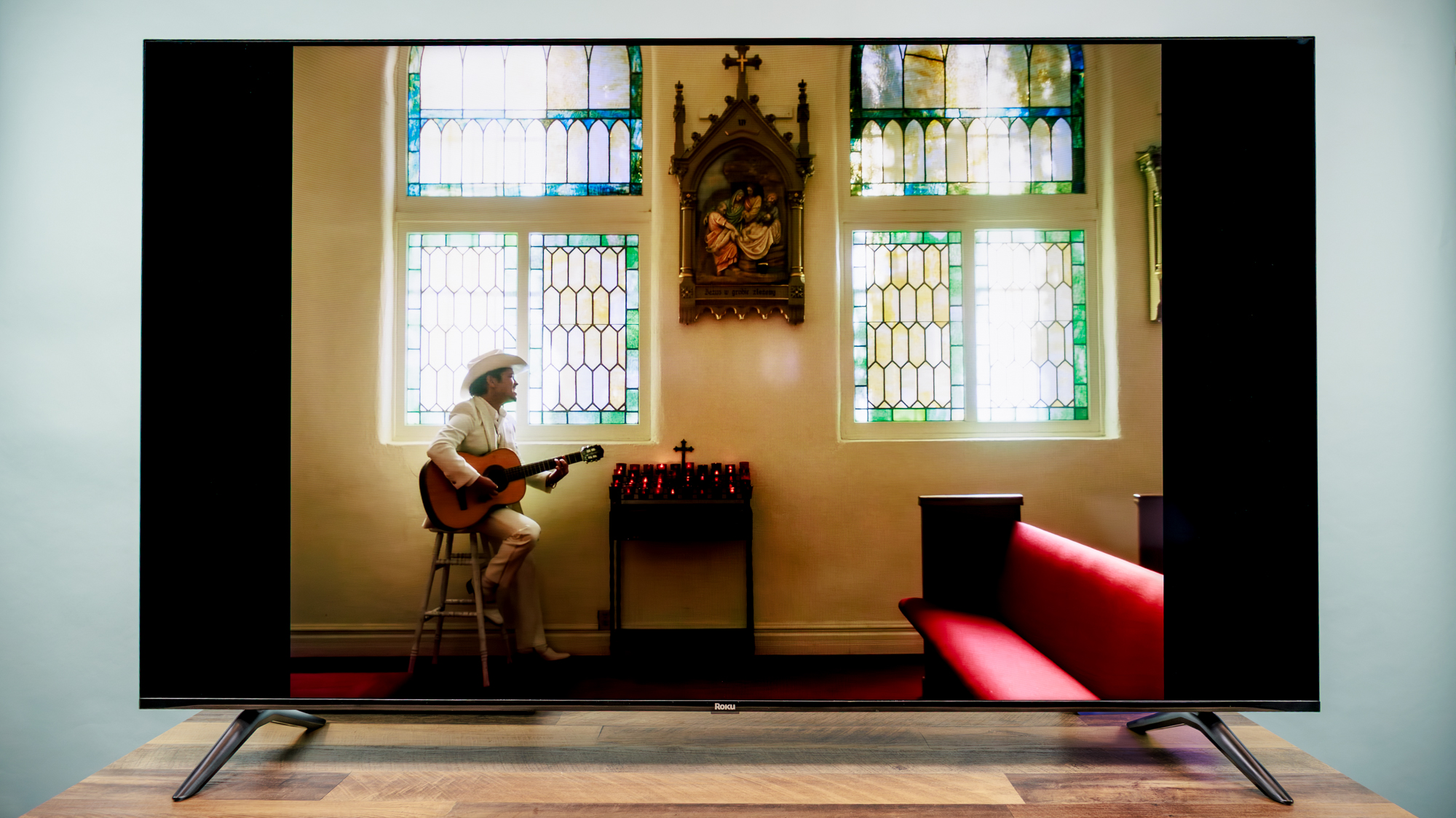
The Roku Select is fine for standard HD content, however. I found the YouTube edition of the gorgeous Bruno Mars video "Risk It All" to be an enjoyable watch. It begins with an outdoor scene and then transitions to a sunlit church interior. There aren't those challenging shadows where lower luminance can obscure detail, though. The Select also displayed motion smoothly, such as a difficult shot when the camera moves towards Mars, then rotates 90 degrees to show him from the side while backing away.
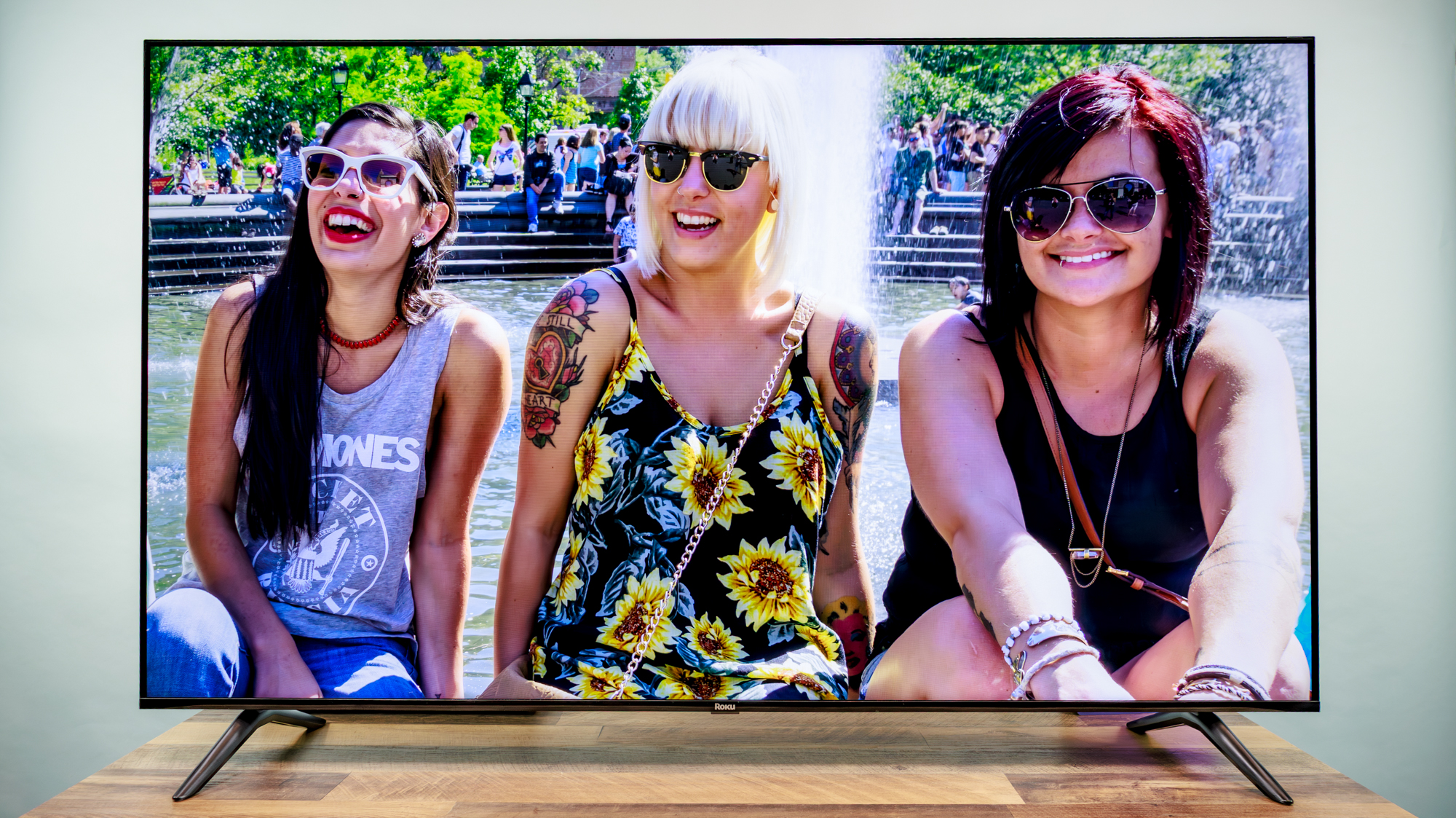
A few photos I shot while reviewing cameras for Tom's Guide also looked nice — including one with women of different skin tones by a fountain and another of a woman sitting on a bench. These were all outdoor shots by bright to very-bright light, however.
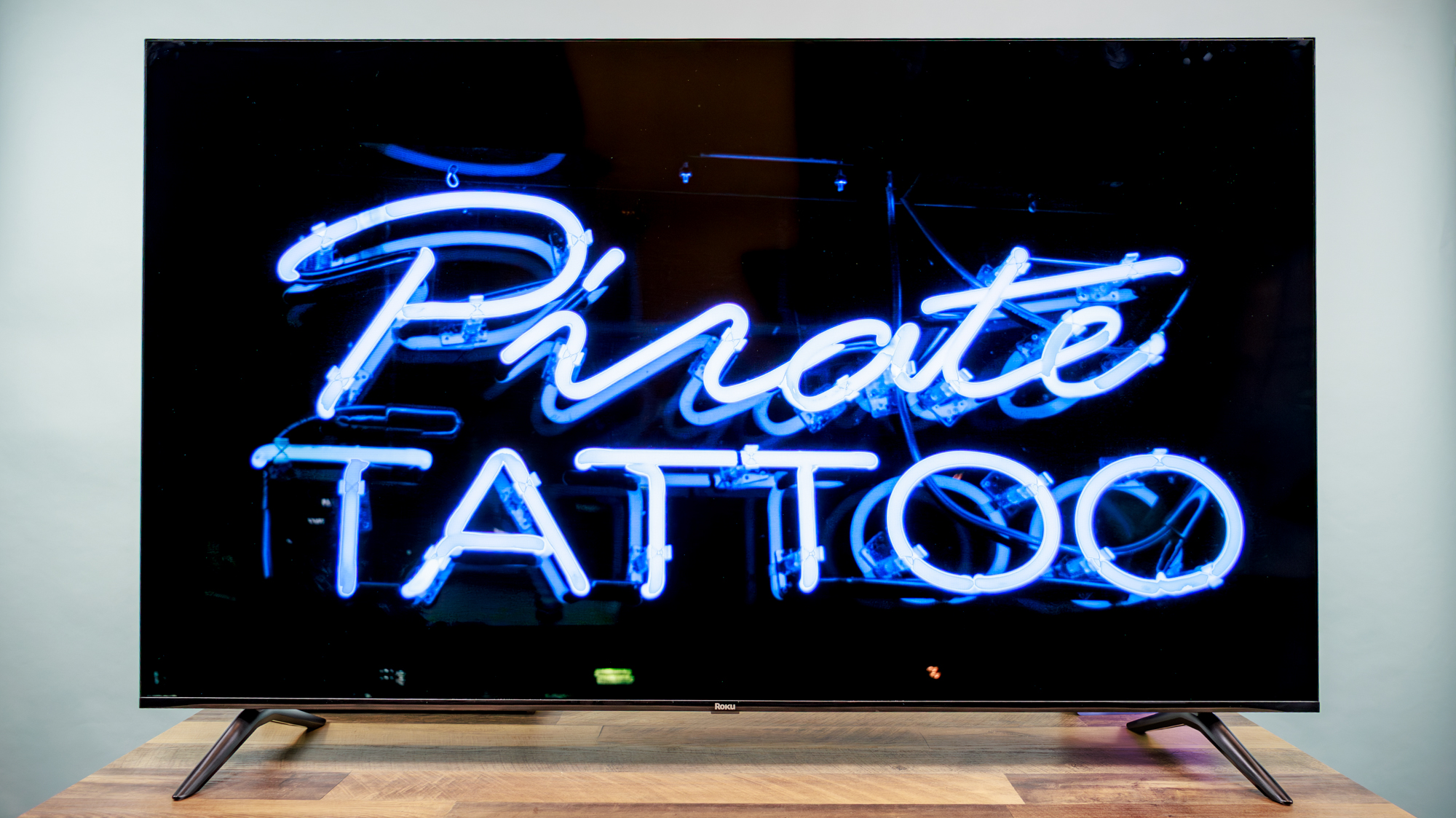
There's minimal difference between all other modes. With photos, Sports made images a tad warmer, sometimes livening skintones; and Vivid made them a bit cooler, deepening green foliage. (It also improved black levels, for instance in a photo of a blue neon sign at night.) The differences come down to a matter of personal taste.
Roku Select Series review: Test Results
|
Roku Select Series |
Hisense QD7 |
Vizio VQM65-C |
Amazon FireTV Omni |
Hisense U6N |
|
|
SDR Brightness (10%, in nits) |
334.6 |
402.4 |
218.7 |
499.0 |
235.3 |
|
Delta-E (lower is better) |
2.45 |
1.75 |
4.63 |
6.98 |
2.57 |
|
Rec. 709 Gamut Coverage |
93.85% |
99.56% |
96.82% |
99.72% |
99.13% |
|
HDR Brightness (10%, in nits) |
334.6 |
658.9 |
781.4 |
510.3 |
575.0 |
|
UHDA-P3 Gamut Coverage |
91.59% |
94.33% |
92.94% |
93.75% |
92.96% |
|
Rec. 2020 Gamut Coverage |
72.36% |
74.73% |
71.37% |
71.62% |
75.10% |
|
Input Lag (ms) |
9.6 |
9.4 |
9.9 |
13.1 |
9.3 |
*As measured in Filmmaker mode
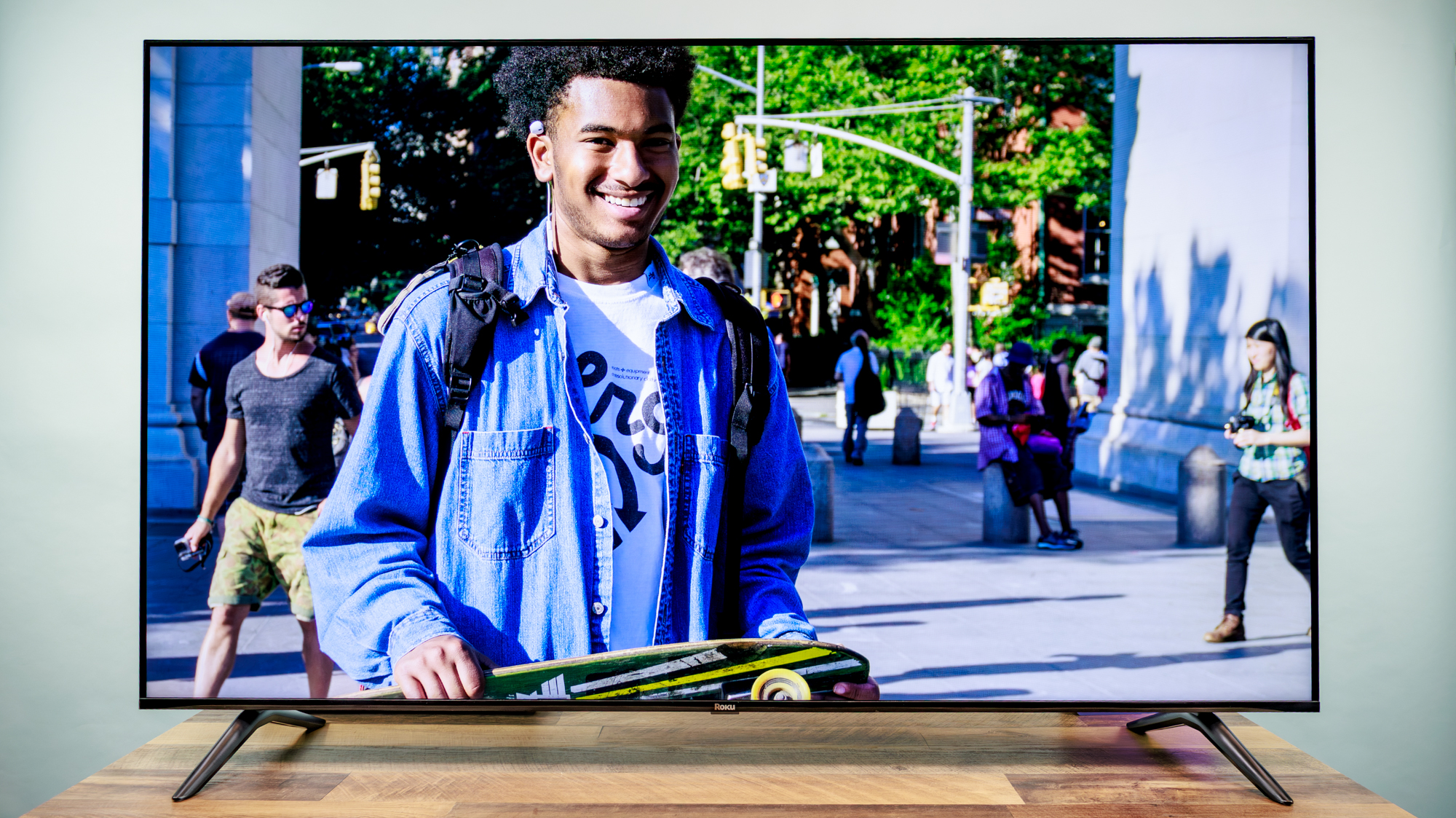
Using its out-of-the-box Standard mode, we measured peak luminance (on a square covering 10% of the screen) at 397.6 nits, vs. an average of 927.0 for 65-inch TVs from 2025 and 2026. (They range from 228.7 to 2,908 nits.)
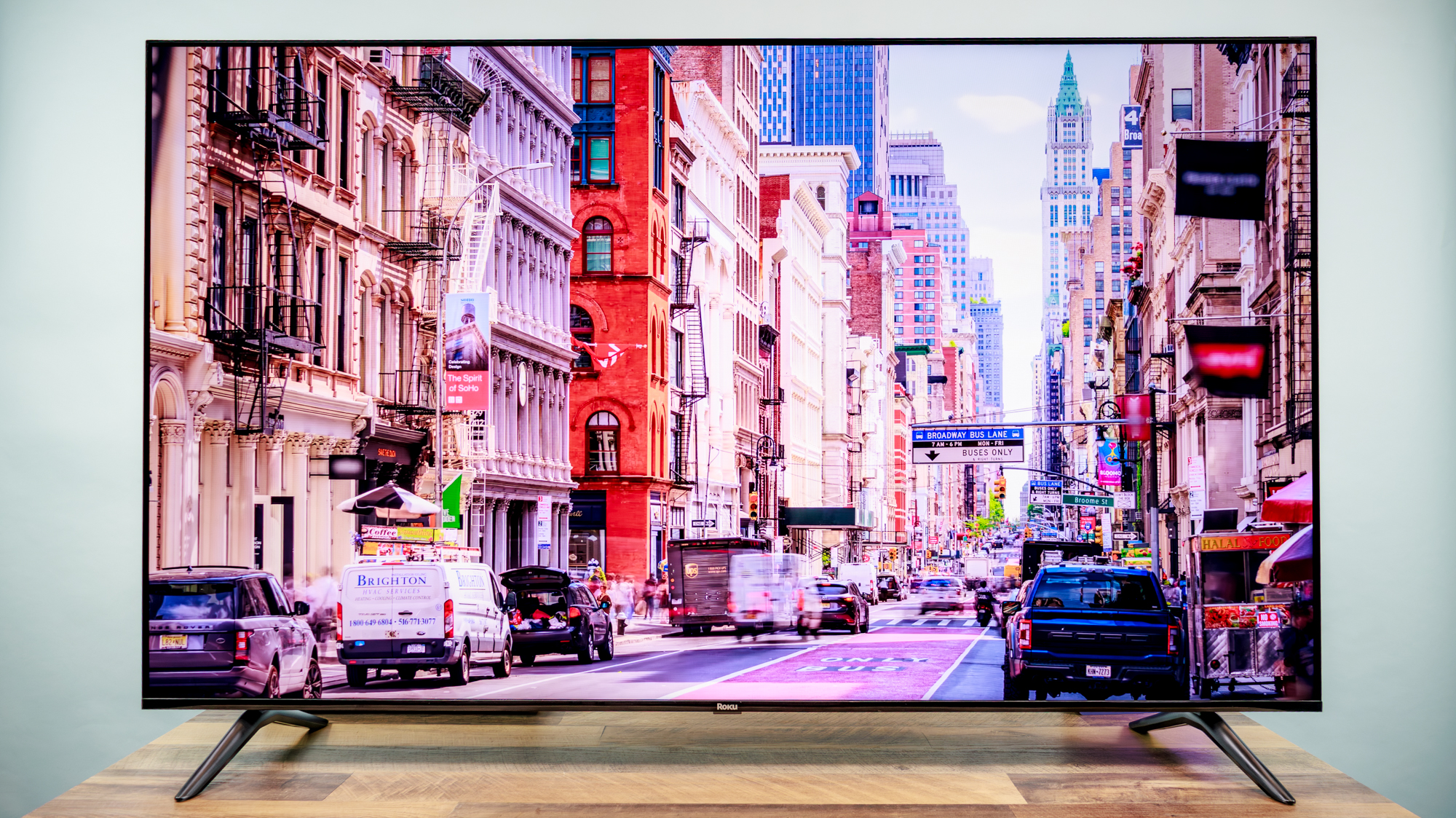
This Roku has several other picture modes, including Movie, Vivid, and Sports. Movie is the most color-accurate, by far. Similar modes on other TVs tend to be dimmer, but this TV was really dim. We measured 334.6 nits, vs. an average for rivals of 438.2.
To my eye, Standard beat Movie mode with Fellini's 1963 black-and-white surrealist film "8½." Standard gave light shades the hint of yellow you would expect in a black and white film shot over half a century ago, without overdoing it. The film looked quite yellow in Movie mode.
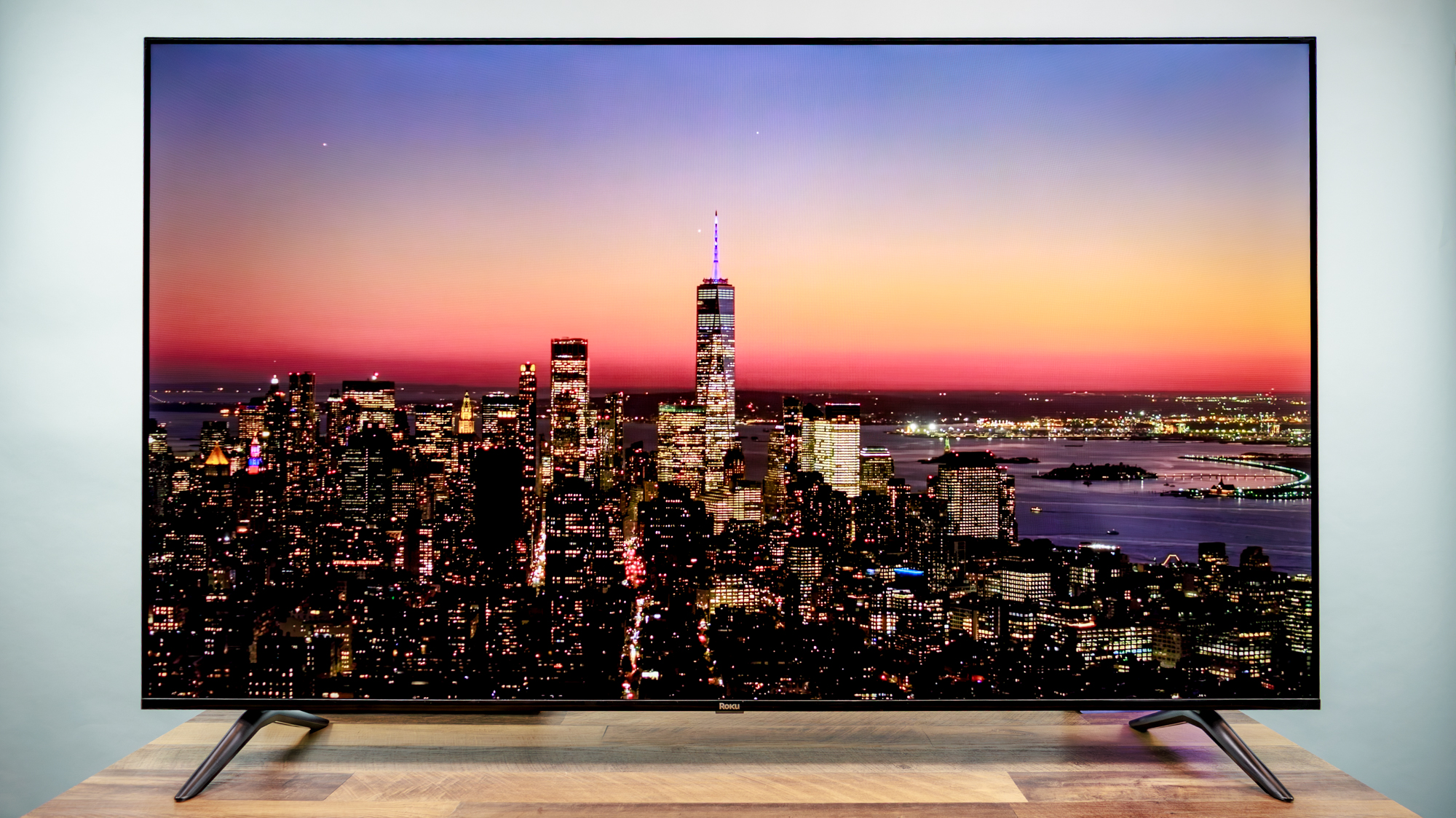
Color fidelity in Standard mode is better than average. We determine that with Delta-E, a measurement of how far colors on the screen vary from the signal we send to the TV. The lower the number, the more accurate the TV. We measured this Roku at 10.2. That's way higher than its value in Movie mode (2.45) but beats the average 11.9 for comparable TVs in Standard mode from the past couple years. Movie Mode color is also a skosh better than average — a Delta-E of 2.45 vs. 2.9 — but both numbers are firmly in the "too small to notice” range.
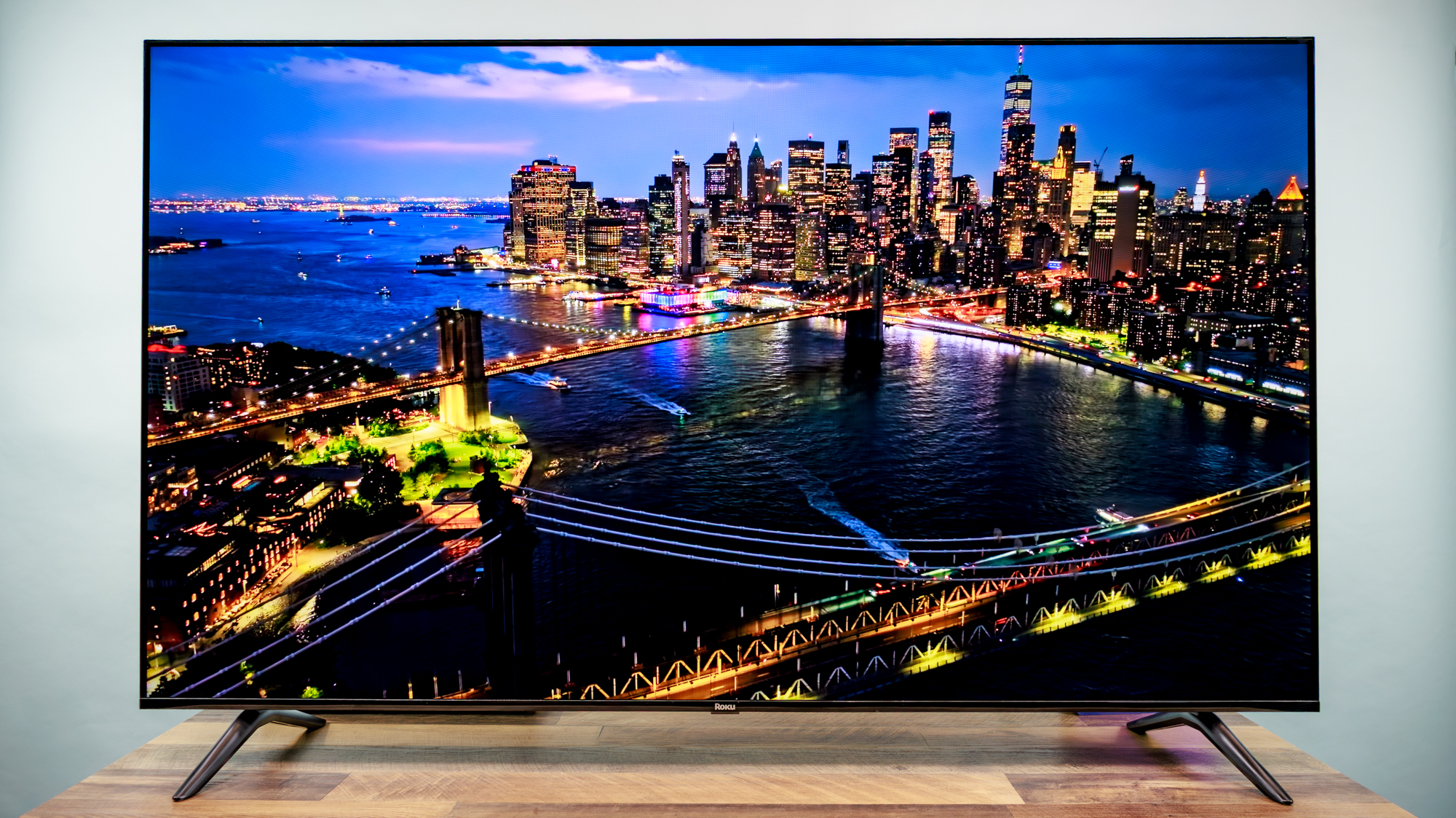
In practice, Movie Mode handled that aforementioned photo of the woman on the bench very well. She has a mid-tone complexion that could easily go wrong with bad color performance, as well as a wine-colored felt hat that could have gotten exaggerated.
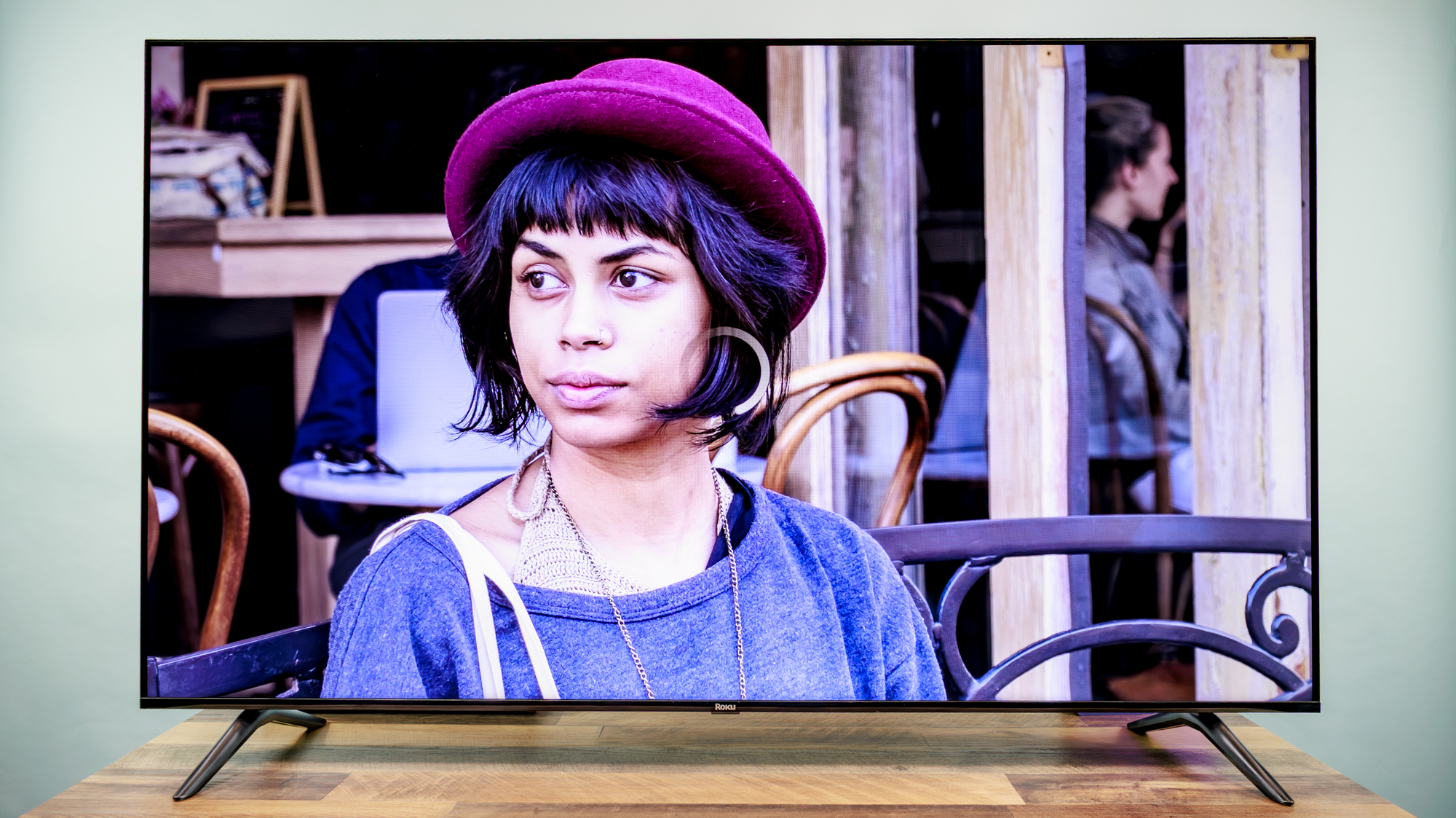
Still, things are gloomy for fans of 4K/HDR content. In lab tests in Movie Mode, the TV's HDR brightness gave us a new all-time low against similar TVs: 334.6 nits vs the average of 1533.1 and max of 3685.4. This TV is in the lower half among peers for covering the Rec. 2020 gamut (72.36%) — though this will matter more when content actually is mastered in Rec. 2020. Right now, high coverage is more for bragging rights than anything else.
Roku Select Series review: Audio
The Roku Select offers pleasant audio, especially for a basic built-in system with minimal specs. The TV packs two speakers with the industry-minimum 10 watts each. It features basic Dolby audio technology, but not the richer Dolby Atmos standard (a feature of the step-up Plus Series).
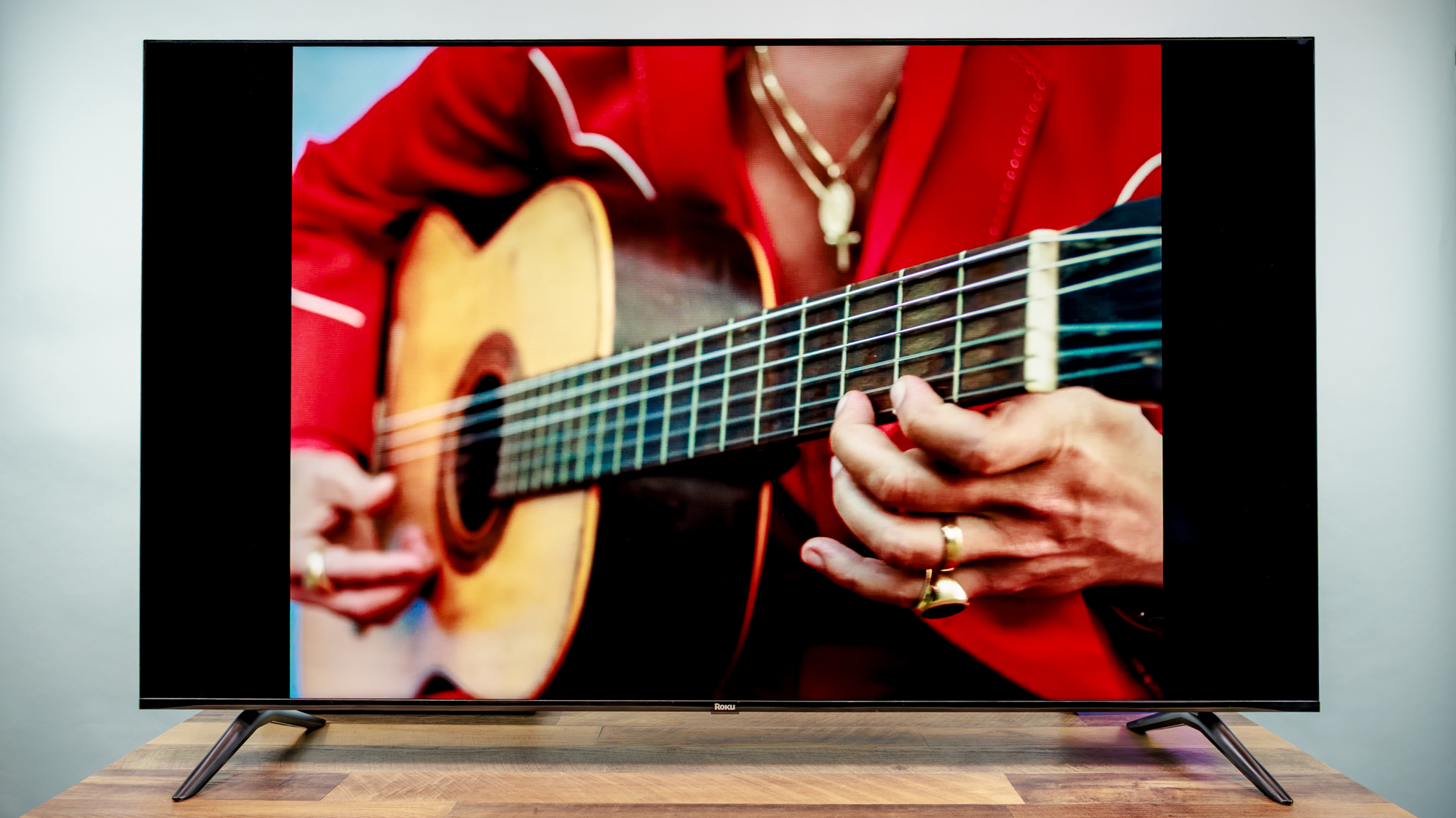
The Bruno Mars "Risk It All" video sounded crisp and clear — from bright trumpets to the resonant guitar notes and his soulful voice. I recommend switching from Standard to Movie sound mode for all content for a more expansive experience.
A music video isn't too tough for a low-power speaker system. But I was especially impressed with the sound of Stranger Things, especially the crisp voices against the roaring background noise. Explosions had a booming sound without much distortion.
This is all graded on a curve, of course. For home theater sound, you can connect to a soundbar or speaker system over the eArc HDMI port or the SPDIF digital audio output. We have a list of the best soundbars if you’re not sure where to start.
Roku Select Series review: Interface and remote
I've been a fan of Roku's minimalist interface (on TVs, streaming sticks and streaming boxes) from early days. It's my interface of choice at home.
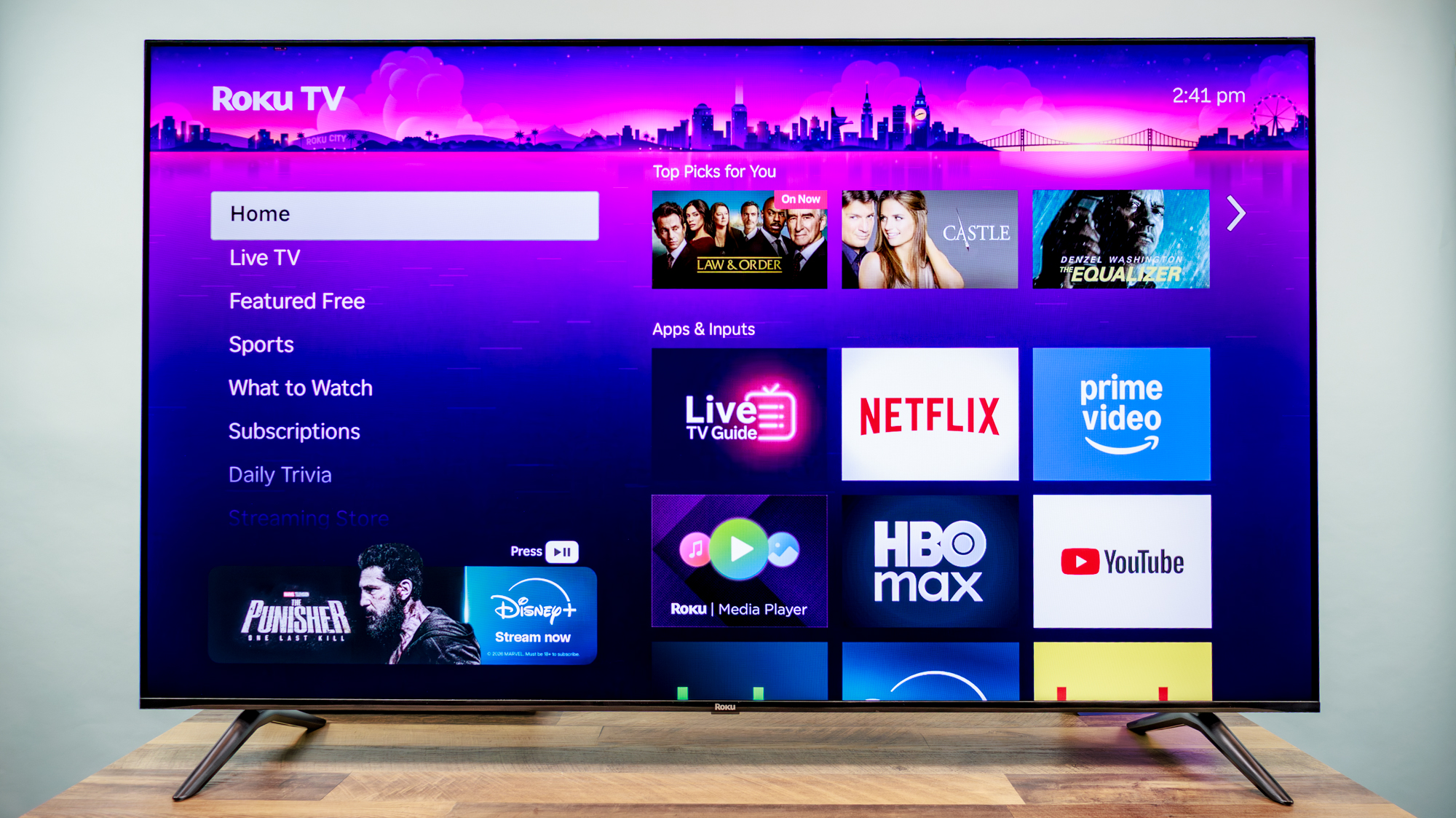
Popular apps are pre-installed and featured at the top of the app grid. You can easily move or delete them or add apps from a list of thousands (called Channels) that are supported. My one complaint is that the interface is a bit sluggish on this model.
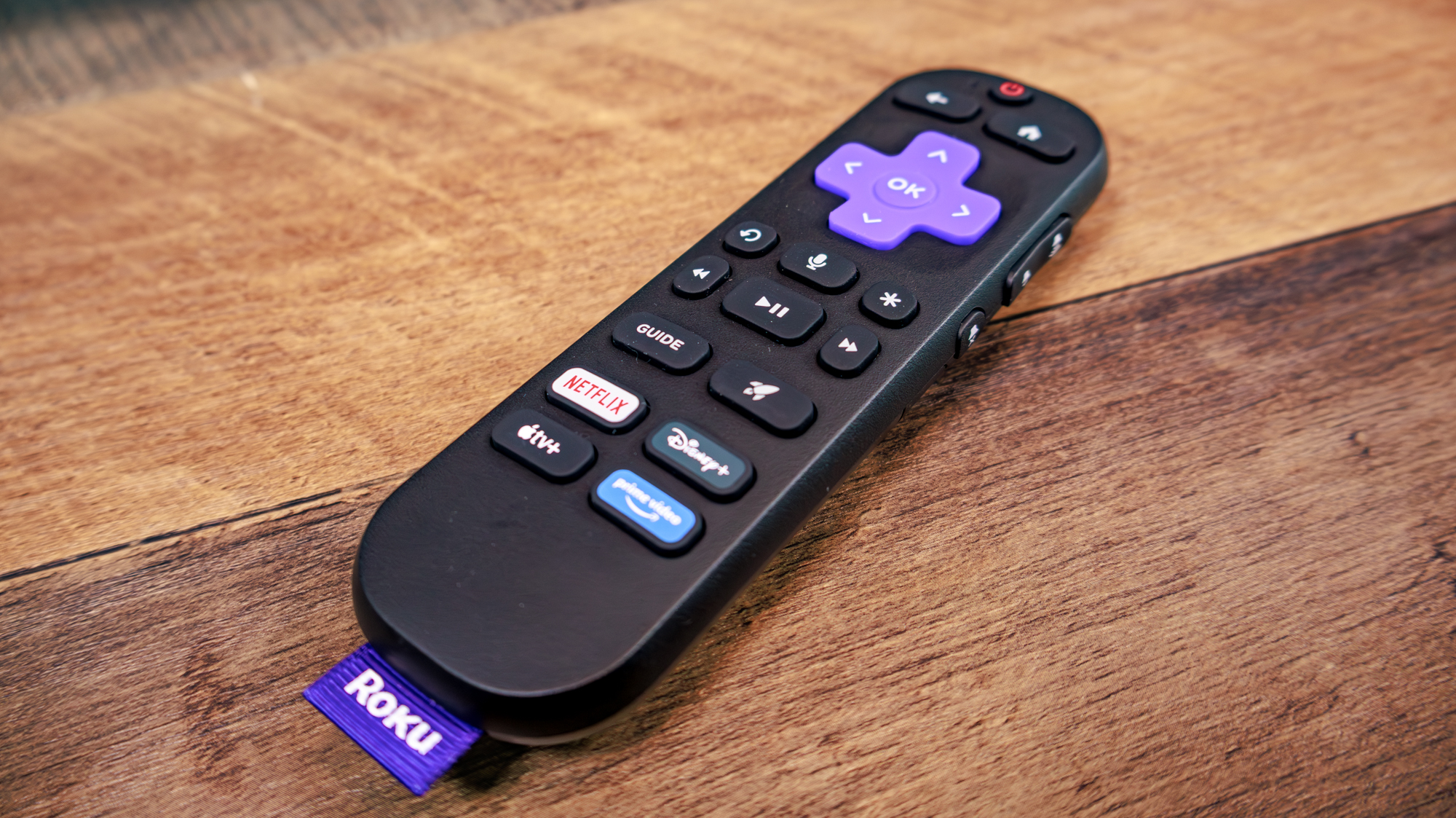
The remote is streamlined without being too sparse. It features shortcuts to Netflix, Disney+, AppleTV+, and Amazon Prime Video, as well as a handy enhanced voice remote for easy searches. Roku's mobile app is equally handy should you misplace the clicker.
The ad-supported Roku Channel is shown discretely at the right side of the screen, instead of in-your-face as for other TV companies' video services (looking at you, Vizio). It doesn't have the latest blockbusters, but I have found noteworthy TV shows and movies such as "Frasier," "Longmire," "The Heat," and "Silence of the Lambs."
But make no mistake: Roku is a data and advertising company that may collect a lot of personal information. Like Vizio, Roku has found itself involved in several lawsuits over privacy. (The most recent of which is happening in Florida where the Florida Attorney General is currently suing the company, alleging that it "collected, sold, and enabled reidentification of sensitive personal data — including viewing habits, voice recordings, and other information from children — without authorization or meaningful notice to Florida families.")
No matter which smart platform you choose, however, you’re going to have to deal with a company that wants your viewing information. Roku is not substantially different in this regard, but I would be remiss if I didn’t at least mention Roku’s robust data collection policy.
Roku Select Series review: Verdict
I’m a huge fan of Roku TVs (as well as the brand’s streaming-device add-ons), but this model line won't make our list of recommendations. At under $400 for a 65-inch QLED, the Select Series competes most directly with the Vizio Mini-LED Quantum 4K Smart TV (also $398) and the Samsung Q6F ($449). The Hisense QD7 (currently $599 at the 65-inch size but found as low as $435) is a small step up in price but is one of my favorite models in this range.
If you’re dead-set on a Roku TV for the lowest absolute price, I wouldn’t fault you for choosing the Select Series — there are some redeeming qualities. Roku TV is set to get its biggest overhaul in years, and the Roku Channel offers some free streaming options if you don’t mind dealing with ads every few minutes.
Would this be the TV I’d pick out for a home theater or a living room that gets a lot of afternoon sun? Probably not, but you could certainly do worse.
This is a preview from the original publisher. Continue reading at the source:
Read Full Article on tomsguide.com →