

LG C6 vs. Samsung S95H: We tested both OLED TVs — here's the best choice for you
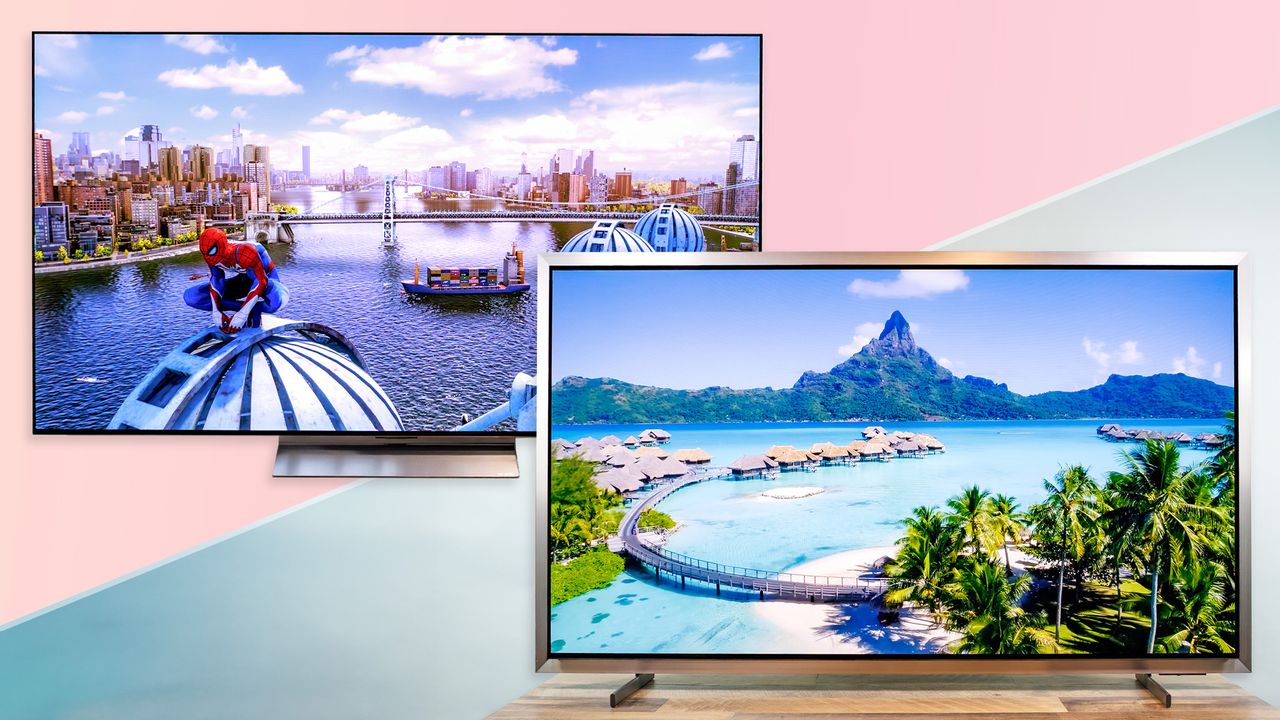
The LG C6 is one of the year's best TVs, and it's easy to see why. In addition to its incredible, OLED-driven performance, the C6 offers more gaming- and streaming-related features than any other TV in its class. Like its predecessors, its mid-range price is sure to make it a popular pick.
The Samsung S95H, on the other hand, is a significant step up from the C6 in many ways. It's arguably the best TV in Samsung's 2026 lineup, and maybe the best TV the brand has ever engineered. Thanks to its quantum dot-enhanced OLED panel, the S95H delivers better brightness and color than the LG C6, but its divisive design and sky-high price tag could limit its appeal.
If you're in the market for an OLED TV this year and you're willing to spend on something beyond the entry-level tier, the C6 and S95H ought to be on your short list. Here's how they stack up when it comes to performance, design and features.
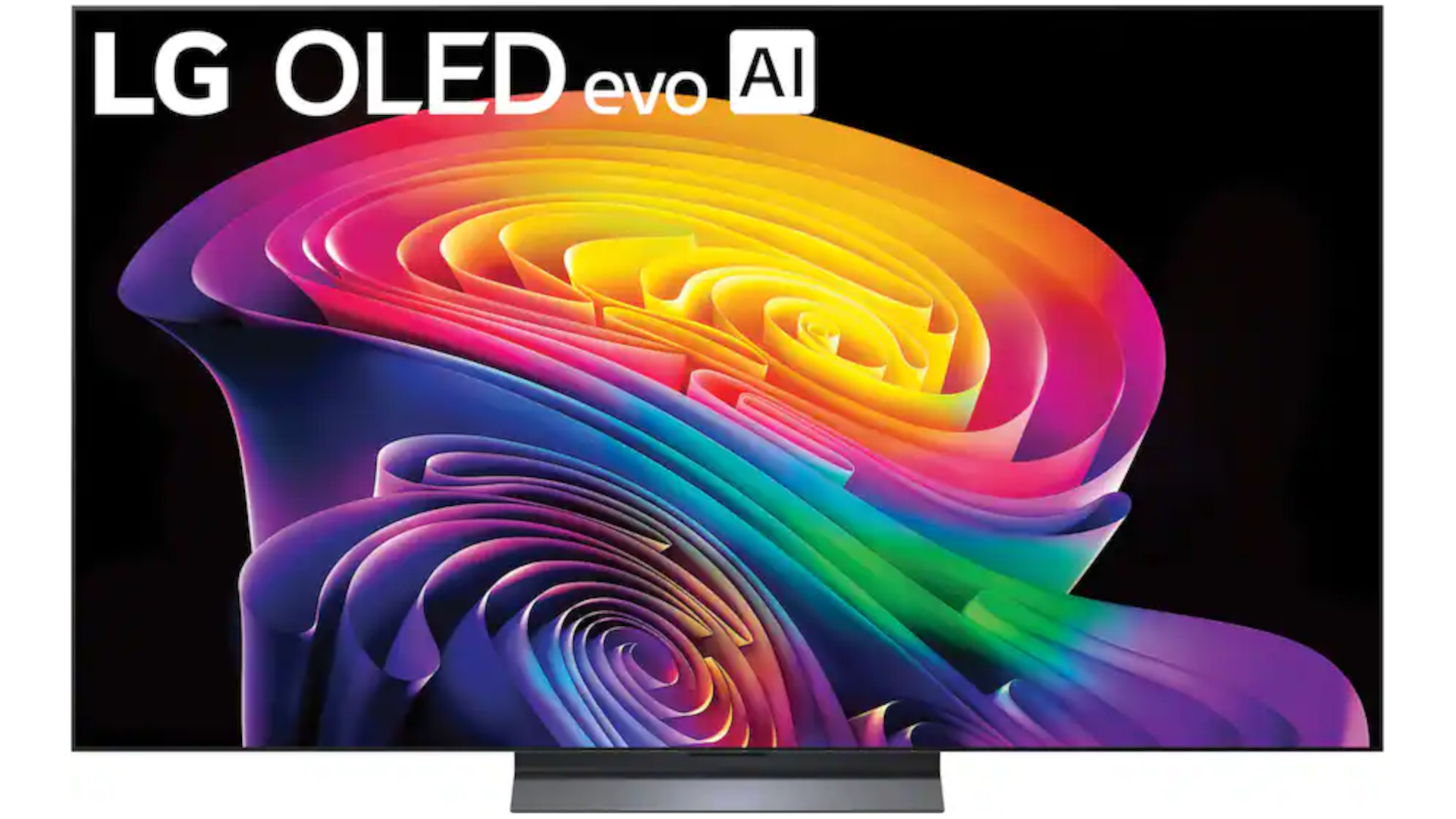
As the brand's newest mid-range OLED TV, the LG C6 delivers an excellent blend of performance and value. It's picture quality is superb, but it's not as bright or as colorful as the Samsung S95H. Nevertheless, its versatile size selection and lower price make it a better fit for most folks.
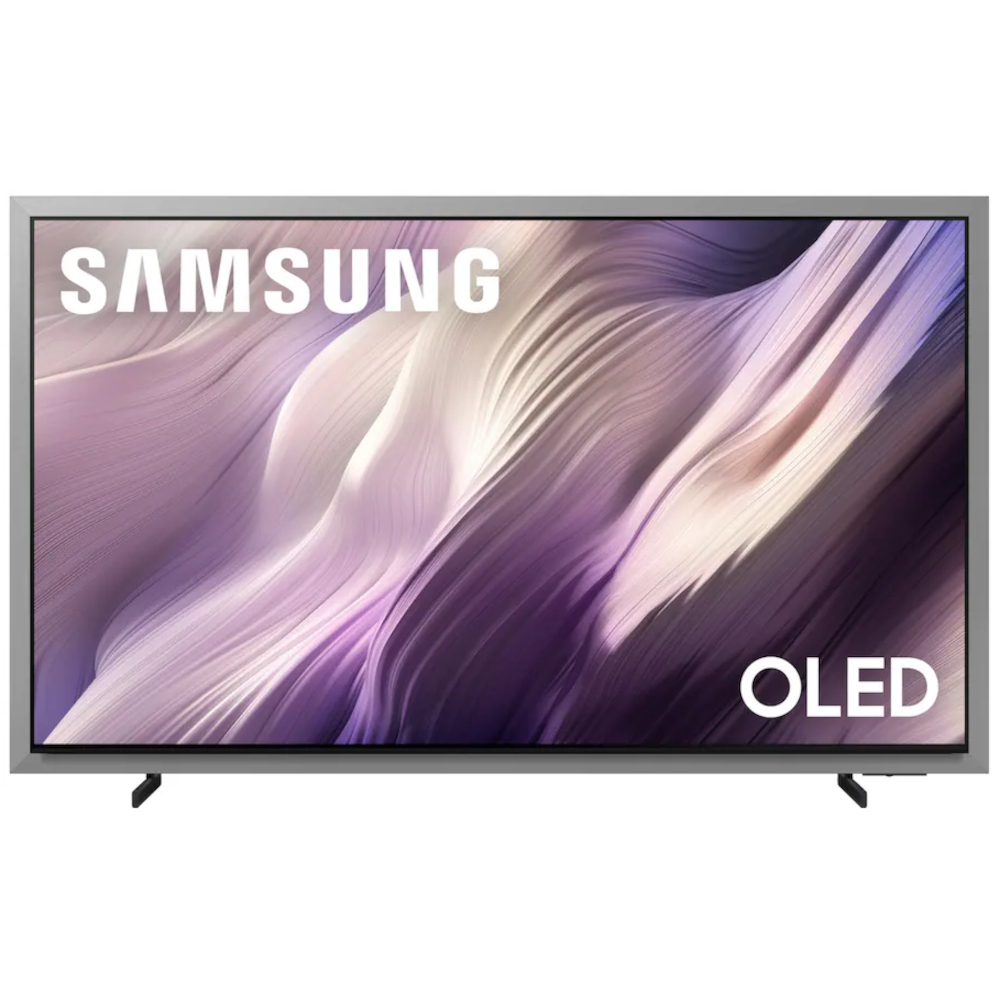
The Samsung S95H is one of the best OLED TVs I've ever seen, as it delivers a stunning, quantum dot-enhanced picture and nearly every feature one could want. It's also one of the priciest TVs you can buy, so the LG C6 will likely be a more attractive option for OLED-shoppers.
LG C6 vs Samsung S95H: Specs compared
|
LG C6 |
Samsung S95H |
|
|---|---|---|
|
Sizes |
42", 48", 55", 65" |
55", 65", 77", 83" |
|
Ports |
4x HDMI 2.1 |
4x HDMI 2.1 |
|
Resolution |
3,840 x 2,160p |
3,840 x 2,160p |
|
Refresh rate |
165Hz |
165Hz |
|
HDR |
Dolby Vision, HDR10, HLG |
HDR10, HDR10+, HDR10+ Advanced, HLG |
|
Smart TV software |
webOS 26 |
Tizen OS |
|
ATSC 3.0 support? |
No |
No |
|
Processor |
a11 AI Processor 4K Gen3 |
NQ4 AI Gen3 |
First, let's take a look at the available size options in both series. You can buy the LG C6 in 77- and 83-inch variants, but these are classified as an altogether different model called the LG C6H. In other words, if you want a 77- or 83-inch LG C6, you'll technically have to buy the C6H.
We've yet to test either the 77- or 83-inch versions of the C6H, but LG promises better performance on these sets on account of the fact that they're equipped with LG Display's newest RGB Tandem OLED display. This panel type allows for higher brightness and better color volume than the standard WOLED displays found on the 42- to 65-inch versions of the C6.
There's panel variance to be aware of on Samsung's side, too. The 55-, 65- and 77-inch versions of the S95H harness Samsung Display's quantum dot-enhanced OLED display, while the 83-inch S95H uses LG Display's RGB Tandem OLED panel, similar to the C6H. (I'll dive into how the differences in panel type affect performance later on.)
One of the biggest differences between these sets lies in HDR support. Like all LG OLEDs, the C6 supports Dolby Vision, a proprietary version of enhanced HDR.
As is the case with all Samsung TVs, the S95H does not support Dolby Vision. Instead, Samsung offers HDR10+, a royalty-free version of Dolby Vision that leverages metadata to adjust the picture on a frame-by-frame basis, similar to how Dolby Vision works.
You'll still be able to watch Dolby Vision-mastered content on the S95H, but the picture will fall back to standard HDR10. It'll certainly look great, but technically speaking, the S95H can't take full advantage of Dolby Vision's efforts to replicate the creator's intent. (To learn more check out our guide to whether or not you need Dolby Vision.)
Neither OLED supports ATSC 3.0, which allows over-the-air broadcasts to be piped-in at native 4K resolution. However, both sets serve up four HDMI 2.1-compatible inputs and support 4K gaming at 120Hz (and up to 165Hz when a PC is connected).
With everything else being mostly equal, the C6's Dolby Vision support and wider range of size options gives it an edge here.
Winner: LG C6
LG C6 vs Samsung S95H: design
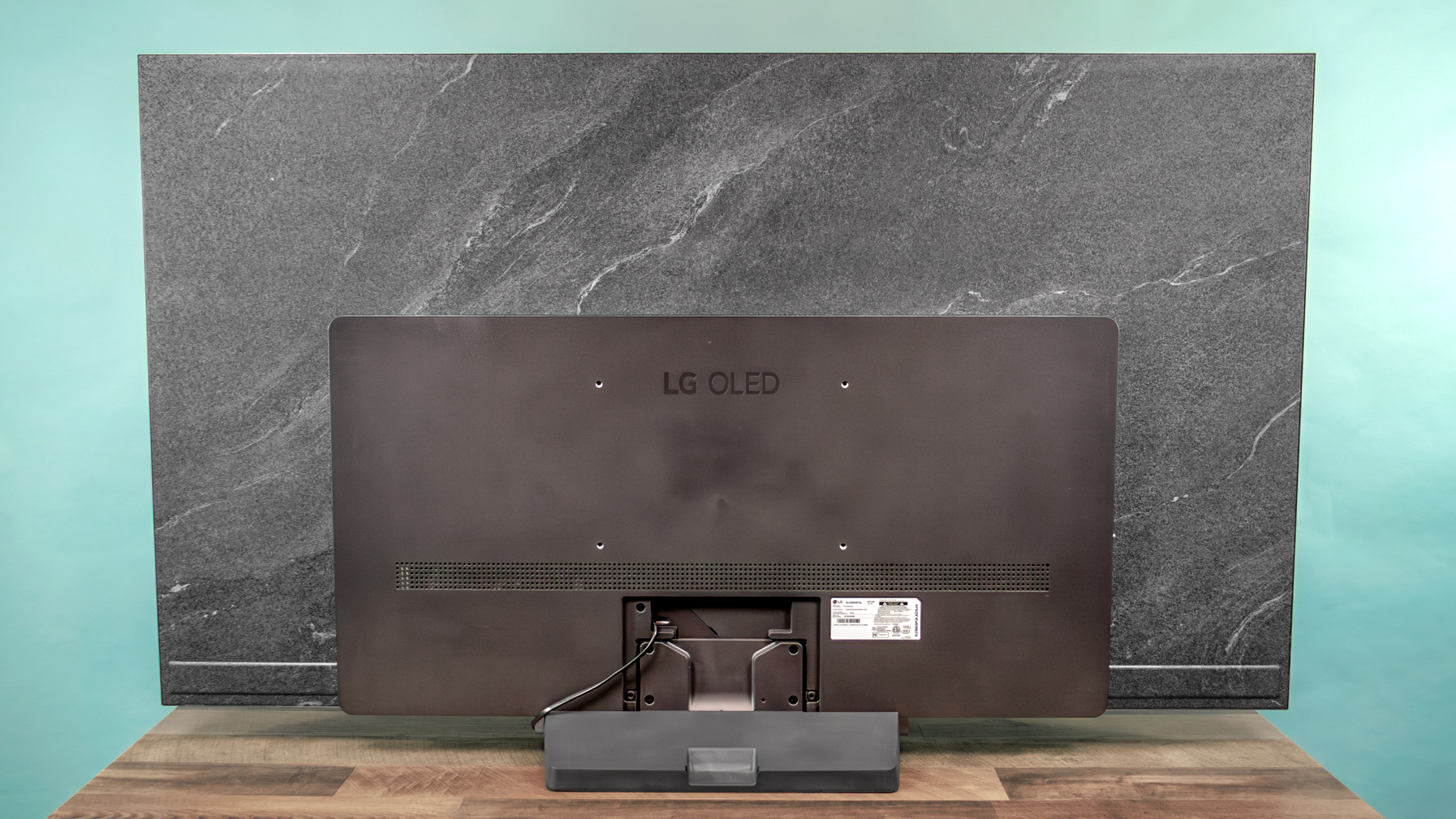
The C6 (seen above) mostly sticks to the design approach of its predecessor, the LG C5. That's good news, because it's an elegant-looking TV.
The C6's downward-slanting, wedge-shaped sits below the center of the screen. It sits low on its surface, so folks with taller soundbars ought to make sure the C6's design offers enough clearance.
I really love the sleek, thin look of the C6, since it leans into the flexible design elements OLED TVs are known for. And, while you'll almost never see this particular design flourish, I also dig the marble-like finish across the back of the C6's panel.
The C6 comes with the newest version of LG's Magic Remote. Like older versions of the Magic Remote, the C6's clicker can be used to point and click at the screen like a Wii-mote. If you don't want to use it (which I rarely do), there's a directional pad here, too.
Whether you mount it on the wall or set it up on a credenza, the C6's design is both premium-looking and convenient. The Samsung S95H, on the other hand, is a different story.
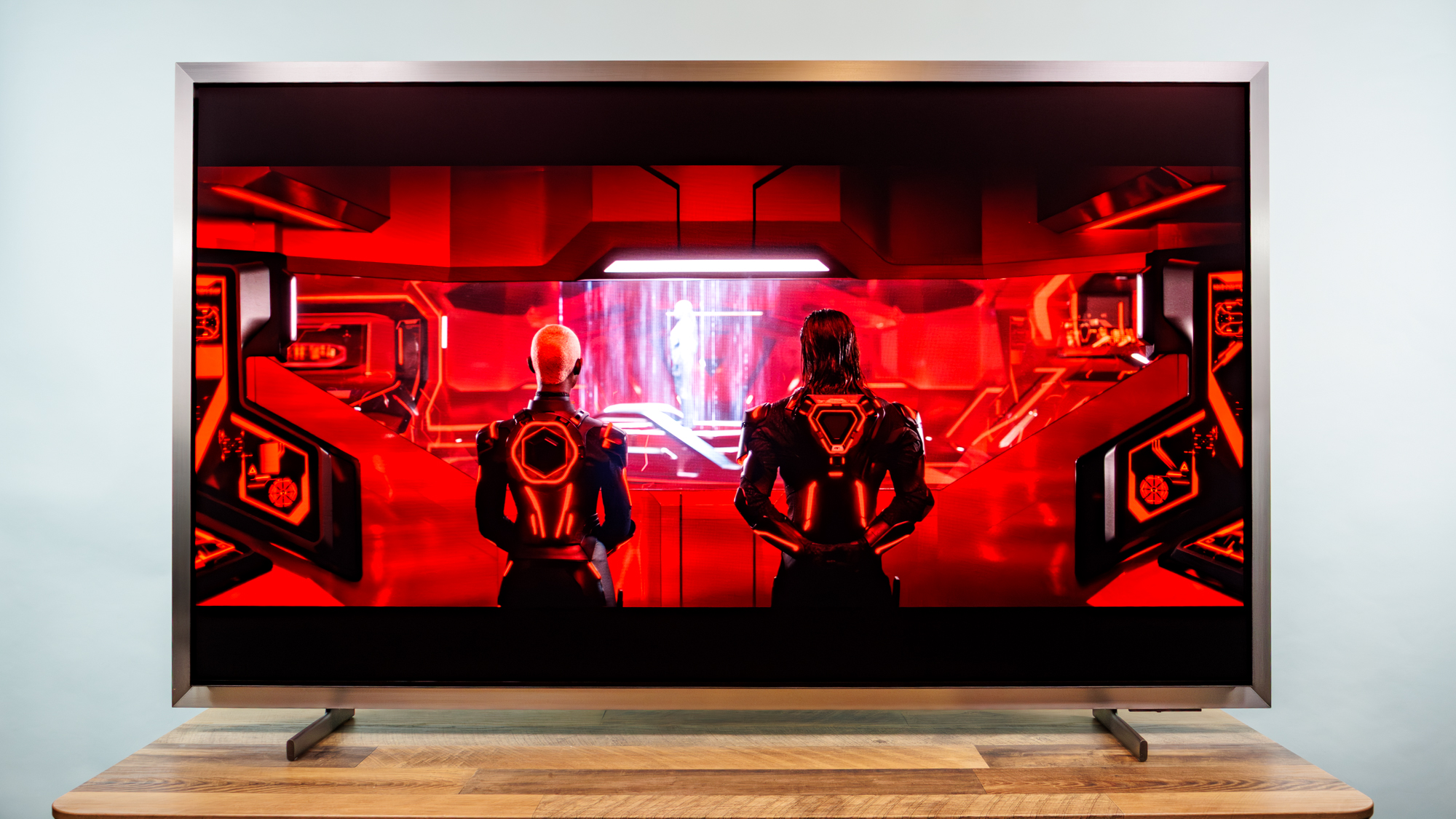
Built around Samsung's flagship OLED screen is a thick, metallic frame. The brushed-metal material plays the part of a premium piece of engineering, but it's quite divisive nonetheless.
For my money, the S95H's metal frame allows it to look better in a wall-mounted position than a wall-mounted C6. It keeps the S95H flush against the wall and resembles a portrait frame.
But on a credenza, media console or table, the LG C6 is a better-looking TV. The S95H comes with a pair of L-shaped feet if you don't decide to wall-mount it, but its frame (which can't be detached) looks out of place when not on a wall.
Like the its previous two predecessors, the S95H's screen features Samsung's Glare Free display. This matte-style finish is unparalleled in its ability to reduce direct glare, but it does so at a cost.
In well-lit rooms (especially during the day), the S95H's matte finish lifts the TV's black levels due to the manner in which it scatters incoming light. When this happens, darker portions of the screen can appear purplish- or pinkish-gray rather than deep, inky and black.
Thanks to its glossy-style screen, the C5 doesn't have this issue in well-lit rooms. However, it's nowhere near as adept at blunting the impact of direct glare.
Both TVs are rocking thoughtful, premium designs, but depending on your needs, you might favor one over another. The C6 is more versatile and the S95H is more specialized.
Winner: Draw
LG C6 vs Samsung S95H: Performance
Before we dive into which of these TVs is the better performer, let's compare their test results. (Both TVs were in their respective Filmmaker picture mode when these tests were taken.)
|
LG C6 |
Samsung S95H |
|
|---|---|---|
|
SDR Brightness (10%, in nits) |
355 |
253 |
|
Delta-E (lower is better) |
1.5 |
2.2 |
|
HDR Brightness (10%, in nits) |
1,355 |
2,721 |
|
UHDA-P3 Gamut Coverage |
99.77% |
99.92% |
|
Rec.2020 Gamut Coverage |
75.92% |
89.6% |
|
Input latency (milliseconds) |
9.1 |
9.7 |
Both of these sets are capable of delivering the key features that OLED TVs are known for: perfect black levels and pixel-level dimming. As a result, pretty much everything looks superb on both the C6 and the S95H. However, if you take a peek under their respective hoods, you'll see that their display hardware plays a big part in the S95H's built-in advantages.
As mentioned, the C6 leverages LG Display's standard WOLED display, while the S95H taps Samsung Display's quantum dot-enhanced OLED display.
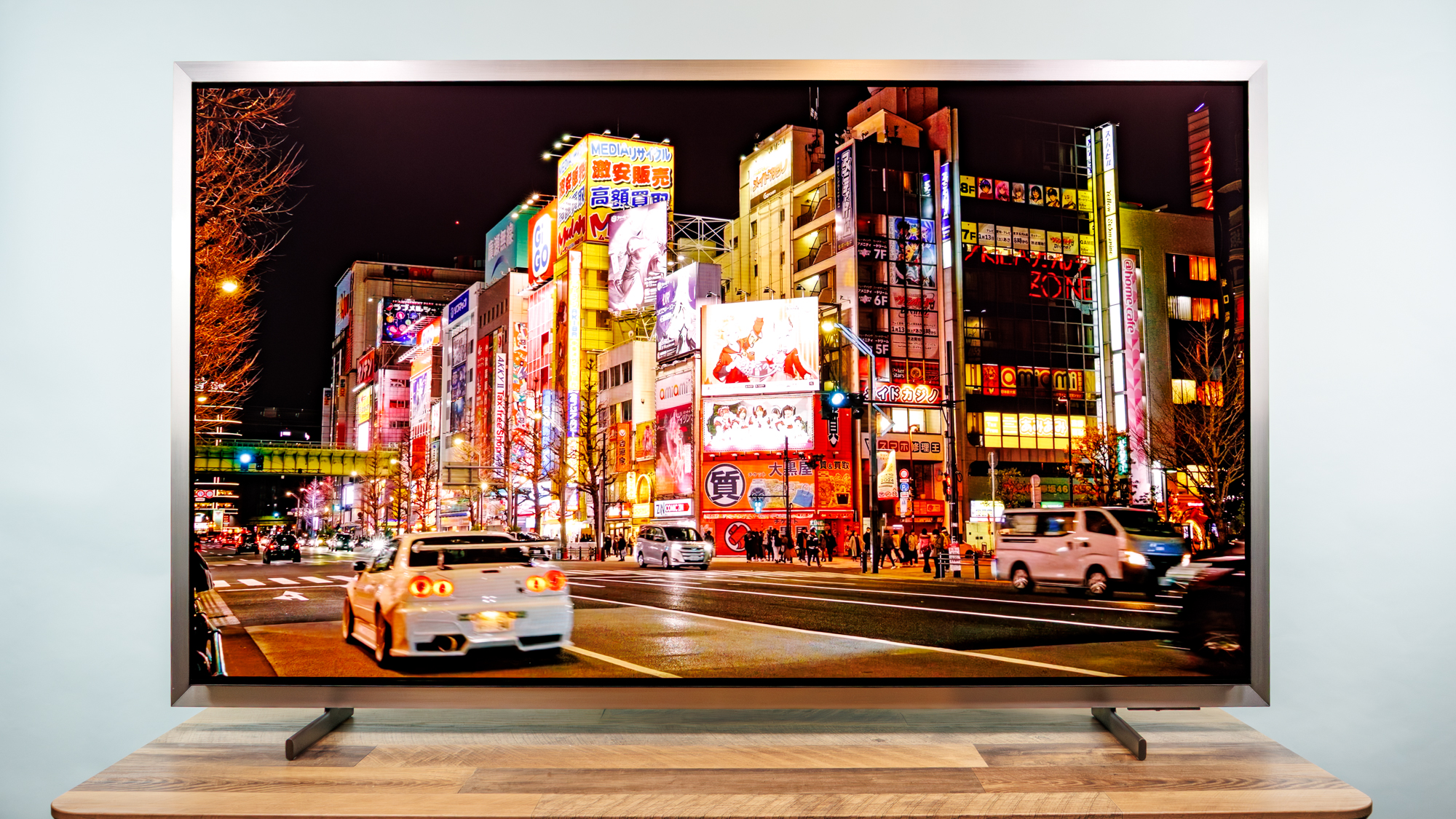
QD-OLEDs tend to offer brighter highlights and purer color than garden-variety WOLED panels, and we can see that in test results of the C6 and S95H. Samsung's flagship is capable of driving nearly twice as much brightness to specular highlights, and this has a tremendously positive impact on visual depth and clarity.
Fiery sparks, pools of reflective light and muzzle flares are much, much brighter on the S95H during HDR content. In addition, Samsung's quantum dot-enhanced display allows for better overall color volume than the C6, so everything from skin tones to foliage has a chance of looking richer on Samsung's flagship OLED.
Fiery sparks, pools of reflective light and muzzle flares are much, much brighter on the S95H.
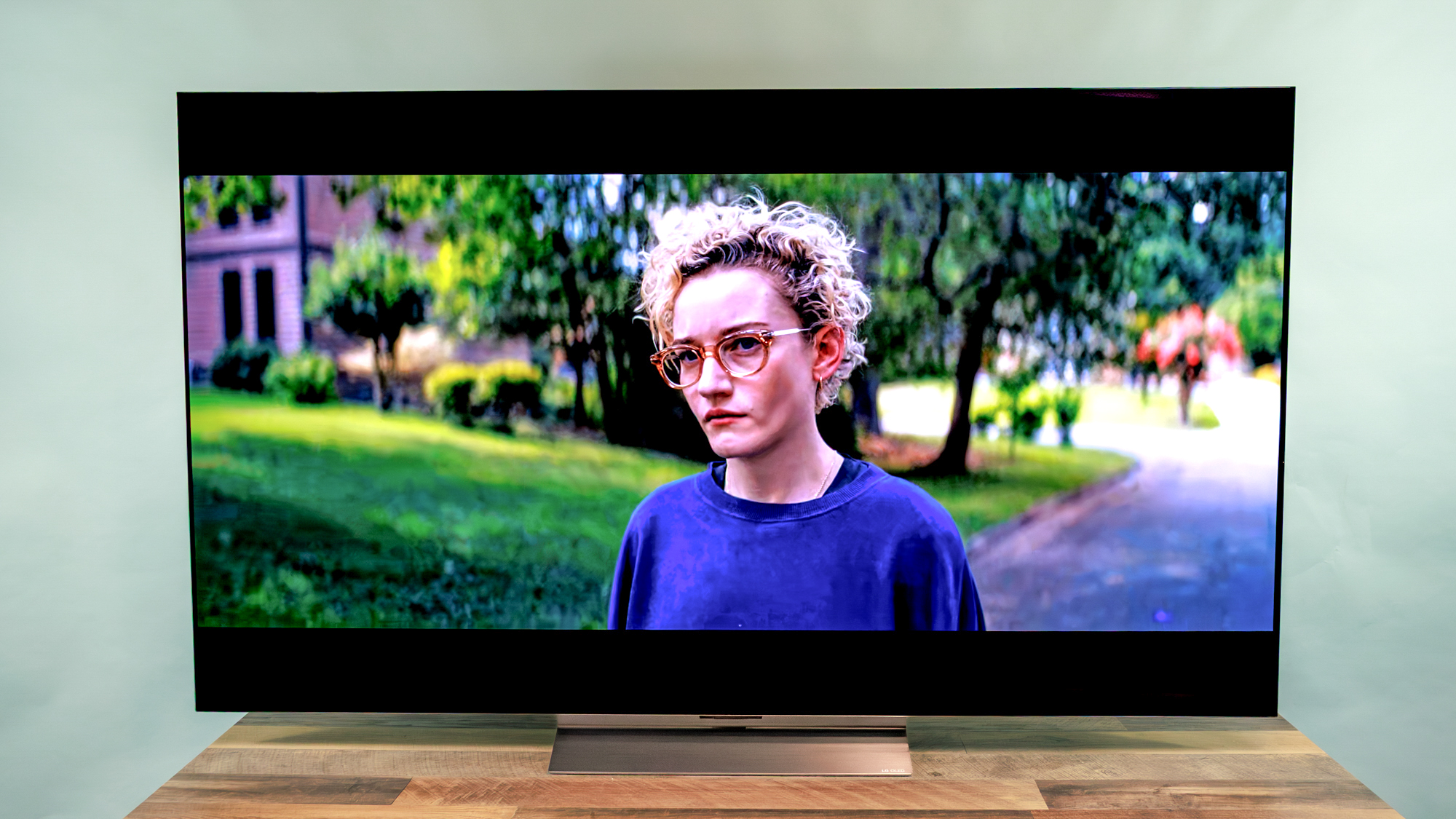
Make no mistake: The C6 is still an incredible performer. Over 1,300 nits of HDR highlight brightness is nothing to scoff at, and the self-emissive nature of OLED means that the C6 gets more out of its highlight brightness than an LCD TV with similar brightness levels. Colors are well-saturated, too, even if the C6 can't cover as much of the expanded color gamut as the S95H.
If the LG C6 is a 9/10 performer, the S95H offers 10/10 picture quality. In this case, the difference between a 9 and 10, however, is pretty wide. Both are excellent options if you care about picture quality, but the S95H offers some of the best performance I've ever seen.
Winner: Samsung S95H
LG C6 vs Samsung S95H: Smart platform and features
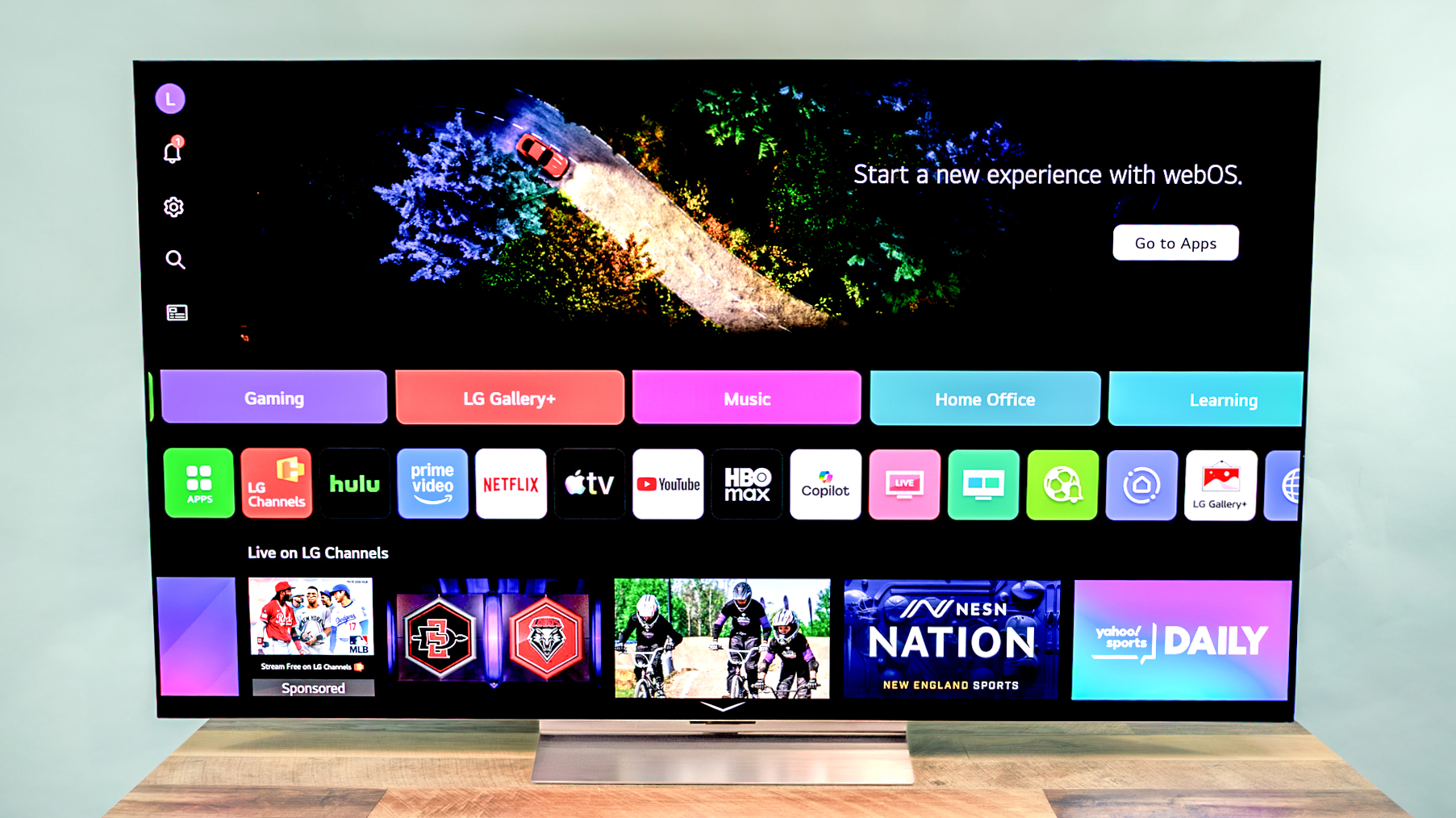
The C6 ships with the newest version of LG's webOS. It's a similar experience to last-year's version of webOS, but a handful of tweaks to the interface and menu layout make it a bit easier to navigate this year.
As far as smart platform software goes, LG's webOS isn't my top choice (that honor goes to Roku). It's littered with ads and recommended content, and at times, the software feels a bit sluggish.
That said, webOS will get the job done if you'd rather not shell out for a dedicated streaming box. I suspect that most people will see no problem using it as their daily streaming platform.
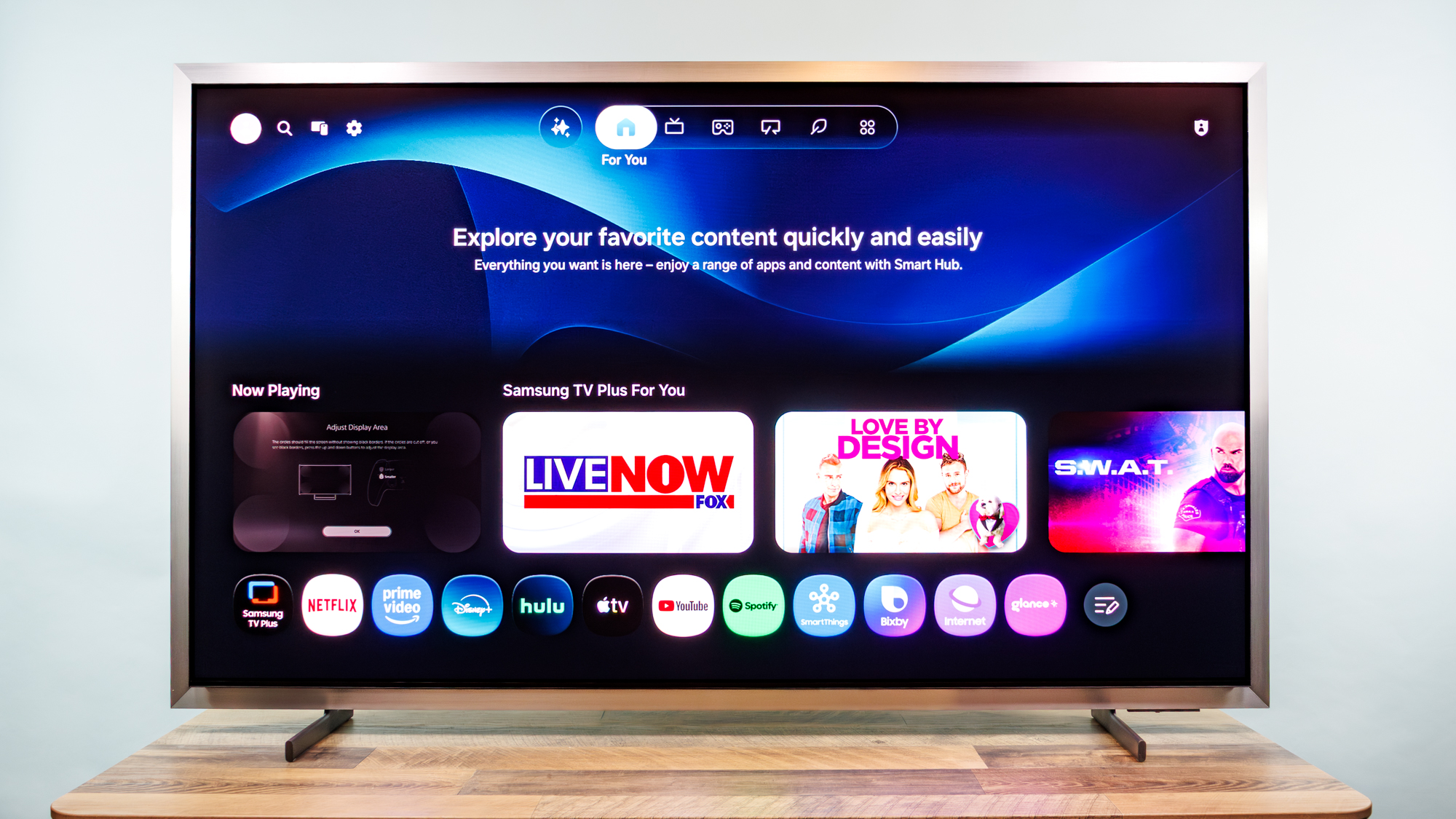
The S95H arrives with a recently refreshed version of Samsung's Tizen-based smart platform, Smart Hub. It's similar to what we used last year, but as is the case with webOS, Samsung has made some minor changes to improve navigation. For instance, new this year is a menu bar at the top of the screen that makes it easier to access important settings.
Unless you have strong feelings about either streaming software, both webOS and Smart Hub are similar in their perks and pain points. In other words, they're passable.
As far as gaming features go, the C6 and S95H are almost identical. As mentioned, each OLED offers HDMI 2.1-compatibility across all four inputs, which means you don't have to juggle devices to maximize bandwidth.
These TVs can make the most out of 4K titles on current-generation consoles, as they each support 4K gaming at 120Hz (and up to 165Hz with a PC linked up). Both offer Variable Refresh Rate (VRR), Auto Low Latency Mode (ALLM) and a version of AMD FreeSync Premium for smooth, artifact-free gameplay.
We've already docked the S95H for its lack of Dolby Vision support, and setting this aside, these TVs are very similar when it comes to software and enhancements. They're powerful gaming TVs with average streaming platforms.
Winner: Draw
LG C6 vs Samsung S90F: Verdict
|
LG C6 |
Samsung S95H |
|
|---|---|---|
|
Specs (25) |
24 |
24 |
|
Design (25) |
23 |
23 |
|
Performance (25) |
23 |
25 |
|
Features (25) |
24 |
24 |
|
Total Score (100) |
94 |
96 |
Here's some good news: No matter which set you settle on, you're getting one of the best OLED TVs of the year. But let's take a closer look at some key factors.
If you absolutely, positively want Dolby Vision support, the answer is easy: Buy the C6. Likewise, if you're looking for an OLED screen under 55 inches, the C6 is the answer.
The S95H is the OLED to buy if you favor picture quality above all else. Its added brightness and quantum-dot color add up to performance that's a significant step up from the C6. Similarly, if you have bright light sources in your living space and you suspect that the S95H's matte-style screen will help, Samsung is probably the way to go.
Price is important, too. Today, you can spring for a 65-inch C6 for $1,999 on Amazon. The 55-inch LG C6 is available for just $1,699 on Amazon. That's not exactly cheap, but it's a far better cost than what you'll have to shell out for Samsung's top OLED TV.
Right now, the 65-inch Samsung S95H is $3,299 at Best Buy. The 55-inch S95H is $2,299 at Best Buy — a full $600 more than the 55-inch C6.
This gulf in pricing is why I recommend the LG C6 to most shoppers. It's still a stunning, high-performing TV that delivers everything I appreciate about OLED technology, but it's much more accessible. The S95H is more of a luxury purchase for those who want the best of the best.
More from Tom's Guide
This is a preview from the original publisher. Continue reading at the source:
Read Full Article on tomsguide.com →