

Slate's $24,950 electric truck is on track for release this year — here's how it stacks up against the cheapest EVs I've tested
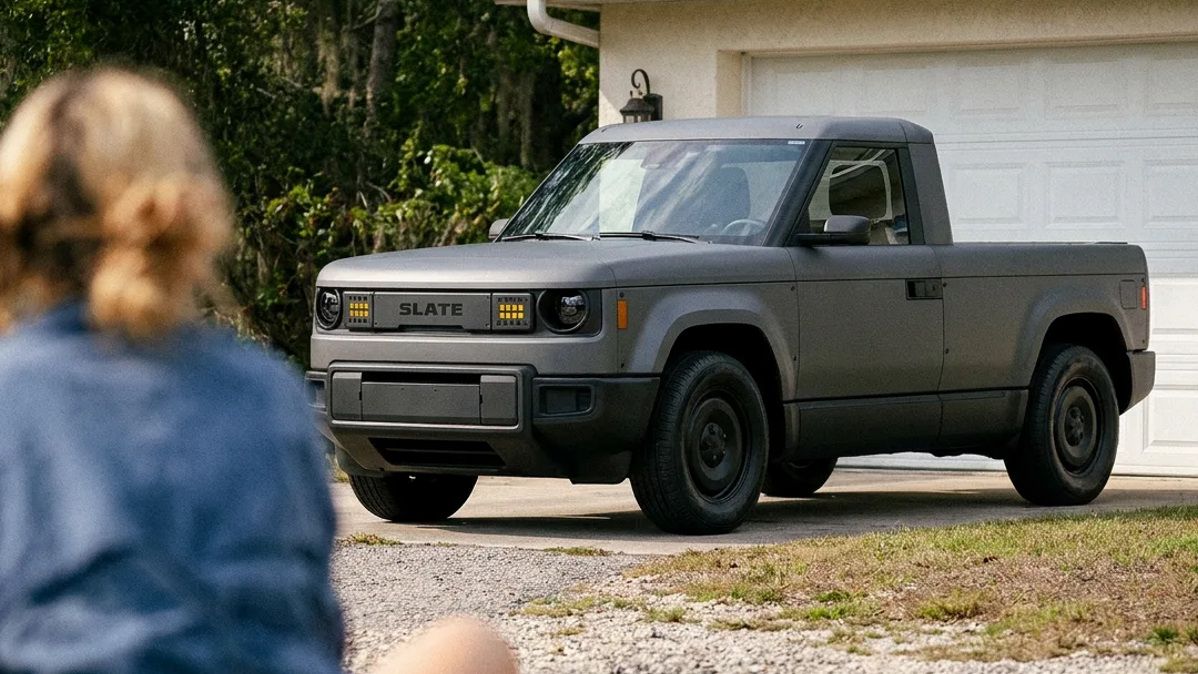
Over the past few years, the automotive industry has made a lot of promises about making affordable electric vehicles. Through it all, budget-conscious drivers looking for a true entry-level price point have found themselves stranded. But the ending may be in sight, thanks to increased competition.
When the Jeff Bezos-backed Slate came out of nowhere last year to announce its $20,000 all-electric truck, it really struck a chord. It has since gone up slightly to a starting price of $24,950, but it's firmly on track for release this year to challenge the status quo of what an EV can cost.
Honestly, it has a lot to prove because its low price tag on paper comes with compromises. As much as I’m thrilled by the level of customization it offers, I can’t forget that it’s as spartan as they come — it has manual seats and windows, which is an oddity in today’s market. Here’s how Slate’s highly anticipated EV truck stacks up against the most affordable EVs I've tested.
Blank Slate: What you need to know
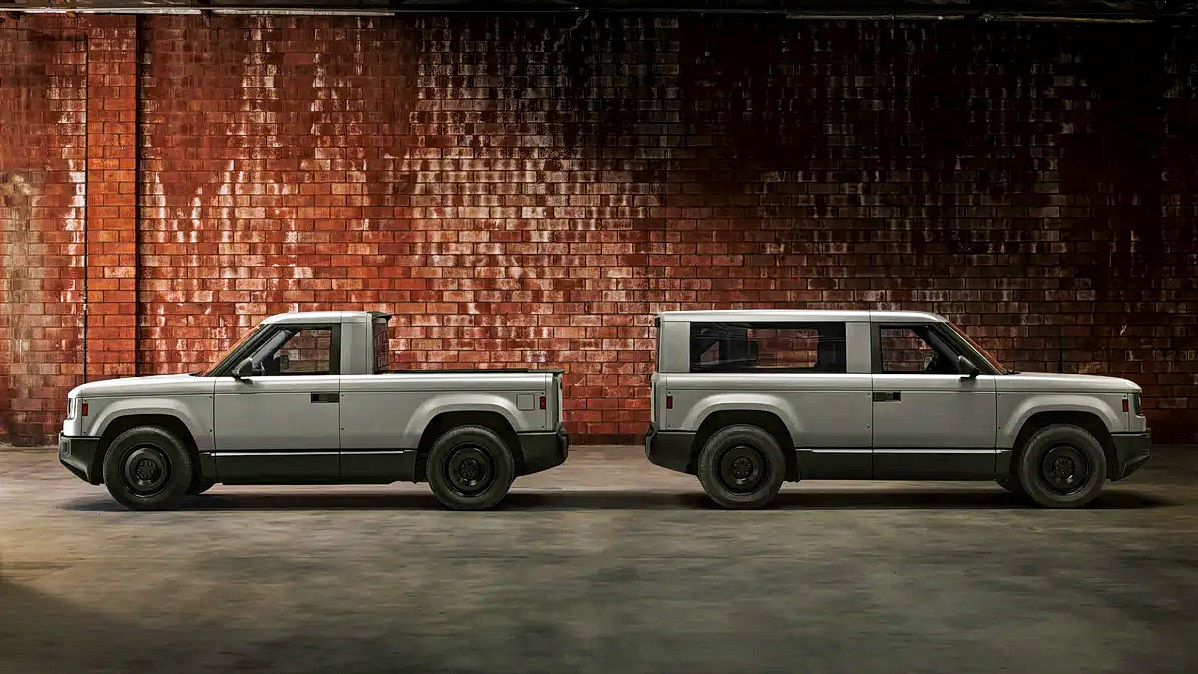
If you go to the company's site and build a model, you’ll find three EV options: the Blank Slate, Squareback SUV, and Fastback SUV. They all target the entry-level market, but the Blank Slate is the cheapest among them with a starting price of $24,950 — which is what I'm focusing on.
To keep costs low, it embraces an ultra-minimalist design that cuts standard tech amenities like a touchscreen display, relying instead on the driver's smartphone. Additionally, the cabin is completely bare-bones, featuring manual windows and seats. You also won’t find convenience features I've come to rely on, like adaptive cruise control.
Mechanically, the truck is built for utility, featuring a rear-wheel-drive motor pushing 181 horsepower and a 65 kWh battery pack that delivers an estimated 205 miles of range. Thankfully, it features an integrated NACS port for broader charging access to Tesla’s Supercharger network.
Chevrolet Bolt vs. Blank Slate
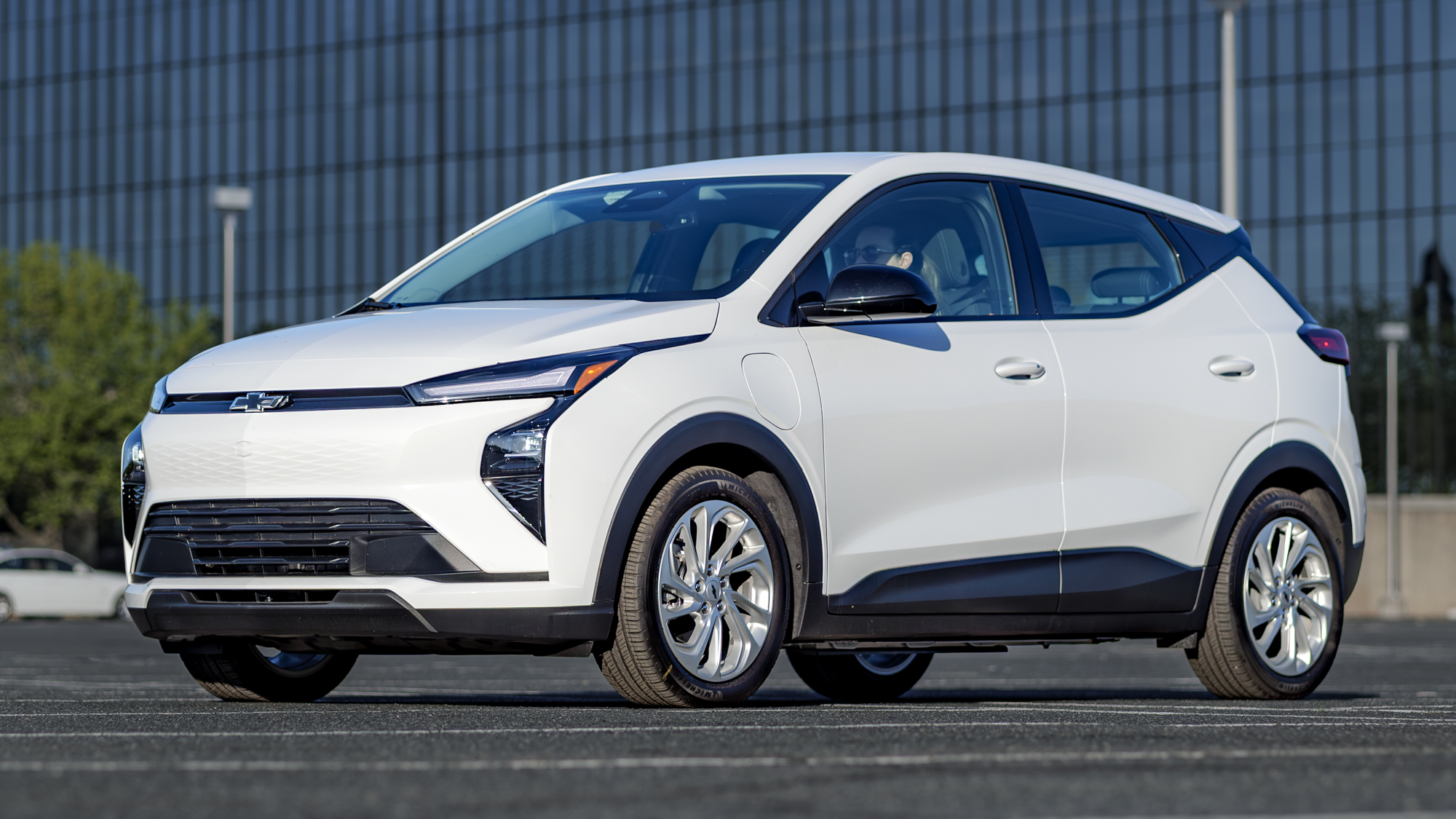
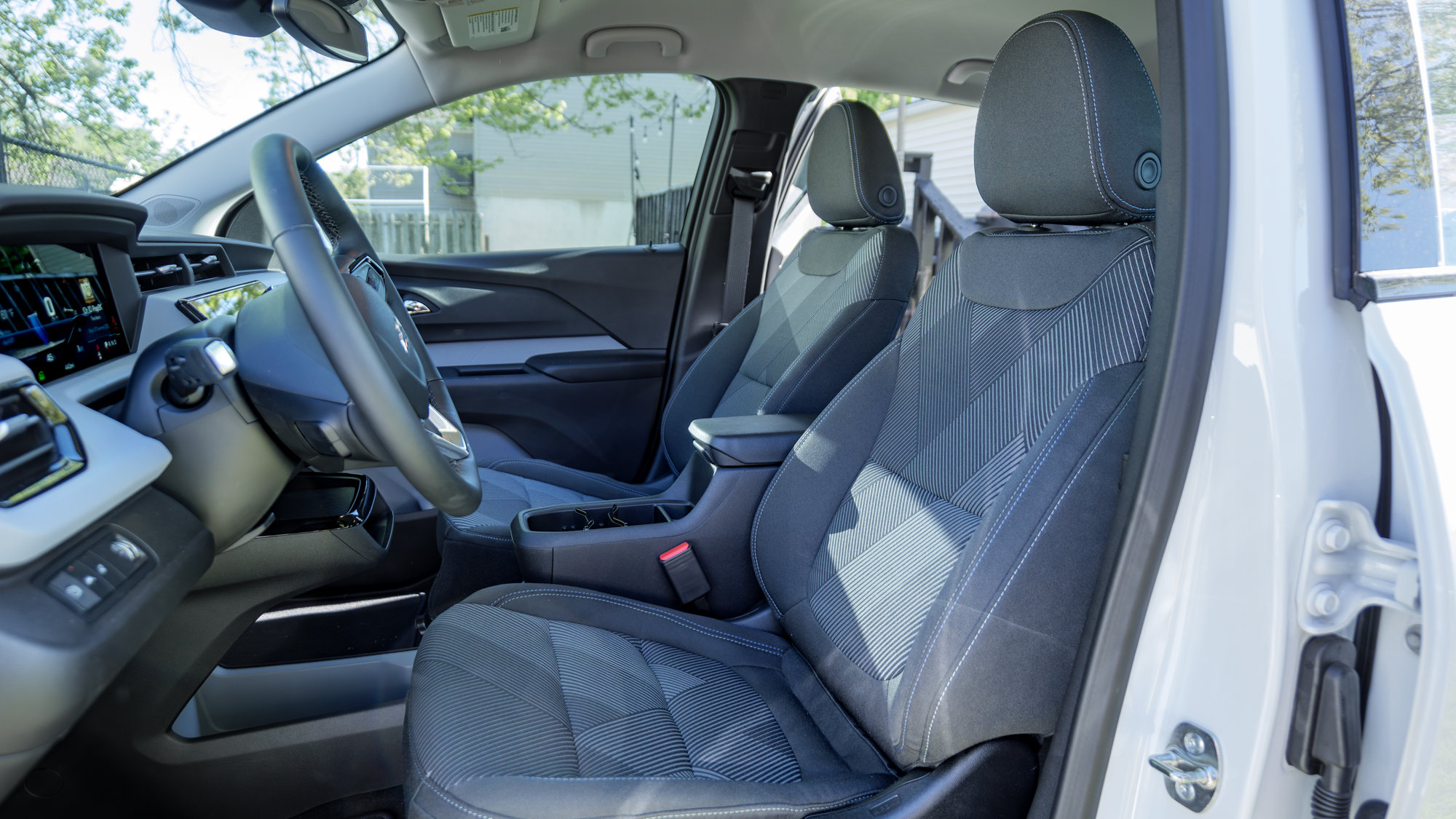
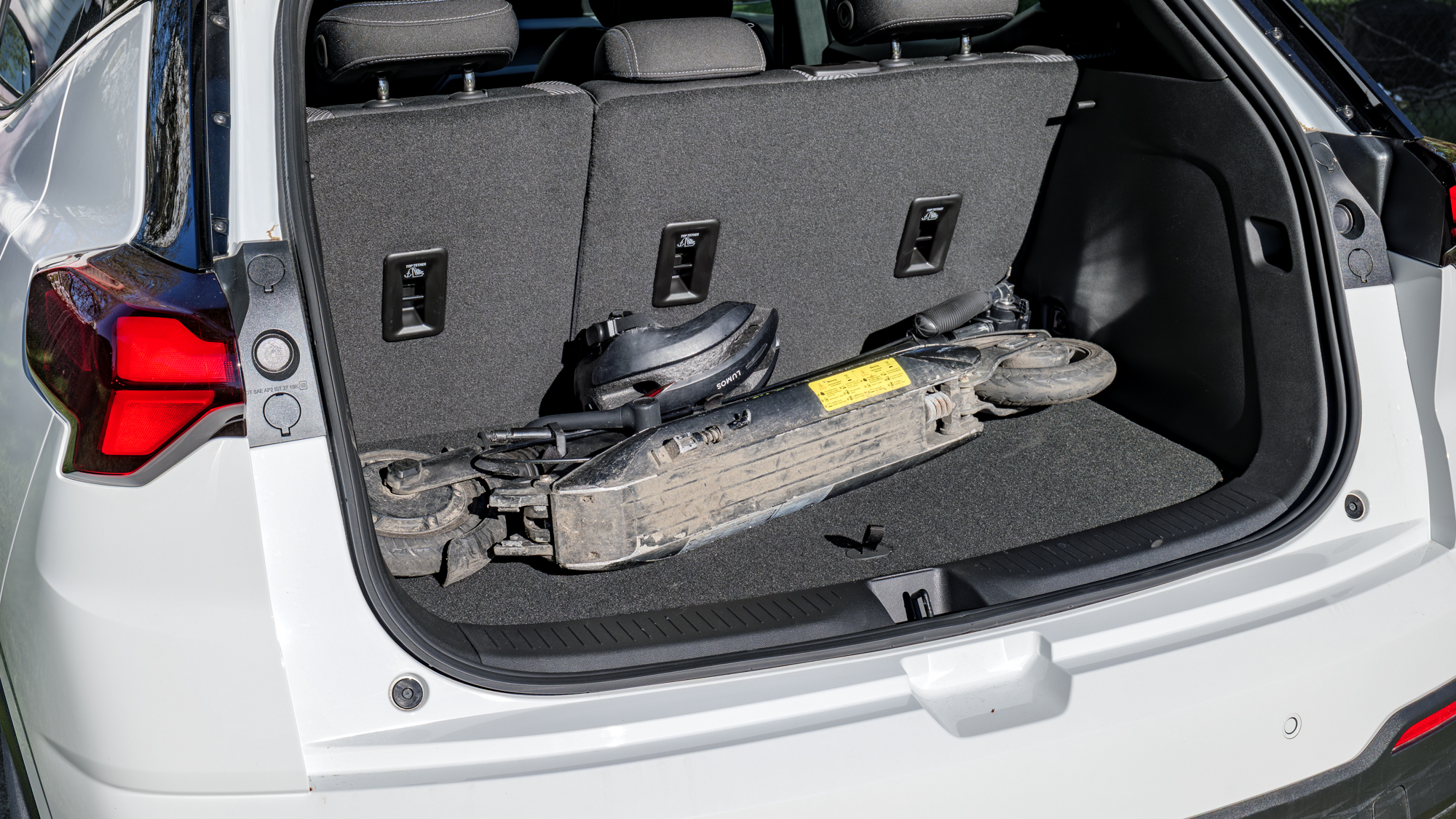
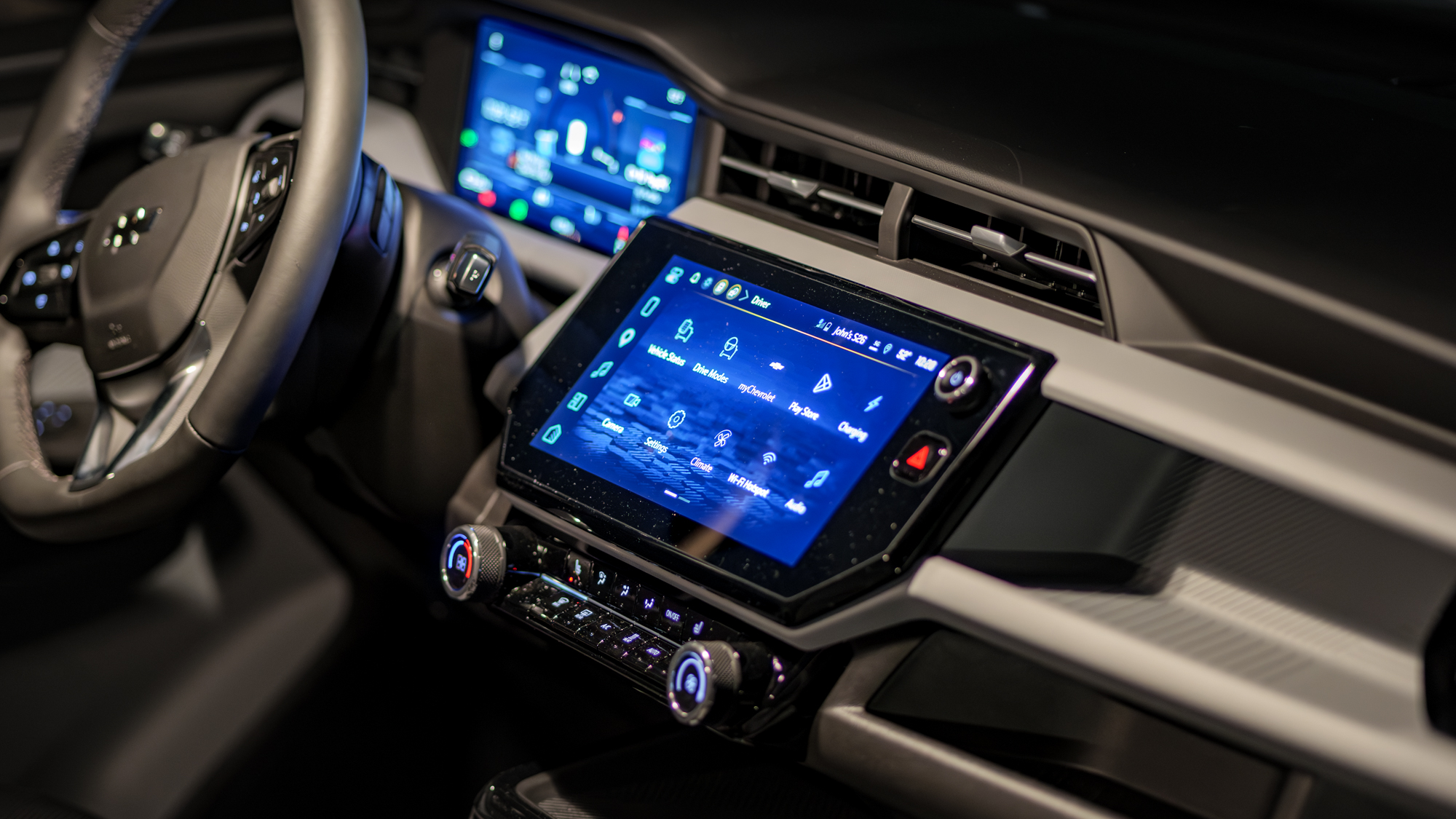
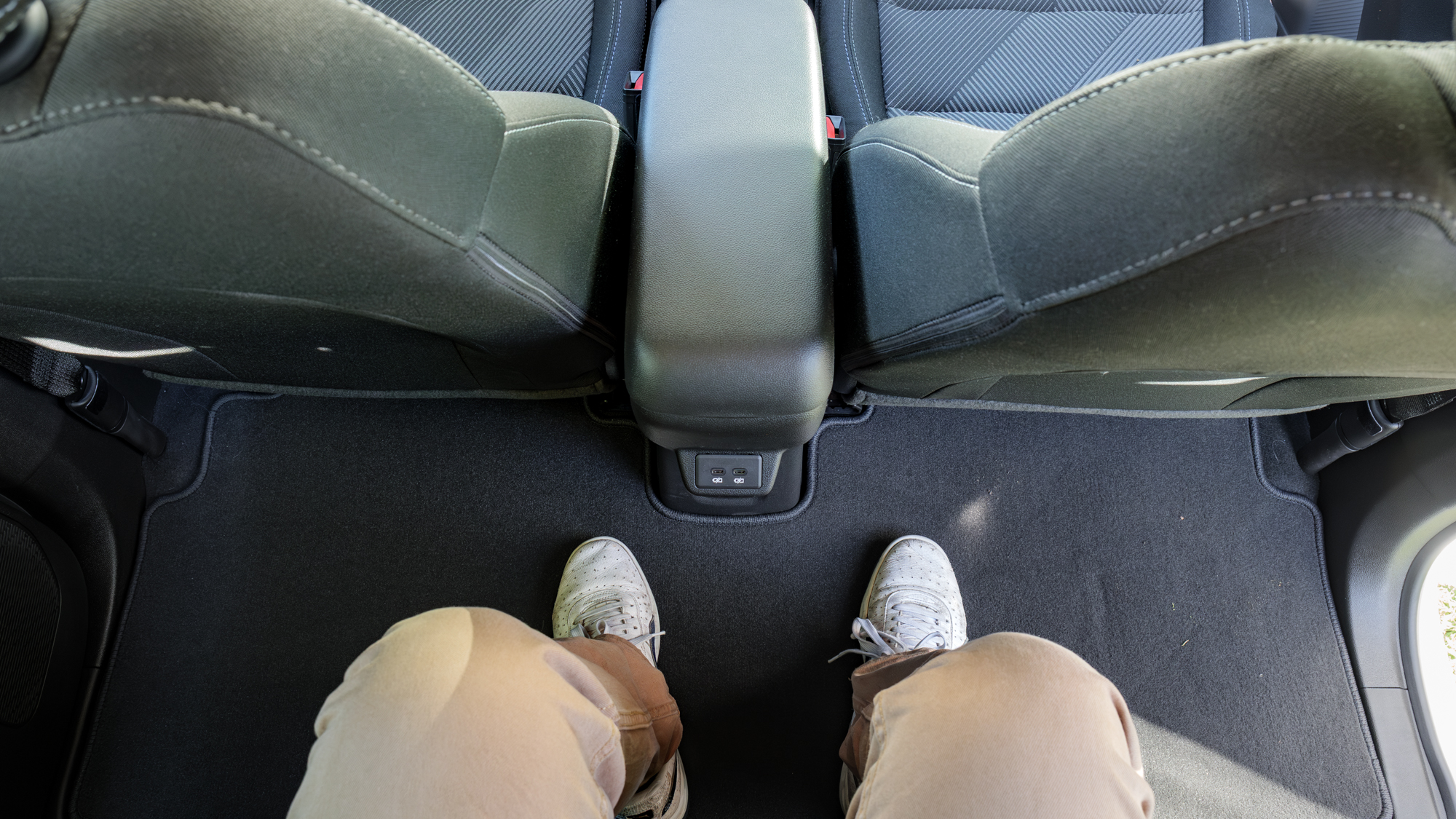
The closest vehicle to the Blank Slate in terms of price is none other than the Chevrolet Bolt. This all-electric subcompact crossover SUV is the cheapest EV I’ve tested in the last year, with an as-tested cost of $29,990. While its design is rather boring in my opinion, it certainly beats the Blank Slate with its 210-horsepower performance and vastly superior range.
Drawing from its own 65 kWh battery pack, the Bolt yields an estimated 262 miles of range, easily beating the Slate's 205-mile estimate by over 50 miles. Even though my actual weeklong average with the Bolt came out to 3.7 mi/kWh, that sustained rate would still eclipse the Blank Slate.
On top of that, the Bolt at this price point has everything I expect in an EV — like power windows, a large 11.3-inch center touchscreen, sporty seats, ample rear legroom, and adaptive cruise control.
Read our full review: Chevrolet Bolt
Fiat 500e vs. Blank Slate
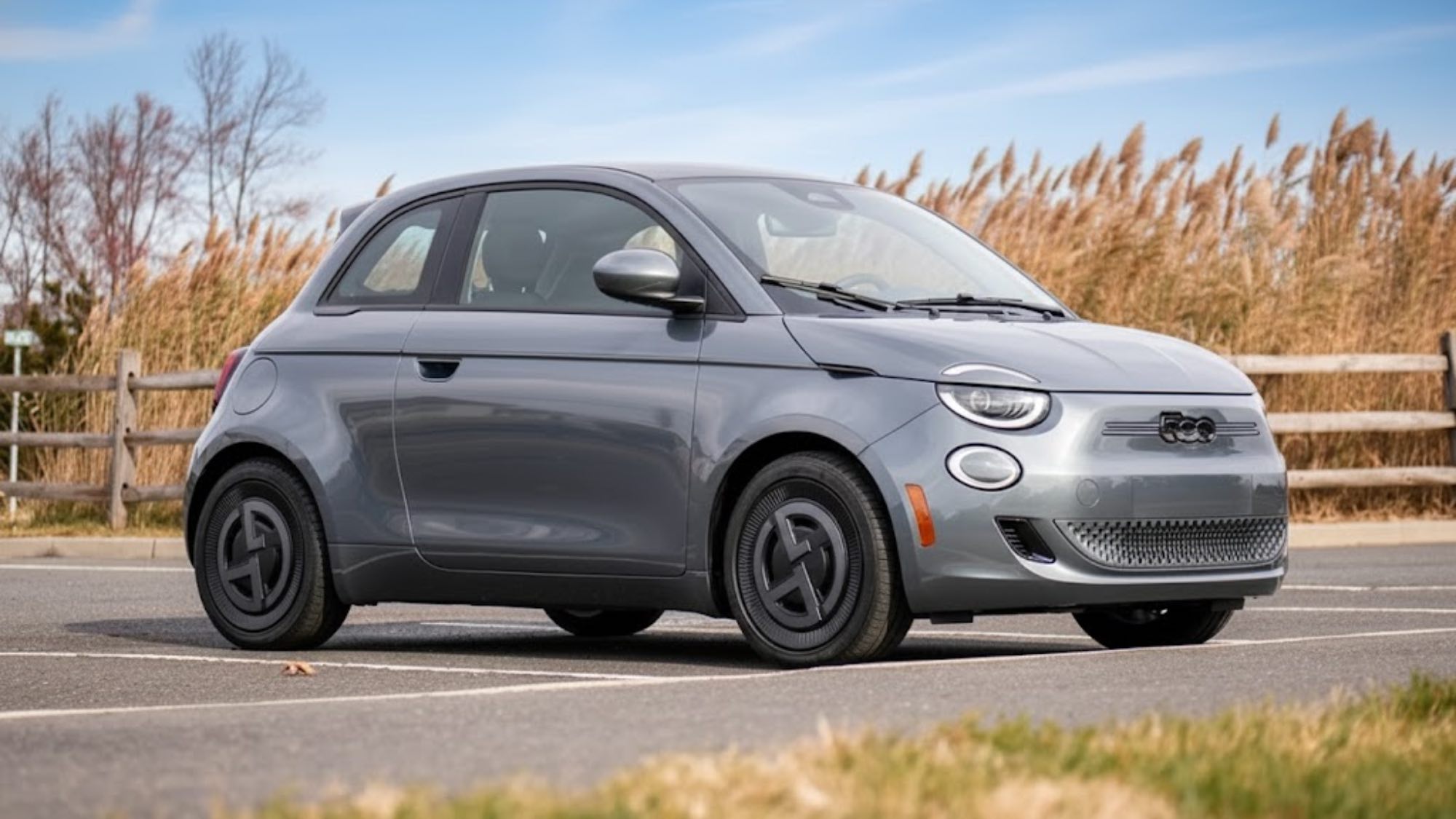
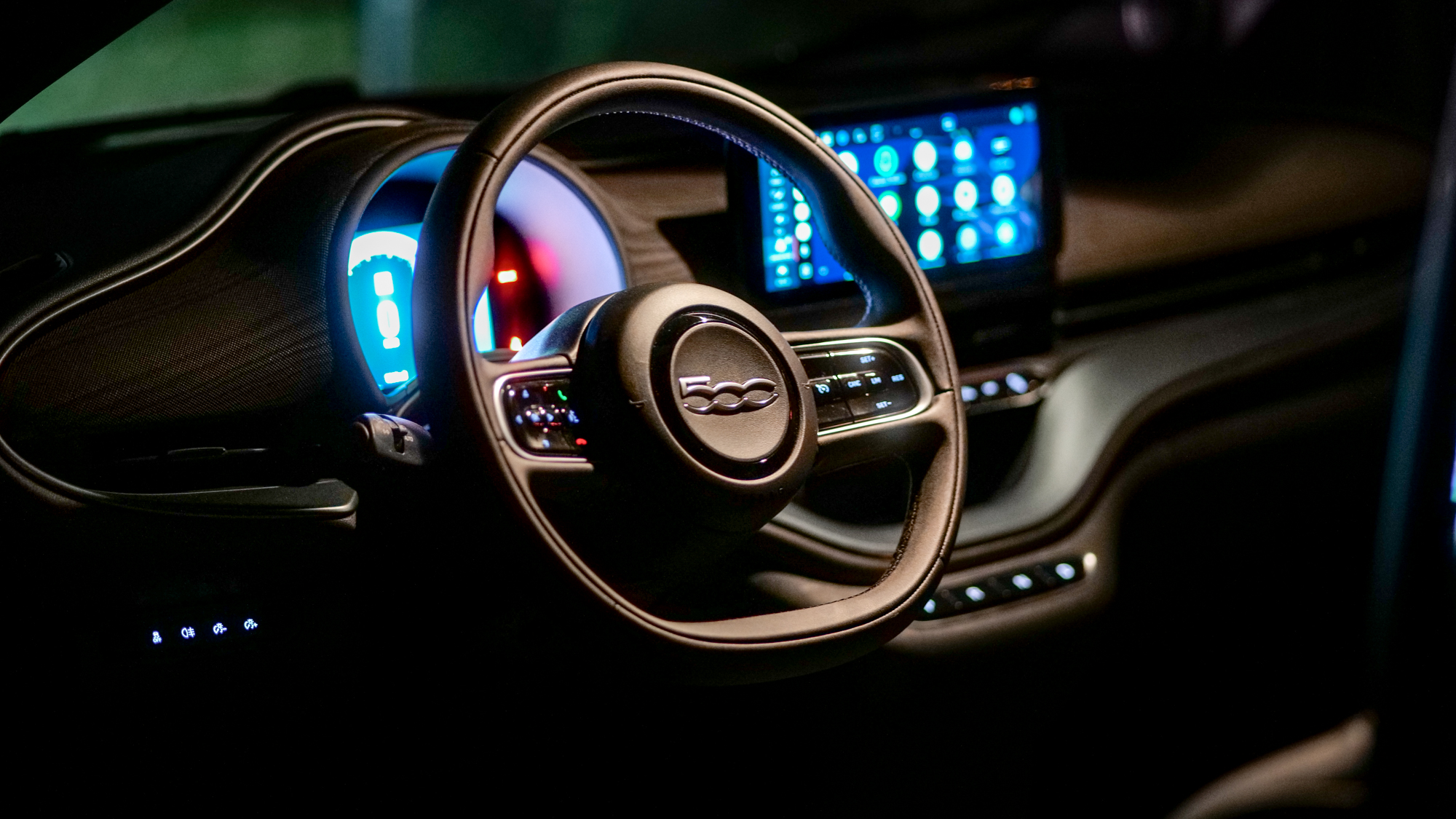
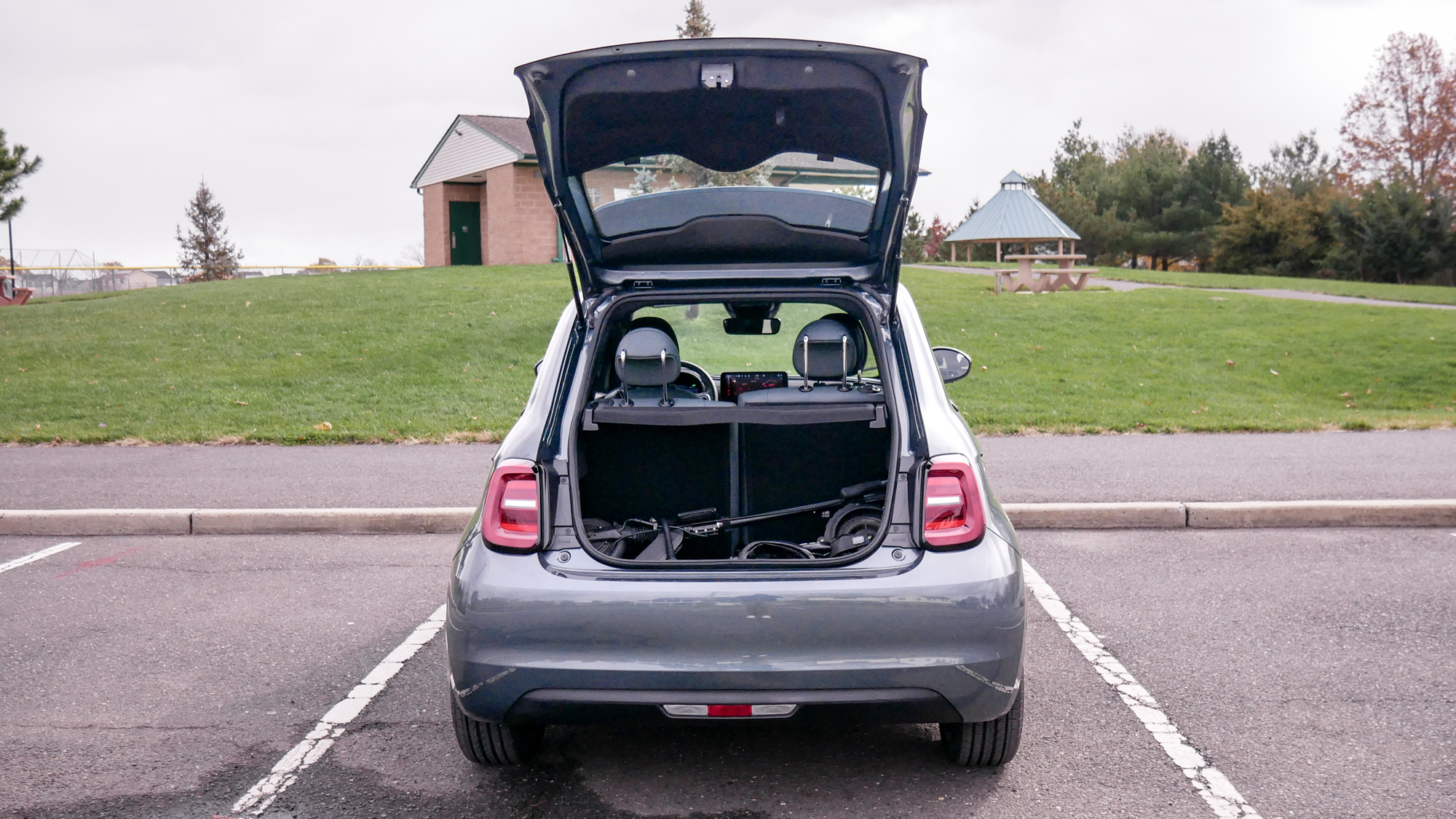
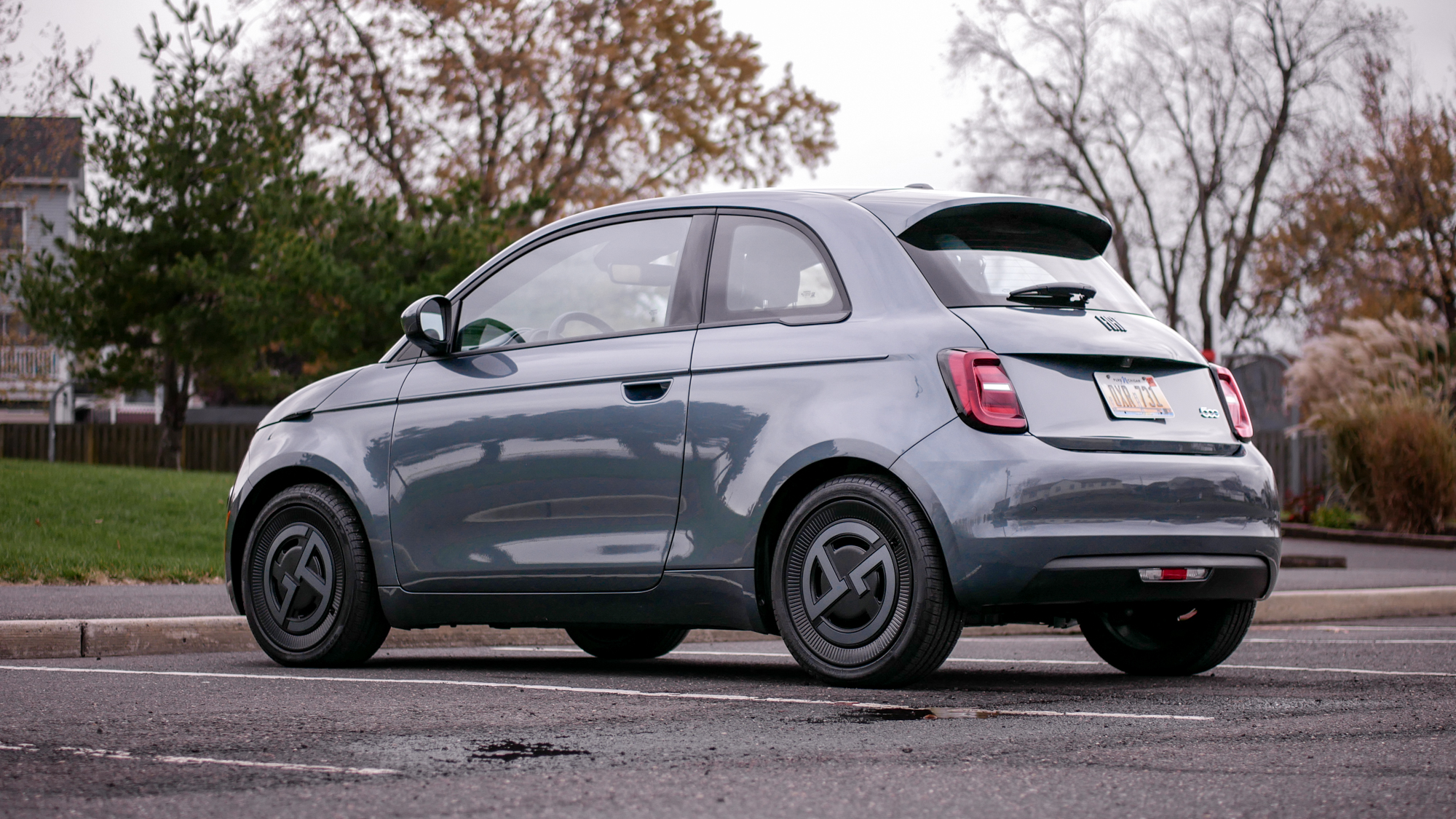

Next up is the Fiat 500e with a $35,500 as-tested price. This tiny Italian EV hatchback is a different kind of commuter car; it certainly compromises on usable space compared to the Blank Slate, but it makes up for it by being a more agile option for city drivers.
It’s noticeably down on power compared to the Slate, with its single electric motor pushing out just 117 horsepower. Obviously, being the smallest EV sold in the U.S. has its limitations — like its 42 kWh battery giving it an estimated range of 149 miles. However, numbers on paper don’t tell the whole story. It proved to be one of the most efficient models I've tested, achieving a real-world average efficiency of 4.28 mi/kWh during my weeklong evaluation.
The biggest contrast is in the presentation. While the Fiat shares the Slate’s annoying omission of adaptive cruise control and sticks you with manual seats, its cabin doesn't feel like a punishment. You still get a bright 10.3-inch touchscreen with wireless Apple CarPlay and Android Auto, full power windows, and a premium, zippy feel that makes it an absolute breeze to park in tight city spaces.
Read our full review: Fiat 500e
Toyota bZ vs. Blank Slate
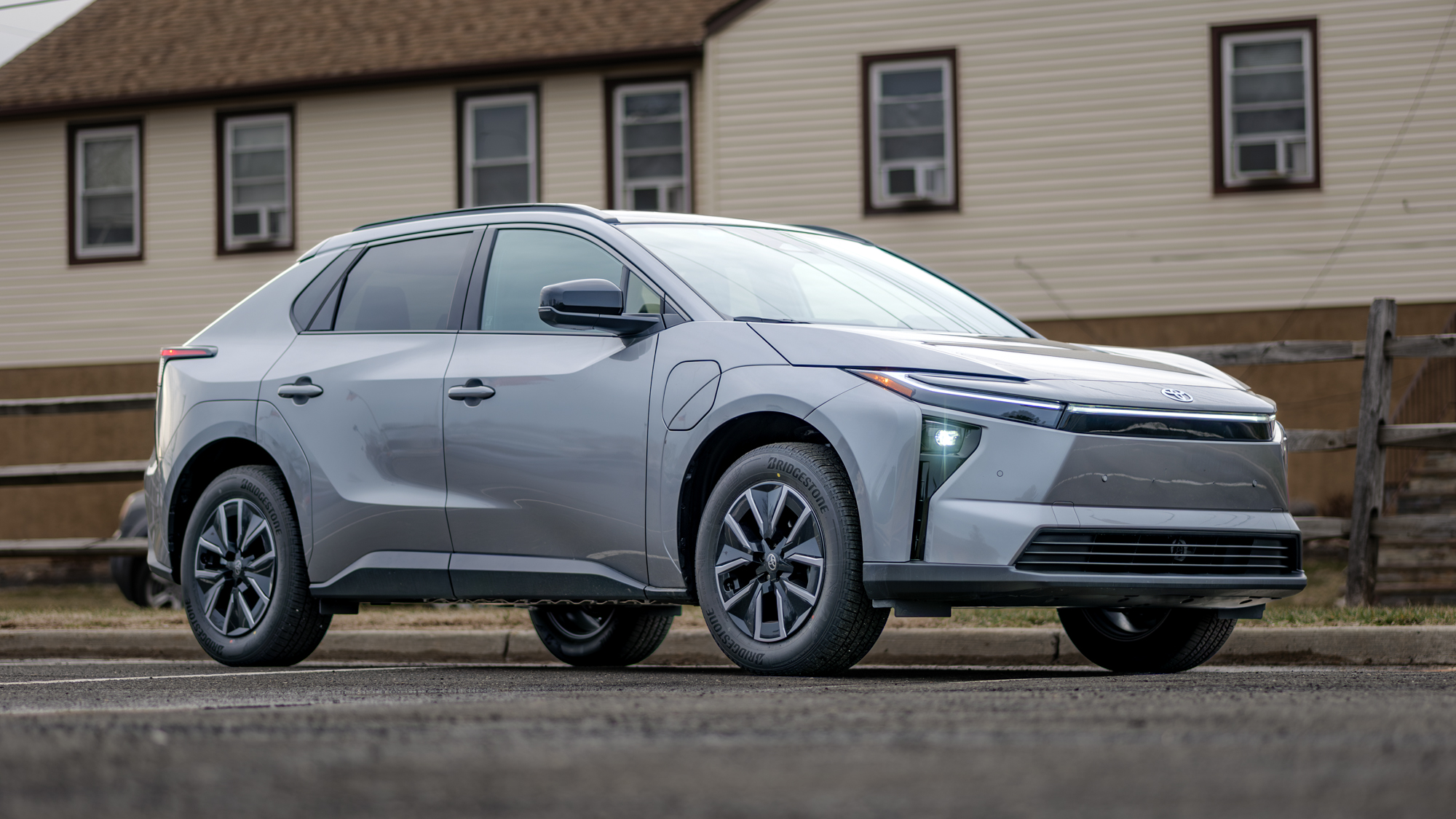
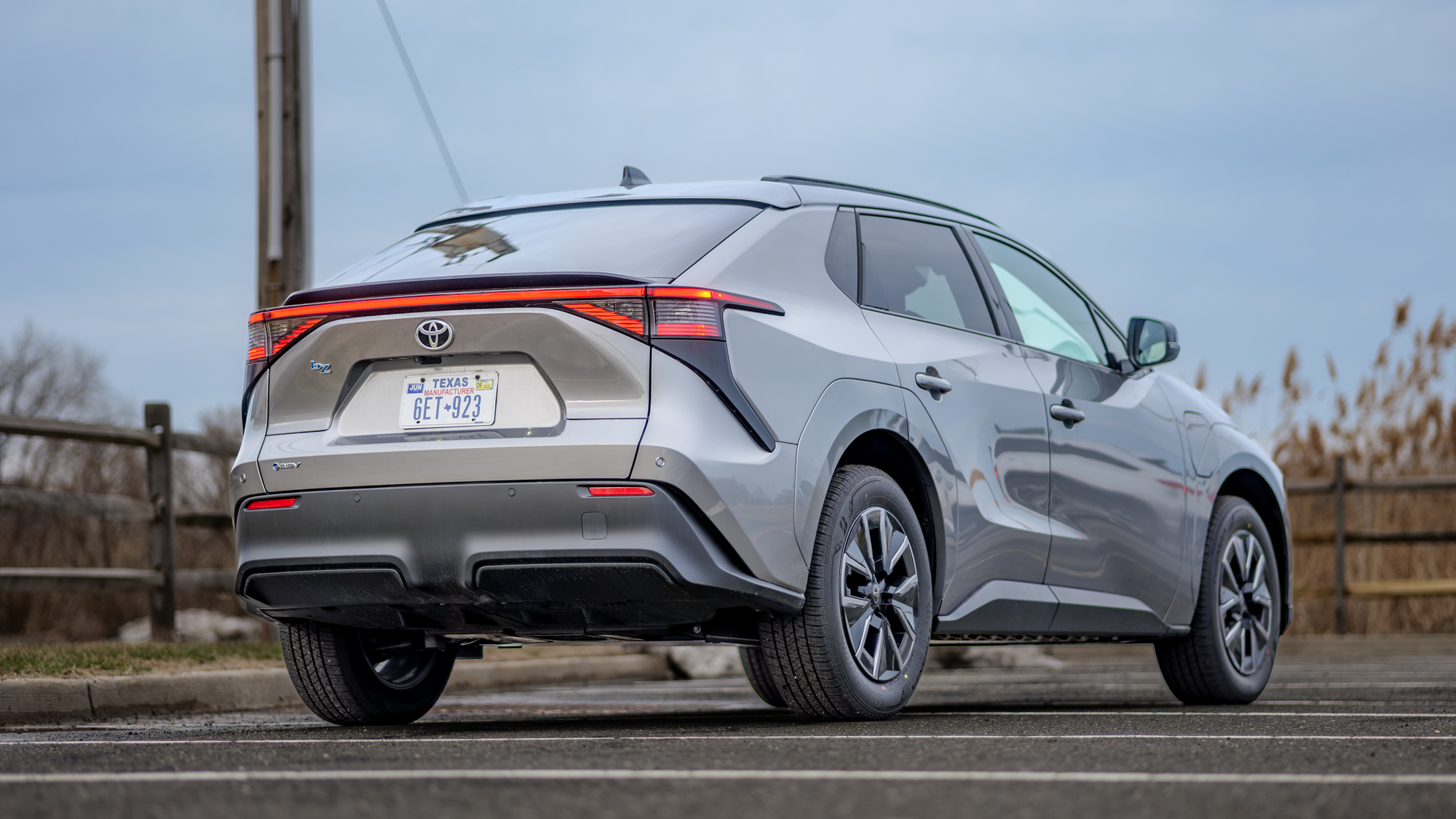
On the higher end of the affordable spectrum sits the 2026 Toyota bZ. Starting at $37,900, this electric crossover commands a much steeper premium over the Blank Slate, but it’s one of the most improved models I’ve put through its paces.
The price increases to $40,468 for the exact trim I tested, but its biggest selling point is the astonishing 5.4 mi/kWh efficiency I averaged. In fact, it’s the most efficient EV I’ve ever tested, which would effectively give it a range of 403 miles based on my real-world average. When people talk about range anxiety with EVs, I simply need to point them to the bZ to show how it dispels that fear.
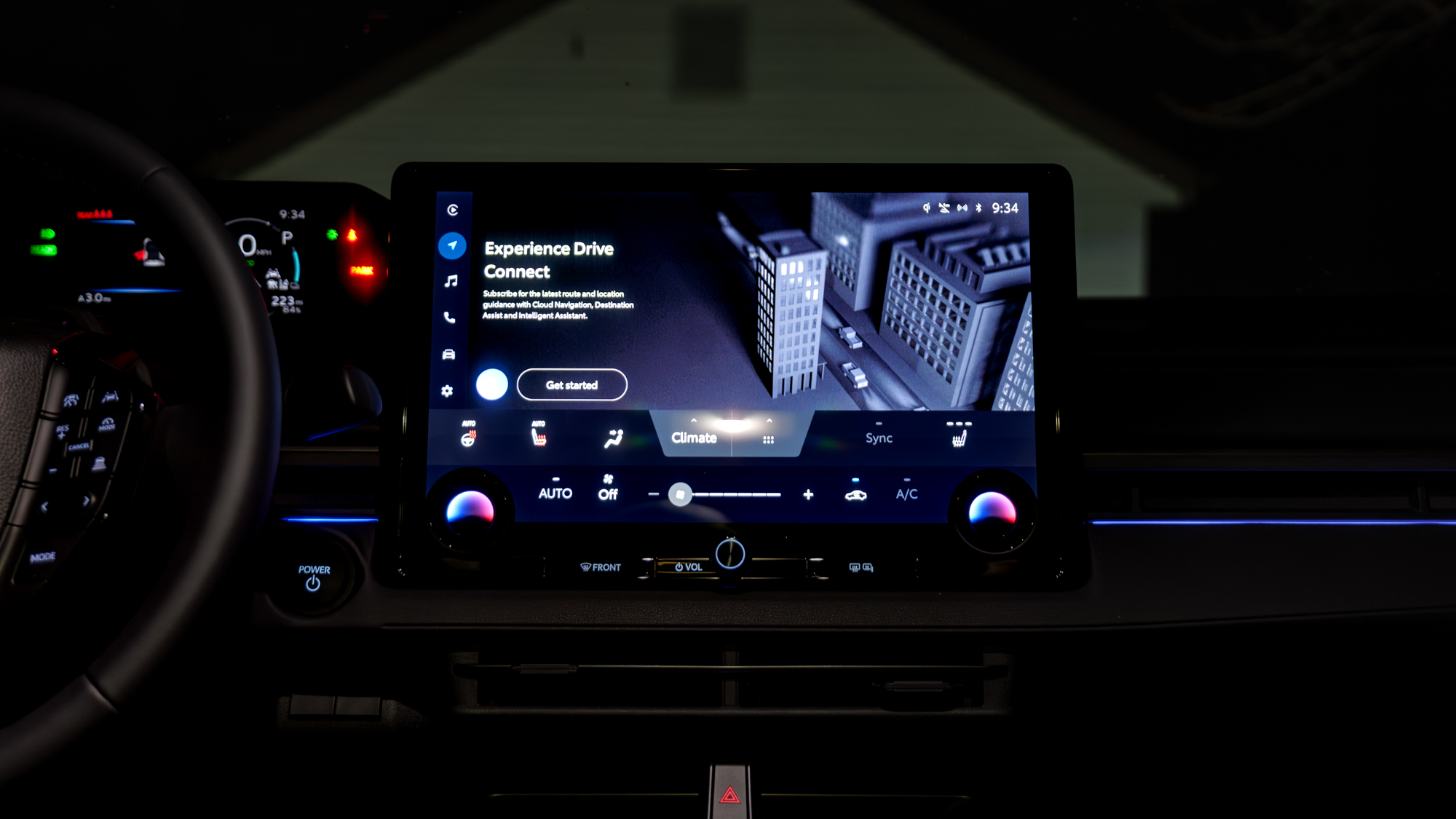
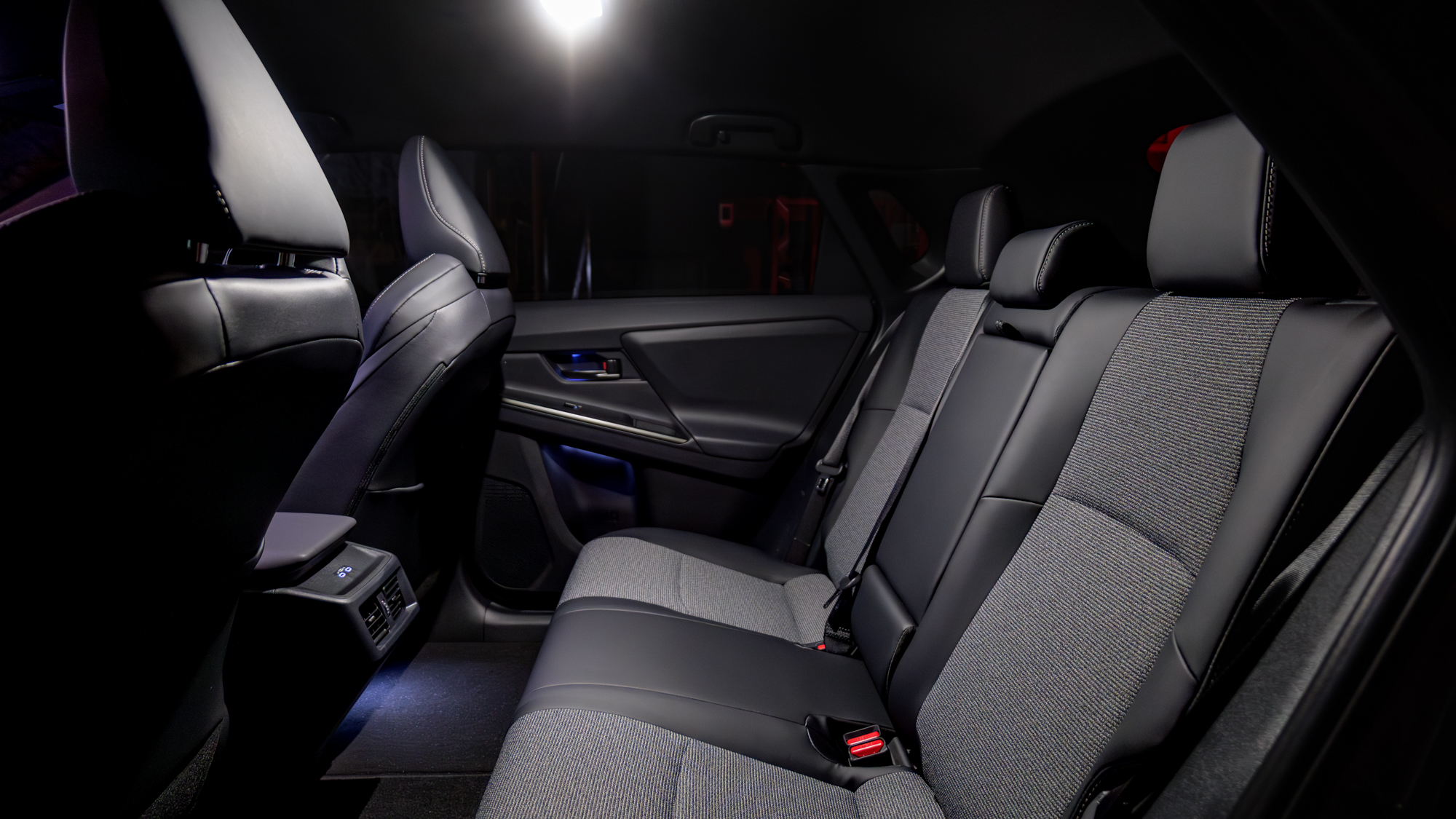
Inside the cabin, the two vehicles couldn't be further apart. Toyota treats the bZ to a massive, ultra-sharp 14-inch center touchscreen, a spacious interior with plenty of rear legroom, and an exceptionally smooth adaptive cruise control system that excels in stop-and-go highway traffic.
While the Toyota bZ costs over $15,500 more than the Blank Slate, that steep premium means you're also paying for Toyota's legendary reliability and excellent resale value.
Read our full review: Toyota bZ
Honorable mentions
If the ultra-minimalist Blank Slate feels too risky, several established automakers offer excellent alternatives that bridge the gap between affordability and daily drivability.
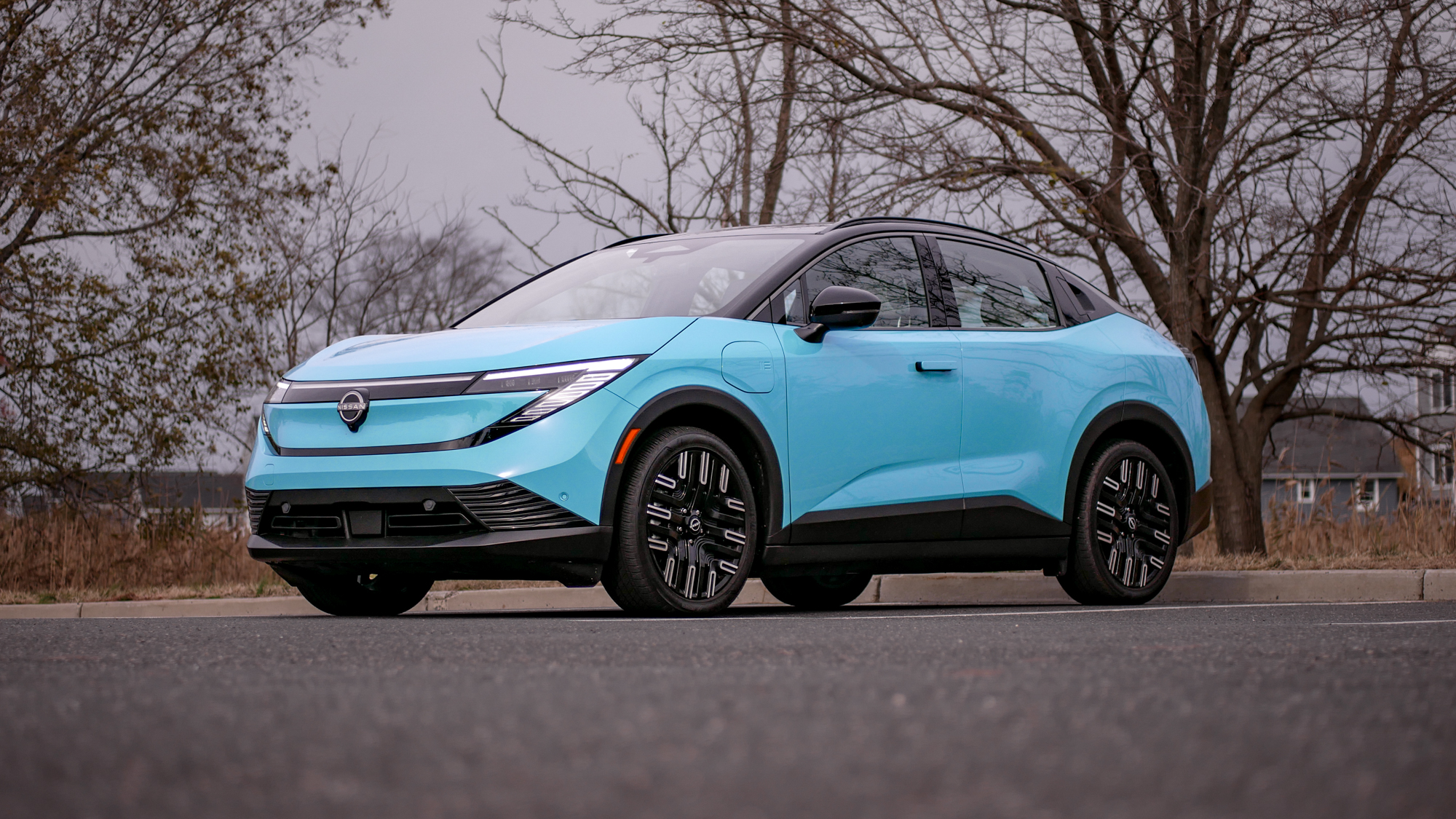
First up is the Nissan Leaf, which hits a highly compelling $29,990 base MSRP. That balloons to $41,930 for the top trim I tested, but it comes with premium features like an electronic glass roof, a head-up display, a 10-speaker Bose audio system, an auto-dimming rearview mirror, a power liftgate, heated seats, and more. You could scale back on many of them by choosing the base trim, but you would still get the futuristic design that makes it charming on the road.
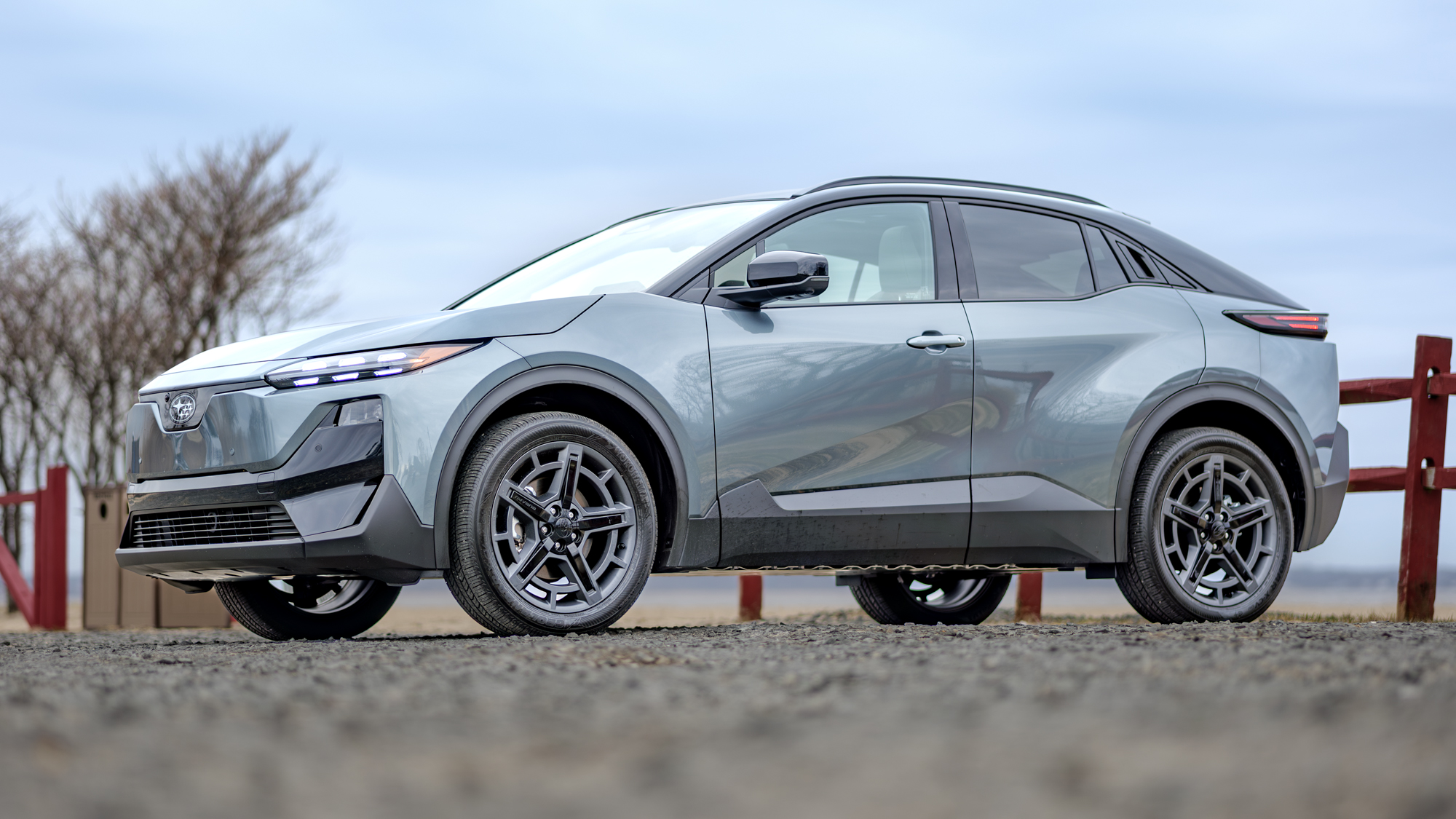
Another standout is the Subaru Uncharted, which arrives at a competitive $35,000 price point. That jumps to $43,795 for the sporty GT trim, bringing aggressive, two-tone styling and a dual-motor configuration that pushes a thrilling 338 horsepower. You get a native NACS port for adapter-free Tesla Supercharger access and an exceptionally smooth adaptive cruise control system. When you add in tech-forward conveniences like dual wireless chargers and a digital rearview mirror, it quickly justifies its price premium over the Slate.
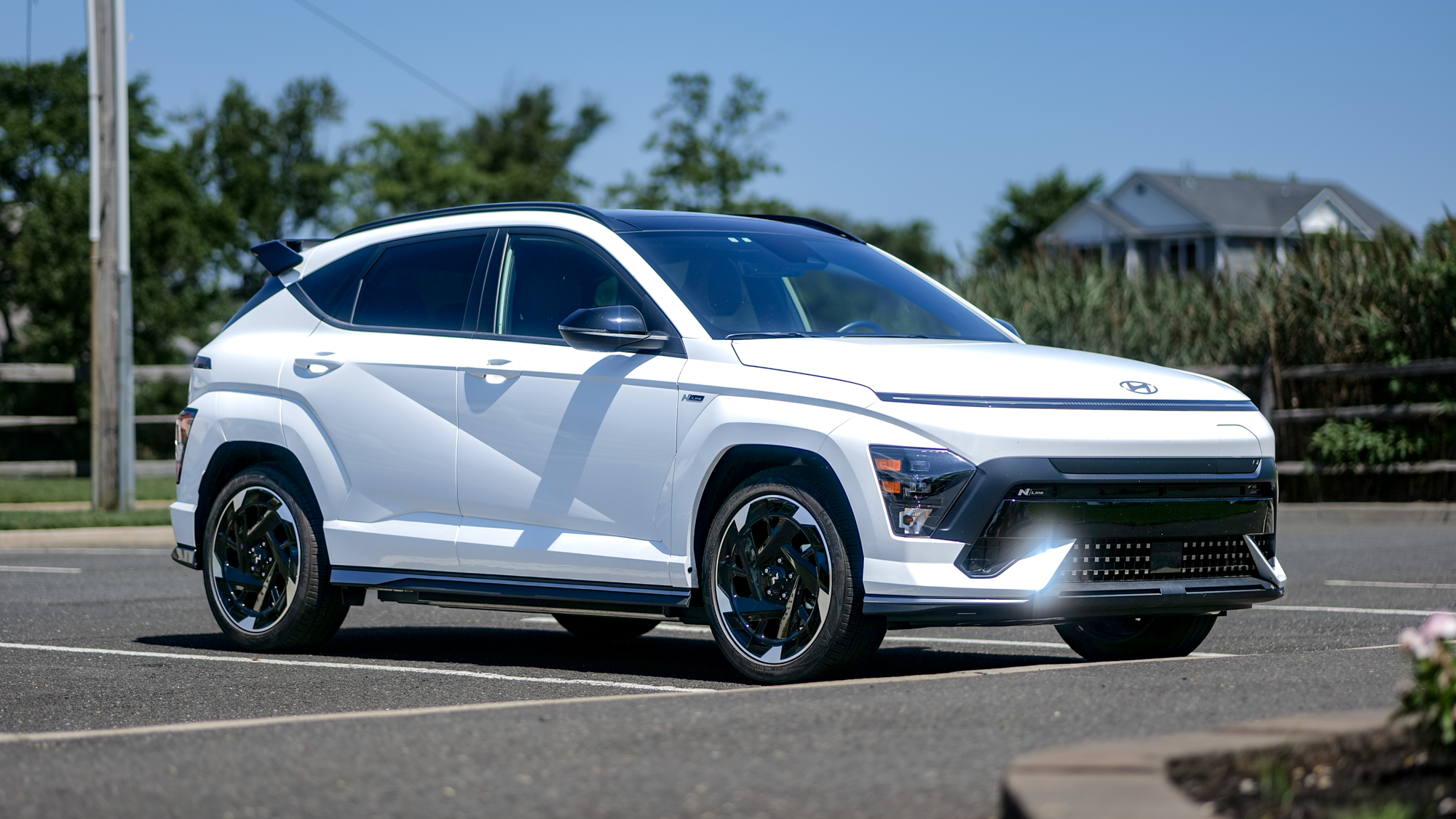
Finally, the Hyundai Kona Electric remains one of the smartest budget-friendly entries on the market with a starting MSRP of $32,975. This subcompact crossover is an absolute breeze to drive and park, yet its small footprint still offers a decent-sized trunk capable of hauling micro-mobility gear like an e-bike or scooter. The $39,880 N Line trim I tested shattered my expectations by averaging an impressive 4.3 mi/kWh efficiency, effectively extending its real-world range to about 278 miles.
More from Tom's Guide
This is a preview from the original publisher. Continue reading at the source:
Read Full Article on tomsguide.com →