

I tried this zero-waste gardening hack to help my tomato plants thrive — and all I needed was a common kitchen scrap
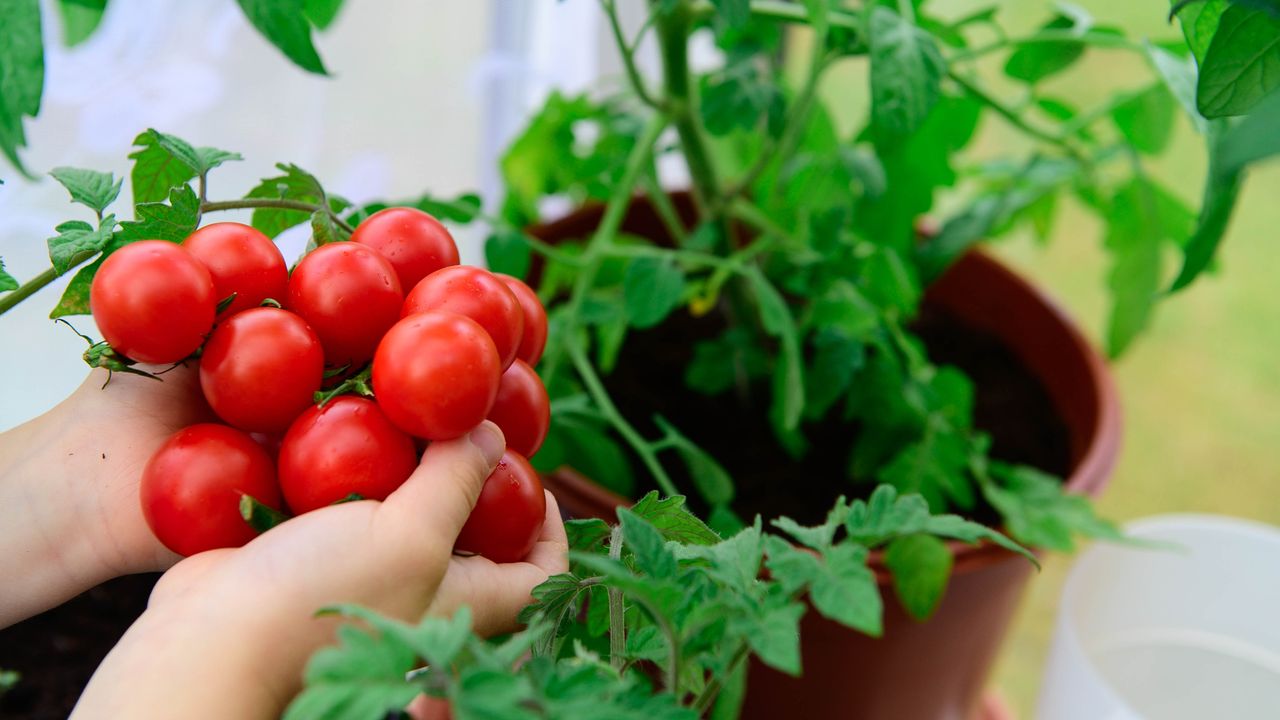
I've been having trouble with my tomatoes. As part of my grow-it-yourself mission this year, I planted a variety of vegetables in spring that I was hoping I'd be harvesting by now for some delicious summer salads. Unfortunately, my garden has had other plans. Despite taking top tips from an Italian farmer and I've even adopting a 3-step pruning system, I'm still always on the lookout for more ways to help my tomatoes grow.
And I've recently stumbled upon a cheap and potentially genius gardening hack that could be my answer to high-yield and hopefully ripe tomatoes. It turns out all I need is to keep the simple kitchen scrap that I've been throwing away for years – fish scraps.
Here's what happened when I gave it a try.
How does it work?
@selfsufficientme What was the last experiment you did in your garden?
TikTok creator, @selfsufficientme (also known as Mark Valencia) shares his gardening tips to over 230k followers and it's one of his most popular videos of all time with 3 million views and counting that I found particularly interesting – using fish scraps for great tomatoes.
In the video above, Mark carries out an experiment where he buries fish scraps in the soil alongside his tomato plants and then plants a section with no fish scraps to see the difference as they grow. For this, he used two fish heads and no other fertilizer for one and nothing at all for the other. He then pruned and watered the plants the same to see how they'd fare.
While he noticed that the no fish heads tomato plant was growing better to begin with, as well as having the first ripe tomatoes, it quickly changed. He says once they both produced tomatoes: "It was noticeable that the fish head tomatoes were also producing more fruit. After the five to six month mark in October, there was a considerable difference beginning to show between the two plants.
"The ones with the fish head were still growing strong with much better fruit and foliage growth than the ones without the fish head which were pale, dying back and had practically stopped producing new tomatoes."
The fish works as a fertilizer around the tomato plants roots and as it decomposes, it releases nutrients like phosphorus and potassium that the tomato plant can thrive on. While I thought it was strange that I'd never heard of it before, I figured it was time for me to give it a go.
Here's what happened when I tried it
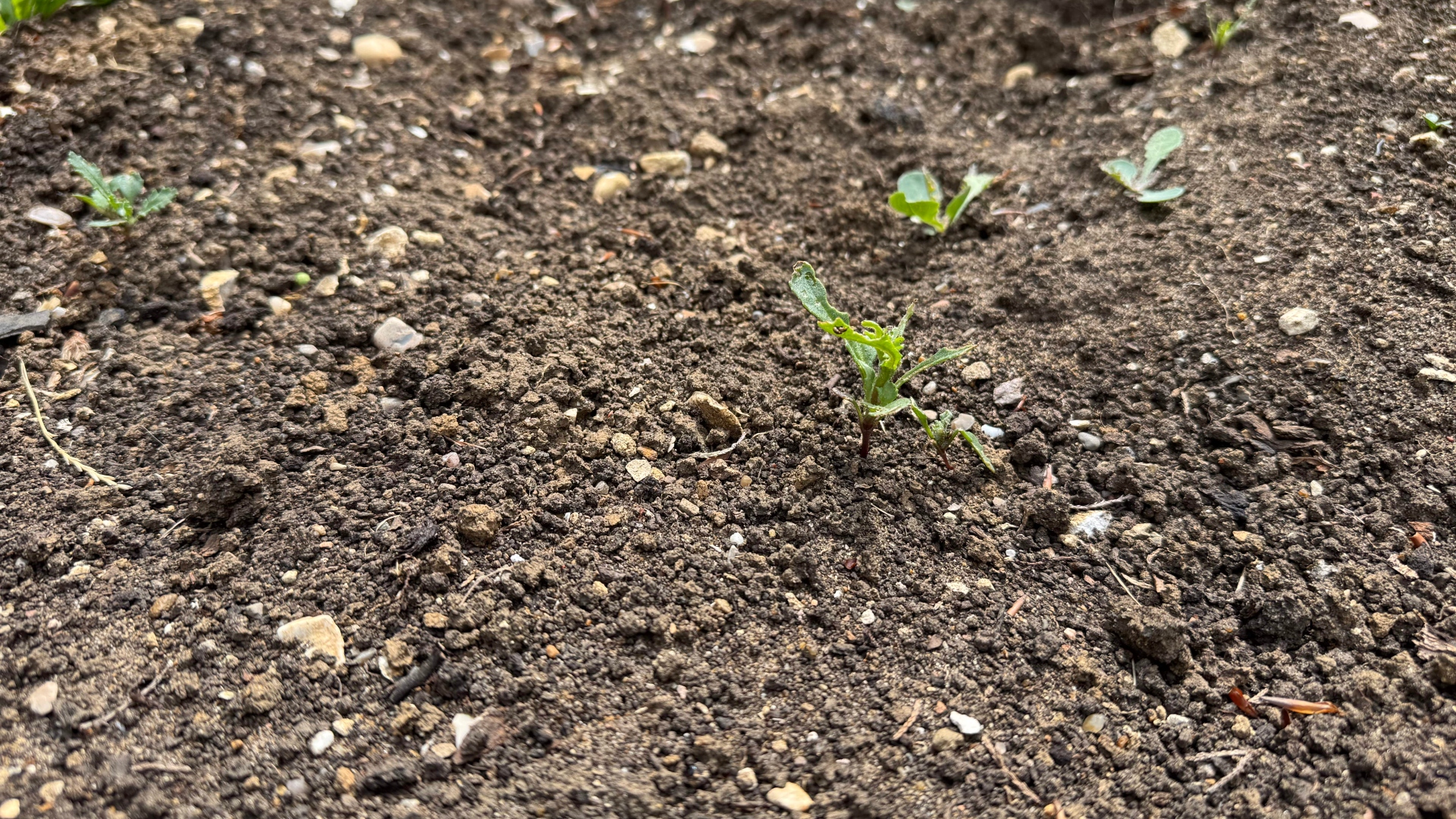
Admittedly, when I first saw Mark's video, I thought it was kind of gross. I don't tend to cut up whole raw fish regularly, but I do from time to time. Since I was planning on firing up my grill this summer, I figured it would be a good time to give it a go.
While I'd usually just opt to throw the fish scraps away quickly, this time I held on to them.
Yes, I was tempted to buy the fish emulsion fertilizer straight from the shops; I also knew from Mark's video that it would be better to try this out with fresh fish to hopefully get the best results (and that it would also be a lot cheaper). So, I chopped up some bits of fish and buried them down into the soil where I was planting my tomato plants.
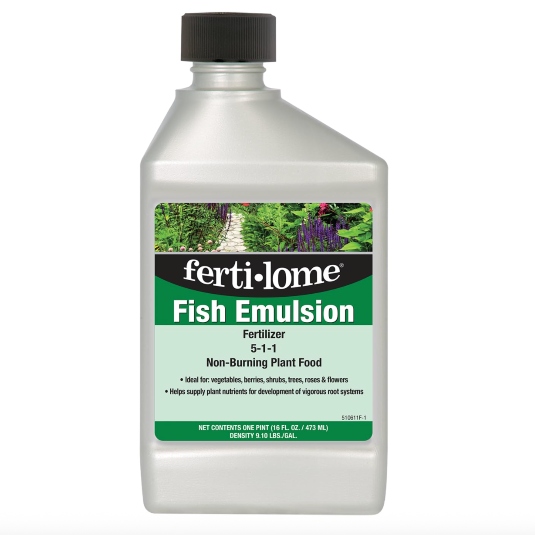
If you're looking to do an experiment of your own or don't tend to cut up raw fish, you can also buy a fish emulsion fertilizer that you dilute with some water. With this 16oz bottle, you can use it on plants both indoors and outdoors to help them grow.View Deal
For now, I'm not at the stage where I can pass a judgment on how well my tomato plants are doing because it'll take some time. But, I can happily say that it was relatively fuss-free and I can now truly feel like I'm not wasting anything when buying a whole fish as I'm utilizing every single part of it. Plus, the grilled fish in itself was an extra treat.
So, it didn't cost me any additional cash to try it out and I'm pretty hopeful that from Mark's results, I'll be able to yield some lovely ripe tomatoes in a two to three months time. I'm just hoping they don't taste like fish when I get round to eating them...
More from Tom's Guide
This is a preview from the original publisher. Continue reading at the source:
Read Full Article on tomsguide.com →