
The end of forgetting: Why AI’s perfect memory is a psychological trap
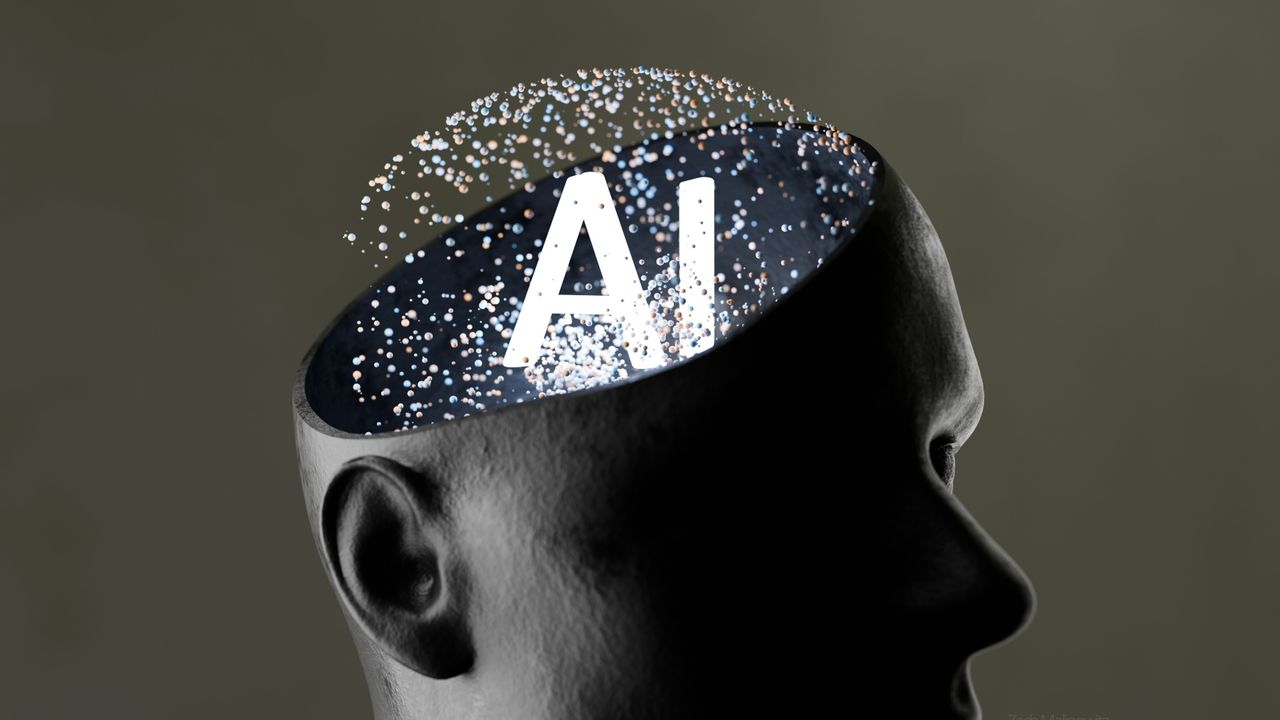
I have enabled memory settings on each AI I use regularly. Now I'm wondering if forgetting is the most important thing humans do. A few weeks ago, I enabled ChatGPT to remember more about me. It’s unbelievable how it remembers what I forgot I even told it. Things like my favorite food is fried chicken or a project I started but got distracted and didn’t finish.
ChatGPT also knows how I like things summarized (bulleted points), my kids’ names, and even the last book I read. All these little preferences add up to mean I spend less time explaining myself every time I open a new chat and more time staying productive by using AI. But I got to thinking, we've spent our entire lives treating memory as something precious because it was limited. Now we're entering an era where nothing has to be forgotten. Is that actually a good thing?
The burden of a perfect memory
Our brains are strange, aren’t they? We remember things so distinctly, like the smell after blowing out birthday candles, all the lyrics to "We Didn’t Start the Fire," the first person who broke our hearts and the way our grandmother’s kitchen smelled. Yet, we forget why we walked into the room, where we put the car keys, or someone’s name five seconds after they introduce themselves. Our memories have always been selective. That's just how memory works. It holds on to some moments and quietly lets others fade. But for most of human history, we never had another option. Now, for the first time, we're starting to get one that not only remembers, but uses our memories on cue.
The end of forgetting
Until recently, forgetting wasn't really a choice. You remembered what you remembered, and the rest slowly slipped away. Now we're building technology that offers the opposite. ChatGPT remembers details about you, as does Gemini with Personal Intelligence and Claude memory. Wearables like Bee can record your day so you can search it later, and Alexa+ is getting better at remembering context gathered from past conversations. Taken together, these tools point toward a place where remembering isn't limited to what's stored in our own heads. I can't decide if that sounds incredible... or a little unsettling.
Imagine if nothing faded
What if every embarrassing comment, argument, bad day or mistake was easy to recall? Imagine if all of it stayed exactly as sharp as the moment it happened. Would forgiveness become harder? Would grief last longer? And nostalgia relies entirely on the blurring of edges, so a perfect, high-definition memory might destroy it. Some neuroscientists argue that forgetting isn't a failure of memory at all — it's a feature of a healthy one. Research implies that’s what lets us generalize, adapt and avoid drowning in irrelevant detail.
The oldest question
I've always thought of AI memory as a convenience feature. But as I’ve pondered it lately, I'm coming to think it's asking a much older question. Should humans remember everything? Because maybe the memories that define us aren't just the ones we choose to keep. Maybe they're what remains after everything else has been allowed to quietly, mercifully disappear.
What do you think? I'd genuinely love to hear where you land on this. If AI could remember every moment of your life, would you want it to? Drop me a line. I'm always interested in hearing how other people are thinking about these questions.
[Editor's note: A version of this first appeared in my weekly newsletter, Beyond the Prompt. Sign up to never miss a story.]
More from Tom's Guide
This is a preview from the original publisher. Continue reading at the source:
Read Full Article on tomsguide.com →