

Which DJI drone should I buy? Your simple guide to the different ranges and our top-rated flyers
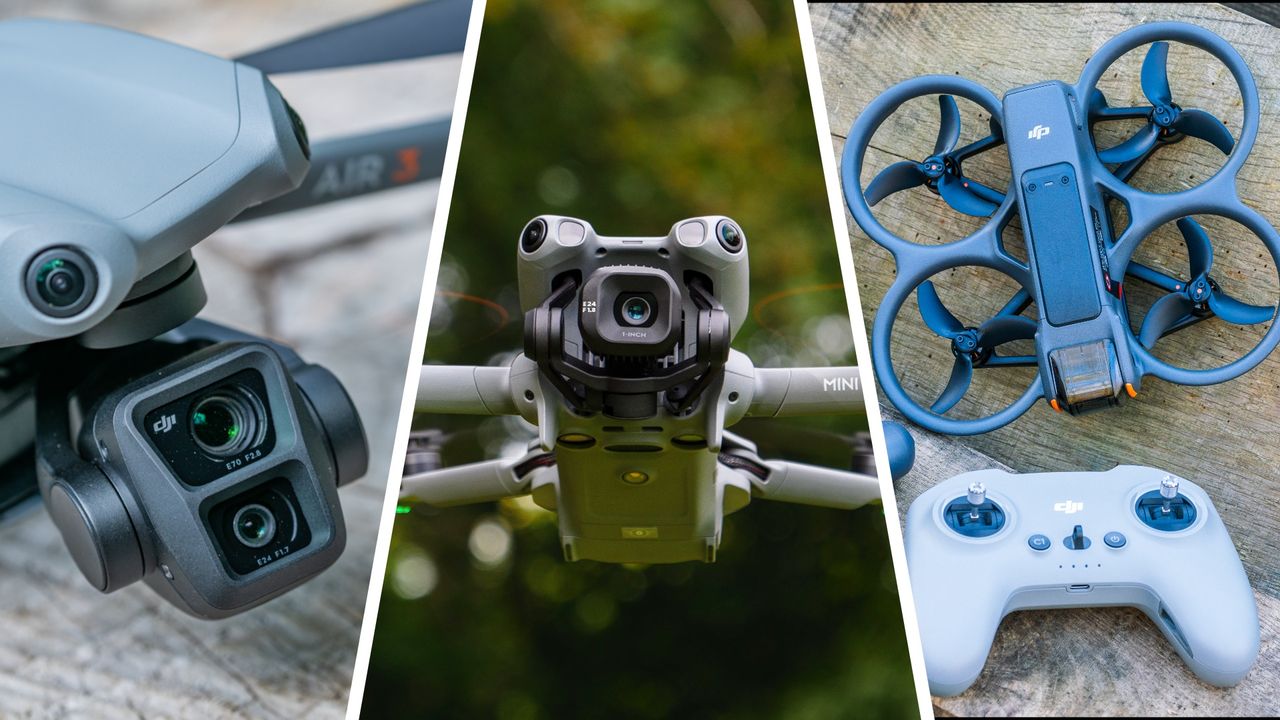
Fancy taking to the skies? DJI is the brand you're probably looking at — it's the name behind almost all the best drones around right now. If you're new to the world of drones, figuring out your options is tricky. This article is here to guide you through your options. I'll run through the main DJI ranges and who they're aimed at, and then once you've narrowed things down you can hop to the relevant section to read our reviews for each model. Let's get started...
Note: You'll only be able to see product cards for the models currently available to buy in your region. Due to FCC issues, not all DJI drones are available in the US. Hit the More details button to read our main takeaways for each model, and for a link to the full review.
DJI range guide
DJI Mini
DJI's flagship compact drones, and the best-selling range for beginner pilots. These are all sub-250g models, which means they come with little-to-no flight restrictions, depending on where you fly.
• Check out the Mini lineup
DJI Air
A step up from the Mini series, aimed at enthusiasts. These drones fall into the next weight category up, which means they're sturdier and you'll be able to fly for longer, but you'll need your region's equivalent of a certificate of competency before you fly.
• Check out the DJI Air lineup
DJI Mavic
Top-tier consumer drones with industry-leading camera performance. These are another step up from the DJI Air range, and again you'll need a certificate of competency before you fly.
• Check out the DJI Mavic lineup
DJI Neo
The cheapest, smallest, lightest and simplest DJI drone. It comes with single-push take-off from your hand, designed for aerial selfies (this kind of drone is sometimes referred to as a selfie drone).
• Check out the DJI Neo lineup
DJI Avata
FPV (first person view) drones, designed to be used with goggles for immersive high-speed and responsive flight — legally you need a 'spotter' with you when flying drones through goggles.
• Check out the DJI Avata lineup
There are a few standalone options to be aware of. The Lito is a straightforward beginner drone at an extremely wallet-friendly price — it's a step down from the Mini range in both price and capabilities. The DJI Flip is another beginner drone with vlogger-friendly features. At the other end of the scale is the DJI Inspire range, aimed at professionals — the kind of thing that might be hired for productions.
DJI Mini drones
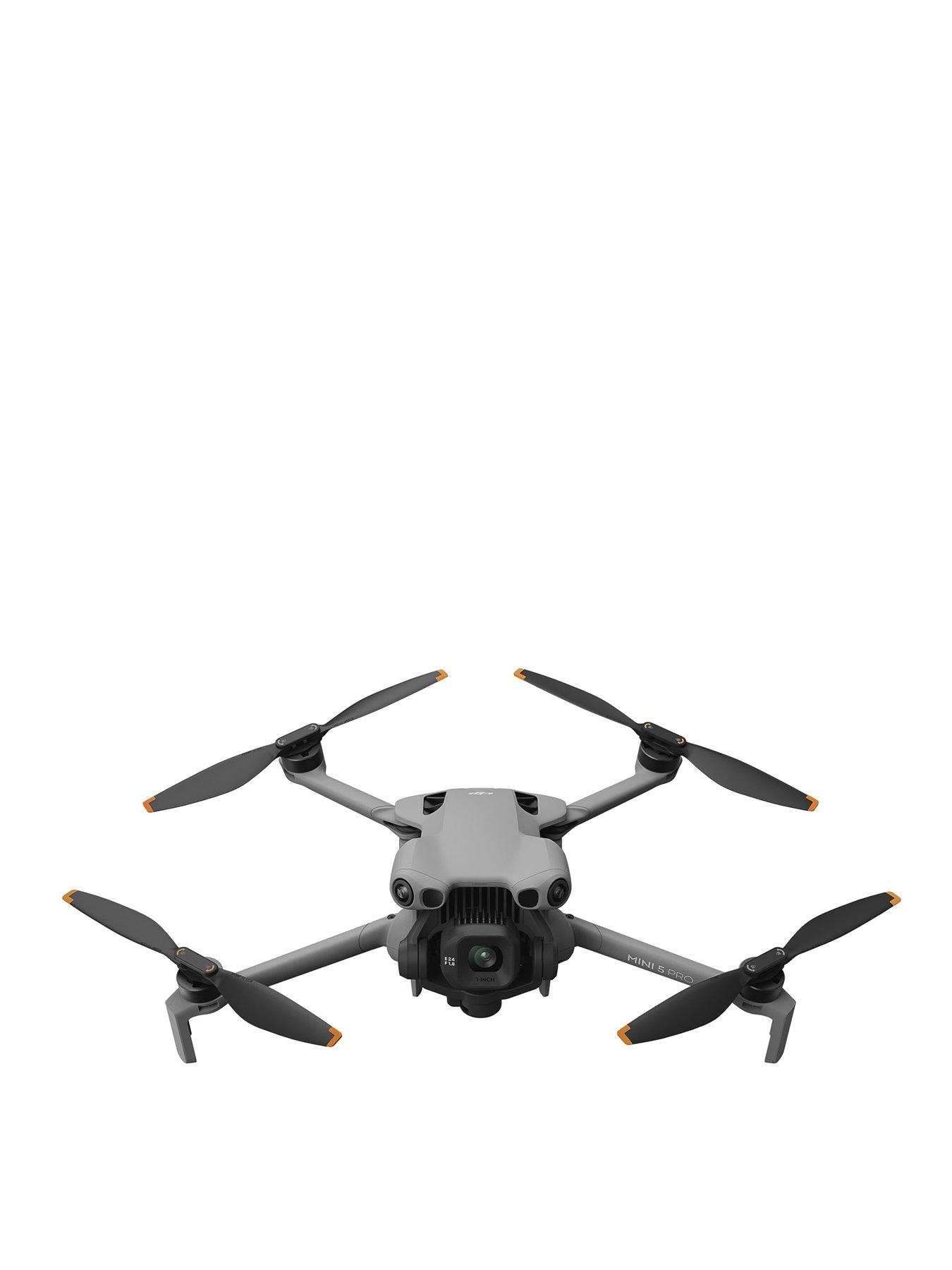
Pros
- New 1-inch sensor with detail rich 4K HDR video
- Versatile camera with a 225 degree roll rotation
- Class-leading flight and safety features
Cons
- Actual take-off weight could result in being the next class of drone, hit with restrictions
- Flight times typically not as long as advertised
- Pricier than entry-level models like the Mini 4K
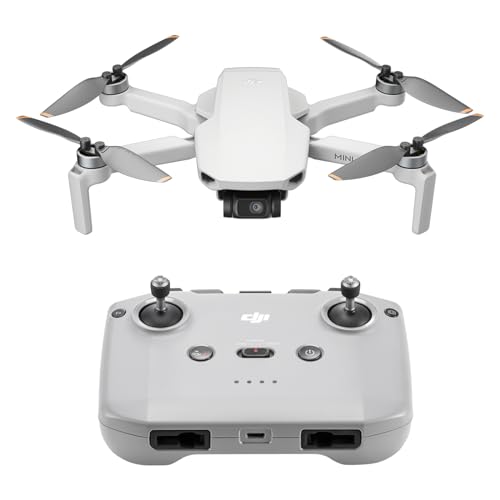
Pros
- Excellent value
- 4K video quality beats rivals
- Probably your best first drone
Cons
- No object-collision sensors
- Lacks subject tracking found in pricier models like the Mini 4 Pro
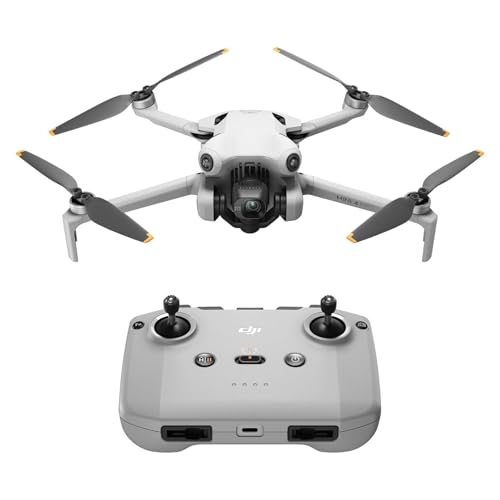
Pros
- Improved video features
- Omnidirectional Vision Sensing
- Remains under 250g
Cons
- Upgrades may not tempt Mini 3 Pro owners
- Not suited to windy conditions
- Fixed-aperture camera
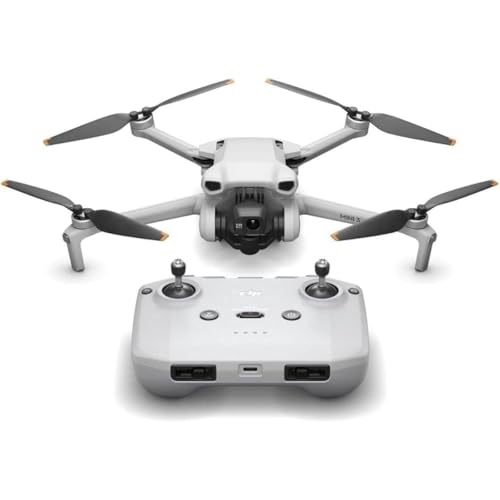
Pros
- More affordable than the Mini 3 Pro
- Great image quality
- Small and lightweight
Cons
- No collision avoidance
- 4K video limited to 30fps
- No subject tracking
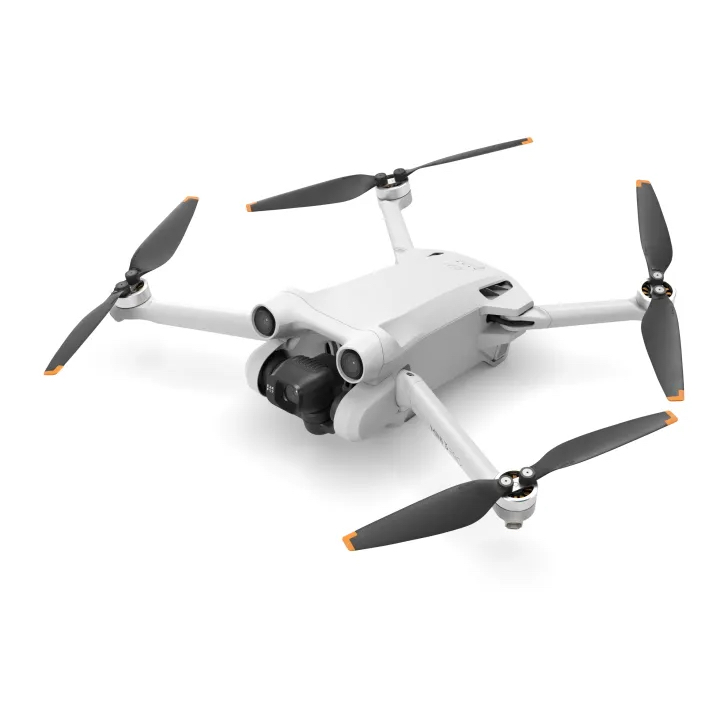
Pros
- Impressive low-light performance
- Useful obstacle avoidance
- Handy automated flight modes
Cons
- Pricier than previous Mini models
Pros
- Intuitive navigation
- Compact, convenient drone
- Great battery life
Cons
- Pricier than predecessor
- No new camera hardware
- No follow mode
DJI Mavic drones
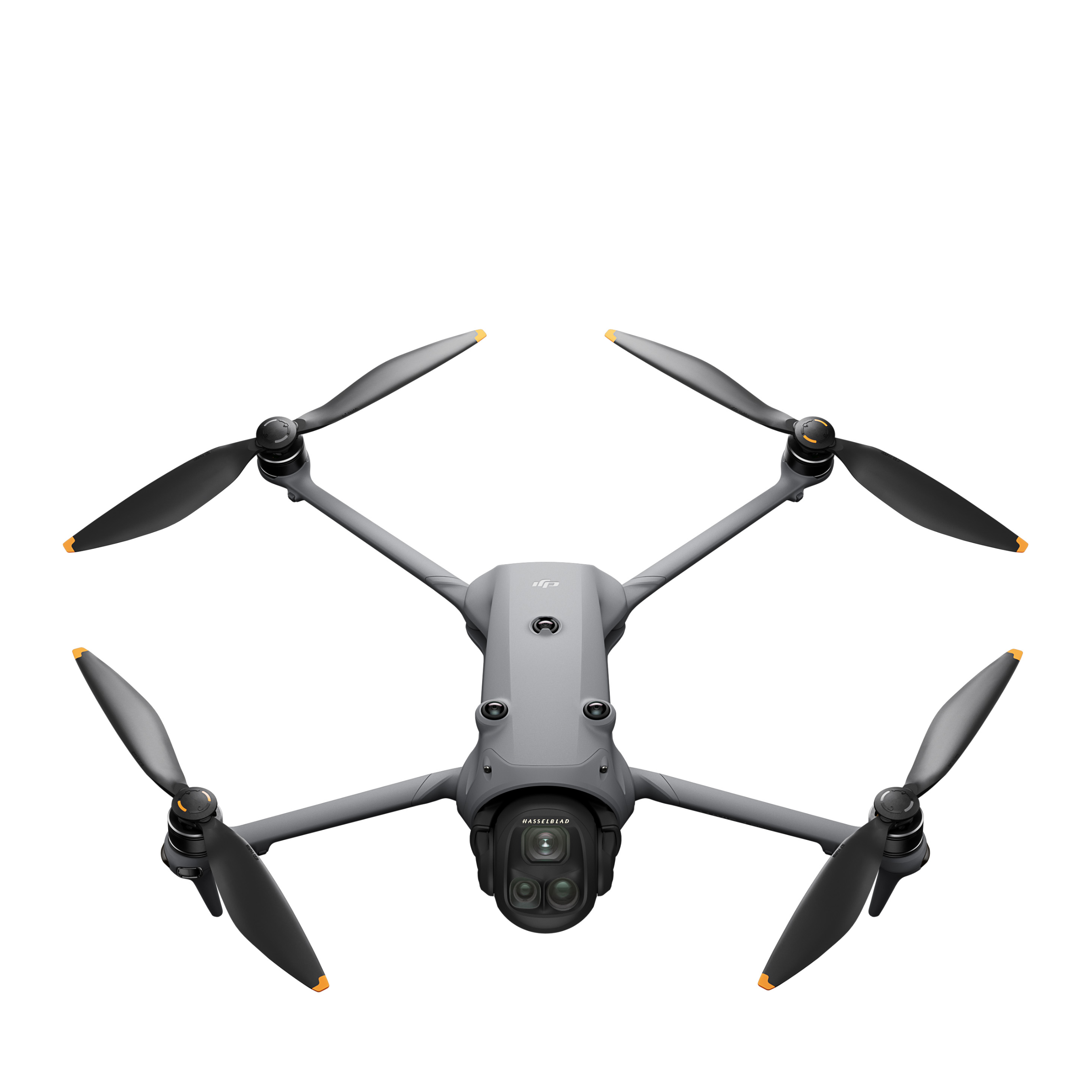
Pros
- Excellent price
- Feature-packed
- Impressive cameras
Cons
- Weight just exceeds 2.2lbs / 1kg
- More features than many people will need
- Subject tracking is not as varied as the DJI Flip or Neo
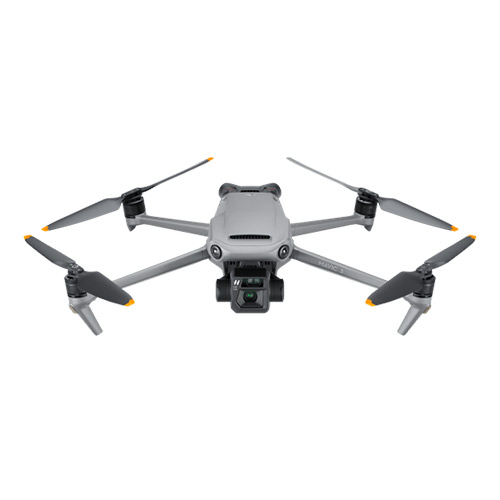
Pros
- Four Thirds camera is excellent
- Useful adjustable aperture
- Improved safety features
- Telephoto lens a handy backup
Cons
- Pricier than Mavic 2 series
- Basic controller lacks info screen
- European classification issues
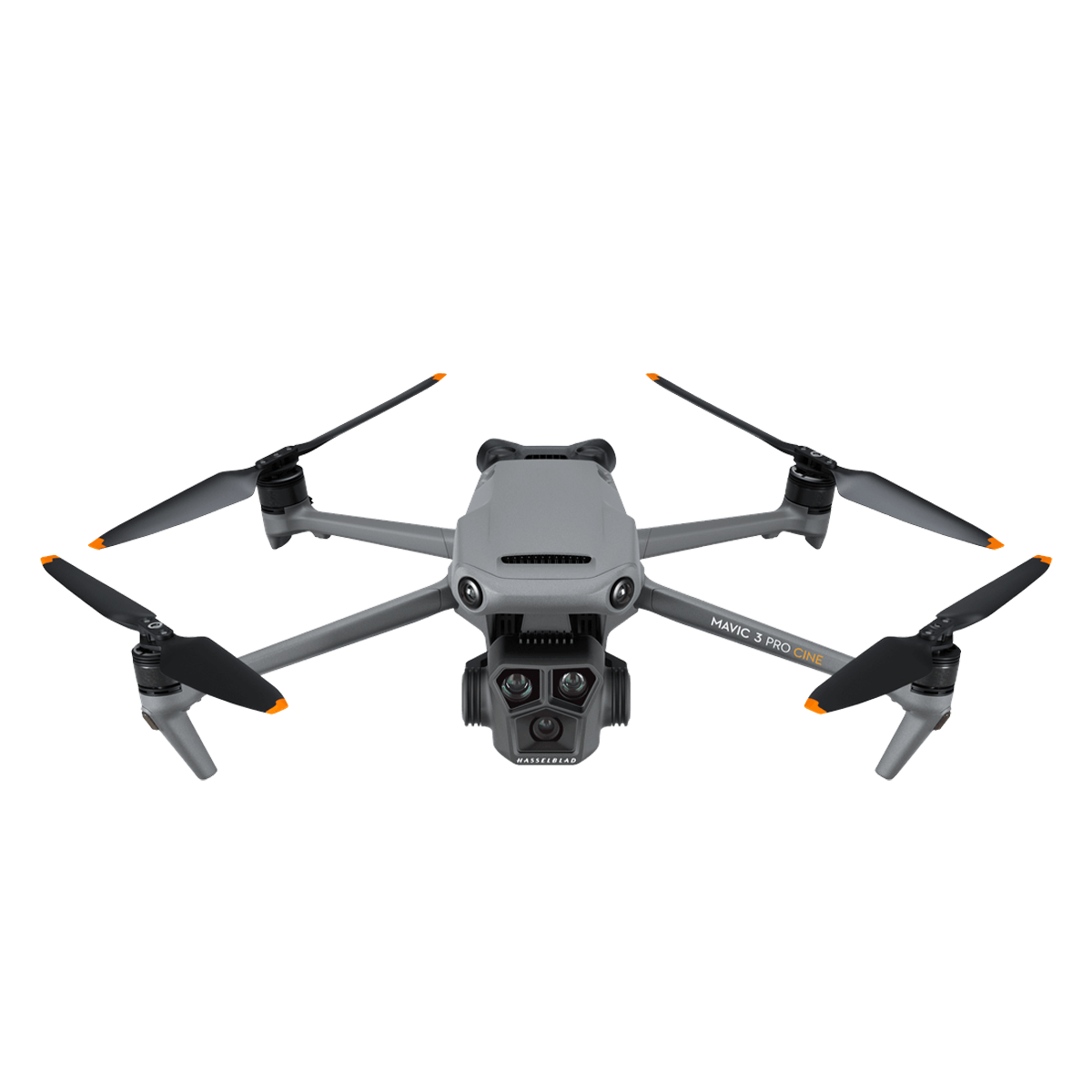
Pros
- Three useful cameras
- Excellent image quality
- Solid safety features
Cons
- C2 European rating
- Not everyone will need three cameras
- Slightly reduced flight times
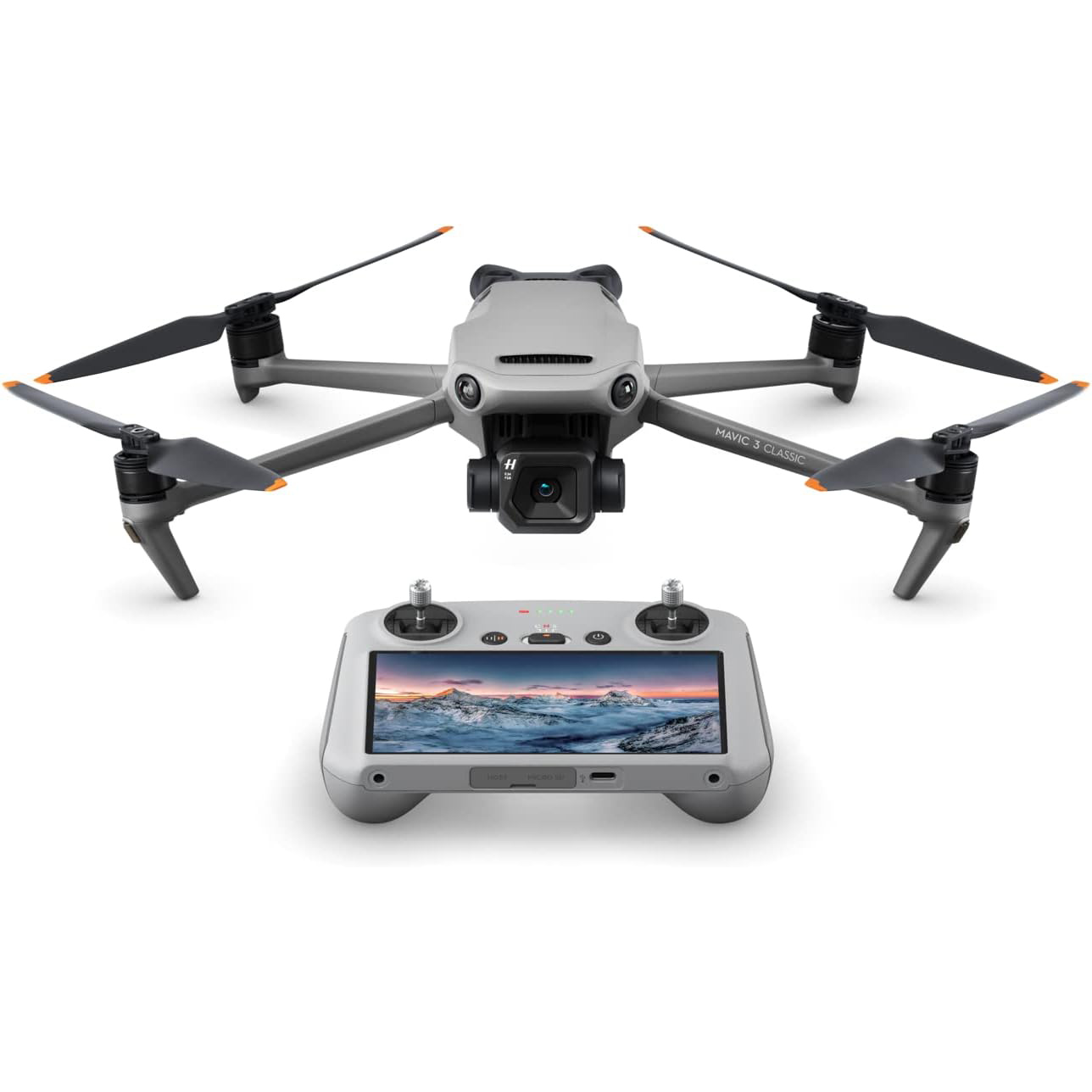
Pros
- Less expensive than other Mavic 3 models
- Excellent image quality
- Impressive safety features
Cons
- Remains expensive despite lower cost
- Battery life shorter than claimed
- No Apple ProRes video capture
DJI Air drones
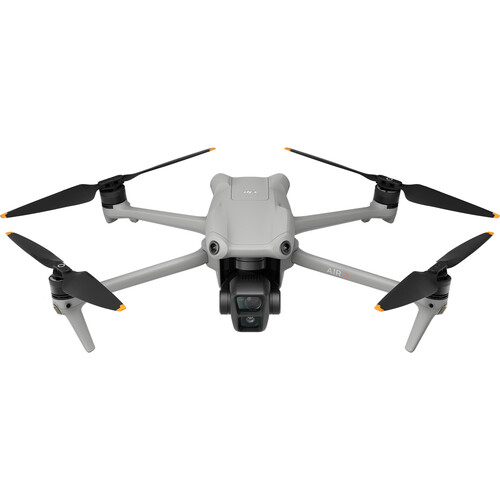
Pros
- Dual cameras
- Excellent wind resistance
- Generous 46-minute flight time
- Already excellent safety features improved further
Cons
- C1 European rating
- Fixed aperture is bad news for ND filter users
- Large protruding camera likely to suffer in case of accidents
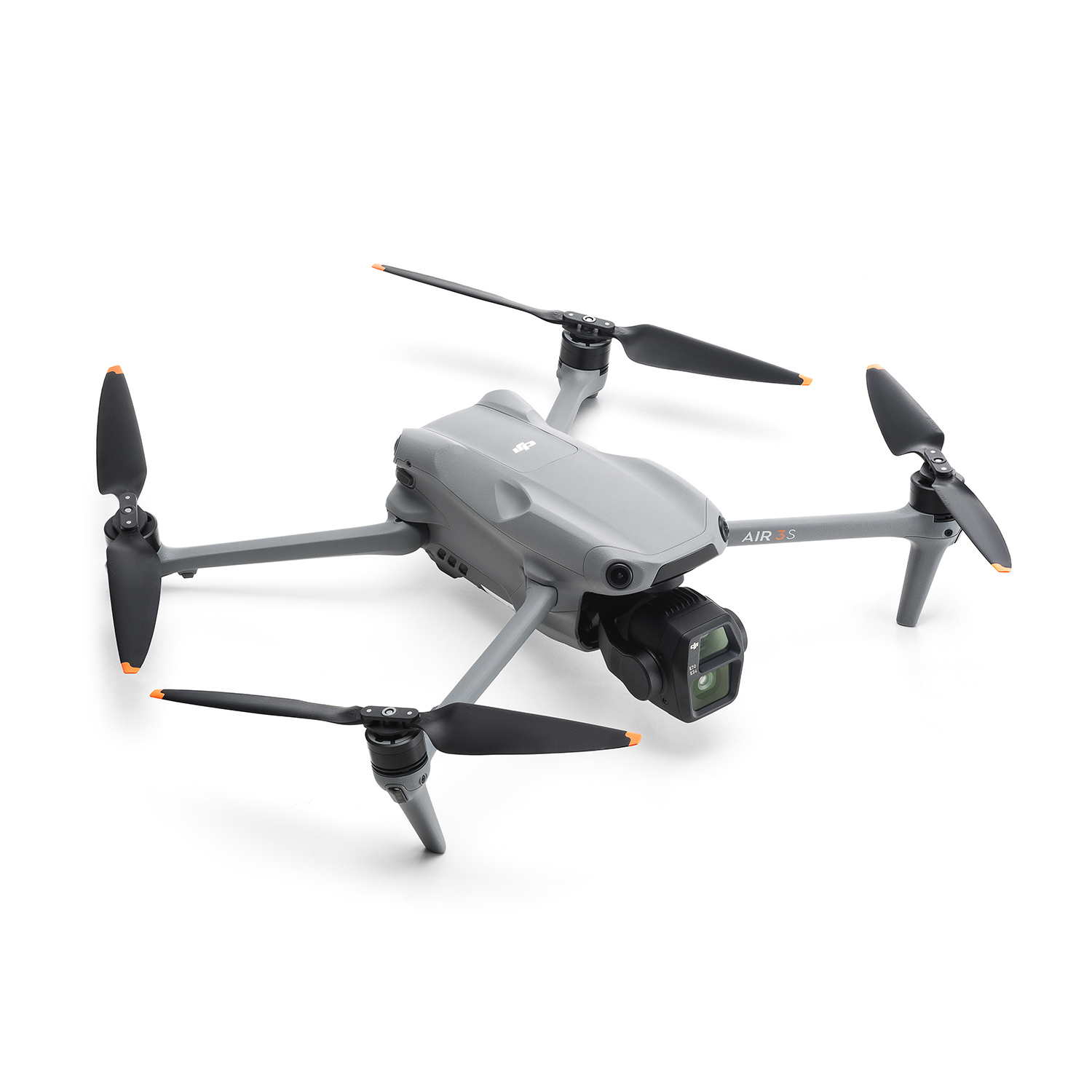
Pros
- Superb battery life
- Easy and safe to fly
- Great all-round camera performance
Cons
- Weight-class restrictions apply
- A minor upgrade on the original Air 3
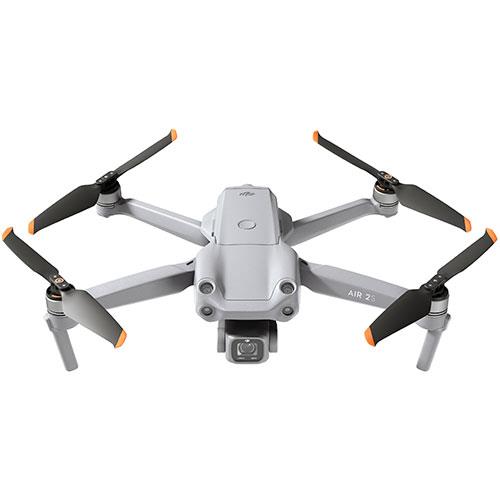
Pros
- 1-inch 20 MP sensor
- Great image quality
- Small and lightweight
Cons
- Controller isn’t foldable
- Image edges slightly soft
- No adjustable aperture
DJI Neo drones
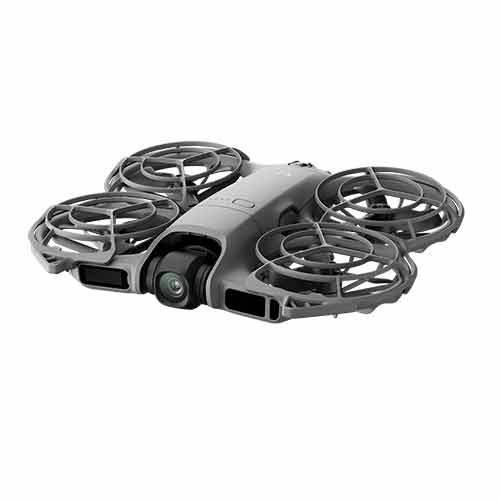
Pros
- Now has obstacle avoidance
- Improved camera performance
- More storage and faster transfer speed
Cons
- Still only shoots JPEG photos
- Limited battery life
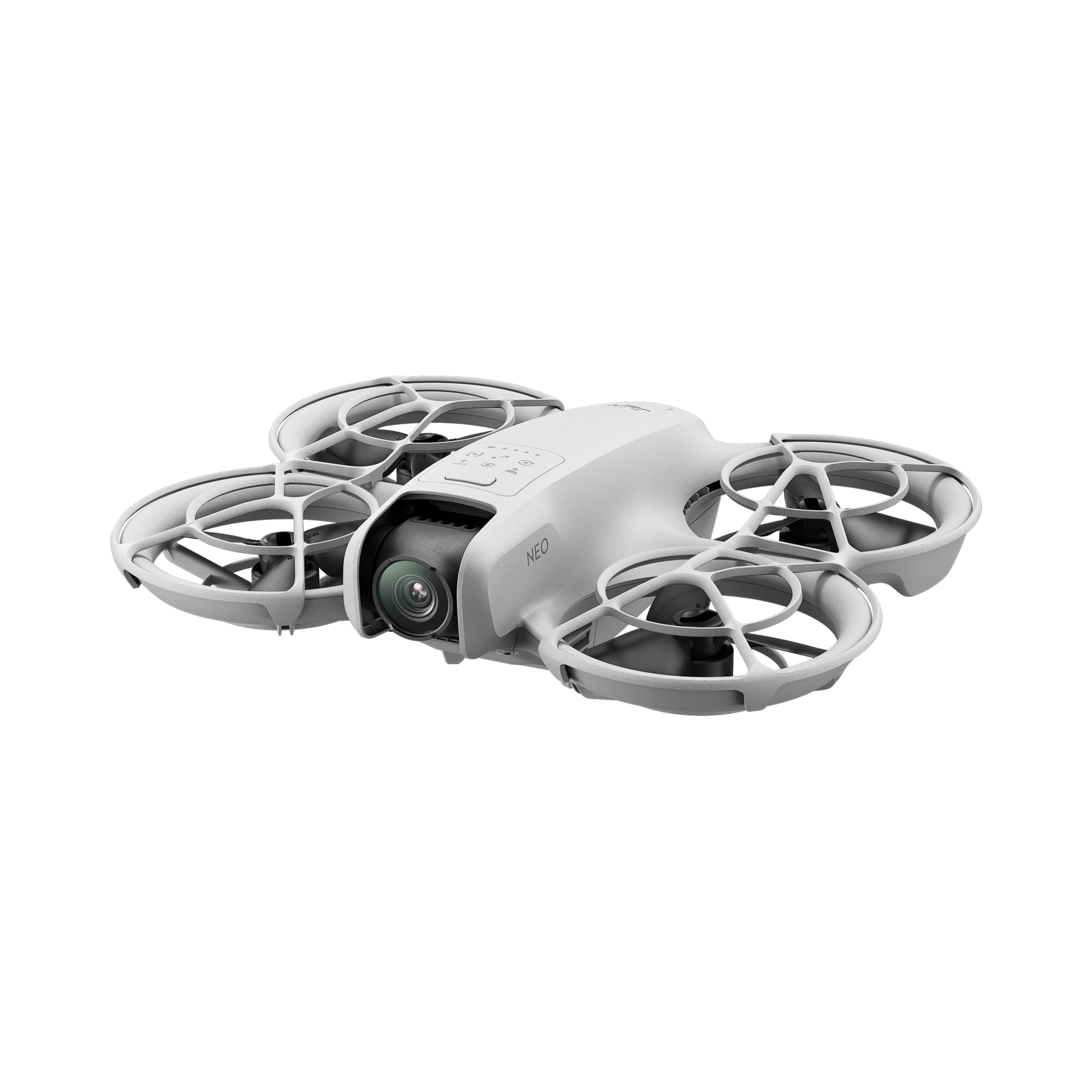
Pros
- Small and lightweight
- Easy to use
- Multiple flight control options
Cons
- Only shoots photos in JPEG
- 4K video fixed at 30fps
- Expensive to add on goggles and FPV controller
DJI Avata drones
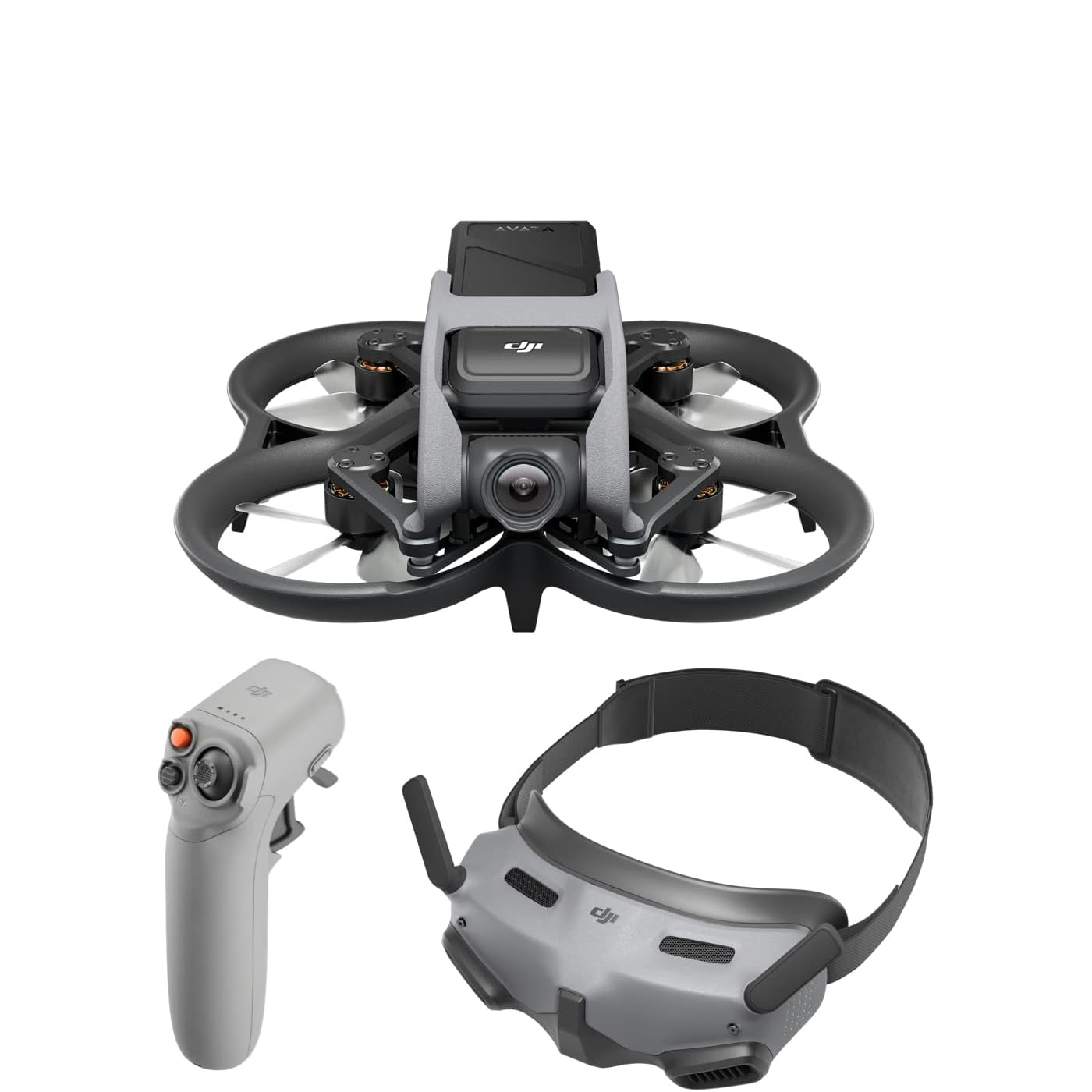
Pros
- Great 10-bit image quality from dual sensor setup
- Choice of control methods
- Agile, speedy and safe flyer
- Good value for money
Cons
- Other DJI drones beat it on image quality
- Buying both FPV and standard controllers could push up the price
- No manual FPV flight option
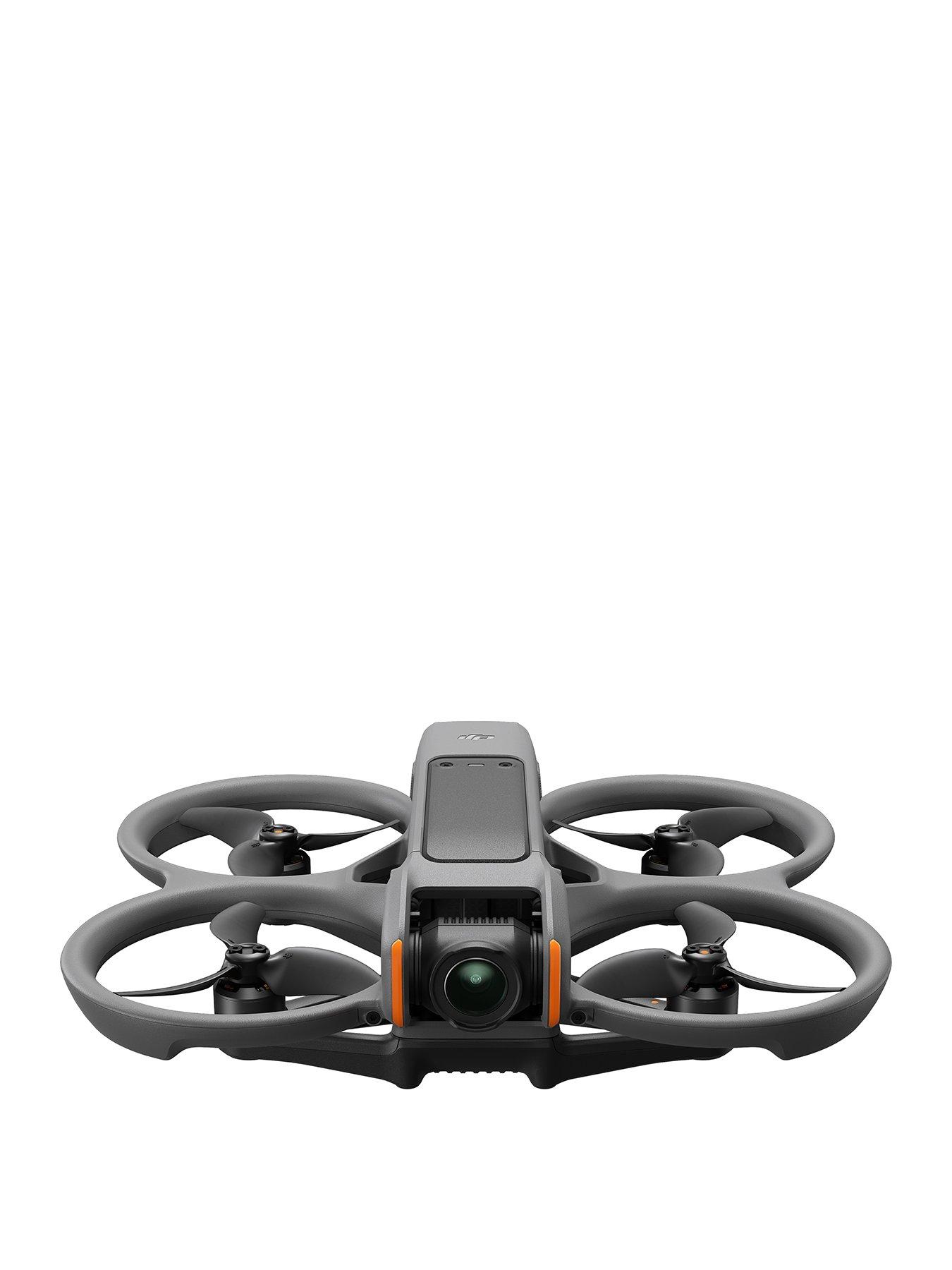
Pros
- Long flight time
- Incredible image quality with improved dynamic range
- Easy to fly out of the box, and packed with safety features
Cons
- Unappealing to experienced FPV pilots outside of the DJI ecosystem
- Poor ergonomics of the DJI Controller 3 show no improvement over the DJI Controller 2
- Awkward handling in manual mode, probably down to inadequate tuning
Outliers
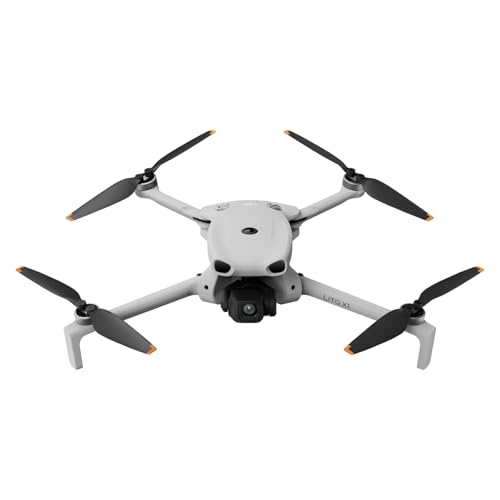
Pros
- Great video quality for the price, especially with Lito X1
- Omnidirectional obstacle avoidance included
- Better battery life than the Neo 2 and Flip
Cons
- Camera doesn't rotate for 9:16 content
- Soft digital zoom
- No built-in storage on Lito 1 model
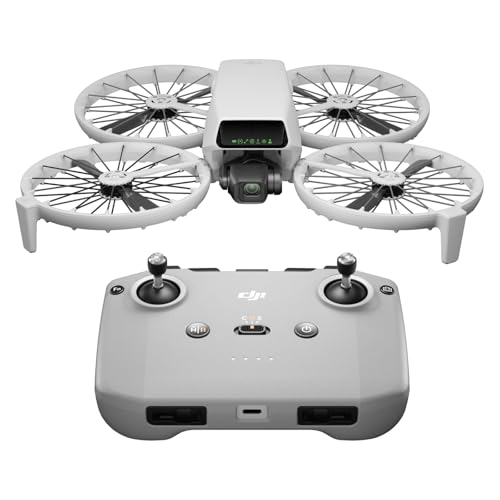
Pros
- Multi-use functionality
- Several flight-control options
- Sub-250g folding design
Cons
- Image quality is good but not great
- Not as agile as the Mini 4 Pro
- Not great in wind
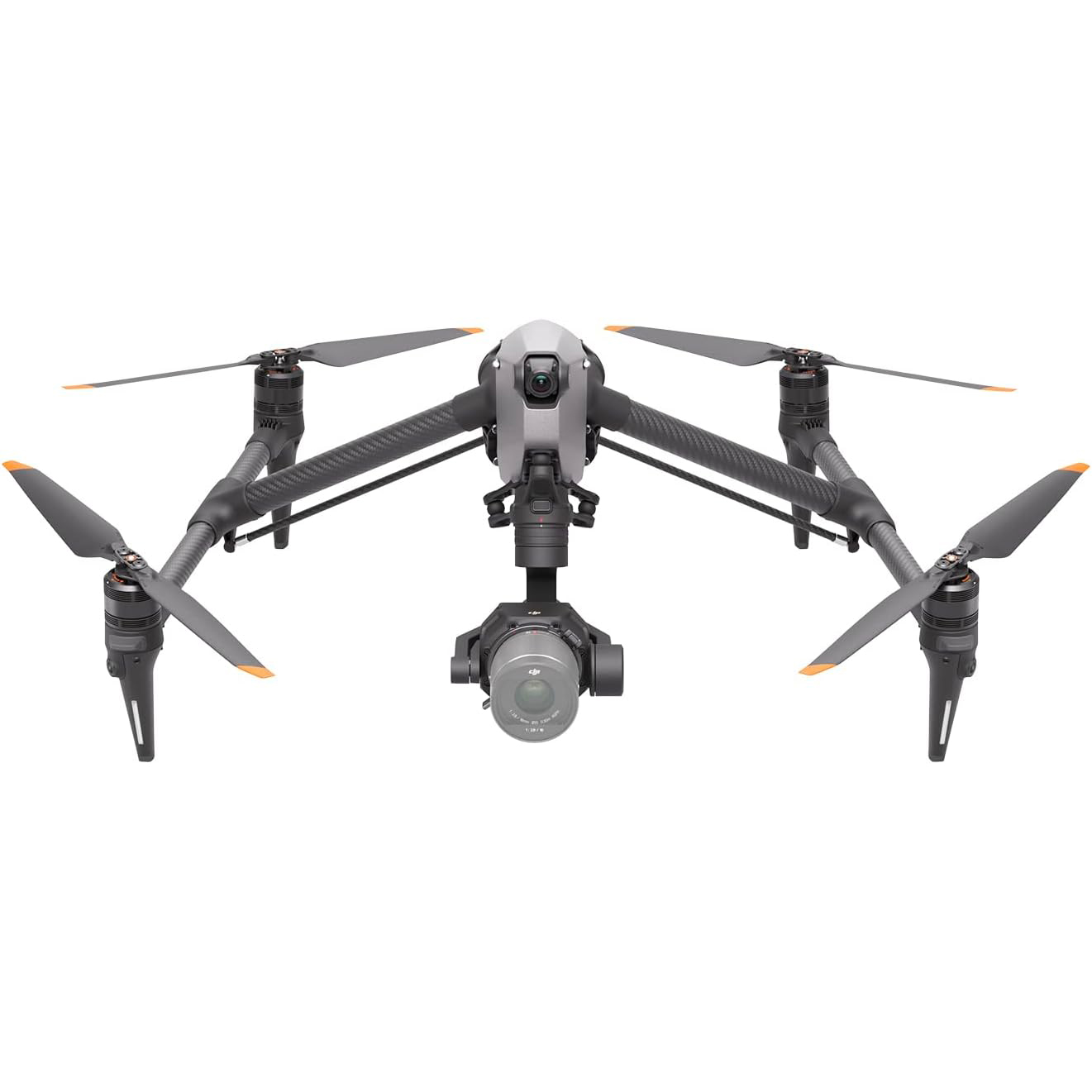
Pros
- Excellent image quality
- Smooth and precise flight
- Interchangeable lenses
Cons
- Expensive
- Large and heavy
- More complicated than consumer models
Pros
- A huge amount of fun to fly
- Easy to fly for an FPV drone
- Goggles offer great image quality
- Solid transmission
Cons
- Front props visible in footage
- Stills photography severely limited
- 'Spotter' needed when flying outdoors
This is a preview from the original publisher. Continue reading at the source:
Read Full Article on techradar.com →