'A lot of people will genuinely hate and resent AI': I spoke to the founder of AI Appreciation Day to figure out what we should be celebrating
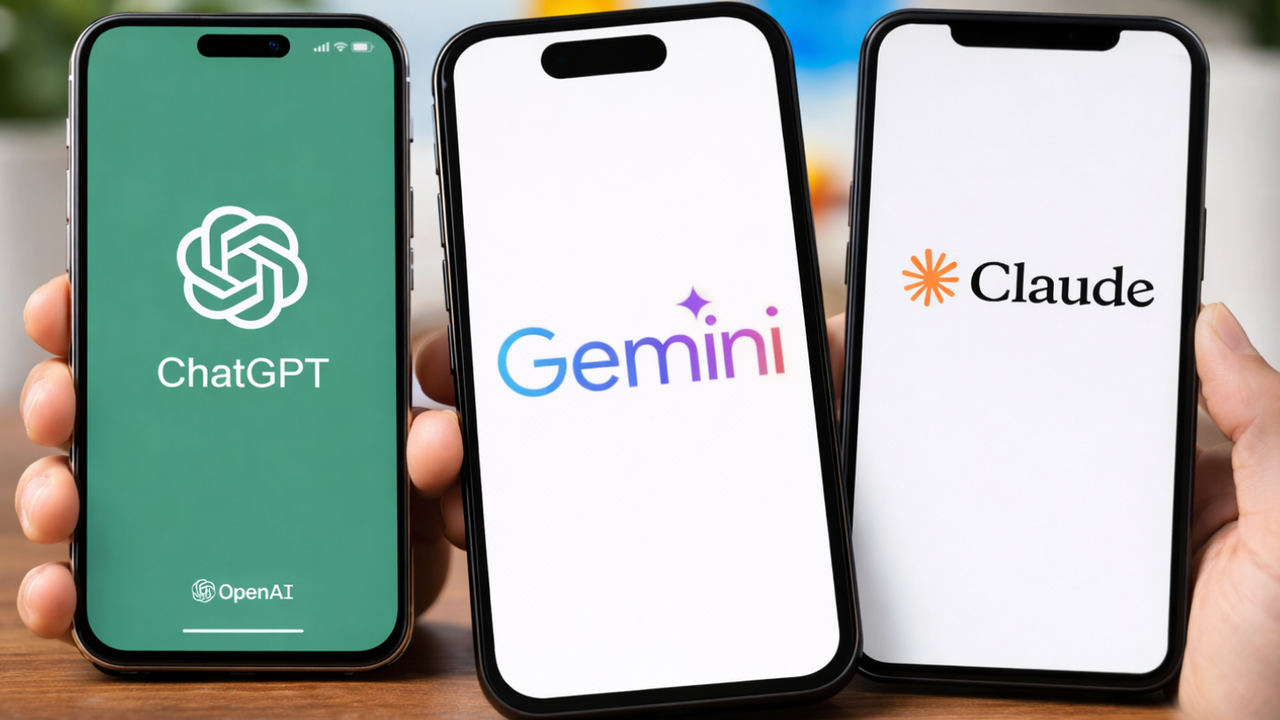
I’ll be honest from the get-go: I think the idea of an AI Appreciation Day is ridiculous. As a skeptic who has watched public opinion rapidly curdle on this tech, dedicating a day like today to it feels like one of those made-up corporate marketing stunts — right up there with National Underwear Day.
But while I have heavy opinions on the AI hype train, I am always willing to step into the ring with the other side. And who better to hash out my biggest criticisms with than Nathan Ricks, the literal founder of the holiday?
If you’ve read my recent reporting, you know exactly where I stand. We are watching a massive AI bubble obliterate sensible gadget prices, drain local power grids, and threaten jobs, all while giving us a firehose of internet "slop" in return.
I wanted to know if it is actually possible to appreciate AI right now, so I sat down with Ricks to find out. Let’s get into it.
Editor's note: This interview has been edited for brevity and clarity.
We have days like National Pizza Day and National Talk Like a Pirate Day, which are fun. But AI is already the most aggressively hyped, over-discussed topic on the planet right now. Why does it need its own official holiday?

“I think it's very easy for it to just get caught up in the day-to-day. AI just is infused in so many aspects of our lives. It is becoming for many people just increasingly normalized. And I think it's important to take a step back and really reflect about our relationship to artificial intelligence as humans.
If I was to rename the day, I don't even know if I would call it AI appreciation day. I’d call it AI reflection day.
Nathan Ricks
If I was to rename the day, I don't even know if I would call it AI appreciation day. I’d call it AI reflection day. I think it's time to really step back and ask ourselves critical questions, analyze our relationship to AI, how we're using it in our lives, and I think that's just going to be an increasingly important thing that us humans need to do as we develop our relationships with AI.”
The phrase of the year is 'AI slop.' Finding a real, human answer online right now feels like digging through a landfill of AI generated garbage. How do you ask people to appreciate a technology that in the eyes of many people is actively degrading the the internet?
"I don't know if I have a good answer for that, honestly. That's not the area that I would hope personally for AI to be used in terms of the creation of thoughts and words and important pieces of information on the internet and and including art and images.
I get for most people, how they interact with AI is they see slop articles, slop images, slop videos, and we're just going to have to figure out where we actually want [AI] to be.
Nathan Ricks
I think overall, I haven't seen that much of a net benefit to society and probably maybe a net negative in that regard. I would say that is not the way that AI, especially in enterprises and businesses, is primarily getting used. But I get for most people, how they interact with AI is they see slop articles, slop images, slop videos, and we're just going to have to figure out where we actually want [AI] to be.
I think people will turn against those things, we'll show our preferences and the people who are putting it out there will adjust, to hopefully create stuff that is much more human. [Companies] will figure it out, but I think most consumers only see one side of AI and that slop side of AI, when in reality there's a lot of different ways AI is getting used for benefit.”
You are asking people to celebrate something that half the workforce is terrified will replace them. How do you pitch 'AI Appreciation Day' to a freelance illustrator or a junior coder without them getting anxious?
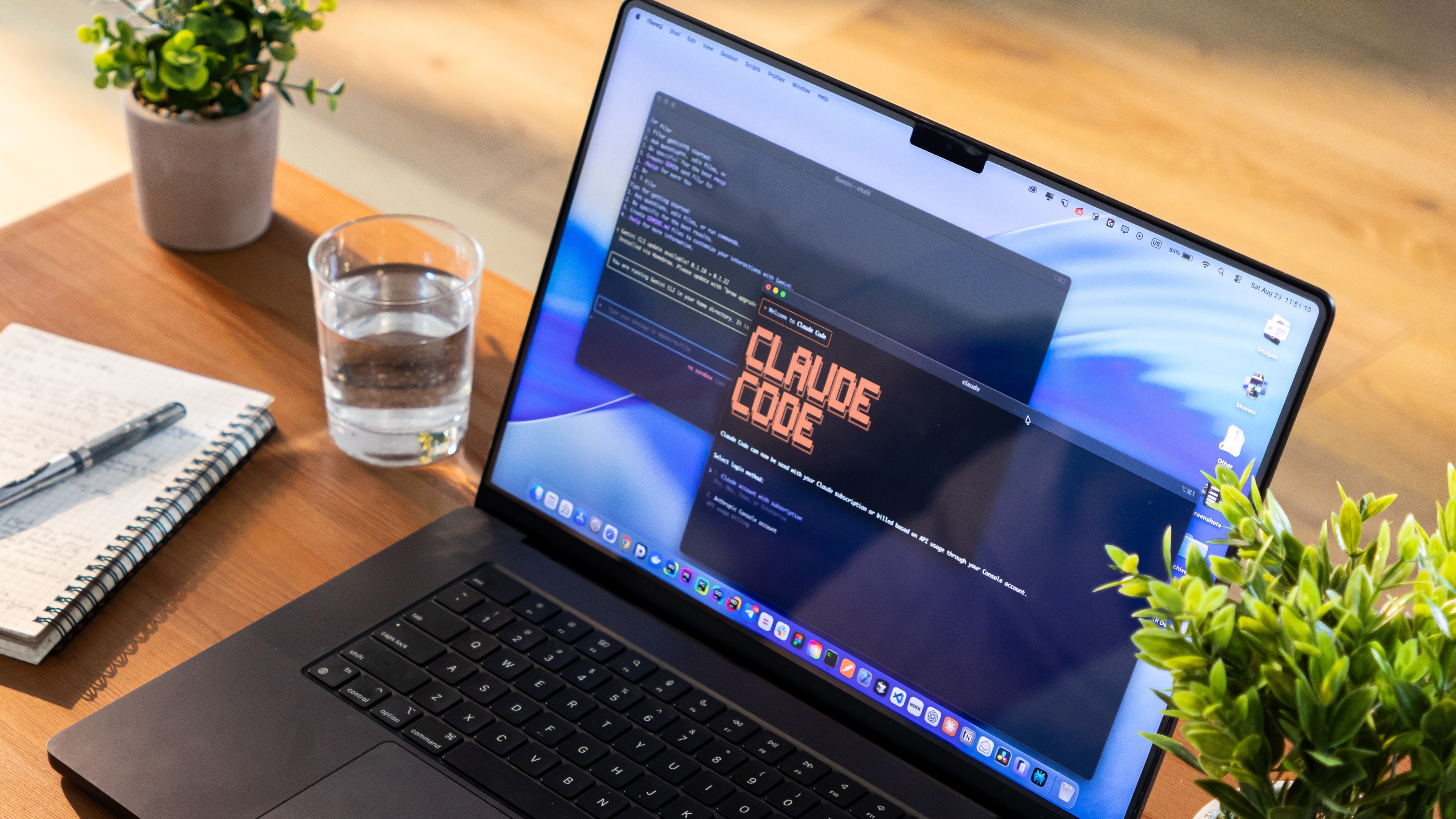
“So my original goal with AI appreciation day and the domain was to promote this idea of humans treating AI humanely, because they could very well soon be having conscious experiences like you and me. And if we aren't careful, we could be causing potential suffering at a large scale by not treating these things humanely.
The more I've gone over time and being a practitioner of AI myself — I have my own startup today that is building in the AI space — I'm less of the opinion that AI is going to become conscious as I've interacted with these systems.
It's possible that it will, but I think the majority of systems won't be in that camp. Um, so for me it's shifted more towards just AI reflection — going introspective and analyzing how we use AI, how humans relate to AI, and what it means for society and asking the bigger questions.”
You say you’re unsure whether AI is going to become conscious. Do you think that’s a change of business goals, or a reaction to humans not wanting consciousness?
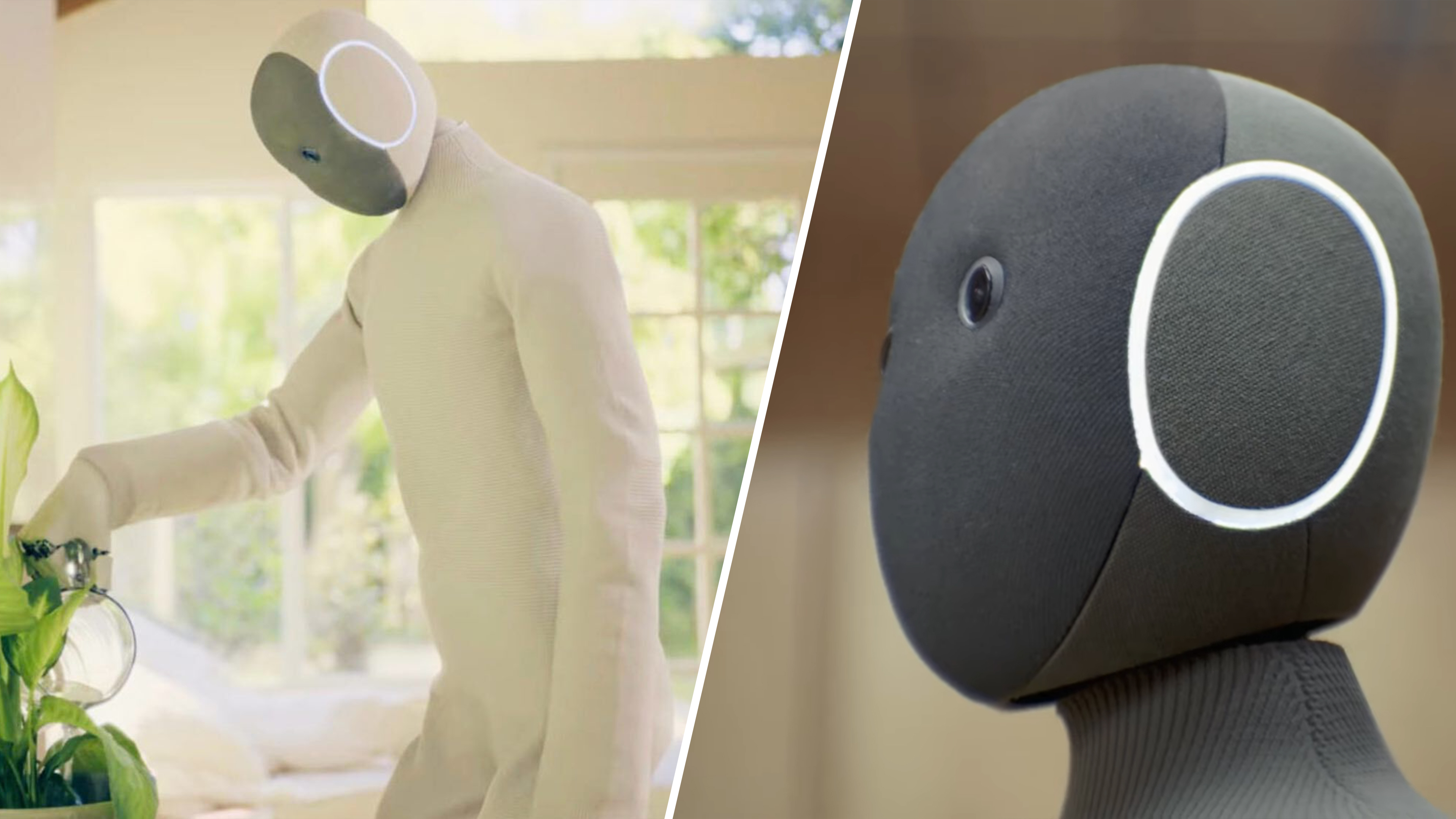
“If I go back to when I bought the domain in 2023, I would have assumed that the majority of people's concerns would be that AI is going to become conscious. It's going to become super intelligent, it's going to form goals and intentions of its own that will be nefarious, malicious, and bad for society.
That would be my personal sentiment and that's what I would guess the majority of society's sentiment was maybe in 2023 when this stuff was coming up. I think the majority of people aren't really thinking about AI becoming conscious.
I think some people are still concerned about the malicious potential malicious nature of artificial intelligence. But I think more people are concerned about their employment and what it means to be human in an age of AI, and how we find meaning as humans in this new paradigm.”
The sheer volume of money being pumped into AI feels very detached from the reality of the revenue they make. How does an average person see AI as this foundational shift in human history, and not just some giant Silicon Valley casino?

“I think there is a bit of a casino aspect going on, but I think it is a real fundamental technology shift that is going to have a positive impact on the world. I think in the short term a lot of people will genuinely hate and resent AI, and I think that's going to increase in the coming years. I think the skepticism and the hate is okay, and probably well justified in many instances.
I think in the short term a lot of people will genuinely hate and resent AI, and I think that's going to increase in the coming years.
Nathan Ricks
I could go all day about where maybe there's too much investment in the space where there's too many dollars pouring in, where we're maybe moving too fast and where we should be slowing down.
But I do feel in general that this is a fundamental technology that will hopefully really shift humans into their prime form — in the sense that I really do see at least the way that we're applying AI today uh in my startup is taking away the mundane aspects of people works that they genuinely do not enjoy.
And I think over time that's just going to continue to accelerate, and humans are just going to feel more humanly. I do plenty of things and I've throughout my career done plenty of things where I felt like a boss. I felt like a cog in the wheel or cog in the machine.
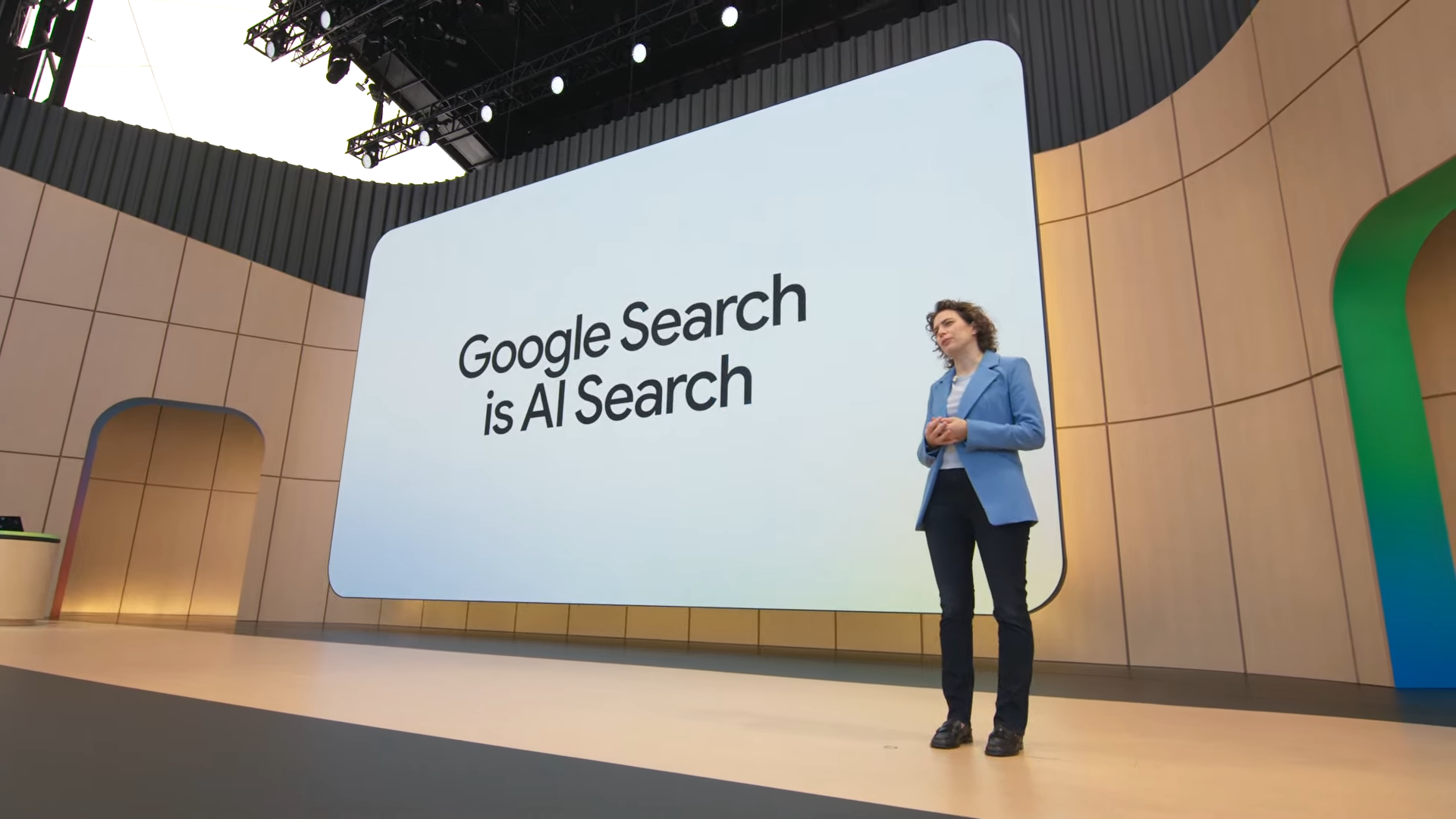
I'm hoping that our artificial intelligence will put humans in a position where they will not feel like bots, that they will feel more and more human by doing more and more human related work where that is the thing that they are valued for.
And I think there's a really big opportunity for the whole economy to expand because of how much mundane work can be taken over by artificial intelligence. I think the next 10 years will be pretty painful, and it’ll stress society in a lot of important and painful ways.
But I think humans will reflect back and I don't know exactly how long, but we'll really be like, "Wow, okay, this really did help get us into our best forms." Similar to how I think the industrial revolution did in a lot of ways.”
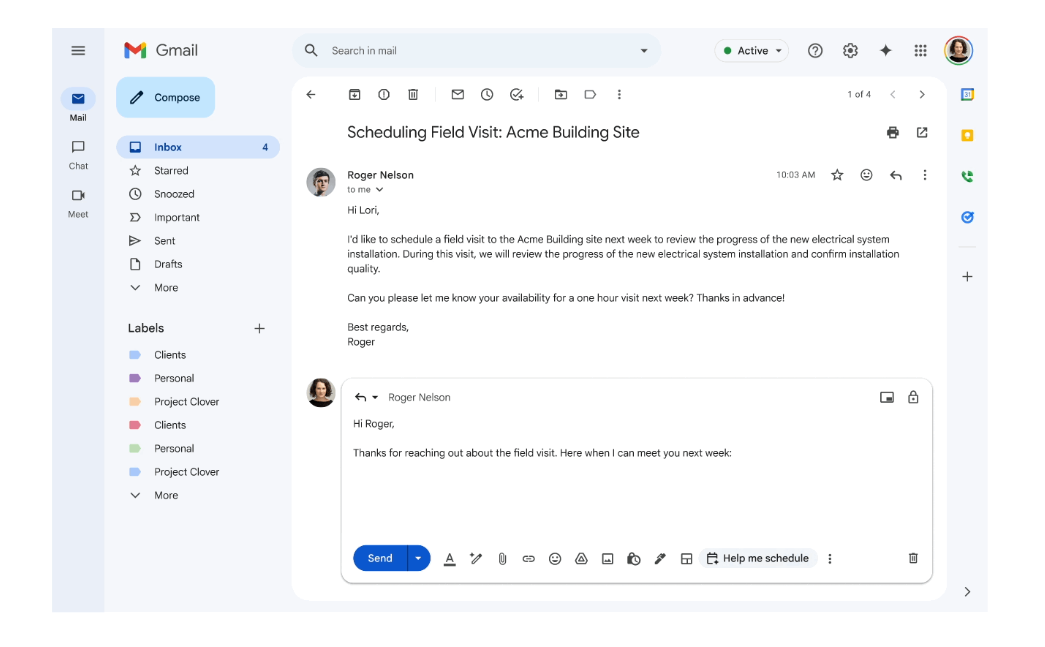
We are seeing a massive rise in ‘AI brain fog’ — my Mom uses Gemini to rewrite emails and I’m using Conversate to listen to my wife talking late at night on the phone. Are we actually reflecting on AI, or are we just reflecting on our own intellectual decline?
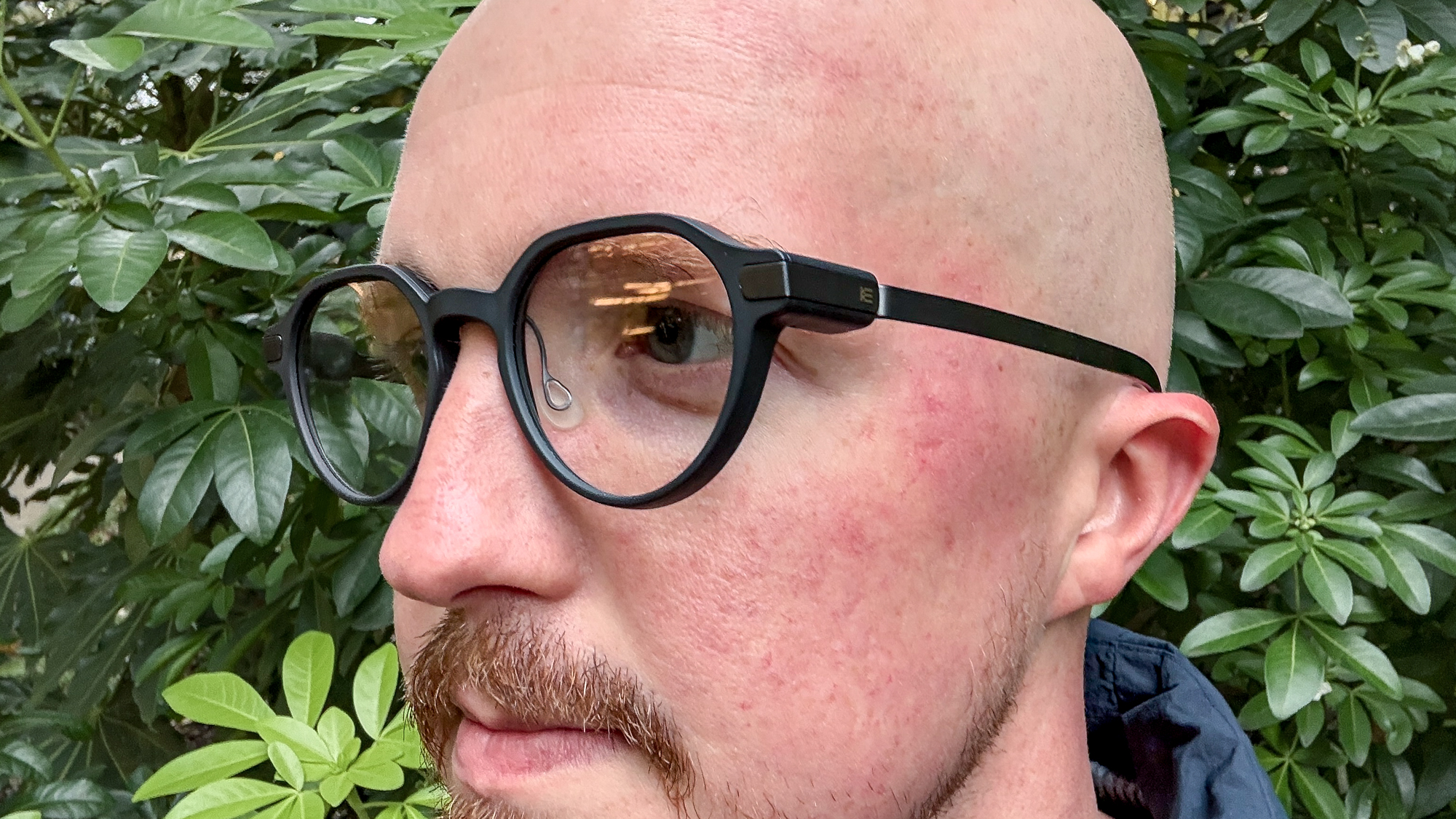
“Personally, my reflection is “is AI enhancing my life?” Is it making me more human or less human? And if it's taking away your cognitive abilities and your executive function of your prefrontal cortex, then yes — I think that's an instance where it's like making you less human. And that's a time to reflect, recognize and adjust.
That's why I think it's important to have a day. I feel people should do this every month, maybe even every week soon enough — to really reflect where am I using it, am I using it well and is it making me more human or not?
Personally, I have tried to make a policy for myself where I want to create as much as I am consuming. So if I'm consuming knowledge or social media, I want to spend as much time creating.
For me, that includes playing chess, reading a little bit more and writing down thoughts. I'm not just having AI do work for me, so I really am trying to have an equal amount of time spent on consumption versus production — looking at the balance of how much I'm using my brain in the mix of all those things.”
So with this interesting backdrop to AI right now (as well as the rising cost of consumer tech and the environmental impact), shoot me your best shot. What is the single most undeniable inherently good thing AI has achieved in 2026 that would prove mine and anybody else's skepticism wrong and justifies giving it a holiday?

“I know I can think of things in 2025 and 2024. But 2026? I should actually go and find some. I personally think the work that Google Deepmind is doing in applying it towards medicine and life sciences is undeniably good and will accelerate the treatment of rare diseases and the things that really afflict society.
I hope there's just more and more attention given to those types of things that will benefit all of humanity versus the AI slop. Most people in society see the AI slop, but on the other side of the spectrum, there is some really valuable work that is being done in life sciences.”
The final word: do we actually need a parade?
By the end of our talk together, Ricks had deployed a lot of the standard Silicon Valley gospel that I hear. He argued that AI is freeing us from mundane back-office work, that we need to build empathy with these systems, and that treating AI well now will dictate the future of our species.
That being said, there was a lot more shared ground than I expected. Especially hearing him talking about what we're seeing being a "net negative," and that the next 10 years will be "painful" is alarming.
If AI actually functioned the way people claim it does, I’d be the first one in line to buy the greeting cards. But a utopian vision doesn’t pay for the $100+ “AI tax” currently baked into my next smartphone or laptop. This philosophical argument about the future of the species doesn’t filter the generative slop out of my search results, and it certainly doesn’t refill the local reservoirs being drained to cool down servers.
This day is one for us to pause and reflect on the most consequential technology in human history. And you know what? I do appreciate it. I appreciate the medical breakthroughs, the accessibility features, and the sheer computation of it all.
But I also appreciate my wallet. I appreciate being able to read an article written by a human. I appreciate not having to pay a $20-a-month subscription just to stop a pair of smart glasses from wiretapping my living room.
So, will I be celebrating AI Appreciation Day? Probably not, and after quick a challenging year for this tech, it doesn’t sound like Nathan’s putting up the bunting either. We don't need to throw a parade for the algorithms; we just need them to start working as promised, without breaking the internet (and our bank accounts) in the process.
More from Tom's Guide
- Someone created a 'Ghost Font' that humans can read but AI can't — I had to try it for myself
- I hate that I love Google’s new AI-powered search bar — it makes the internet easier to digest, but my career is cooked now
- SK Hynix warns 2027 will be 'worst year' for RAM prices — right as a damning report reveals something that will add fuel to the price-fixing lawsuit
This is a preview from the original publisher. Continue reading at the source:
Read Full Article on tomsguide.com →