

I walked 5,000 steps with the Apple Watch 11 vs Fitbit Air — and there's a clear winner
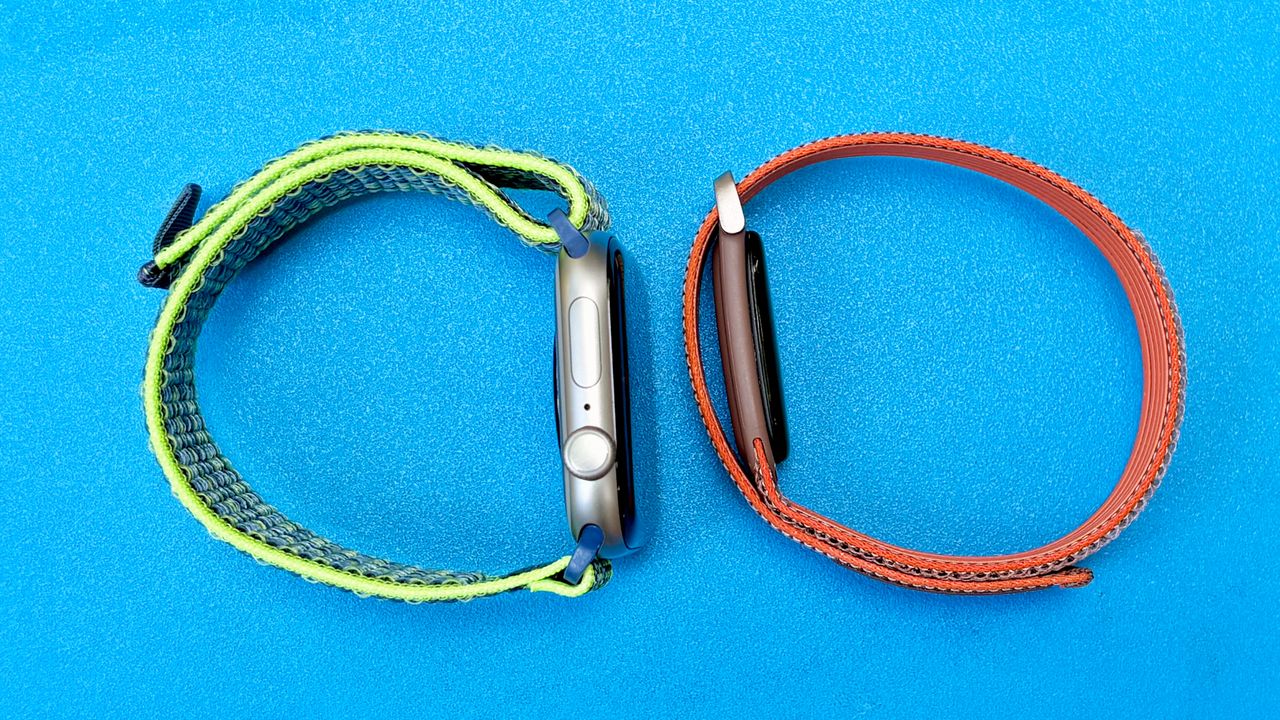
Apple Watch Series 11 or Fitbit Air, which popular wearable is the more competent/reliable fitness tracker? I decided to find out by performing one of my renowned head-to-head walk tests.
For this showdown, I wore the Apple Watch 11 on my left wrist and the Fitbit Air on my right wrist for a 5,000-step walk around beautiful Seattle, Washington. How do I know it was 5,000 steps? I counted every darn one, with some assistance from my trusty tally counter (one click= 100 steps).
Now, if I were a betting man (I'm not), my money would be on the Series 11 to come out victorious. Not only is it one of the best smartwatches in 2026, but it's also four times the cost of the Fitbit Air: $399 vs $99.
Then again, the Fitbit Air may be affordable, but it's also one of the best fitness trackers in 2026. Not only that, when I pitted in a separate walk test versus the Apple Watch SE 3, the Air surprisingly came out victorious. Will this be a repeat win? Read on!
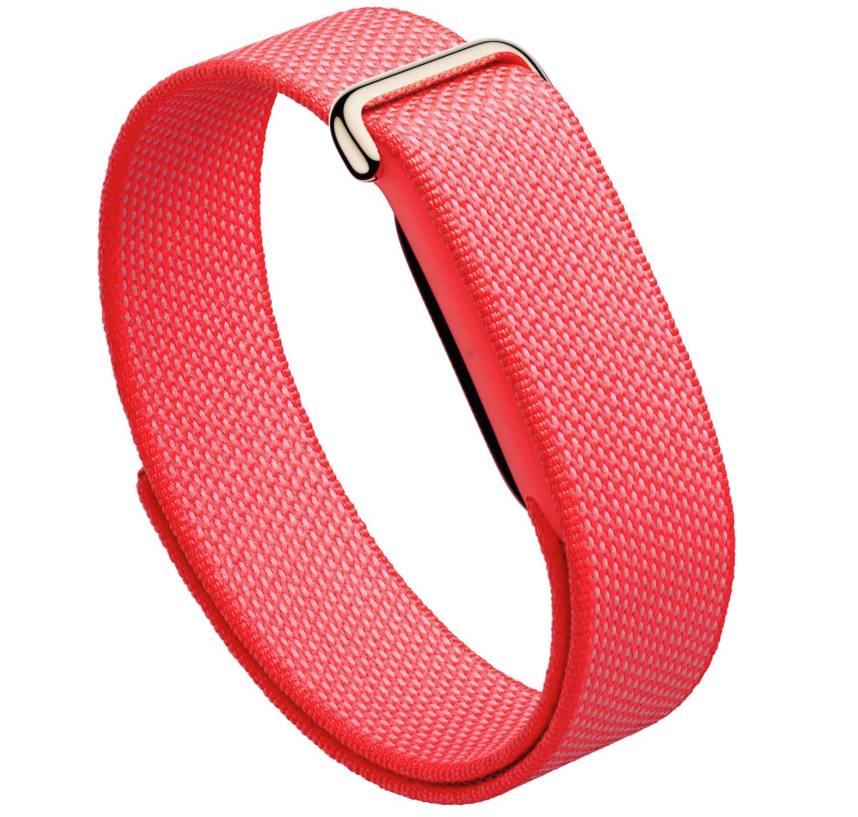
The Fitbit Air is a diminutive, comfortable fitness tracker with no screen or buttons. Just $99, it boasts nearly a week of battery and lots of health, sleep, and workout insights. View Deal
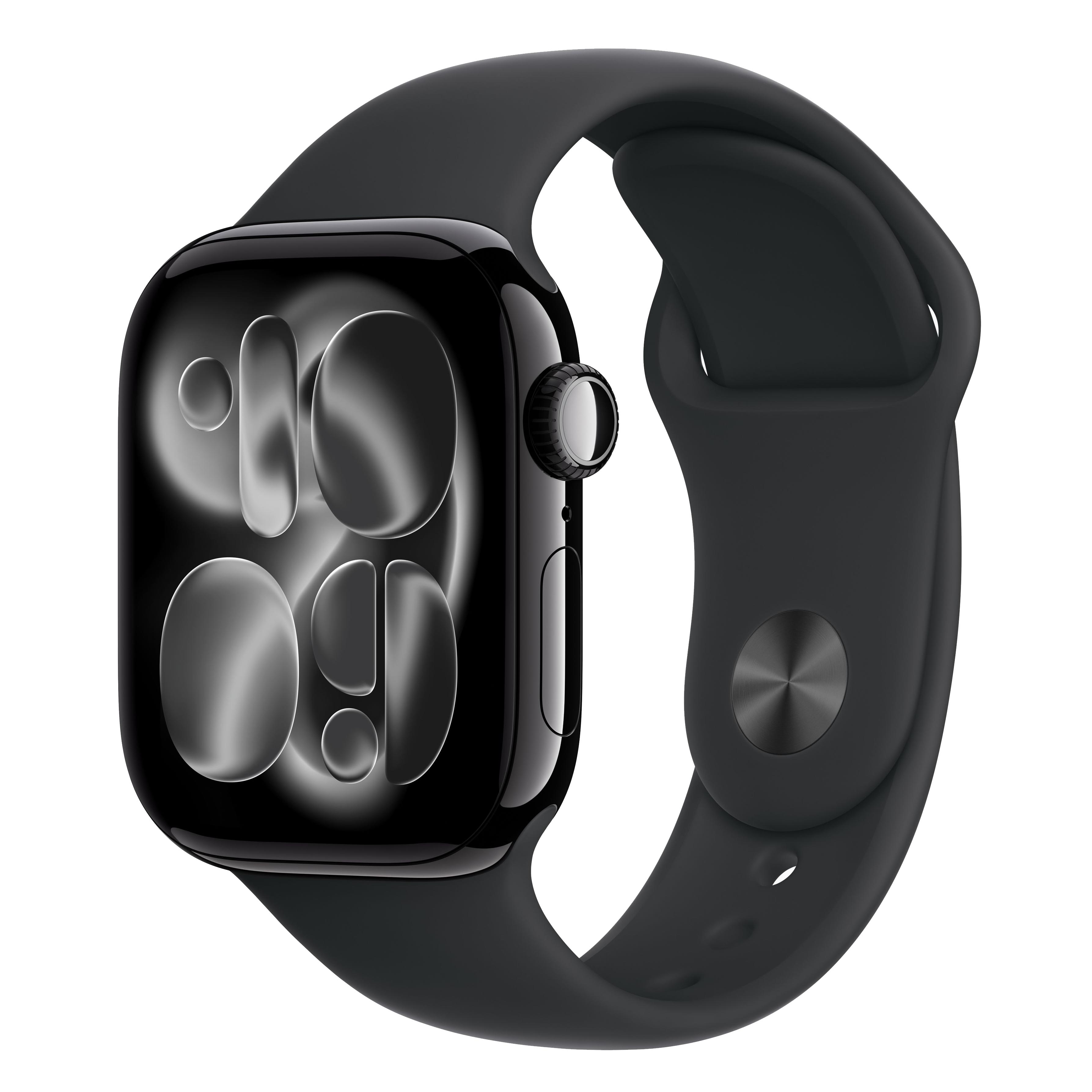
The Apple Watch Series 11 is one of the most high-tech smartwatches money can buy, with plenty of apps and features to keep you connected, healthy, safe, and fit. It also boasts a big, bright touchscreen and up to 24 hours of battery per charge. View Deal
Apple Watch 11 vs Fitbit Air: tech compared
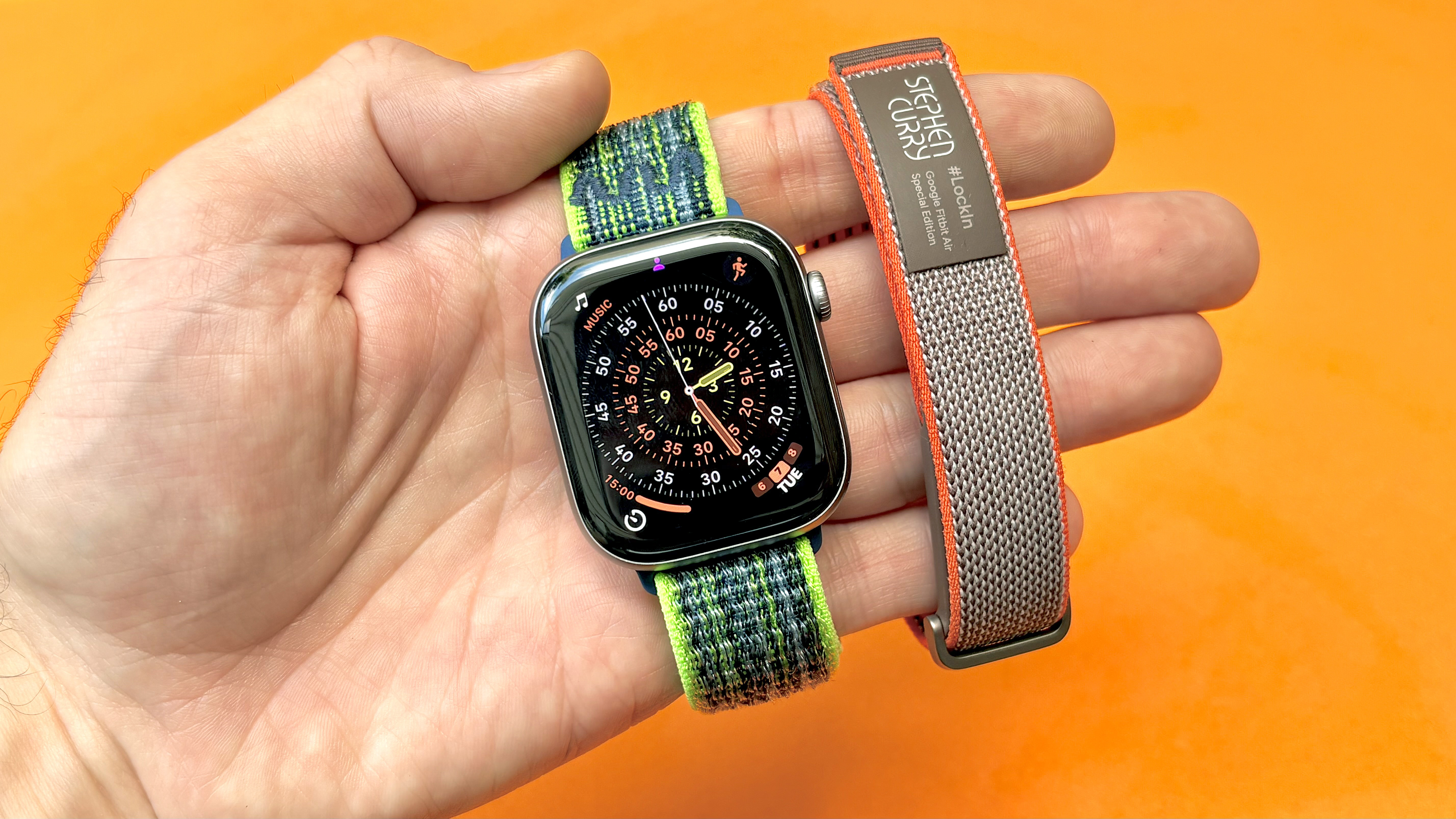
When it comes to wrist-based trackers, the Fitbit Air and Apple Watch 11 couldn't be more different. The former has no screens, buttons, or notifications, and lasts up to a week.
The Series 11, meanwhile, is a super-connected device, boasting a large, bright touchscreen, multiple physical buttons, and compatibility with a dizzying array of apps. That said, the Series 11 comes up short on battery life; 24 hours per charge is the norm.
Another major difference: the Fitbit Air has no onboard GPS for location tracking or altimeter for elevation data, so you need to carry a smartphone along when logging an outdoor workout. The Apple Watch 11, on the other wrist, has both GPS and an altimeter.
With that out of the way, let's move on to the results!
Apple Watch 11 vs Fitbit Air: Walk test results
|
Apple Watch 11 |
Fitbit Air |
Control |
|
|---|---|---|---|
|
Steps |
5,053 steps |
5,108 steps |
steps (manual count) |
|
Distance |
2.63 miles |
2.72 miles |
2.39 miles (Strava) |
|
Climb |
372 feet |
205 feet |
328 feet (Strava) |
|
Average pace |
18 mins 51 secs |
18 mins 03 secs |
17 mins 22 secs (Strava) |
|
Average heart rate |
119 bpm |
119 bpm |
n/a |
|
Max heart rate |
153 bpm |
153 bpm |
n/a |
|
Calories burned |
312 calories |
373 calories |
n/a |
|
Battery usage |
6% |
1% |
n/a |
Before we begin, it's worth noting that Strava appears to have had a "hiccup" while recording this walk test. How do I know? The app logged just 4,506 steps, which is a major red flag. Normally, Strava's step-count data is within 10-20 steps of my actual count. TLDR: Take Strava's distance, climb, and pace data with a grain of salt.
Anyhow, both the Apple Watch 11 and Fitbit Air performed admirably when it came to keeping an accurate tally of my steps — anything within ~150 steps of the control is considered excellent in my book — but the Apple Watch was just a little closer!
Distance data between the Apple Watch and Fitbit Air is similar enough for my liking. The Fitbit noted slightly more ground covered but also a faster pace, which checks out.
The Fitbit Air's elevation metric is concerningly inaccurate (this walk was particularly hill-heavy), which doesn't make a whole lot of sense, given the device can piggyback off of the iPhone 16 Plus's climb data. This also isn't the first time I experienced less-than-precise elevation tracking insights from the Fitbit Air; it was also way lower than expected versus the Apple Watch SE 3.
Fortunately, the Fitbit Air finishes strong: Heart rate data is a perfect match with the Apple Watch Series 11, a result I love to see. Meanwhile, the Air logged slightly more calories burned, but used way less battery during my ~42-minute stroll.
Apple Watch 11 vs Fitbit Air: Winner
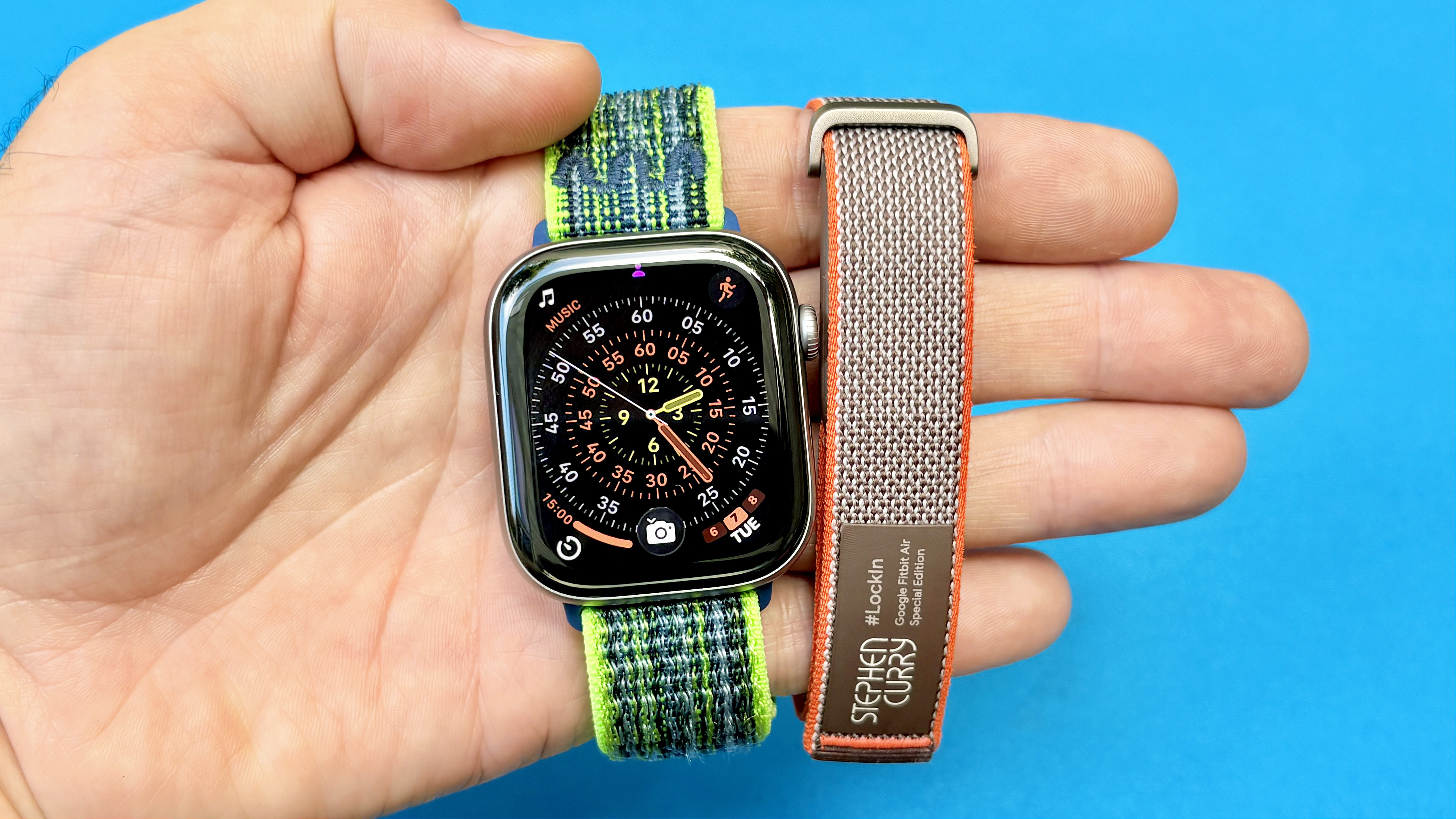
Ultimately, the Apple Watch Series 11 wins this showdown of fitness tracking accuracy against the Fitbit Air, with a more precise total step count and climb data.
Which fitness trackers or smartwatches should I pit head-to-head next? Let me know in the comments below. Also, which do you prefer, the Apple Watch 11 or the Fitbit Air? Share your opinion in the poll below.
More from Tom's Guide
- I walked 3,000 steps with the Fitbit Air vs Garmin Forerunner 70 — and I’m seriously amazed by the results
- The Fitbit Air is basically just a screen-less Fitbit Inspire 3 — and that’s a very good thing
- Oura vs Whoop vs Fitbit Air — 5 questions to ask yourself before buying a screen-free fitness tracker
This is a preview from the original publisher. Continue reading at the source:
Read Full Article on tomsguide.com →