

I’ve been testing the Fujifilm Instax mini 13 and it’s the put the fun back into instant photography — here’s why it’s perfect for basically everyone
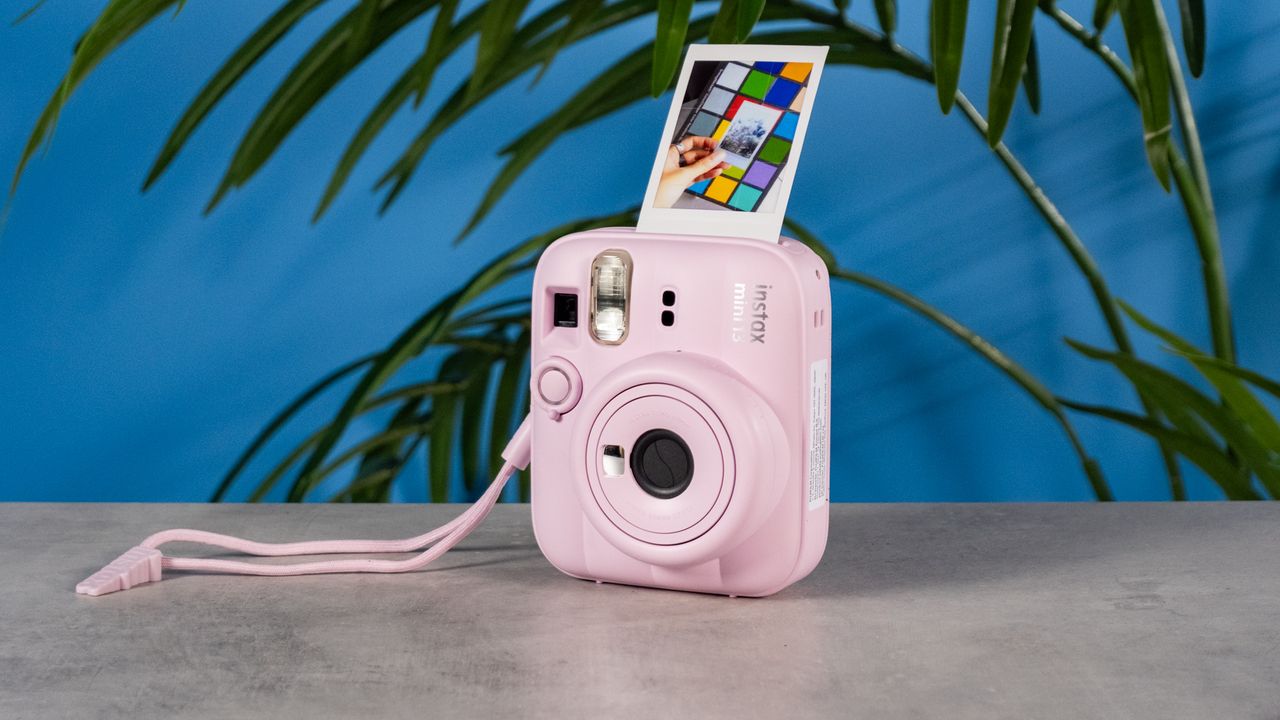
The best instant cameras need to do three things to be considered great: they should be easy to use, they should take great photos, and above all, they should make instant photography fun. The Fujifilm Instax mini 13 does just that — and it looks stunning while doing so. Supremely easy to use, the Instax mini 13 captures and prints lovely photos, and it features a handy selfie mirror, Close-Up mode, and a self-timer.
Image and print quality are sublime as always, as is the handling. Straightforward controls, an easy-to-use app for scanning prints, and cute styling make the Instax mini 13 a fantastic instant camera. However, it still can’t shoot double exposures, and shots can sometimes come out overexposed in bright sunlight.
For the complete breakdown, read my full Fujifilm Instax mini 13 review.
Fujifilm Instax mini 13 review: Specs
|
Price |
|
|
Lens |
60mm retractable |
|
Viewfinder |
Yes |
|
Monitor |
No |
|
Exposure control |
Automatic |
|
Shutter |
1/2-1/250s (automatic) |
|
Aperture |
f/1.27 |
|
Shooting range |
0.3m - ∞ (normal) | 0.3-0.5m (Close-Up) |
|
Flash |
Yes, built-in |
|
Flash refresh time |
7 seconds or less |
|
Flash range |
0.3-2.2m |
|
Self-timer |
2s, 10s |
|
Power |
2x AA batteries |
|
Dimensions |
4.91 x 4.15 x 2.66 inches |
|
Weight |
11.53oz (camera only) |
|
Film used |
Instax mini film |
|
Film development time |
Up to 90 seconds |
|
Cost per print |
80¢ |
Fujifilm Instax mini 13 review: Price & availability
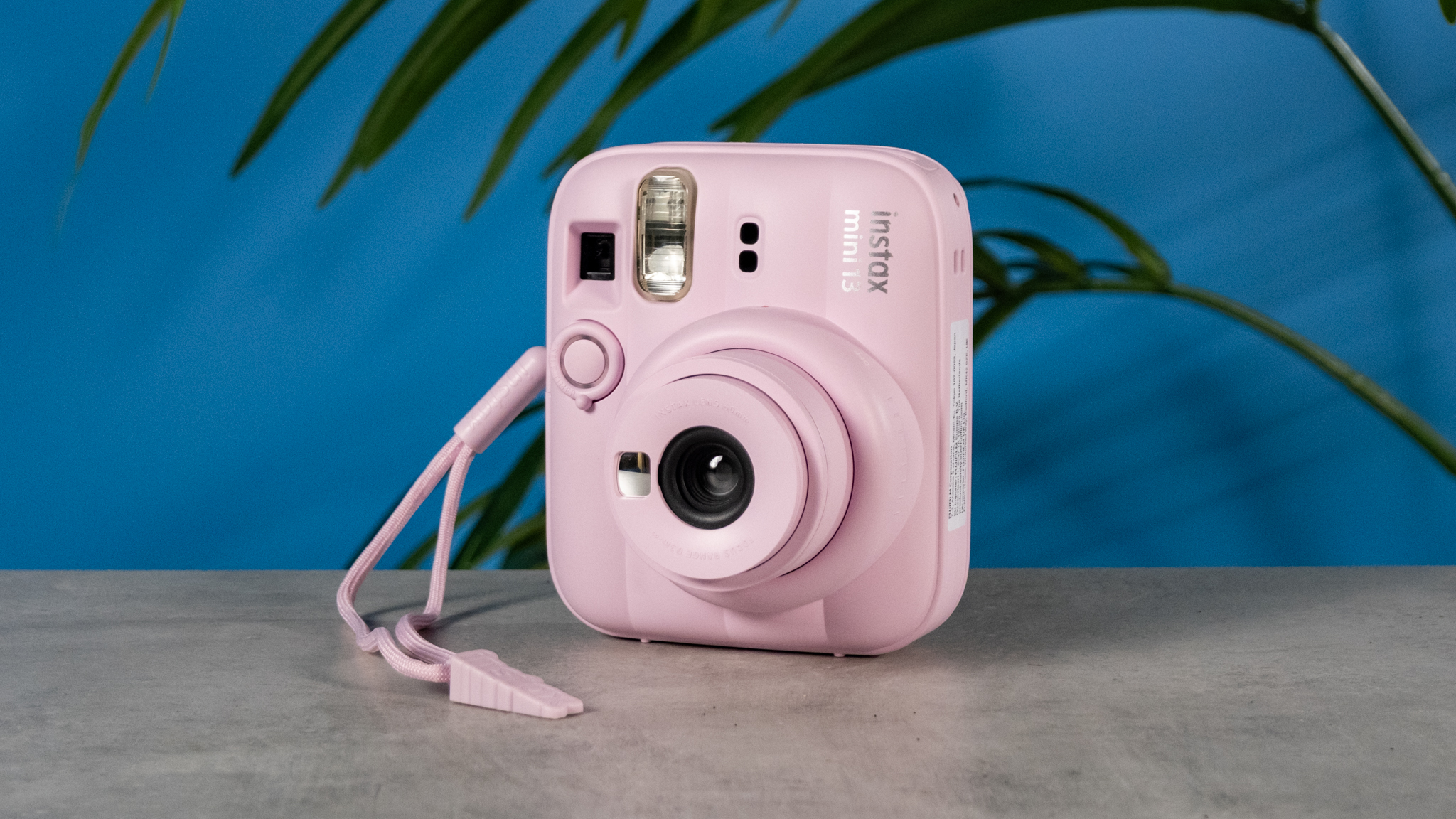
Announced in March 2026, the Fujifilm Instax mini 13 is the latest addition to the brand’s lineup of beginner-friendly instant cameras. It succeeds the Fujifilm Instax mini 12 after a three-year wait. The Instax mini 13 costs the same as its predecessor did at launch: $93 / £79 at Amazon.
The Instax mini 13 is an analog instant camera, which means that all you need to do is point and shoot. There are no fancy video recording features, like on the Fujifilm Instax mini Evo Cinema ($409) or audio recording ones on the Fujifilm Instax mini LiPlay+ ($234). The Instax mini 13, then, competes with the likes of the Polaroid Go Gen 3 ($79) and the Fujifilm Instax mini 41 ($99).
The Go Gen 3 is smaller and cheaper and so are its prints. The Instax mini 41 is similar to the Instax mini 13 in terms of internal hardware, but it doesn’t come in whimsical colors, and it’s a little bulkier too. If you want a cute instant camera and credit-card sized photos, the Instax mini 13 is the way to go.
Fujifilm Instax mini 13 review: Design & build
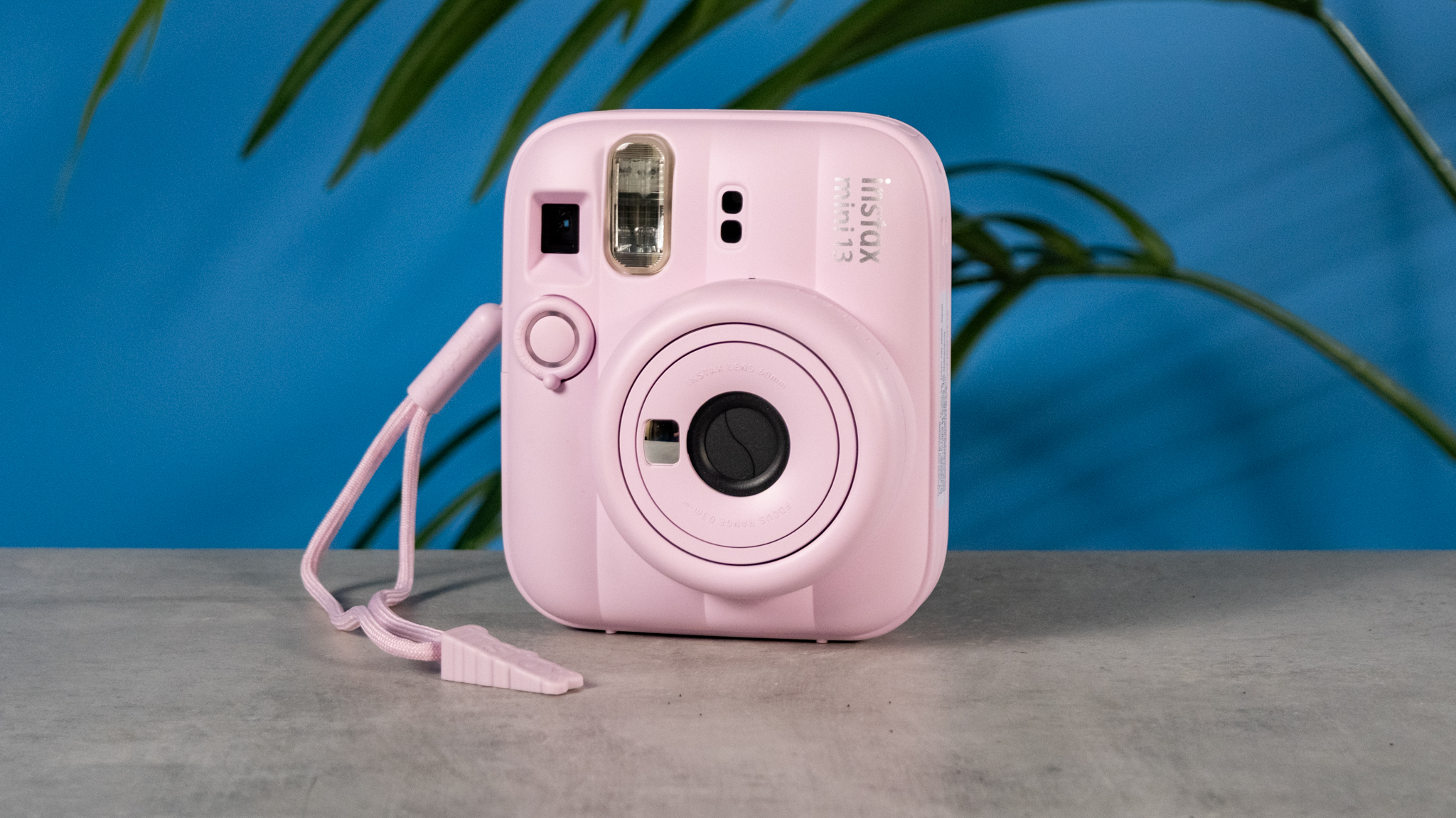
When I first saw the Fujifilm Instax mini 13, I thought it was an Instax mini 12 wearing a puffer jacket. Still curvy around the edges, the Instax mini 13 sports a more rounded shape compared to its predecessor. It still looks cute, and comes in a few fun colors: Candy Pink, Dreamy Purple, Frost Blue, and Lagoon Green. I tested the Candy Pink model and it looks adorable.
The only other visual difference between the two cameras is a timer lever fitted around the power button on the Instax mini 13 — and I’ll discuss it in detail shortly. Fujifilm has also included an Instax-shaped camera angle adjustment accessory attached to the camera’s wrist strap. You can put this under the Instax mini 13 to prop it up at an angle, and it’s similar to the one that was introduced with the Fujifilm Instax Wide 400 ($149) back in 2024.
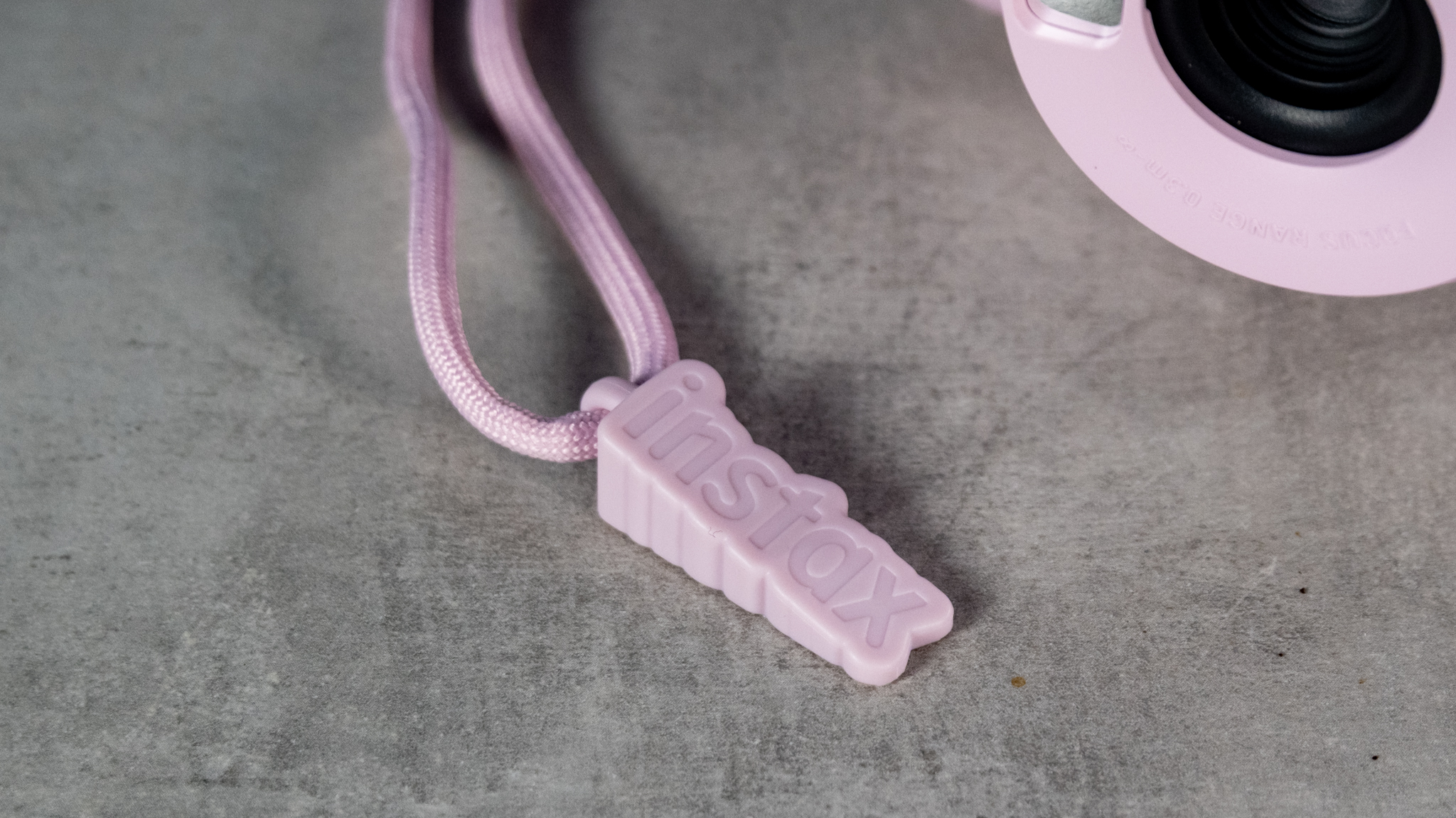
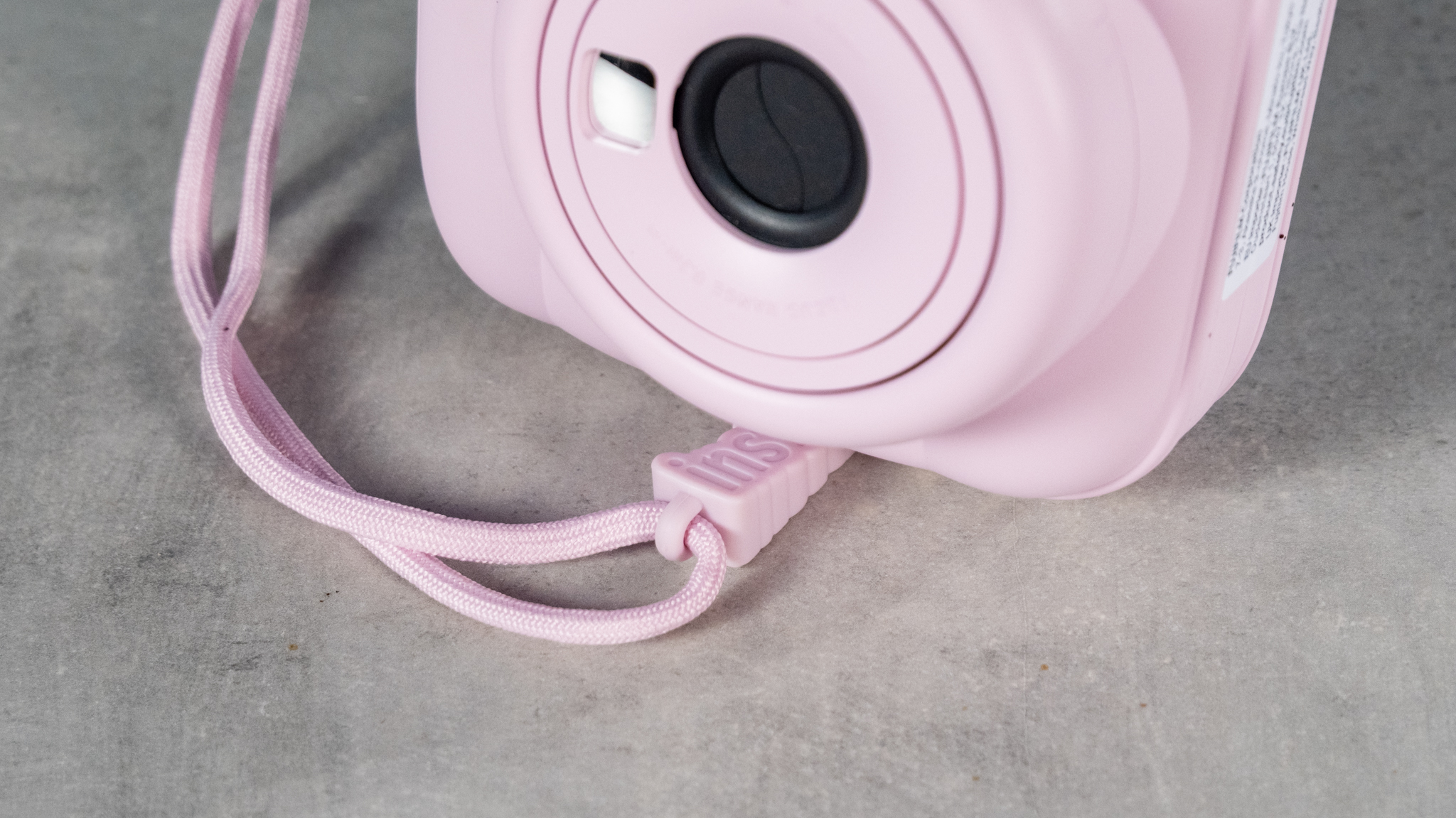
Handling is sublime as always — whether you’re looking through the viewfinder and photographing your friends, or holding it up with one hand to take a selfie. The Instax mini 13 is ever-so slightly heavier and bigger than the Instax mini 12. It weighs 11.53oz (versus 10.79oz) and measures 4.91 x 4.15 x 2.66 inches (versus 4.8 x 4.09 x 2.62 inches). The difference is negligible, though, and the Instax mini 13 doesn’t take up much space in handbags and backpacks.
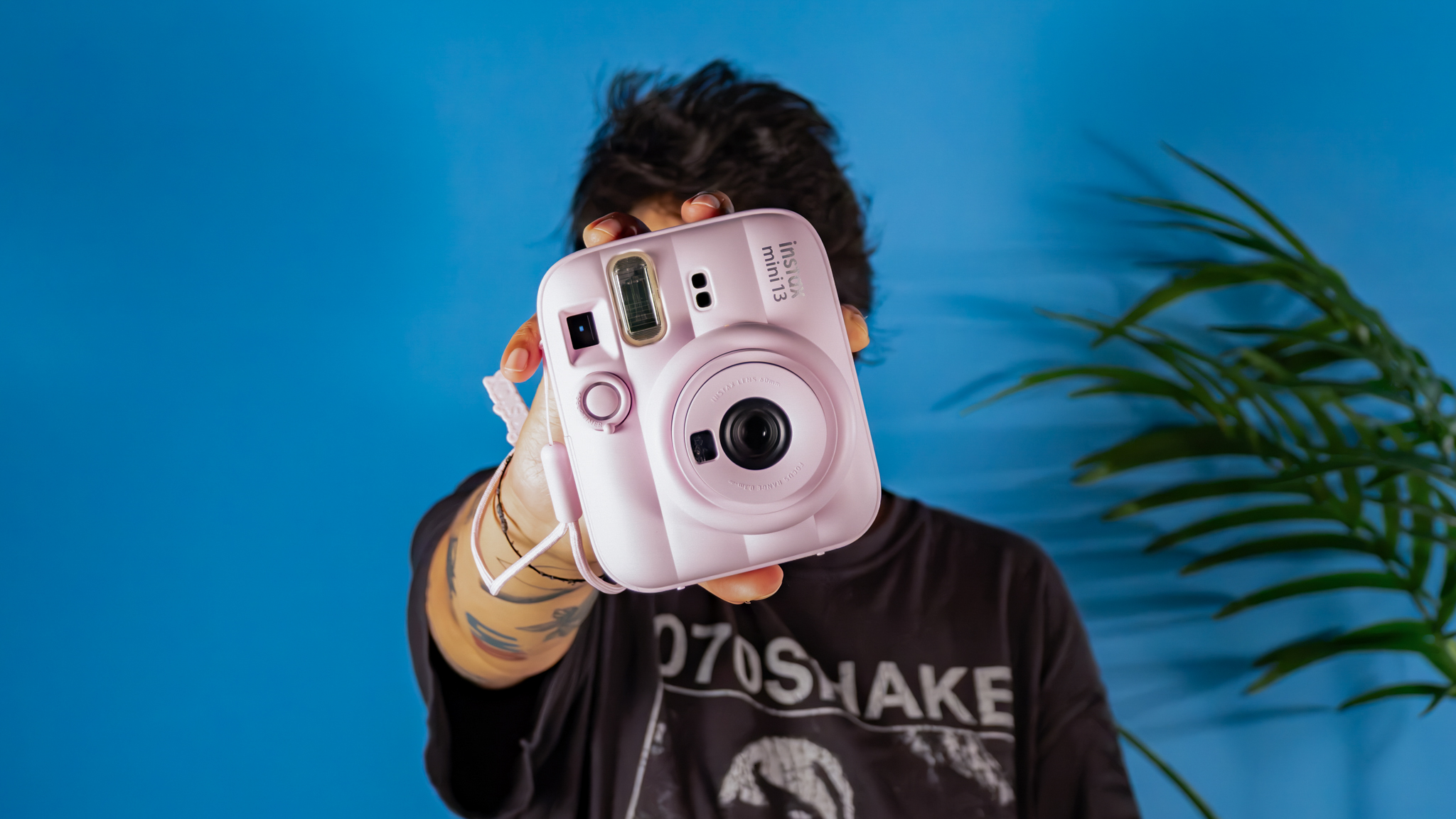
For those who like snapping selfies, a small selfie mirror is located on the lens. It’s the same size as the one on the Instax mini 12, and I found it accurate for framing, regardless of whether I was taking a selfie on my own or with my partner.
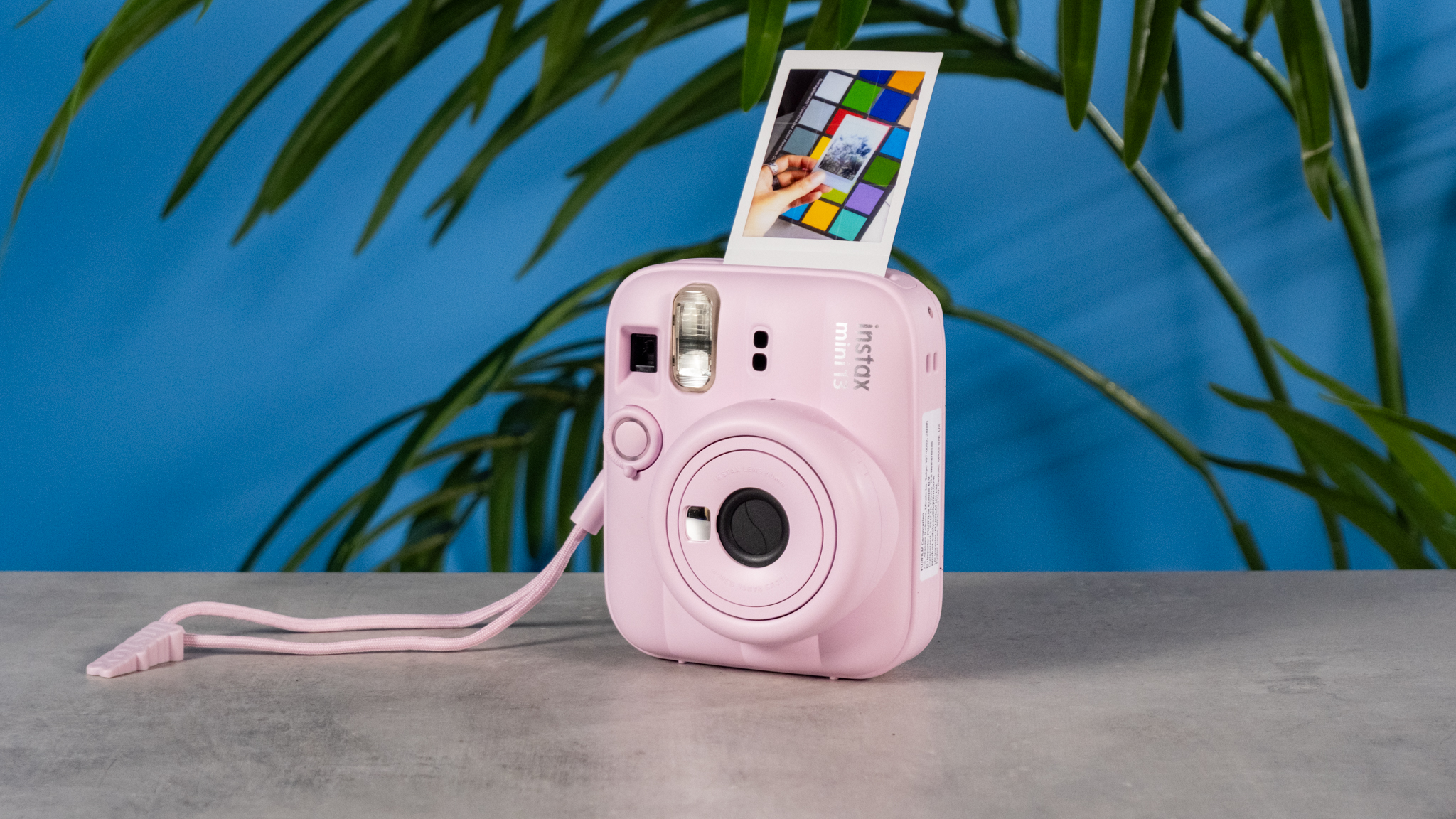
Build quality has never been an issue with Fujifilm cameras, in my experience, and the Instax mini 13 isn’t an exception. The camera is built extremely well, and you can tell the plastic used in its construction is of high quality.
Fujifilm Instax mini 13 review: Lens & viewfinder
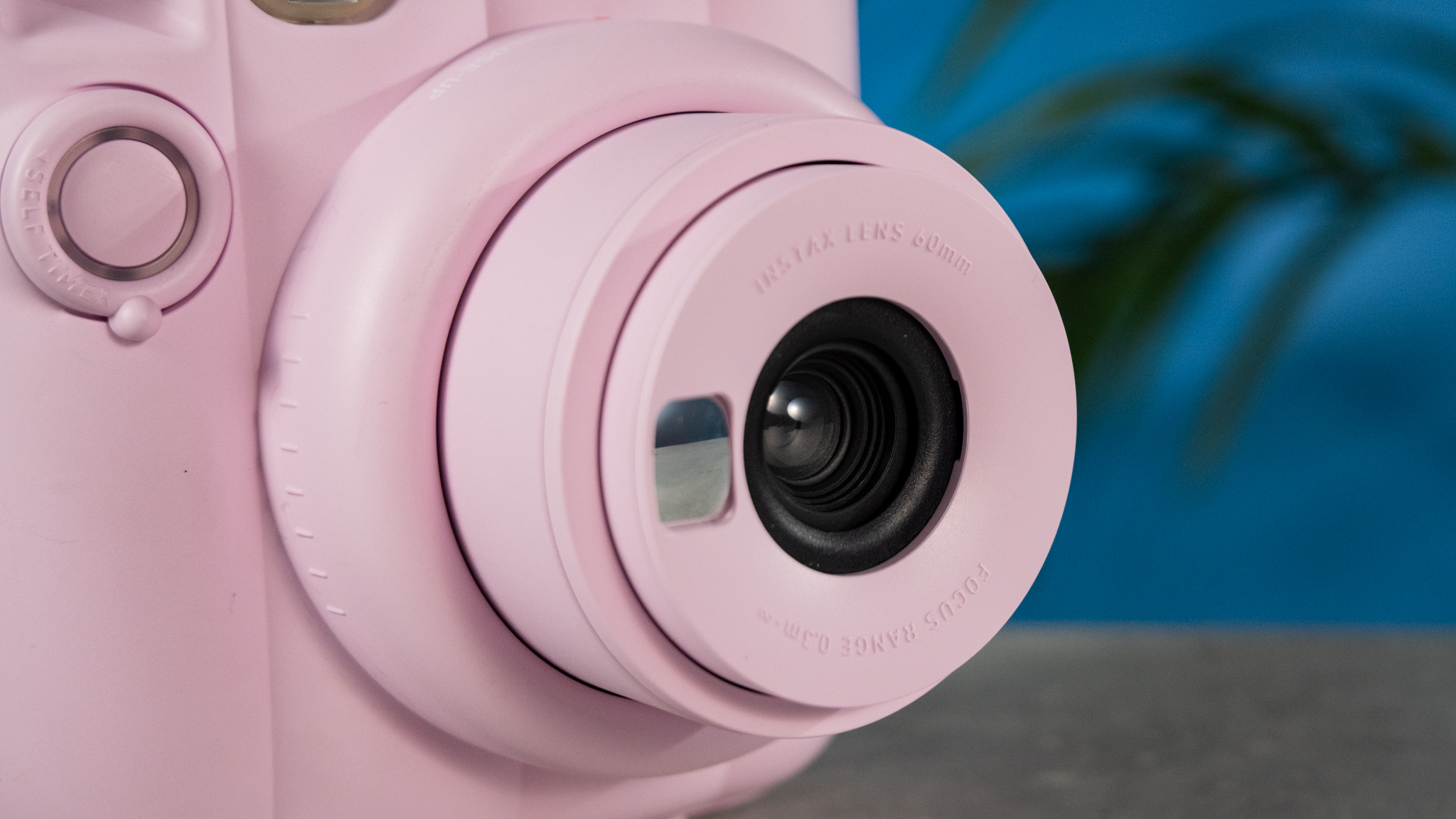
Optics on both the Fujifilm Instax mini 13 and the Instax mini 12 are fairly similar, if not identical. The instant camera is fitted with a retractable lens with a focal length of 60mm and a fixed f/1.27 aperture. The 60mm lens is neither too wide nor too telephoto, and it’s suited to landscape, portraits, street shots, as well as selfies.
In Normal mode, the Instax mini 13 has a focus range of 0.3m-∞, and 0.3-0.5m in Close-Up mode. The shutter speed, between 1/2s and 1/250s, is adjusted automatically and you can’t change it manually — you’ll need to spend extra on the Fujifilm Instax mini 99 ($199) for that.
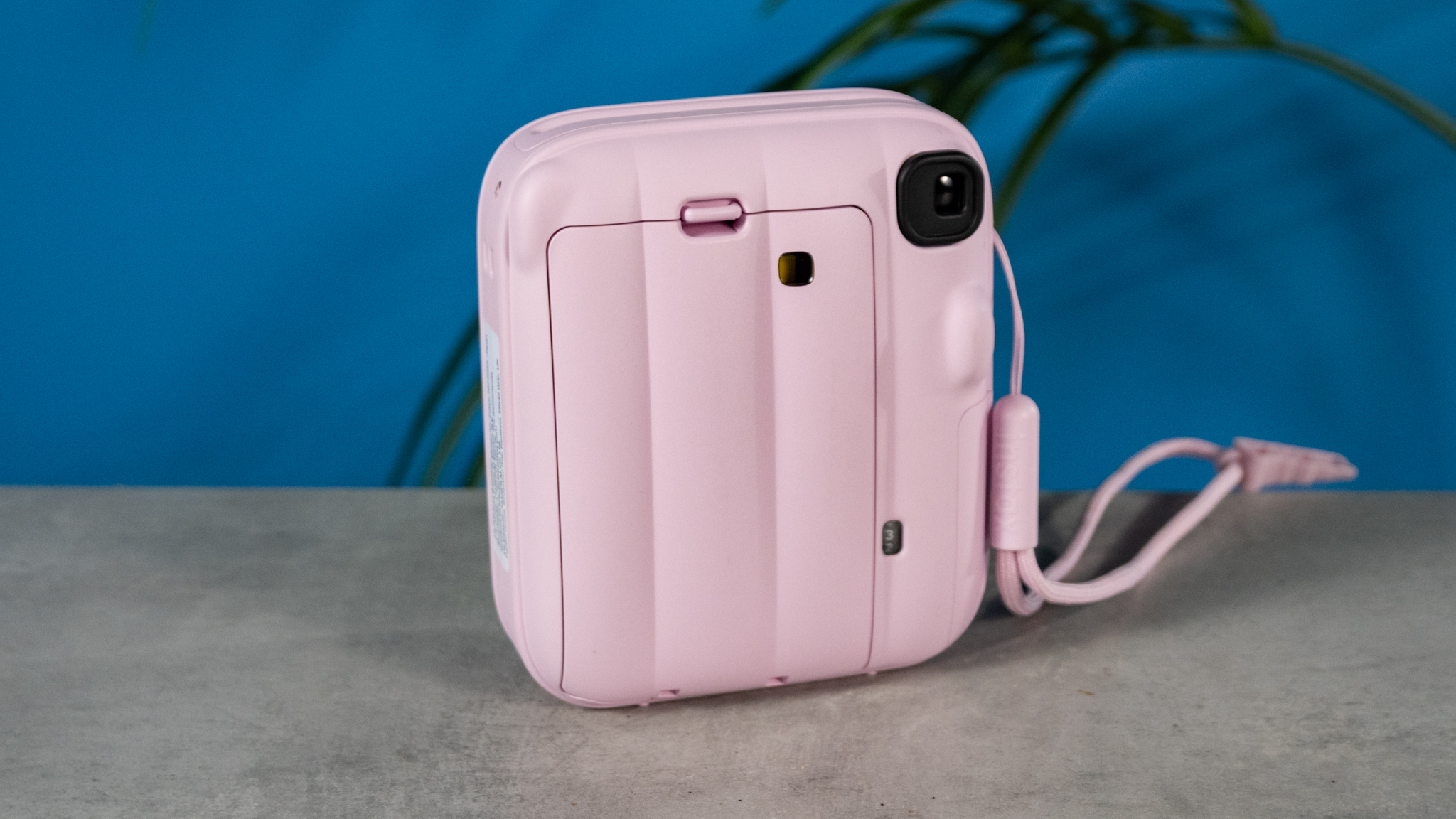
But given that you don’t need to make any adjustments to the Instax mini 13’s settings, you can simply look through the 0.37x viewfinder and shoot. The viewfinder is the same size as the one on the Instax mini 12 so it’s a little small, but I didn’t have any problem looking through it and framing my shots — even as someone who wears prescription glasses.
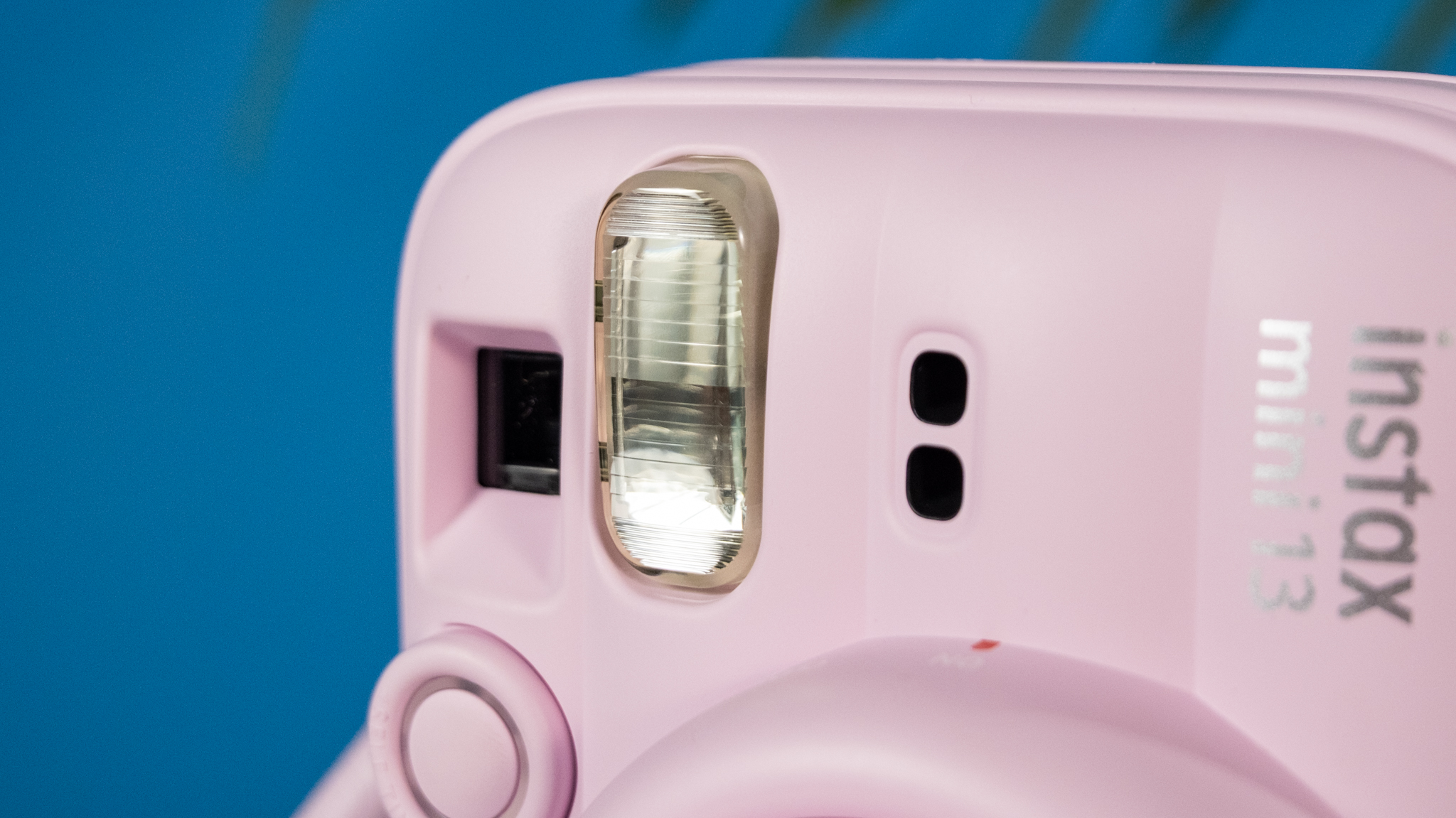
The Instax mini 13 also features a built-in flash, located above the lens barrel. Similar to the one on its predecessor, the flash has a range of 0.3-2.2m and it can aid in low-light environments. But like on the previous gen and the Instax mini 41, the Instax mini 13’s flash can’t be turned off, so it fires every time you press the shutter button.
Fujifilm Instax mini 13 review: Controls
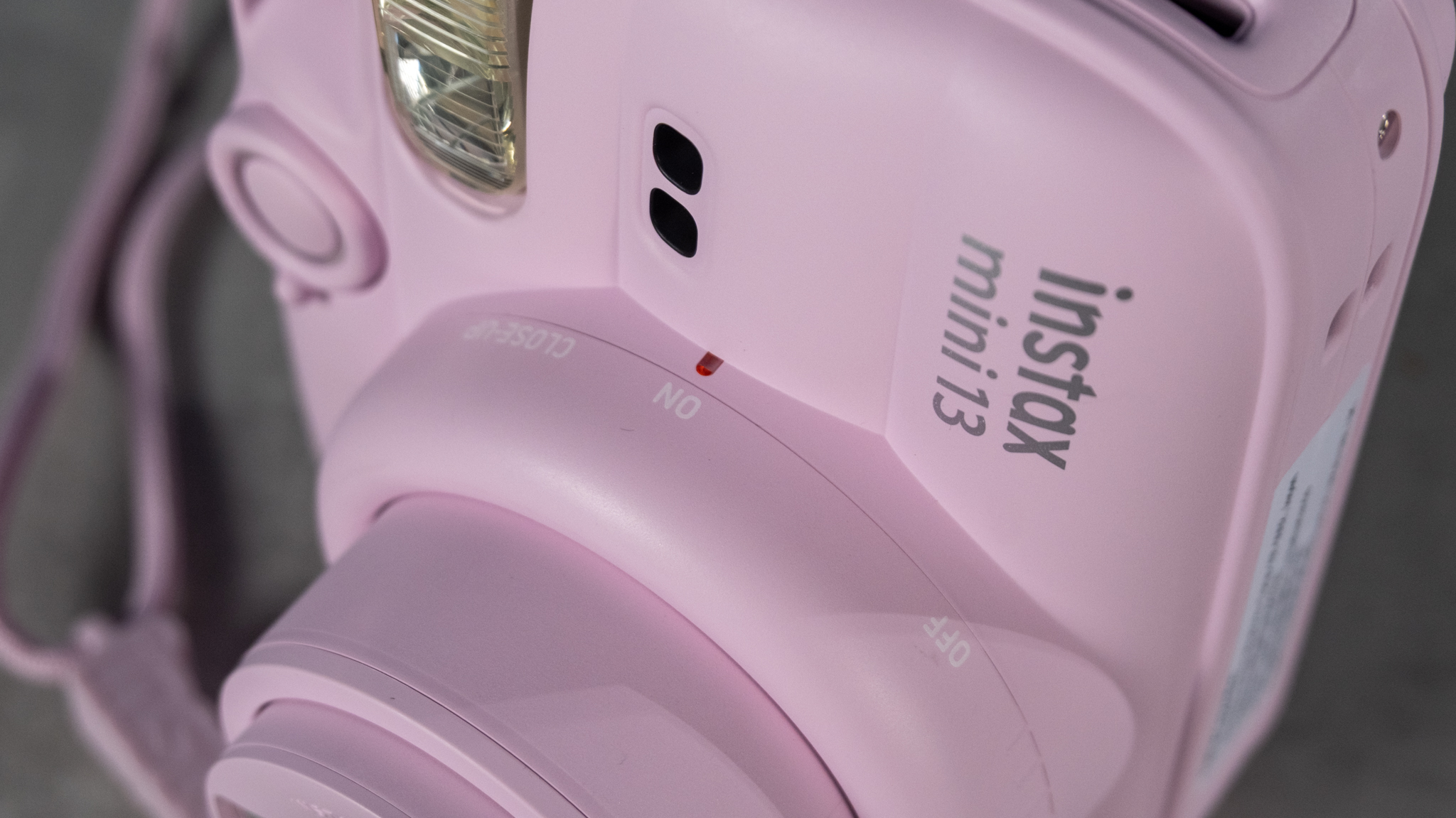
Fujifilm’s lineup of Instax cameras has always felt accessible and easy to use. You don’t need much prior knowledge of photography to use Instax instant cameras — and the same applies to the Instax mini 13. Controls are extremely straightforward. To turn on the camera and switch between Normal and Close-Up mode, you need to twist the ring around the lens, and you’ll know that the camera is ready to use when the orange LED lamp lights up.
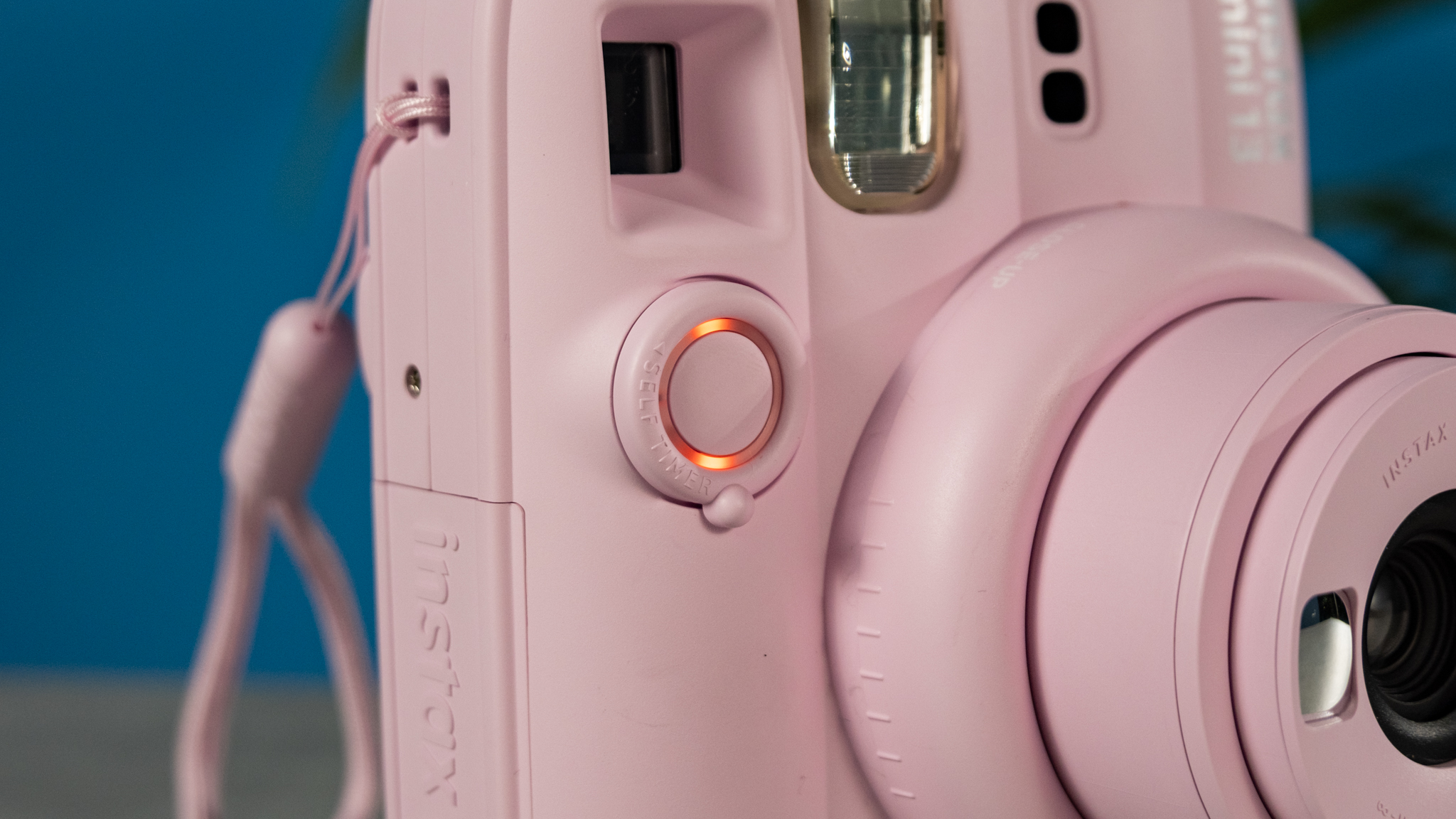
Located next to the lens is the round shutter button which is comfortable to reach with your index or middle finger, and it gives good tactile feedback when pressed. I found it to be highly responsive in my testing, with no noticeable shutter lag. There’s a timer lever fitted around said shutter button, and this lets you set the timer to 2s or 10s. It’s easy to use, and the LED lamp flashes to indicate the countdown.
That’s about it in terms of controls, really. I reckon even a 10-year-old could use the Instax mini 13. It’s that simple.
Fujifilm Instax mini 13 review: Image quality
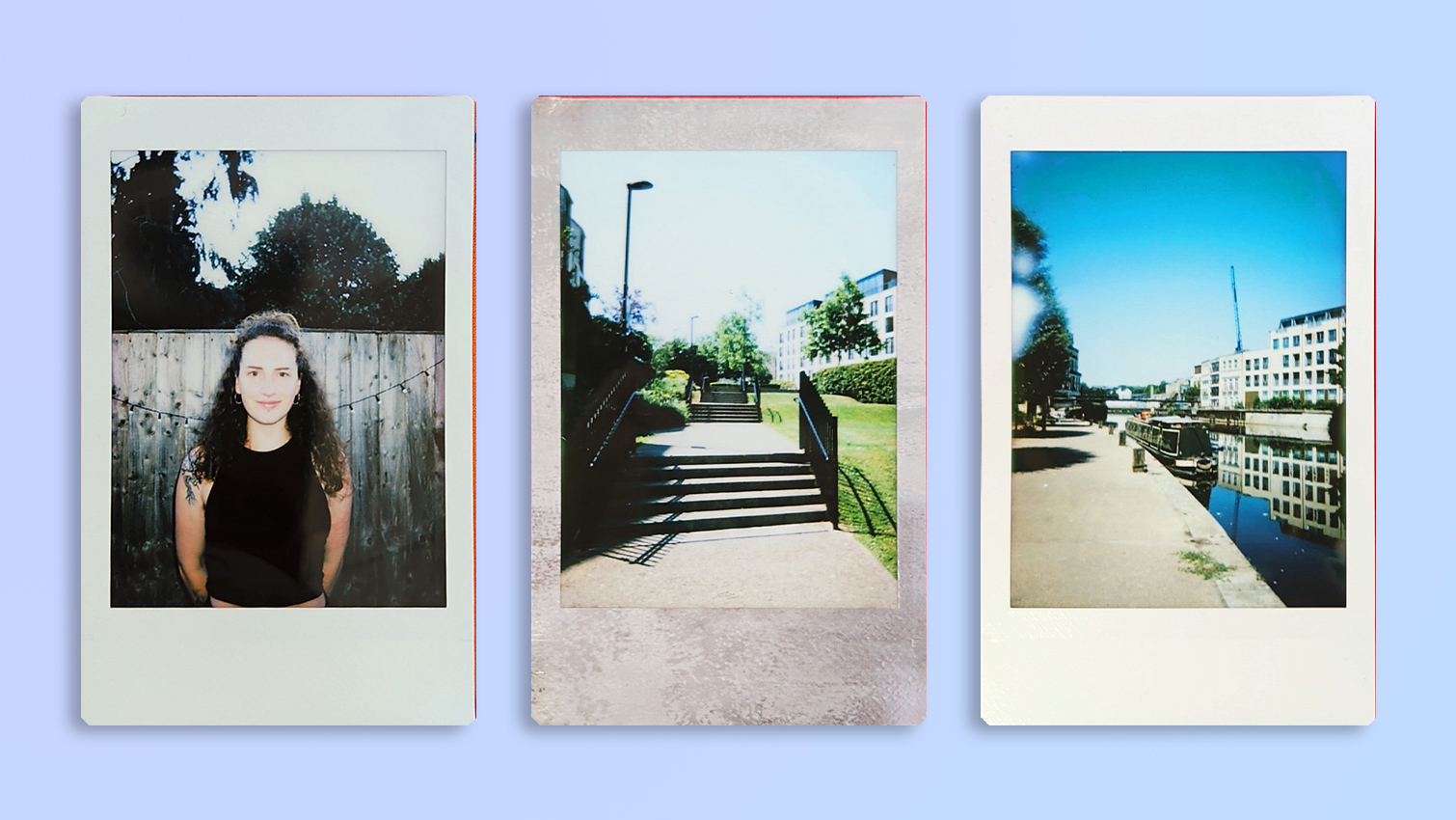
The Fujifilm Instax mini 13 is a great little camera for photographing your friends and family, travels, and everyday life. There aren’t any technical differences between the Instax mini 13 and the Instax mini 12 — so if you already own the latter, there aren’t enough compelling reasons to upgrade.
Most of the photos I captured turned out lovely, with retro aesthetics and colors. The Instax mini 13 has a tendency to overexpose shots taken in bright sunlight, though, just like the Instax mini 12 and Instax mini 41 — but for the most part, it’s just a fun camera.
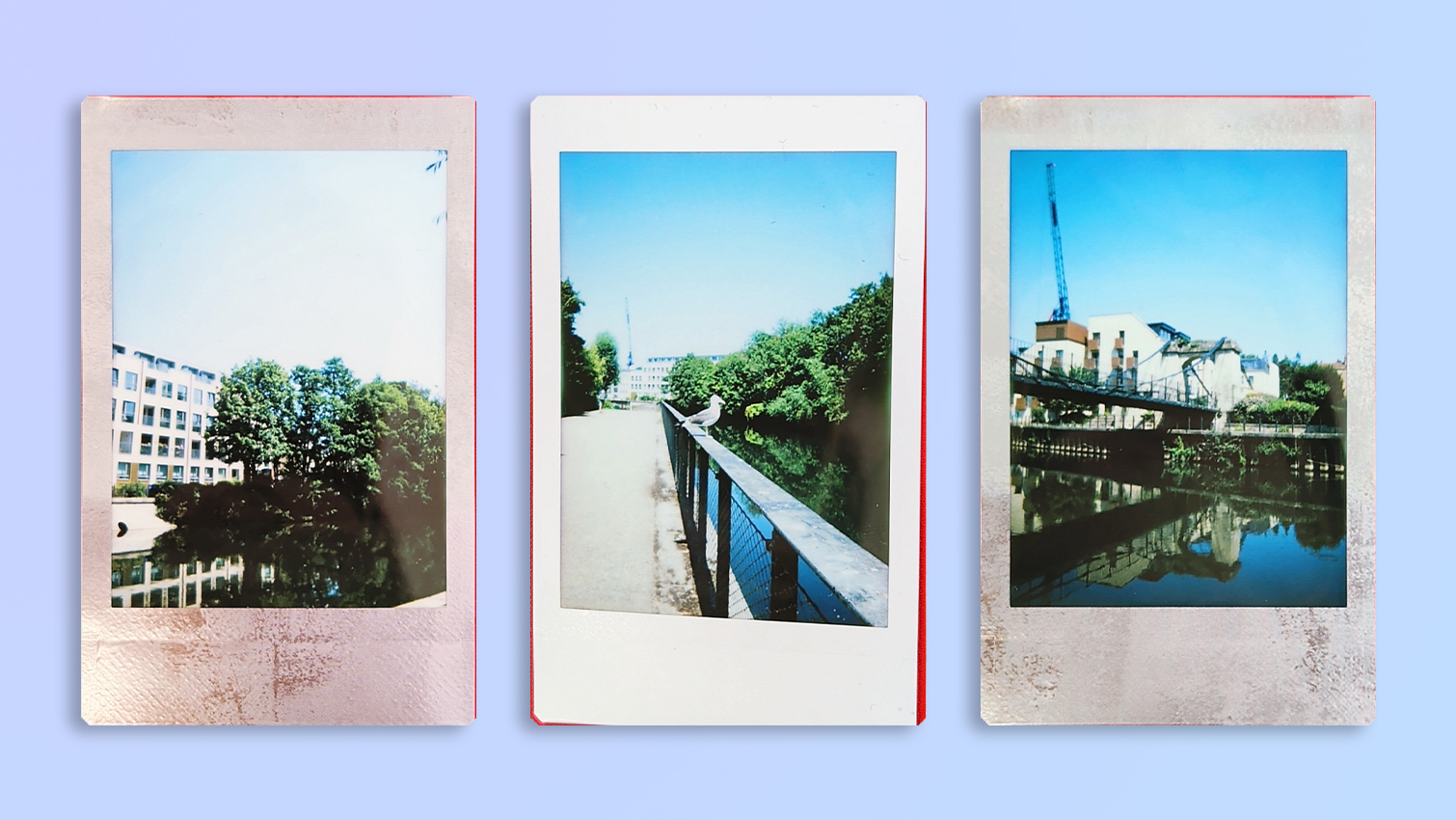
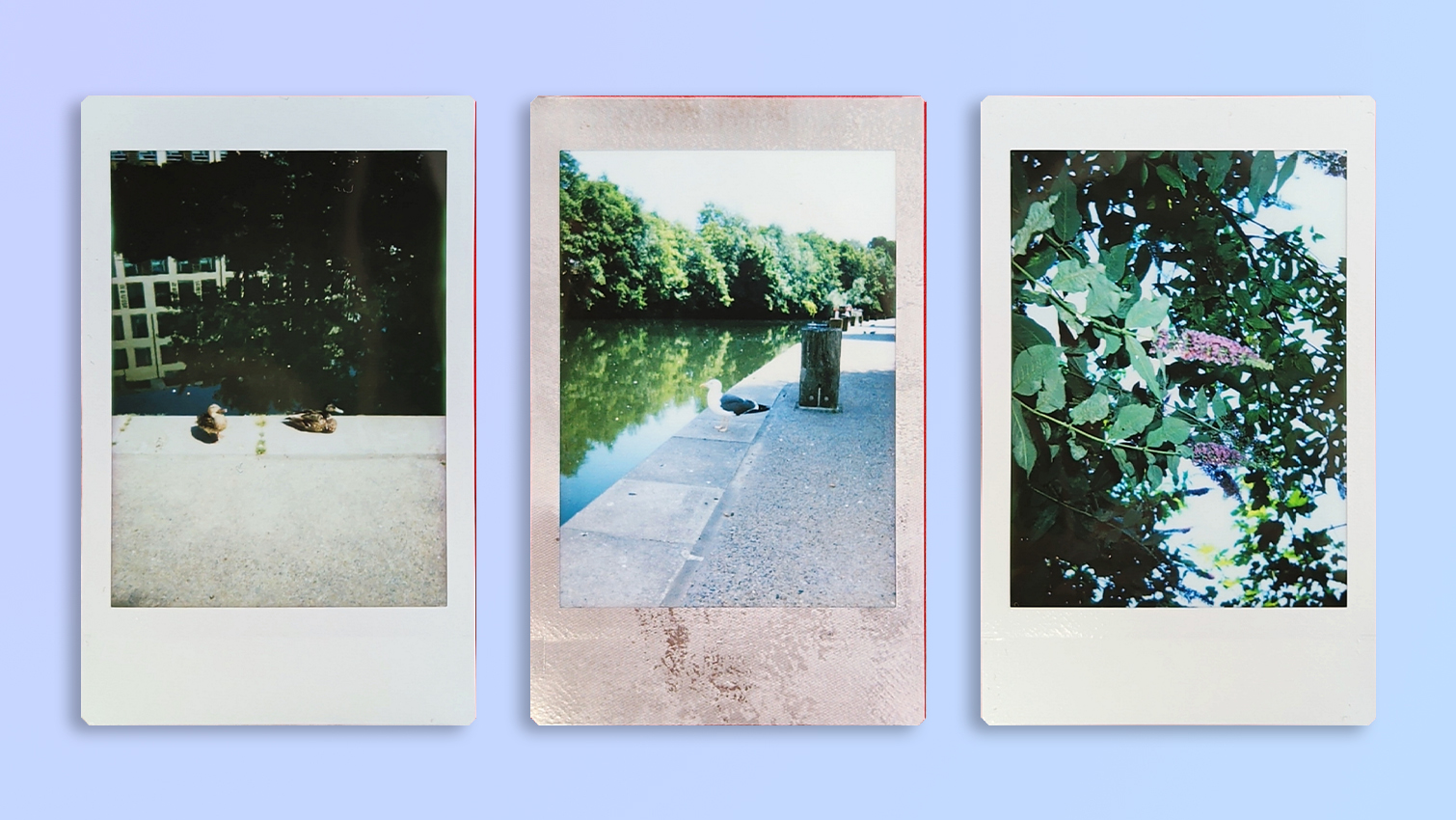
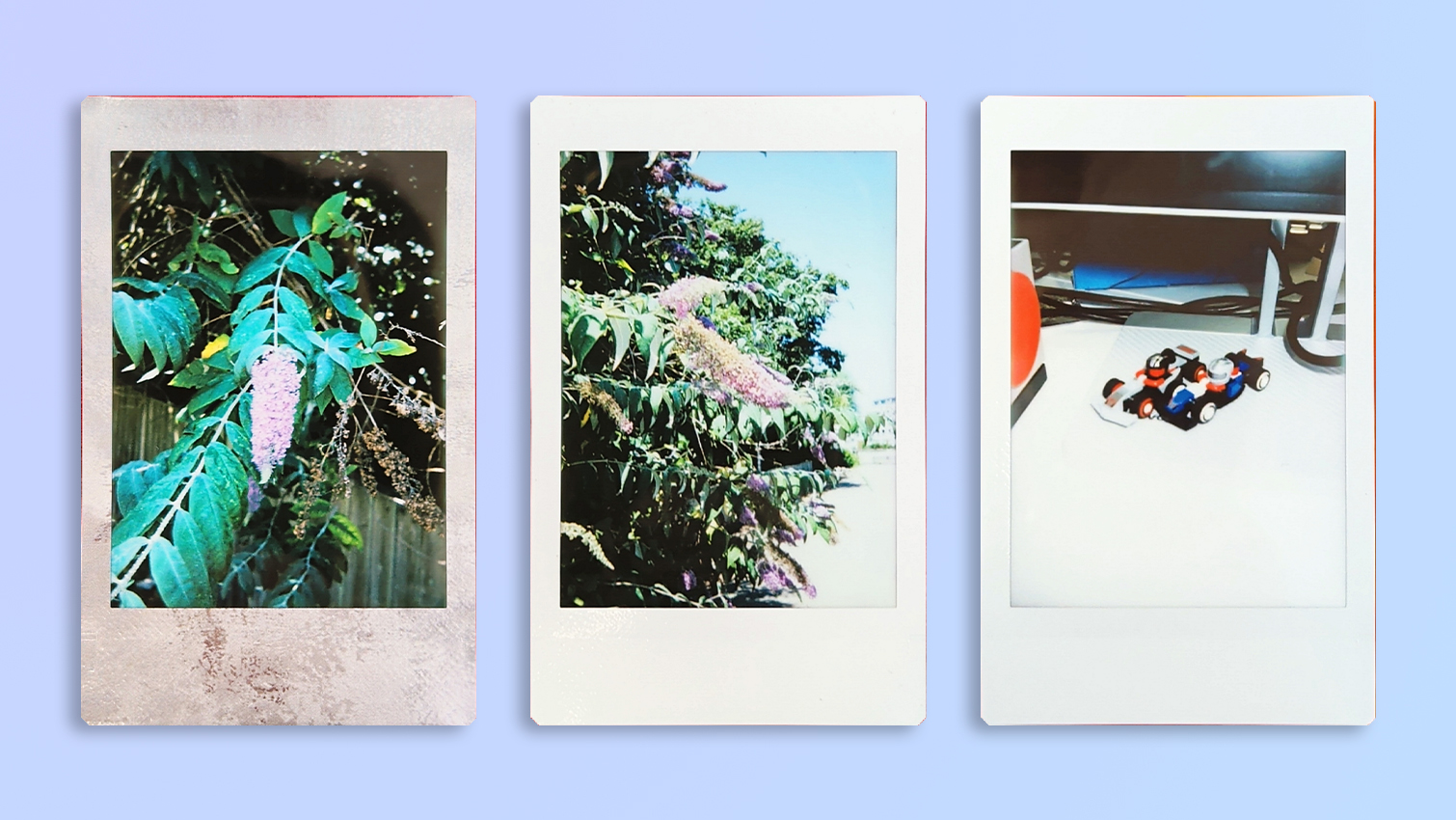
You can see a few sample images in the gallery above. Shades of green look vivid and lush, while blues appear rich. The shadows look inky. I like how the purple flowers pop against the green leaves too.

The selfie mirror works as intended, enabling you to frame yourself and another person, if you wish to capture a group photo. The photo came out exactly the same as it looked in the Instax mini 13’s selfie mirror, so both my partner and I were pleased. In both selfies, our faces are in focus and they appear detailed with well-defined edges. While the exposure is well-balanced in darker lighting, images can come out overexposed with blown highlights in brighter scenes, like in the first selfie above.

Though the Instax mini 13 has a Close-Up mode, taking those shots involves a fair bit of trial and error, as you can see above. I struggled to get the hang of distancing, but with practice, I bet I could do it right. Overall, though, the Instax mini 13 is great, and though the shots may not look very hi-res as they’ve been scanned and blown up, the credit card-sized prints themselves look plenty detailed at typical viewing distances.
Fujifilm Instax mini 13 review: App
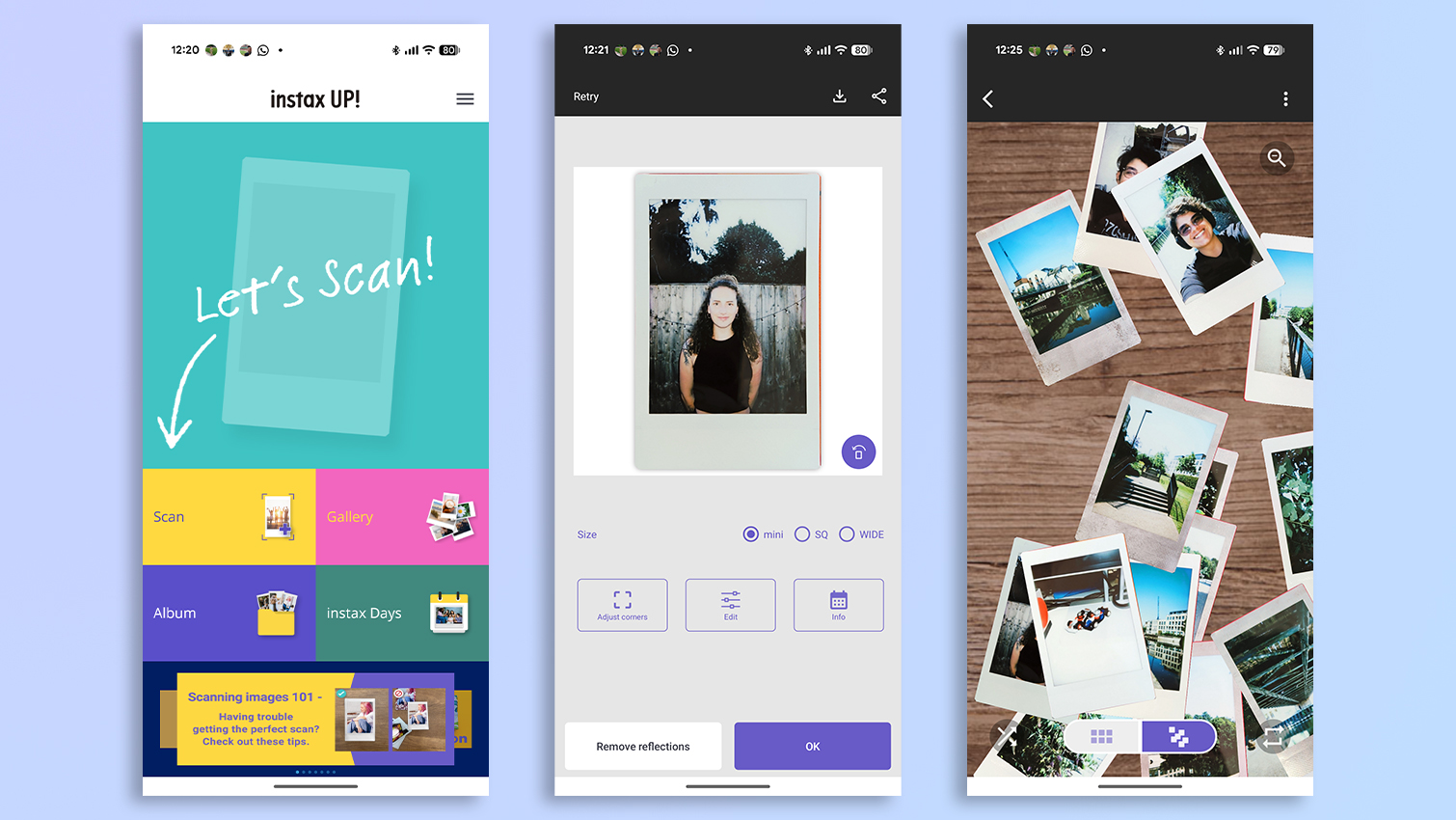
The Fujifilm Instax mini 13 is accompanied by the Instax Up! app, available for free on iOS and Android. The app sports a clean interface and is straightforward to use, and it enables you to scan all your Instax prints, regardless of the size. You can then save them to your phone or create wallpapers out of them, and you can edit the brightness, contrast, saturation, and color temperature. There’s a handy Remove Reflections feature too, which works well.
I don’t own a scanner and if you don’t either, or you don’t want to spend ages scanning your prints, Instax Up! is a fantastic solution. That way, you can quickly share the prints on your social media, too.
Fujifilm Instax mini 13 review: Film cost
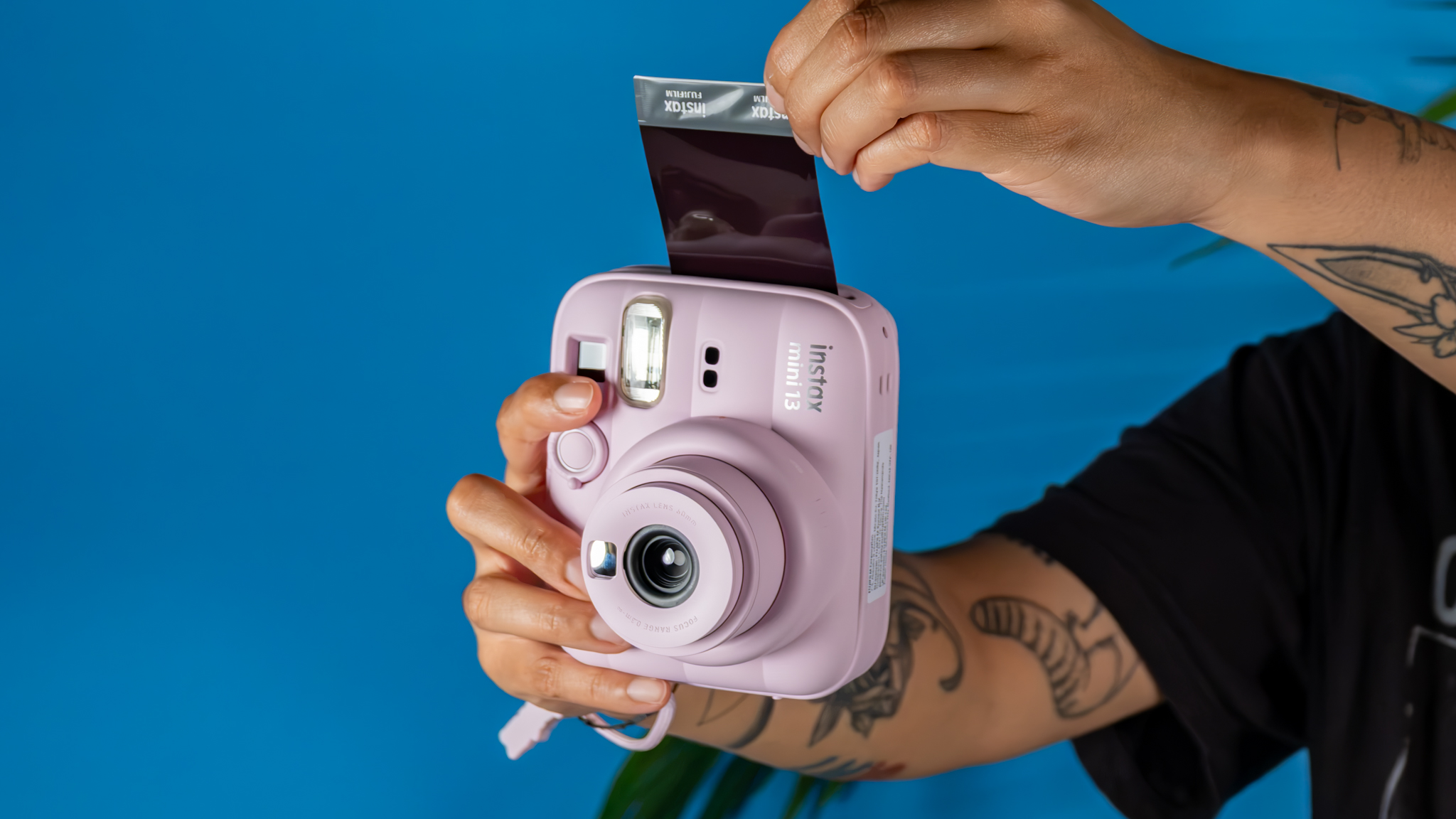
Just like every other camera in Fujifilm’s Instax mini lineup, the Instax mini 13 utilizes Instax mini film which generally costs $16 / £16 per double film pack (20 pieces of film). That equates to approximately 80¢ per picture. Alongside the Instax mini 13, Fujifilm also launched its new Pastel Galaxy mini film, 10 exposures of which cost $18 / £9. It’s a little expensive but it’s ideal for those who want a colorful border.
Instax mini film is a little cheaper than the Polaroid Go Color film used by the Polaroid Go Gen 3. A double pack of 16 exposures costs $21 / £18, making the Instax mini 13 more cost-friendly in the long run.
Fujifilm Instax mini 13 review: Battery life
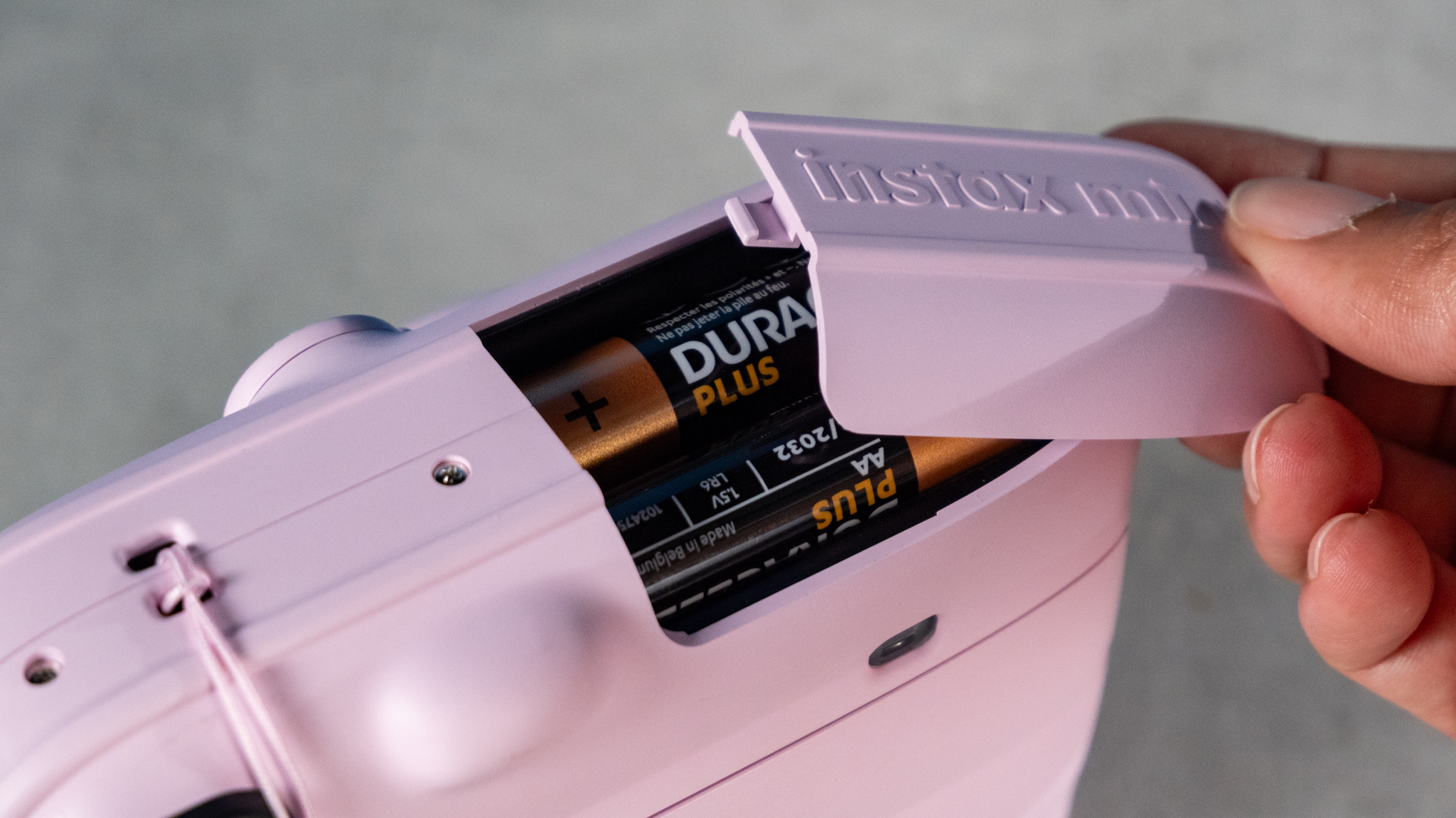
The Fujifilm Instax mini 13 uses two AA batteries, so not much has changed in this department. Disposable batteries aren’t the best for the environment as they can’t always be recycled efficiently, but you can use rechargeable batteries if environmental impact is a concern.
Fujifilm claims that a pair of AA batteries should be able to yield 100 shots, or 10 packs of 10 exposures each — again, similar to the Instax mini 12 and the Instax mini 41. I wasn’t able to test the battery life entirely as that would involve a lot of shooting, printing and wastage of paper, but I got through four packs of prints with ease. If batteries need to be swapped, the LED lamp on the front will blink fast — or the camera simply won’t turn on.
Fujifilm Instax mini 13 review: Verdict

If it ain’t broke, don’t fix it, but you can certainly make improvements to it. I believe that’s the mantra Fujifilm followed when designing the Instax mini 13. Not necessarily a big upgrade over the Instax mini 12, the Instax mini 13 introduces a better self-timer mechanism and features a more rounded body for better handling. Oh, and it comes in fun, cute colors too.
Image and print quality don’t give you much to complain about. Most photos turn out great (except the ones that are a little overexposed in super bright conditions) with retro, instant camera-esque color reproduction. Handling is sublime, and thanks to automatic settings adjustments, it’s the easiest instant camera to use.
If you already own its predecessor, I wouldn’t outright recommend upgrading. But if you’re picking up an instant camera for the first time, the Instax mini 13 warrants a recommendation. It makes instant photography easy and, above all, just so fun.
This is a preview from the original publisher. Continue reading at the source:
Read Full Article on tomsguide.com →