

An electric drone just set a new world air speed record - 434 mph device could be ideal for anti-aircraft interceptor action
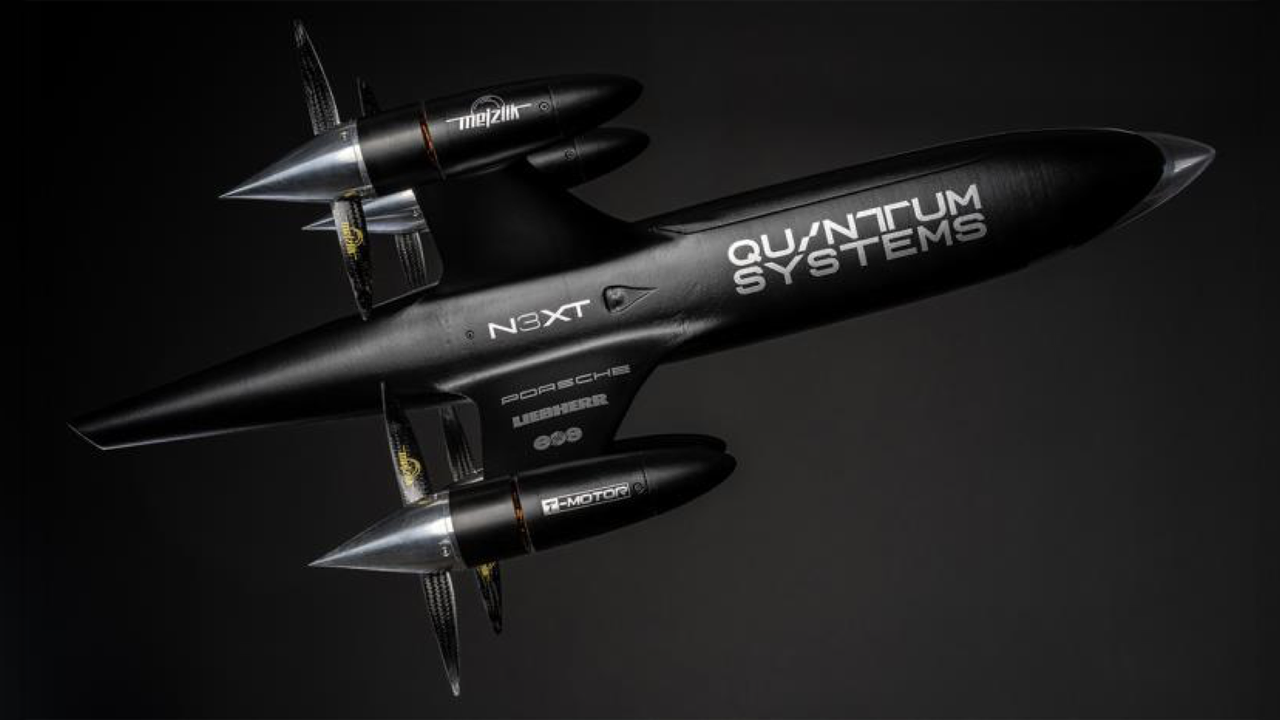
- Apex Recordhunter drone unofficially set a new air speed record of 434 mph
- High-speed demonstrator will help develop next-gen military drones
- Company targets further records with interceptor drones soon
Germany’s Quantum Systems Group has broken the world airspeed record for an electric drone, hitting speeds of 699km/h (434mph) during internal testing on June 26, 2026.
Though the company is yet to carry out a formal, independently verified attempt at setting a record under the official measurement rules to be recognized by both Guinness World Records and Fédération Aéronautique Internationale (FAI), the speed far exceeds that of the current record holder – 657.59km/h (409mph).
The latest, unverified record was set in straight and level flight, and would represent a 6.3% increase over the current record. Official testing is expected within the coming weeks, the company said in a press release.
Record-breaker is merely a technology demonstrator
Quantum Systems explained that the Apex Recordhunter drone was developed over the past year, but “serves as a technology demonstrator for next-generation high-speed systems” rather than being a commercially viable product. “Several innovations from the project are expected to support future interceptor drone programs,” the company added.
It is a battery-electric, fixed-wing aircraft developed by the firm’s N3XT advanced development team, benefiting from Porsche-subsidiary-supplied V4Smart battery cells.
Of course, the drone and its successors would not target consumer photographer and hobby markets, instead focusing on high-speed interceptors for modern warfare. Quantum Systems says lessons learned from Apex will directly influence future interceptor platforms for real-world defense scenarios.
“Super proud of the Quantum Systems team, showing our engineering ambition across our Group and reinforcing our commitment to developing world leading technologies,” co-CEO Florian Seibel wrote.
Engineers from Quantum’s Ukrainian WIY Drones division also contributed to the program – a noteworthy inclusion because Russia has increasingly deployed high-speed, jet-powered one-way attack drones. Deploying high-speed drones like the one Quantum Systems has developed could be much cheaper and more accessible than sending off expensive air-defense missiles.
Records continue to be broken as rapid development continues
By mid-July, the company also hopes to have set two other records. The first – the highest speed achieved by an FPV interceptor drone carrying a 500g payload – by its STRILA Interceptor. Second, its SPYS drone, gunning for the highest speed achieved by an anti-aircraft class FPV interceptor drone.
These achievements and potential records reflect an ongoing global race to develop faster military drones, but they also underscore the growing relevance of airborne, remote and autonomous weapons in modern warfare.
That said, other electric drones have technically achieved even higher speeds. Tom’s Hardware recently reported of a New Zealand duo who recorded high speeds of 730km/h (453mph) – that Blackbird drone uses sawtooth carbon fiber prop blades.
Despite lacking official recognition, the duo had previously set a record of 626km/h (388mph) in December 2025 with a separate drone, before quickly being overtaken by another record-holder which achieved a higher 659km/h (408mph). Regardless, an 11.7% increase from December’s first record to today’s unofficial record confirms there’s plenty of scope to continue pushing the boundary.

This is a preview from the original publisher. Continue reading at the source:
Read Full Article on techradar.com →