Own an LG monitor and tired of seeing that McAfee pop-up? Microsoft has banished it from Windows 11 — but wider issues need to be addressed here
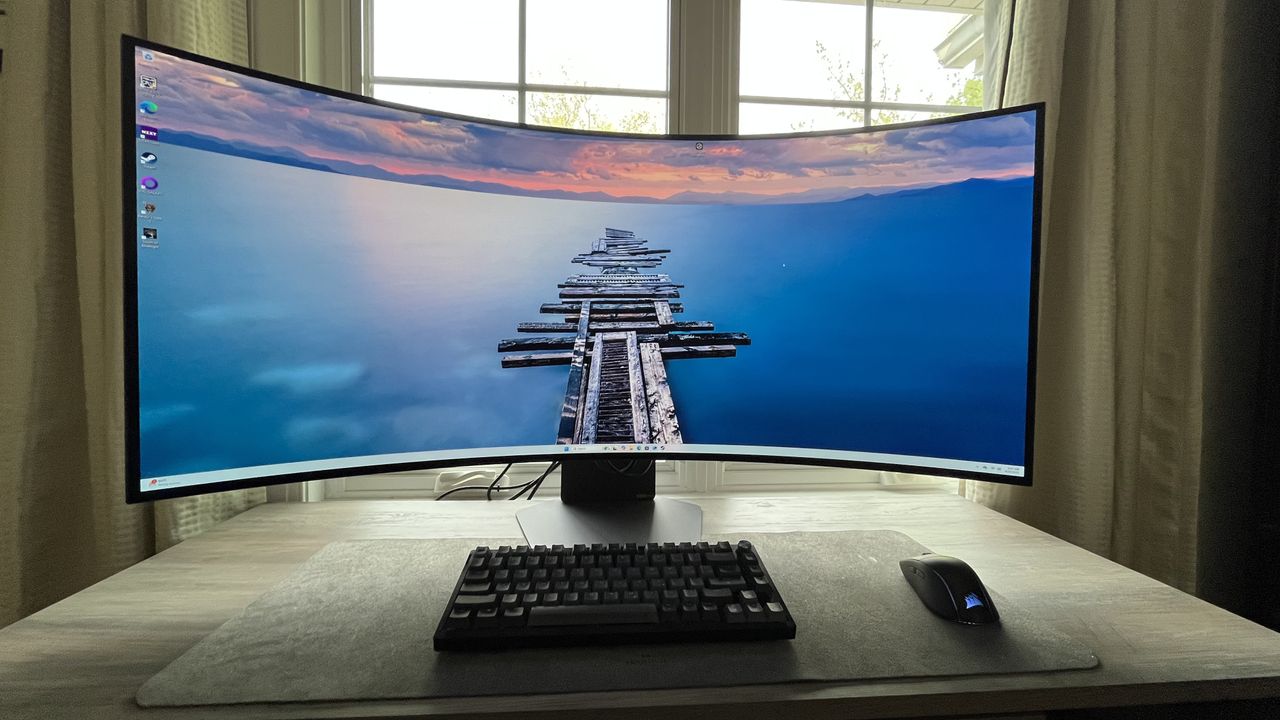
- Microsoft has contacted LG regarding a McAfee pop-up served via the monitor maker's app (which in turn is installed by Windows Update)
- As an 'immediate next step' LG has disabled this pop-up
- However, there are still issues to address around the automatic installation of the LG monitor app, and the way Windows Update itself operates with third-party software
Microsoft has fixed a controversial situation whereby Windows 11 users with LG monitors were being hit by a pop-up for McAfee antivirus, and that advert has now been banished from the OS — but there's still more that Microsoft needs to do here.
Windows Latest noticed that Pavan Davuluri, who is head of Windows at Microsoft, flagged up what's happened on X.
In response to a nudge from Epic's Tim Sweeney on the matter, Davuluri said: "We've connected with the team at LG and as an immediate next step, they have agreed to disable the McAfee pop-up from their app. We appreciate LG working with us toward a shared goal of a better experience for our mutual customers. We will keep improving here with our ecosystem partners."
In case you missed this story from earlier in the week, Windows 11 users with an LG display are reportedly getting an LG monitor app (from the Microsoft Store) automatically installed on their PCs via Windows Update simply after hooking up the monitor.
The real kicker was that following this, the mentioned McAfee pop-up (pushing a trial for the antivirus) was repeatedly bothering those users, with the ad delivered via the LG monitor app. So, what Microsoft is telling us here is that as an immediate first step, that McAfee pop-up is no longer part of LG's Windows app, and won't be darkening the desktops of any LG monitor owners any longer.
The (pop-up-less) monitor app is presumably still being piped through by Windows Update, though, and hopefully the next step for Microsoft will be to address this.
Analysis: software giants in glass houses?
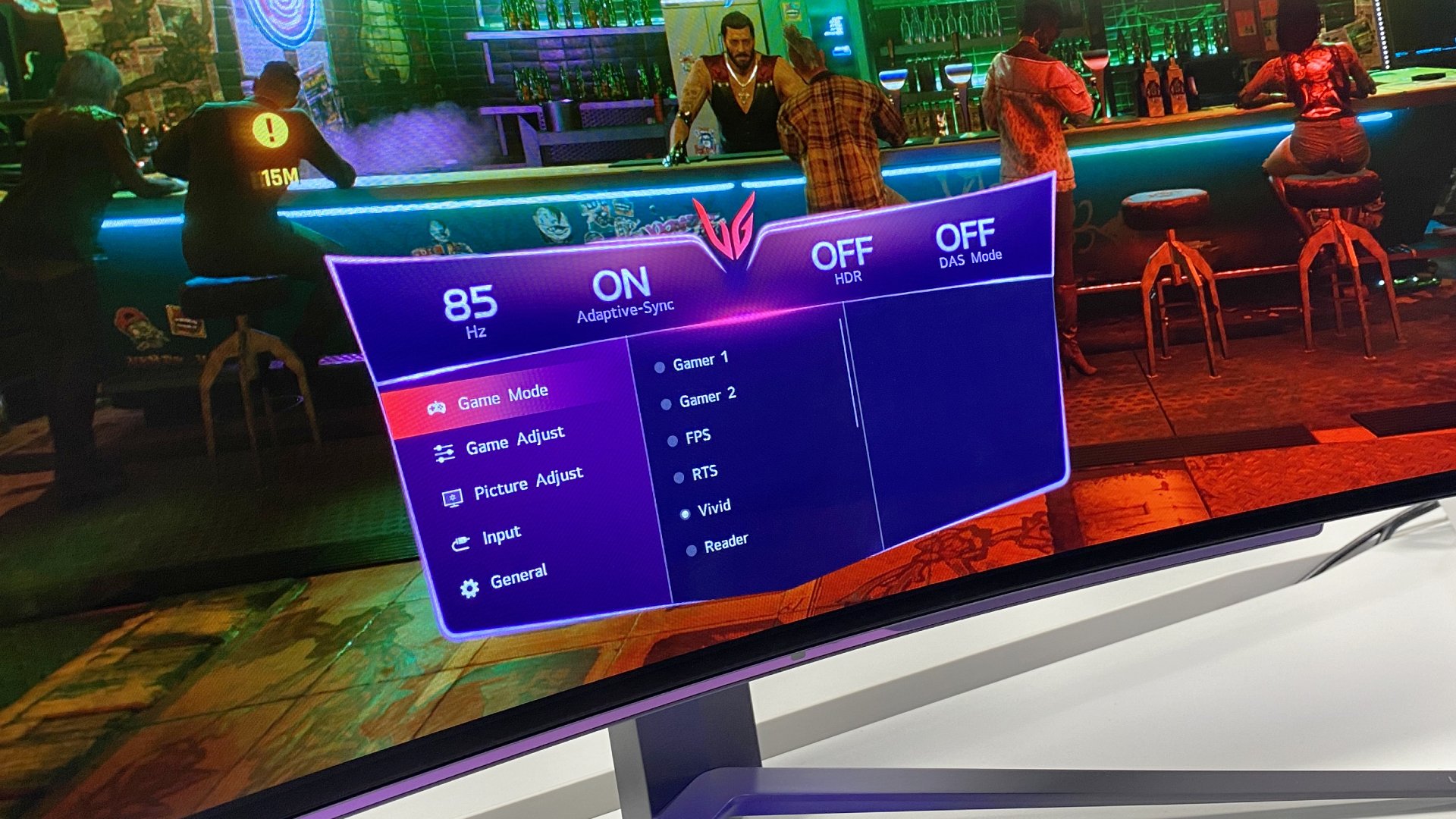
Windows Update really shouldn't be installing any third-party software without the user's permission, that much is clear (or first-party for that matter). It's fine to flag available updates, wherever they come from or whatever hardware they may be for, but highlighting them is one thing, and going ahead with an auto-installation is another.
Okay, so LG has agreed to disable this pop-up, and it's good that this has happened swiftly, as it was, of course, a huge annoyance. Indeed, it's very worrying that this could happen at all, really (and in case you missed it, LG's TVs have also come under fire this week).
LG had already addressed this controversy with a rather lengthy statement that read: "LG Electronics reiterates that McAfee is not installed automatically and is never installed without the user's explicit consent. The LG Monitor App Installer is distributed through Microsoft's official Windows distribution process, which included McAfee as an option.
"McAfee will be installed only if a user actively chooses to proceed with the installation and provides consent. Under no circumstances is McAfee installed automatically or without user authorization. The LG Monitor App Installer does not access, collect, or transmit any customer personal data."
What this appears to be saying is that McAfee's actual antivirus app isn't installed without consent. It's not denying that the McAfee pop-up appeared without consent, or that the LG Monitor app is installed in the background in Windows without the user's knowledge. It only notes that the LG Monitor app is "distributed through Microsoft's official Windows distribution process", as if that makes everything okay, or somehow not LG's fault.
It is, of course, Microsoft's fault as well – both parties need to take responsibility, and fix not just the McAfee pop-up appearing, but the LG Monitor app being automatically installed simply when a monitor is connected to a Windows 11 PC. (Which is reportedly the case, I should add – I haven't experienced this myself, as I don't have an LG display, but a whole heap of feedback is present suggesting it's exactly what happens).
In short, the immediate disabling of the McAfee trial pop-up is a start, but we need a swift follow-up addressing the LG app itself and how that's dealt with in Windows 11. And more broadly, how third-party apps in general interact with Windows Update, because as already noted, this situation should never have been allowed to happen in the first place (no matter what LG, or any other hardware partner, is doing with their apps).
Furthermore, there's no shortage of people on Reddit noting that Microsoft has been keen enough to act here, but not so keen on curbing its own advertising-related excesses in Windows 11.
As one Redditor says of Microsoft: "Now all they need to do is crack down on their own bloatware…"
Although to be fair to Microsoft, it is acting to rein in some of the upselling and promotional noise that Windows 11 has come to be associated with. More work needs to be done on this front, though, for sure.
This is a preview from the original publisher. Continue reading at the source:
Read Full Article on techradar.com →