

Netflix users are ghosting shows after season 1 — and I'm part of the problem. Here's why I'm one of the statistics
Netflix has a serious retention problem. According to internal data surfaced by Bloomberg, Netflix subscribers are abandoning shows after just one season at an alarming rate. Why? Because in an age of short attention spans, the multi-year wait between seasons is a total momentum-killer.
The numbers from the first four weeks of release tell a brutal story:
- "One Piece": Shed more than 30% of its audience between seasons 1 and 2.
- "The Night Agent": Lost 50% of its viewers.
- "Beef": A colossal 70% of the audience vanished.
These figures should deeply concern Netflix. Long waits for new seasons, coupled with the short attention spans of modern audiences, are proving to be a disaster for the streamer.
The 2-year wait vs. the TikTok effect
Modern audiences have less patience to wait years for new seasons to drop. It’s entirely understandable when you look at the competition. TikTok, Reels, YouTube channels and podcasts have become the dominant forces in entertainment by providing a constant stream of fresh content on a daily or weekly basis.
Then there's Netflix, asking those same viewers to wait years for a sequel. Many simply aren’t willing to do that, choosing instead to move on to the next big thing.

The bad news for Netflix is that there’s no easy fix for big-budget shows. In the age of the endless scroll, these massive productions simply take too long to make. Only top-tier juggernauts like "Bridgerton" retain enough repeat viewers to appease the streamer. The rest — including shows heralded as the next big "cultural phenomenon" — risk being cancelled due to diminishing returns. Netflix puts a massive amount of stock in how quickly viewers latch onto a show and binge every episode; if that immediate enthusiasm fades, the show dies.
Is AI the answer for Netflix's problem?
Something surely has to give. The most obvious fix to retaining viewers across multiple seasons would be getting compelling stories in front of people much faster. However, that speed would come at a cost.
First, quality would surely suffer. To speed up the timeline, every element of production — from the scripts to the set design — could face a downgrade. The upshot? Poor reviews from audiences who have come to expect high-end production value from big-name shows.
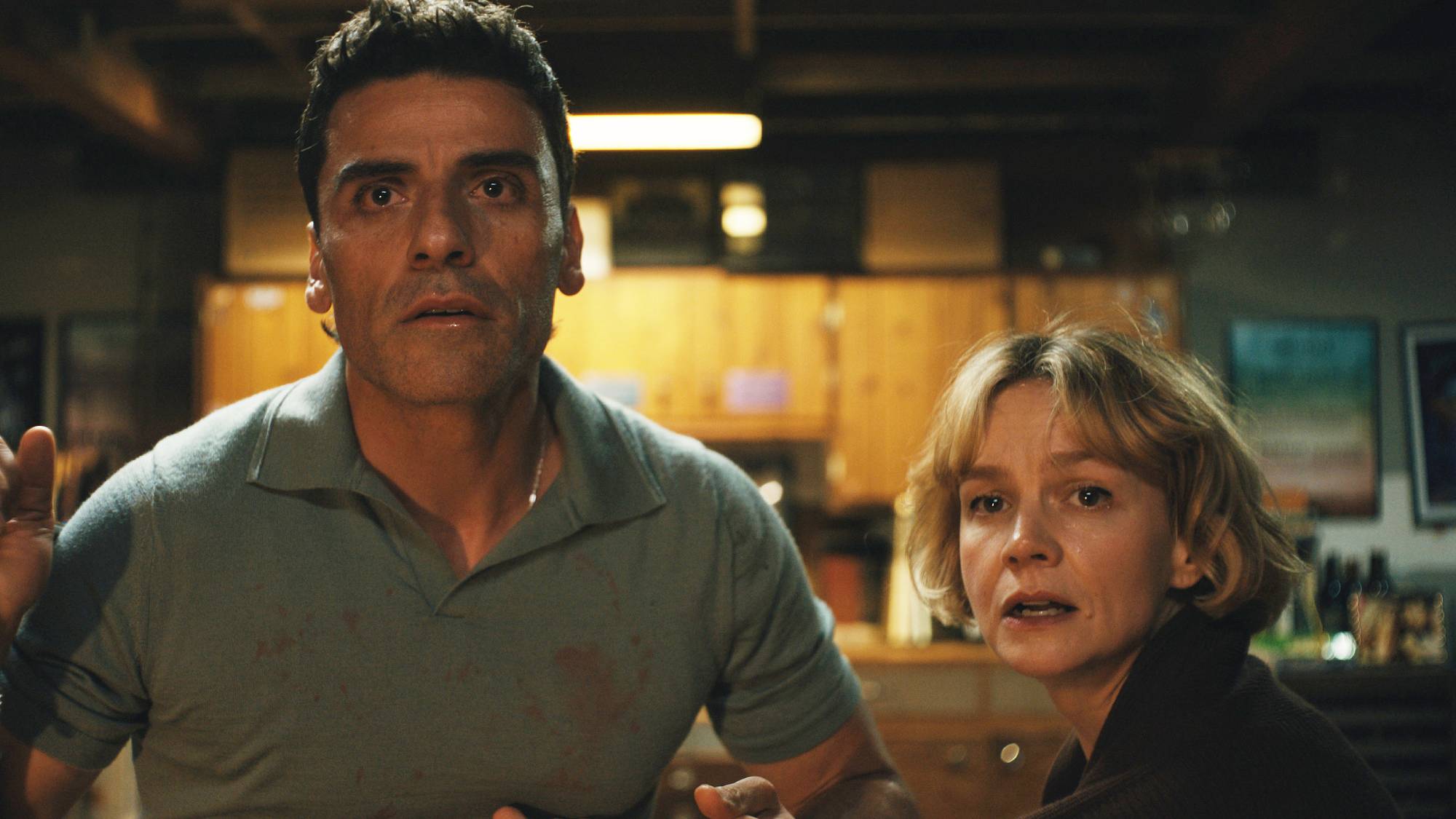
Quantity would also take a hit. Netflix would need to reduce the number of shows it produces to stop its resources from being spread too thinly. Personally, I would be OK with this; Netflix throws far too many shows at the wall just to see what sticks. But subscribers who love the platform's current variety might be put off by a sparser catalog.
Alternatively, Netflix could lean heavier on generative AI to bridge the multi-year gap. The streamer is already using artificial intelligence to cut visual effects costs, famously using AI prompts to render a collapsing building in "The Eternaut." Despite the inevitable backlash, it is a proven way to slash both production costs and turnaround time.
Ultimately, Netflix faces a dilemma of its own making. Does it keep producing a high volume of premium original programming and force viewers to wait? Or does it shrink its catalog and take production shortcuts to keep audiences hooked past season 1?
More from Tom's Guide
This is a preview from the original publisher. Continue reading at the source:
Read Full Article on tomsguide.com →