

I swapped my usual ab routine for these 3 dumbbell exercises for a week — here's what happened
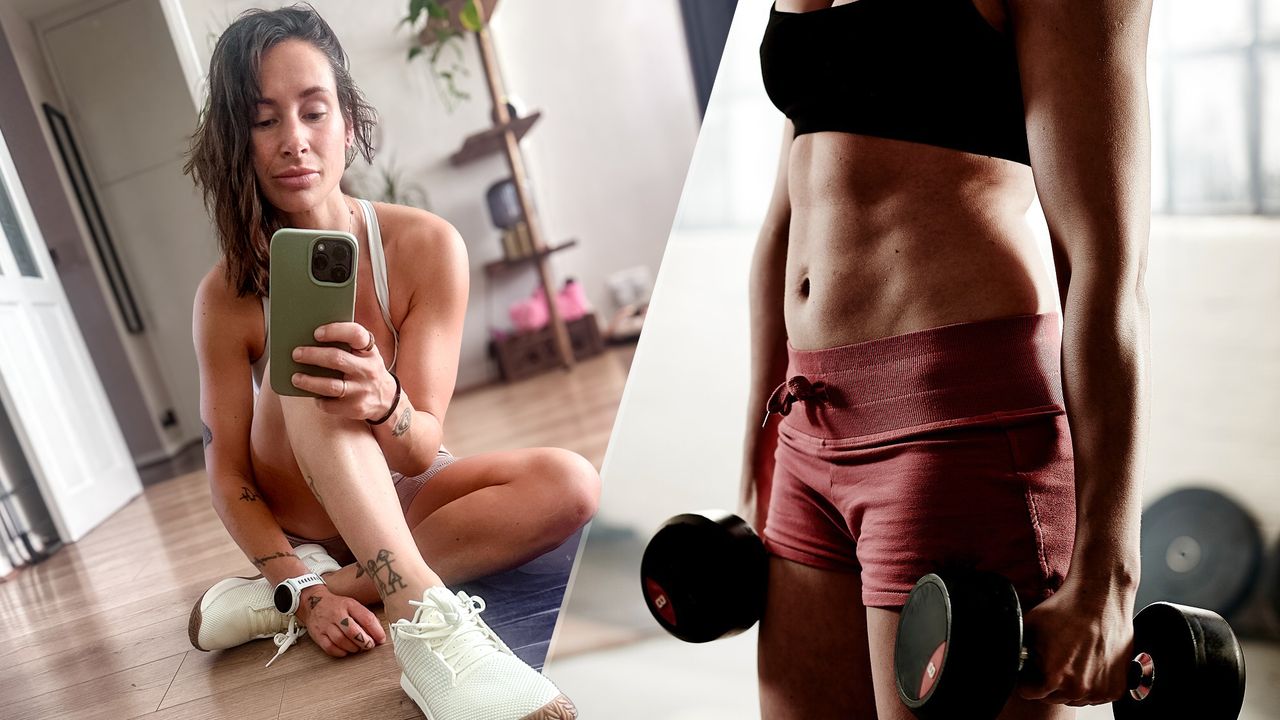
None of us enjoy repeating the same old routine on rinse-and-repeat, do we? Yes, you need consistency to achieve goals like building strength, growing muscle, losing fat, or getting faster at running, but some variety is also key. That could mean variations of exercises you love or adding in new moves to your program.
I've been getting bored with my program recently, so I decided to roll out one of the best yoga mats and add three new dumbbell abs exercises to my routine. Here's what happened when I swapped moves like sit-ups, bear planks and lateral shoot-throughs for something a little spicier.
If you plan to try the routine below, I recommend seeking advice from your trainer or physician first if you are working with an injury or illness, or you're pre- or postnatal.
Watch: Dumbbell abs routine
Here's the routine structure for you to follow from the gym or at home:
- 50s on/ 10s off: 2 rounds
- 45s on/ 15s off: 2 rounds
- 40s on/ 20s off: 2 rounds
I'd opt for a medium-heavy weight so that the last few reps of every exercise feel like a real push. If you're cruising through rather than achieving around 4-8 solid reps per side per move during your shorter working sets, I would recommend adding load. While they're not the most comfortable, if you don't have a few sets of weights to work with, I'd consider a set of the best adjustable dumbbells.
Here are the moves step-by-step:
- Marching dumbbell pass-under: Stand with your feet hip-width apart and hold a dumbbell in your right hand. Brace your core, drawing your navel in while standing tall and tucking your pelvis slightly under. Lift your left knee as if marching, then pass the dumbbell under your raised leg to the opposite hand and return to standing. Raise your right knee, then pass the dumbbell under your leg again from left to right. Continue for as many reps as you can.
- Modified dumbbell windmill: Start half-kneeling with your left leg forward and your right knee resting on the mat. Sit tall through your spine and engage your core. Hold a dumbbell in your left hand and press it overhead so that your weight is directly over your shoulder. Look up at the dumbbell, then slowly hinge forward at your hips and lower your right forearm to the ground, keeping the weight punched overhead. Pause, then drive upward. Remember to switch sides after a few reps to work both sides evenly.
- Inchworms with dumbbell plank pass-through: Place a dumbbell to the front left of your mat. Stand with your feet hip-width apart. Slowly roll down your spine and walk your hands forward into a high plank, zipping your stomach in and pressing away with your hands. Grip the dumbbell in your right hand, then drag the weight over to the right, just behind your wrist. Repeat to the left, then walk yourself to the back of your mat and slowly roll up to stand. Repeat for max reps.
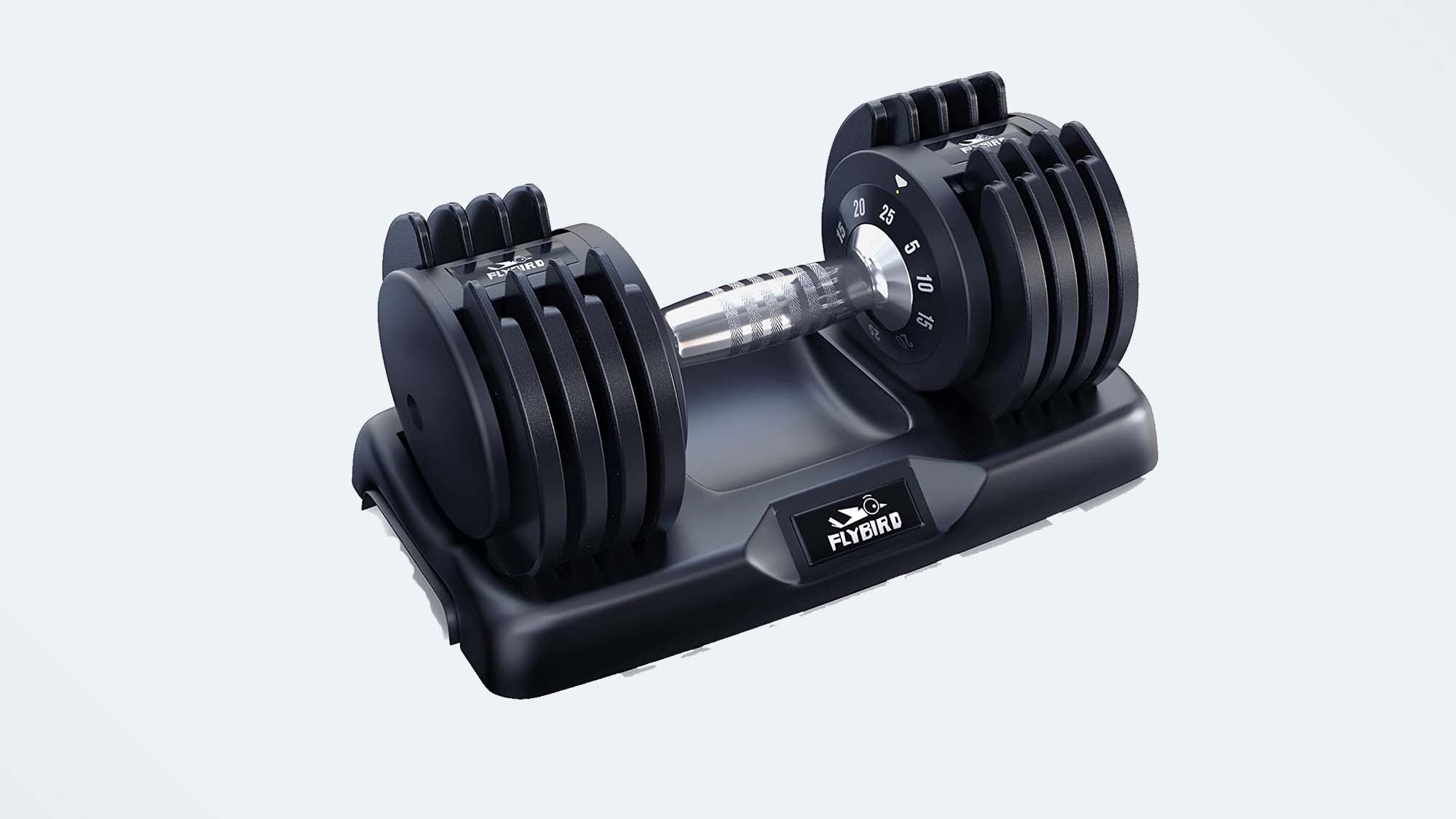
These popular Flybird dumbbells give you up to 58lbs of weight per dumbbell and five options to tailer the amount of weight to your skill level. View Deal
Tips for this routine
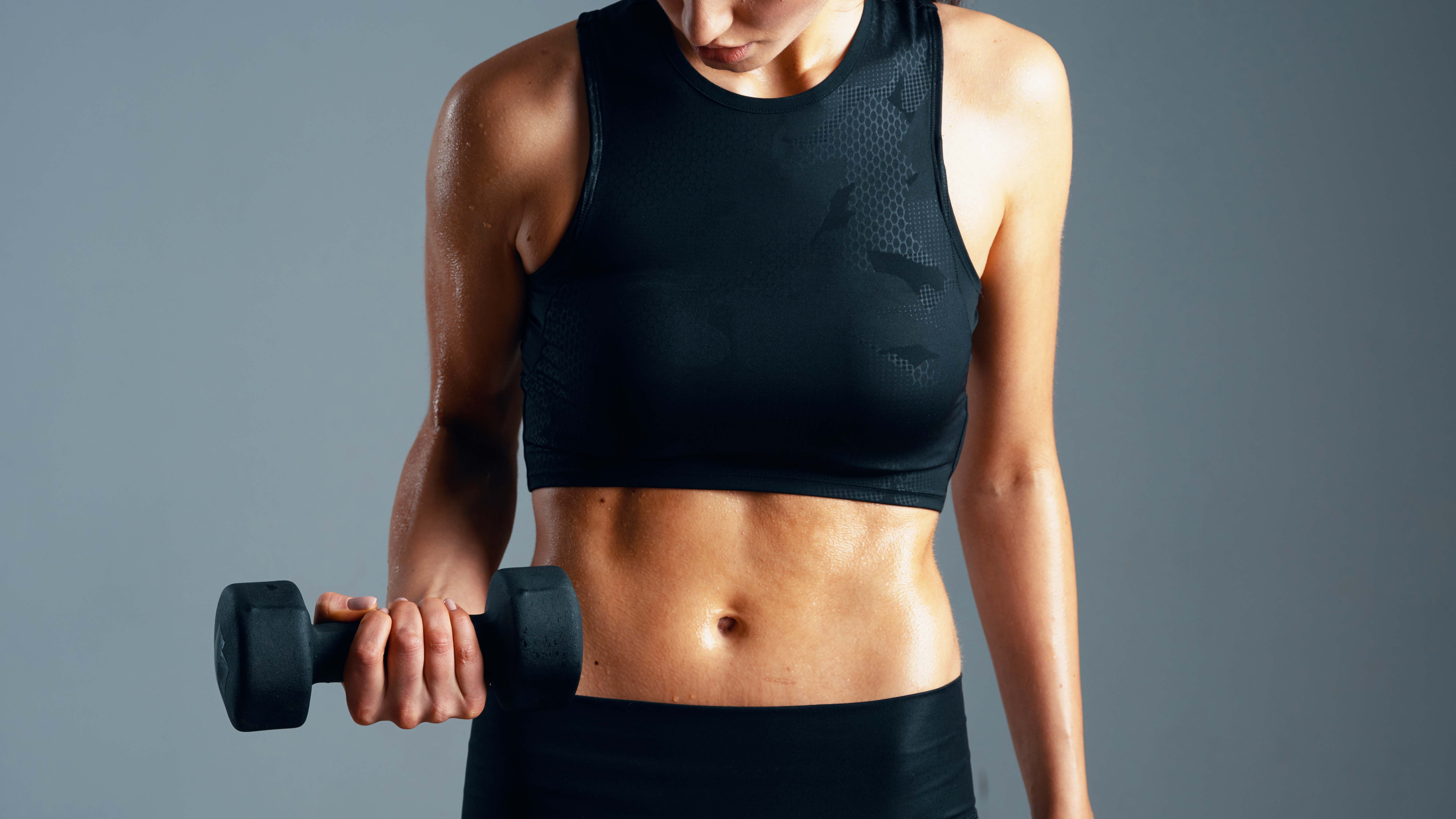
At all times move with full control over the weights; if your weights control you, it means your form could be harmed, so focus on lots of core engagement and smooth reps rather than hitting more reps. As always, quality over quantity.
Don't be afraid to go heavy with some of these moves, as you can always scale back if you need to. I would use the first round to count reps per side for each move (remember, the timings change!), then try to hit the same number on the second round. Aim to complete a few more reps on those longer rounds.
This workout hits your deep stabilizing core muscles that act as your body's natural corset to protect your spine and pelvis, but also the abs and obliques and other muscle groups like your hips, quads, shoulders and arms.
If you have tight hamstrings, bring more bend to your knees during the inchworms, but try not to rock from side to side; keep your hips square and stable and allow all the work to go through your core to draw the weight from side to side. You can always place your knees down if you prefer.
Here's what happened when I tried it for one week
I tacked this onto existing workouts for one week, gradually increasing my dumbbell weight, and man, I was humbled. These abs exercises don't look like much, but they are killer when you get your reps and load correct, which is why I recommend a practice round or two before you hit the workout for real, so you know how each move feels and what you're working with.
London is pretty hot right now, so I found I worked up a sweat even quicker than normal, but regardless, I felt this one in my core muscles for days. After a week, I was using slightly heavier weights and still loving it. However, my core didn't look any different, which I expected, of course, as core definition is pretty complicated.
If a toned midsection is your goal, there are factors like genetics, lifestyle, diet and overall energy expenditure, including how you train, to think about. Check out this handy guide on body recomposition if that's your goal. If it's not, this workout, over time, will get you a stronger, more stable core.
Follow Tom's Guide fitness on Instagram for more workouts, routines, tips, and tricks.
More from Tom's Guide
- No, not planks or sit-ups — here's the one abs exercise you need for elite core strength and stability without weights
- Child's pose is fine, but here are the 4 mobility exercises I use when my spine and shoulders get stiff from desk sitting
- I'm a 35-year-old personal trainer trying to build (and maintain) muscle and strength as I age: 3 essential moves I swear by
This is a preview from the original publisher. Continue reading at the source:
Read Full Article on tomsguide.com →