

You don’t need running: 5 low-impact exercises that burn calories and build full-body strength without joint pain
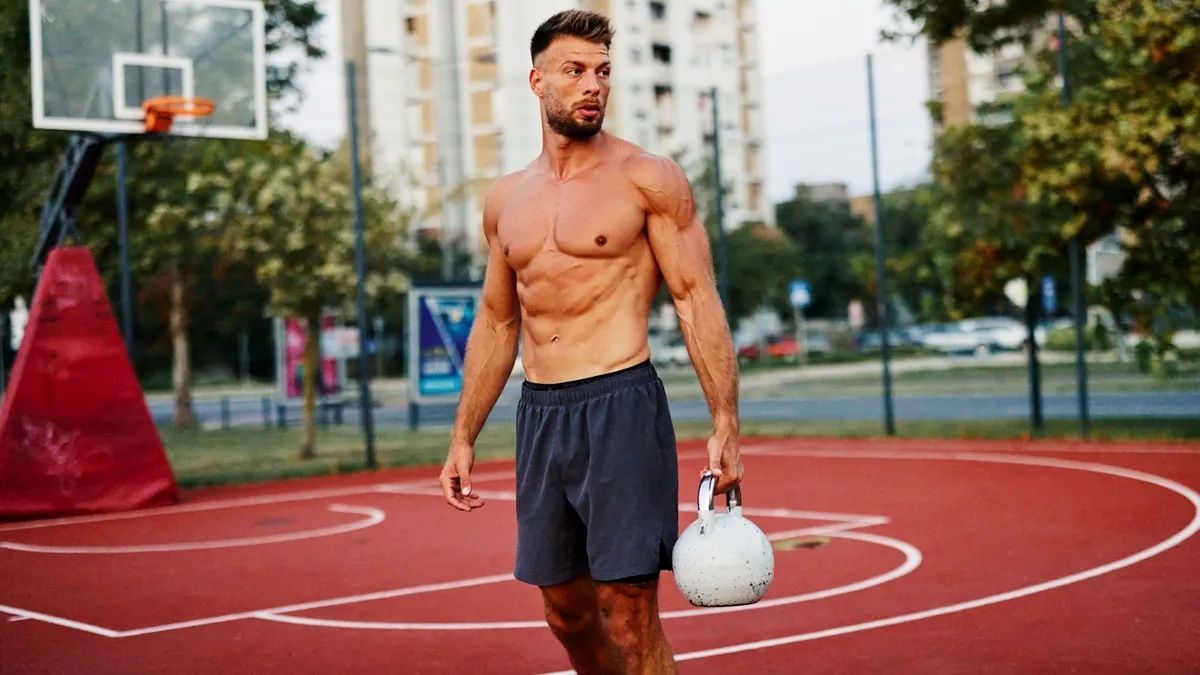
Running really is having its moment; suddenly, everyone seems to be outdoors, wearing the best running shoes and logging their times on Strava or Runna. But for those with joint issues, it might be inadvisable to run. In which case, you need a low-impact alternative to running that still builds strength, raises your heart rate and helps you burn calories.
I'm a personal trainer, and this is my five-move low-impact workout for those of you with joint pain or who, for whatever reason, aren't running. Even if you are a keen runner, I encourage strength training throughout life to maintain as much muscle mass, strength, mobility and balance as possible; it'll make you a stronger runner and less prone to injury, too.
If you experience pain at any time during this workout, stop and rest. If you're working with an injury or health condition, I recommend seeking advice before starting these exercises.
Watch: 5-move full-body workout
First, let's look at the moves.
- Kettlebell or dumbbell swings: Glutes, hamstrings, core, hips, back, shoulders. Why it replaces running: Without running, your heart rate will still rise as you use an explosive hip hinge to drive the weight upward, training the entire posterior chain (the back of the body) — the muscles that running often neglects unless you do a lot of uphill work. Why it's low-impact: Your feet stay planted, so force is absorbed horizontally through the hips and core rather than vertically down through the joints.
- Bear crawl waves: Shoulders, chest, core, quads, wrists, forearms, hamstrings, ankles. Why it replaces running: Your upper and lower body work together (similar to a sprint gait), while building mobility and articulating the spine. Why it's low-impact: You maintain four contact points, removing impact on knees and ankles as you move horizontally.
- Thrusters: Full body — legs, glutes, core, shoulders, triceps, chest. Why it replaces running: Thrusters combine a squat with an overhead press, working the full body, including muscles you use for running, while raising your heart rate in one fluid motion. It's peak metabolic conditioning. Why it's low-impact: Again, your feet are connected to the ground, so there's no repeated jumping or impact bearing down on your joints.
- Speed skater taps: Glute medius (outer glutes), quads, hips, hamstrings, core, arms, shoulders, adductors. Why it replaces running: Lateral skater movements train side-to-side stability using a different plane of motion from standard running, which can improve agility for sports like soccer. This also strengthens the hip stabilizers and helps protect your knees, but try to stay light on your toes. Why it's low impact: You don't need to hop; step side to side if you prefer. Keep one foot planted at all times while moving at a smooth tempo, keeping a soft bend in the knees.
- High-knee drives: Hips, glutes, core, hamstrings, quads, calves. Why it replaces running: Variations of high-knee exercises are used to mimic running while strengthening the muscles used. This version removes the impact as you keep one foot planted while lifting the other leg against resistance. This will also train the knee drive used in sprinting. Use a band around your feet or knees if you have one, or loop your foot through a kettlebell. Why it's low-impact: Soft knees without constant force or jarring joints.
The workout: Breakdown
- Minute 1: 12-15 x Swings
- Minute 2: 12-15 x Bear crawl waves
- Minute 3: 10-12 x Thrusters
- Minute 4: 20 x Speed skaters
- Minute 5: 8-10 x per side High knee drives
- Complete 5 rounds.
- Follow Tom's Guide fitness on Instagram for more workouts, routines, tips, and tricks.
This is a 25-minute EMOM workout, which means Every Minute On the Minute. Complete the given reps within the minute, then rest for the remainder of the minute. In the next minute, complete the given reps of the next exercise, then rest, and so on. Focus on keeping the tempo high to keep your heart rate raised.
Everyone has a mix of fast-twitch and slow-twitch muscle fibers in the body. Your fast-twitch fibers are trained during speed and power and sustain exercise for shorter bursts (think sprinting); slow-twitch fibers typically sustain longer, slower efforts (think a long run or steady-state run).
To increase functional fitness, try to focus on both to maintain endurance, power, speed, balance and reaction time.
Choose weights that challenge you without compromising speed. Aim for around 10-15 seconds of rest per round, adjusting your reps if needed. Keep your core engaged and focus on the quality of your reps. I recommend a set of the best adjustable dumbbells or kettlebells for this routine and a band.
More from Tom's Guide
- I teach people how to be more mobile: 3 low-impact back and shoulder moves that build stability and strength after 40
- I’m a personal trainer who works with clients aged 65+ daily. Here are the 2 exercises I always recommend when it comes to building mobility and balance
- I swapped bone conduction headphones for open buds on my runs, and I’m not going back — here’s why
This is a preview from the original publisher. Continue reading at the source:
Read Full Article on tomsguide.com →