

We asked over 3,000 people what their biggest lawn care challenges were — and one answer came out on top
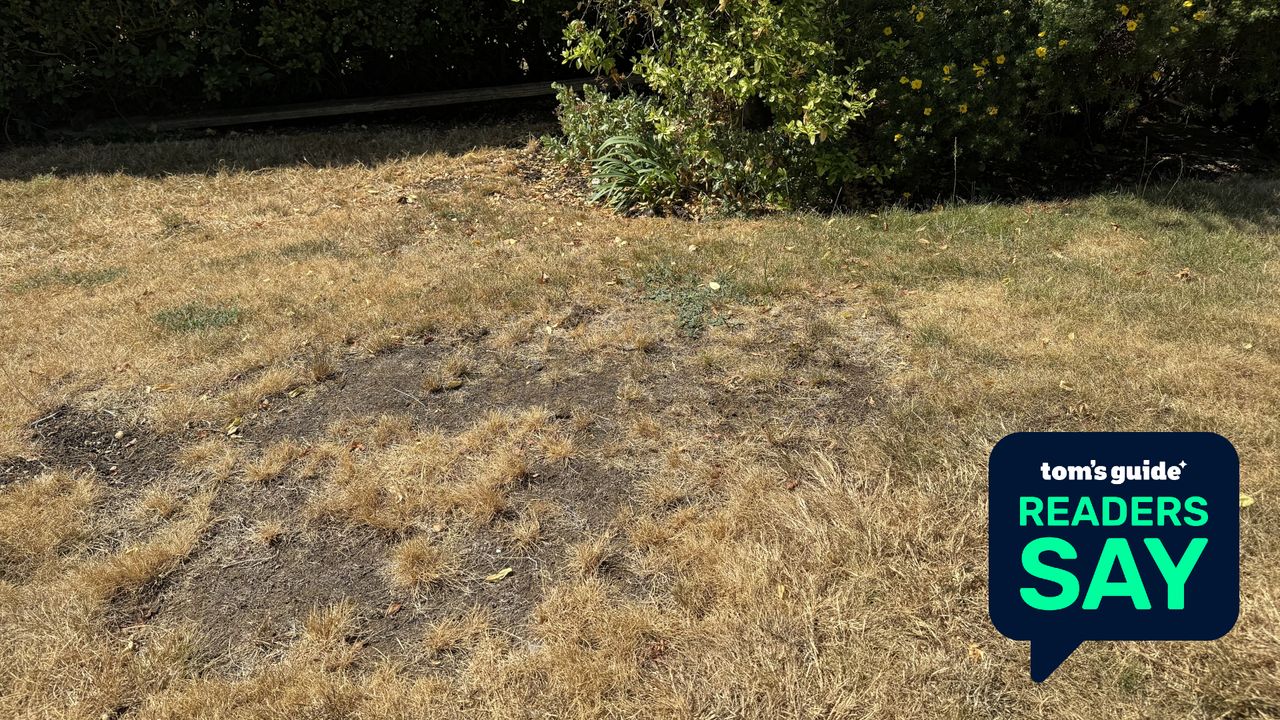
Summer is the best time to get out into your garden and enjoy your outside space. It's also one of the hardest times to keep your lawn in top condition, battling with hot weather, dry soil, and all of that extra use.
While I've been using 3 drought-proofing steps to protect my lawn during heatwaves, I can't help but notice I'm still struggling with specific issues. And I know I'm not the only one.
So, it only felt right to put it to our readers and ask: "What is the biggest problem you have with your lawn?" Over 3,000 of you answered, and here's what came out on top. Even better, I've got tips on how to fix it.
The number one lawn problem, according to readers
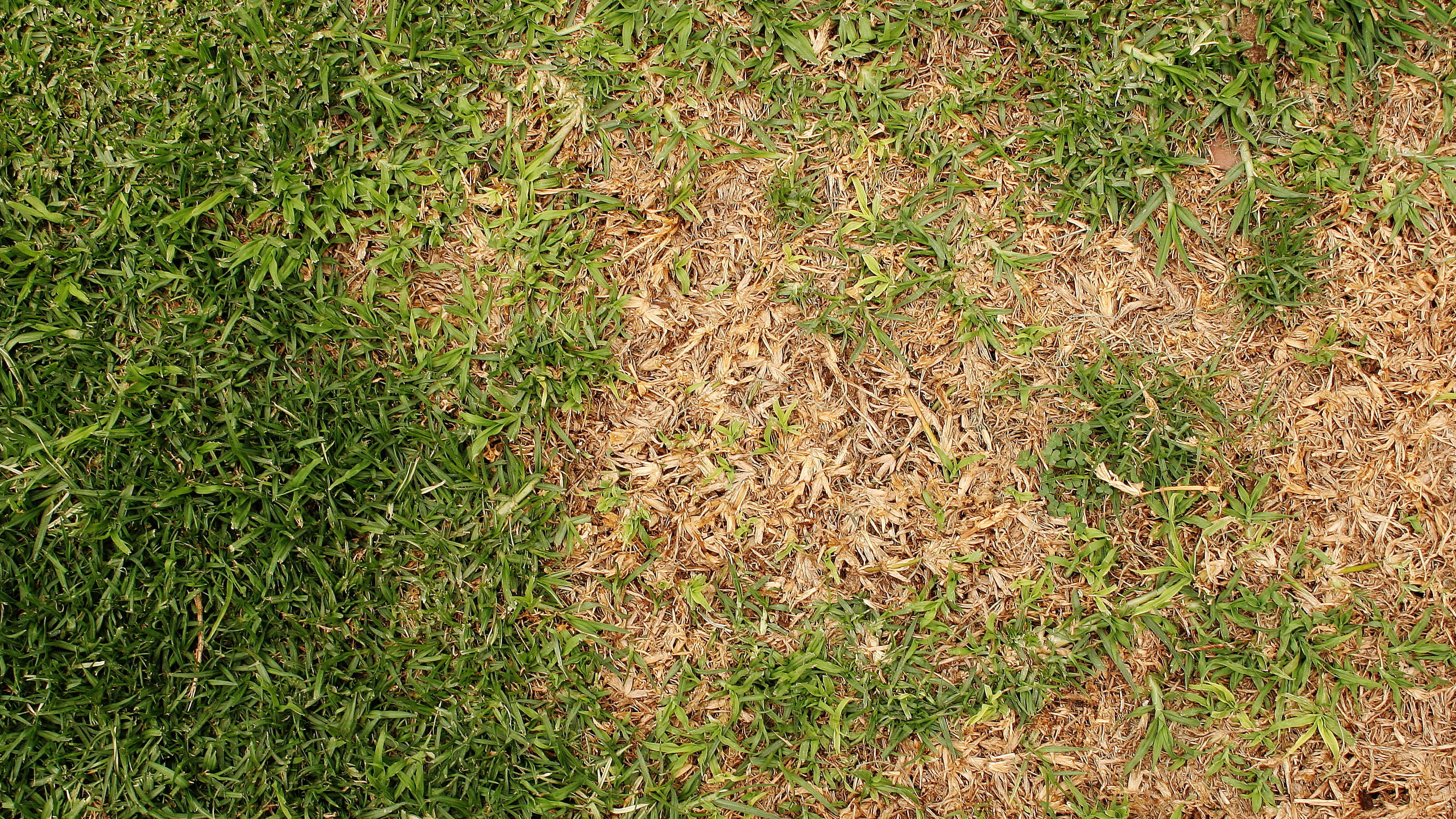
There was one resounding answer that came from our poll, far outweighing other issues, and that's bare patches. With a massive 3,079 votes totalling 64% of our readers' answers, it's a patchy lawn that seems to be causing the most bother.
To give you an idea of just how dominant this issue is, the second issue was crabgrass that received 625 votes (13%) followed by dog wee stains at 451 votes (9%) and dandelions at 388 votes (8%).
And I completely agree, struggling with bare patches myself and trying desperately to make sure my grass looks even across my lawn.
Fortunately, there's plenty of solutions to try that we've covered across a range of how-to guides. I'll delve into some of the top tips below and hopefully next time we run a poll, bare patches won't be such a problem.
How to tackle bare patches
From 5-minute quick fixes to step-by-step guides, depending on how much time you've got on your hands, these are the top tips I recommend to try out on that patchy lawn.
1. Try overseeding
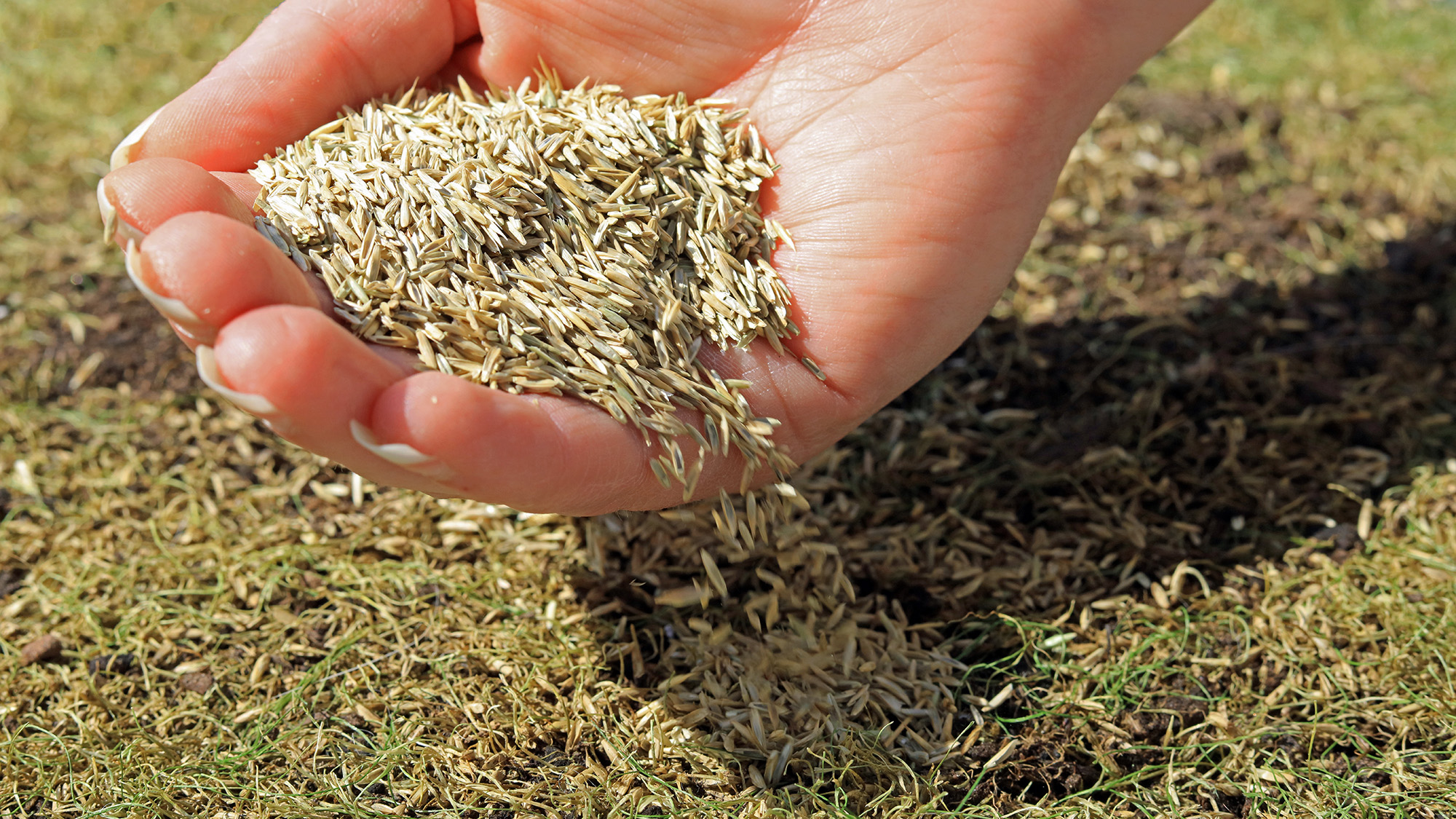
It might seem like all hope is lost when your grass suddenly turns into a bare, soil patch on your lawn, but you can reapply seed to help with regrowth. It's called overseeding and it's a method used to block out weeds, cover up bare turf, and ultimately create a lawn that is covered with even grass.
But, you may find that even when you've overseeded it, you're still experiencing patchiness. There's a few reasons for that, but nothing our next step can't try and solve.
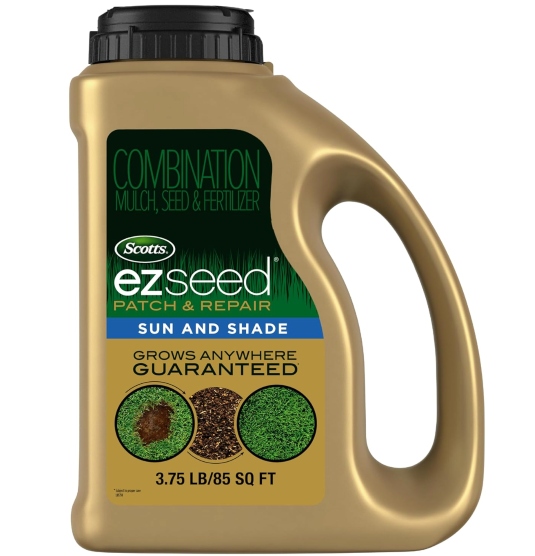
Covering up to 85 sq. ft. Scott's EZ Seed is specifically-designed for fixing bare patches on your lawn. For best results, apply it when the temperatures sitting between 60°F and 80°F. All you have to do is prep the area, evenly apply the seed and water it until no more water is being absorbed.View Deal
2. Reseed if the first go didn't take
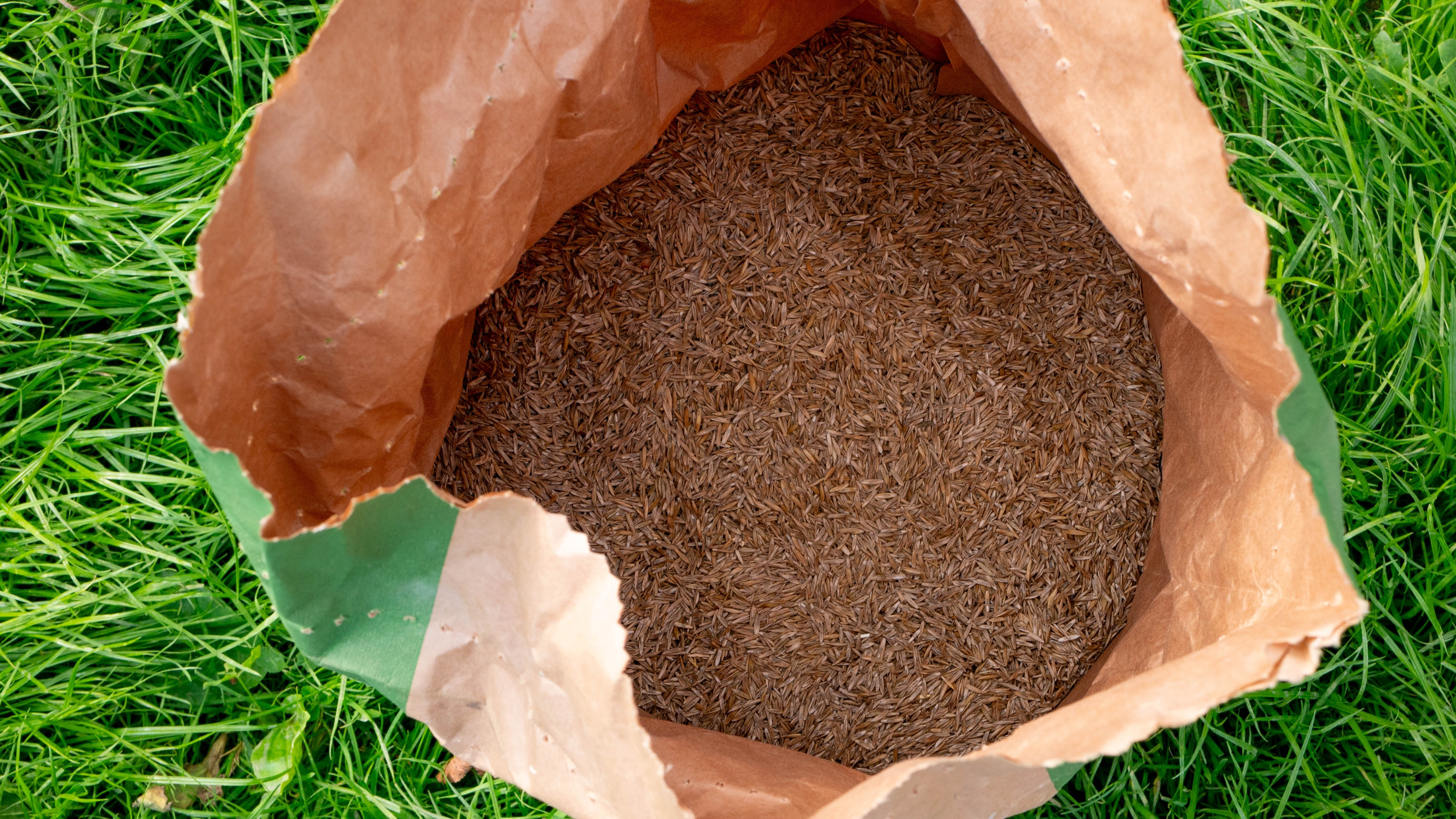
Sometimes one overseeding session isn't quite enough and that's a problem answered by Chrissie Handley, lawn care specialist at Online Turf when we spoke with her about yellow patches on lawns: "You tend to lose some seed either from the birds picking some off the ground, or through wind blowing it away, or heavy rain can also wash some away, giving you a sparse regrowth."
The answer for this? Reseed and focus on even distribution across your lawn, in case the way you're applying it by hand is too thinly spread.
3. Add a layer of topsoil
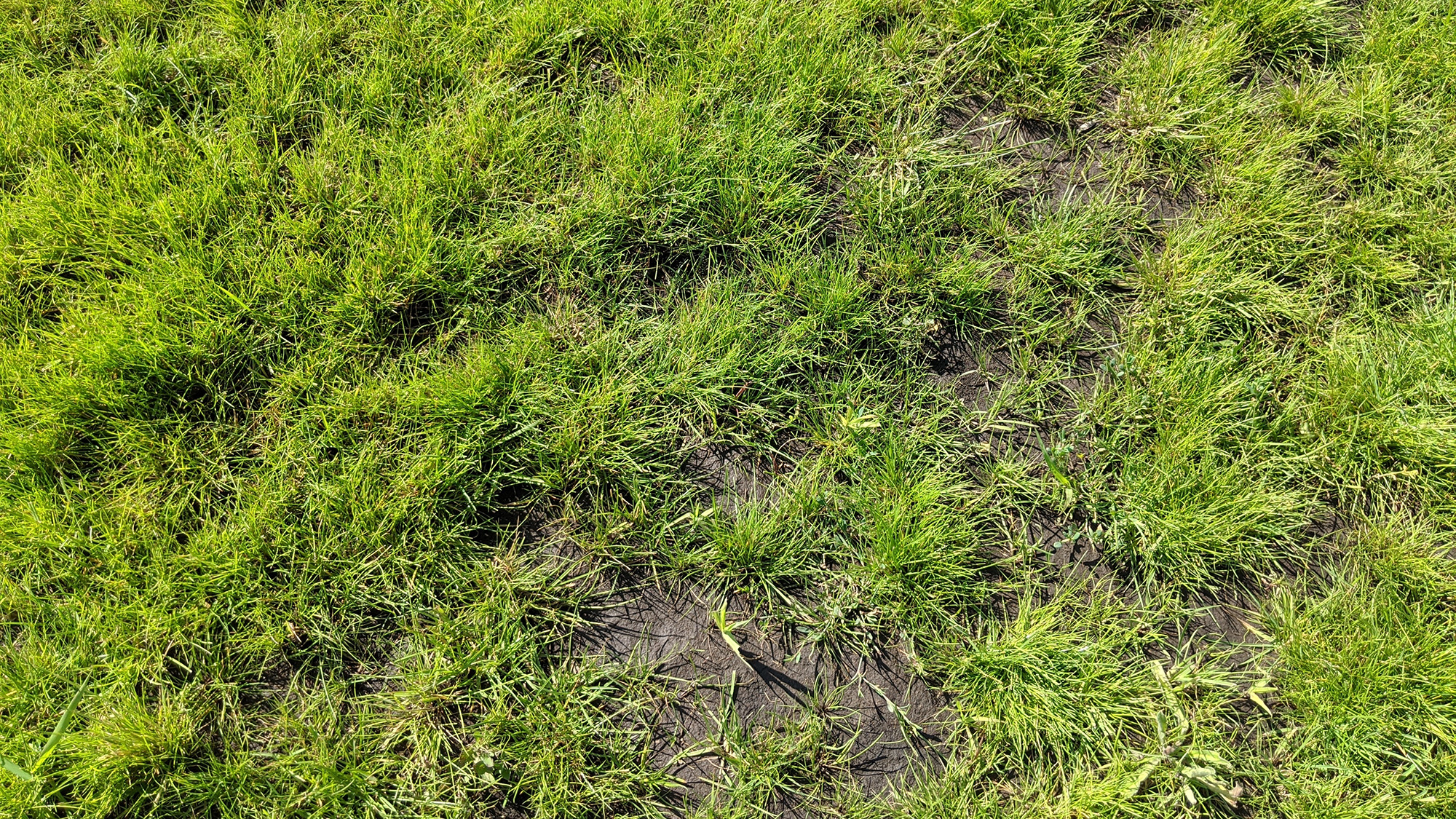
Additionally, to protect the seed, you can add a thin layer of topsoil afterwards. As Handley recommends: "This can help stop the birds from picking it off, and also helps the seed make good contact with the ground, improving your germination rate."
Consider it an extra layer of protection, prompting grass growth and hopefully leading to a less patchy lawn.
4. Try a good fertilizer
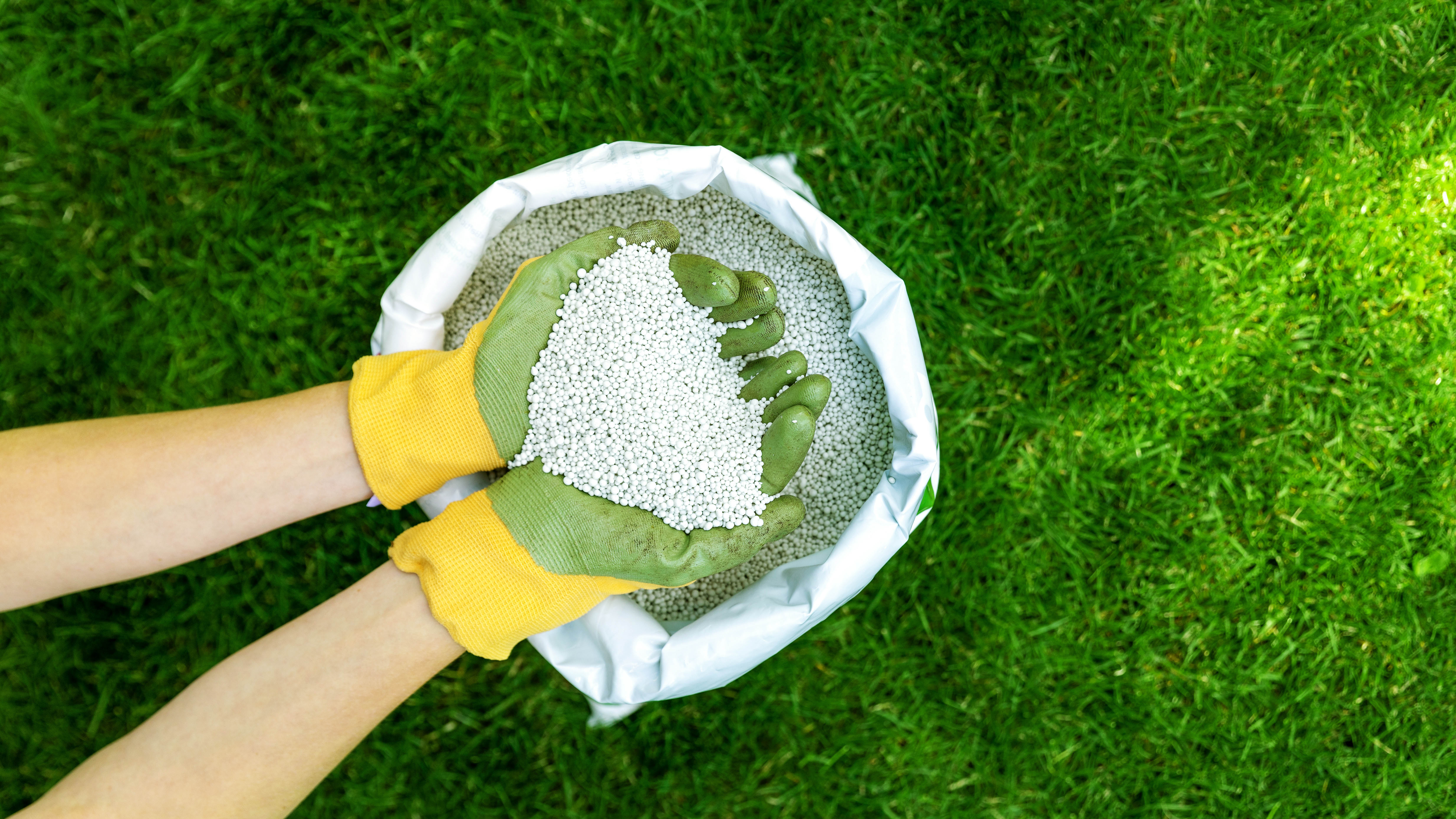
Finally, you might want to think about adding some fertilizer to your lawn. Sure, it's hard to know how often you should fertilize your lawn and when to do it, but as advice widely varies it's always a good idea to check the type of fertilizer you're using and what job you want it to do.
If you can nail down some good practice with fertilizer, as well as choosing one that's suitable for the job, you can tackle those patchy areas in no time at all. Or, so I'm trying to do myself.
More from Tom's Guide
This is a preview from the original publisher. Continue reading at the source:
Read Full Article on tomsguide.com →