

Elon Musk's latest $1 billion purchase isn't AI chips — it’s gas turbines
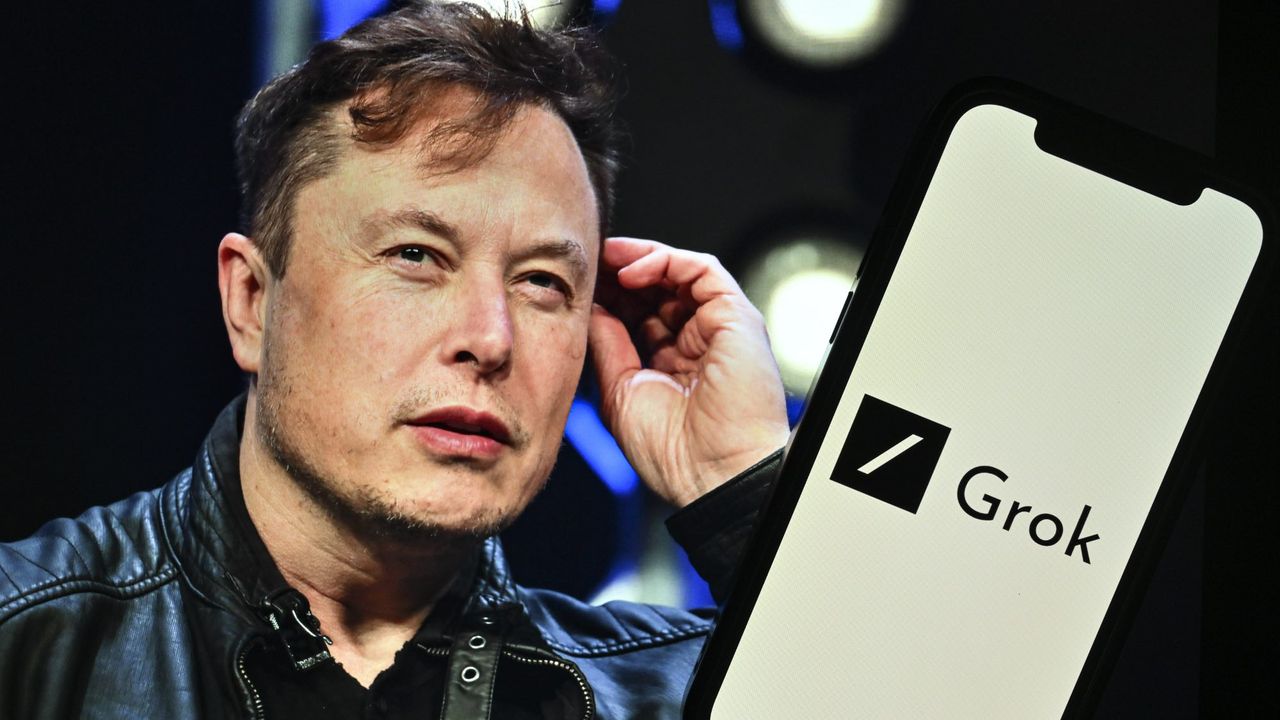
When most AI companies need more computing power, they buy more Nvidia chips. But according to federal regulatory filings, Musk has acquired mobile power plant specialist APR Energy in a deal valued at roughly $1 billion.
On the surface, purchasing a fleet of gas and diesel turbines seems like an unusual move for an AI pioneer. But it highlights a growing reality of the AI race: finding enough electricity is becoming just as important as finding enough GPUs.
As companies build larger AI models and serve millions of users, the biggest bottleneck has become securing the power needed to keep them running.
Why an AI company needs an energy company
Training and running popular AI models like Grok requires astronomical amounts of electricity. Every prompt you type into an AI chatbot is processed by thousands of GPUs humming inside massive data centers. Those chips consume massive amounts of power and generate enough heat that they require extensive, energy-intensive cooling systems.
For years, the conversation has centered on Nvidia's GPUs because they are the engines that perform AI calculations. Increasingly, however, the bottleneck is the grid itself.
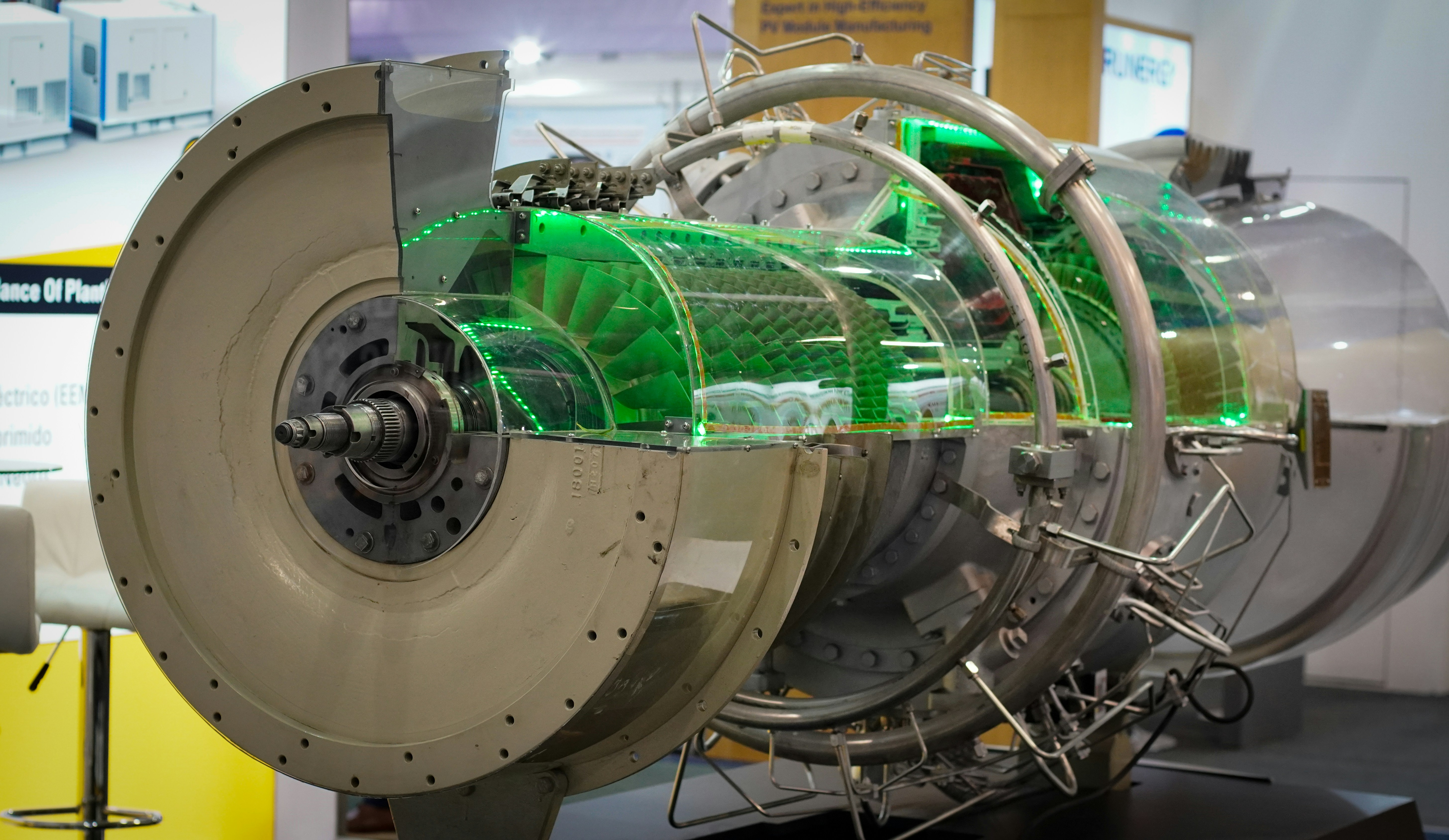
That is where APR Energy comes in. The company promises rapidly deployable, modular power plants built around mobile gas and diesel turbines. For Musk, that means two important things:
- Speed factor: Instead of waiting years for local utilities to build new grid infrastructure, organizations can bring in APR's trailer-mounted turbines to get generating capacity online in weeks rather than years.
- Strategic leverage: For an AI company racing to expand its data center footprint, bypassing grid delays can save months, if not years, of valuable time.
Why waiting for the grid isn't an option
Building a physical data center is only half the battle. In many parts of the United States, obtaining enough electrical capacity from local utilities can take years because regional grids are already straining under existing industrial and consumer demands.
This bottleneck has forced major technology companies to look for alternatives:
Some are investing in nuclear energy to secure long-term, carbon-free baseload power. Others are signing massive renewable energy power purchase agreements (PPAs). Some, like Musk, are taking matters into their own hands by building dedicated natural gas generation to keep new supercomputing clusters online.
xAI has already relied on natural gas turbines to help power its rapidly expanding Colossus AI supercomputer campus in Memphis. Purchasing APR Energy outright suggests Musk wants total, vertical control over his energy supply chain to fuel rapid scaling.
The ultimate irony: 'King of Electric' turns to gas
This massive energy play highlights a fascinating, head-scratching contradiction in Musk's empire. For nearly two decades, Musk’s entire brand has been built on accelerating the world’s transition to sustainable energy. He wrote "Master Plans" about a global solar electric economy, built massive Tesla Gigafactories, and promoted heavy-duty battery storage as the ultimate grid solution.
Yet, when the AI arms race demanded immediate, immense power to train Grok, the timeline for building solar farms and battery storage was simply too slow. To keep pace, Musk bypassed the clean grid entirely, turning instead to heavy fossil-fuel infrastructure.
Escalating public scrutiny
This acquisition comes as Musk's energy strategy is already drawing intense public and regulatory blowback.
The Colossus data center in Memphis has faced complaints from environmental groups and local residents over its heavy use of natural gas turbines. Critics, represented by groups like the Southern Environmental Law Center, argue the turbines contribute to local air pollution and initially bypassed standard municipal permitting.
While xAI has worked to navigate these regulatory challenges, the environmental impact of powering AI with fossil fuels remains a major point of contention. Buying APR Energy doesn't erase these concerns; rather, it underscores that xAI views dedicated, on-site power generation as a permanent strategic pillar rather than a temporary stopgap.
What this means for Grok users
If you use Grok today, this acquisition won't change the chatbot's immediate interface or features. Instead, this is about fueling the future. As AI models transition from simple chat assistants to advanced "reasoning" models, they spend longer thinking through complex multi-step tasks. This increased processing time translates directly to exponential surges in power demand.
By securing a captive supply of rapid-deployment generators, Musk ensures that xAI can bring more GPUs online and scale its infrastructure without being held back by the pace of local utility companies.
More from Tom's Guide
This is a preview from the original publisher. Continue reading at the source:
Read Full Article on tomsguide.com →