

3 easy steps to protect visiting hummingbirds from the summer heat
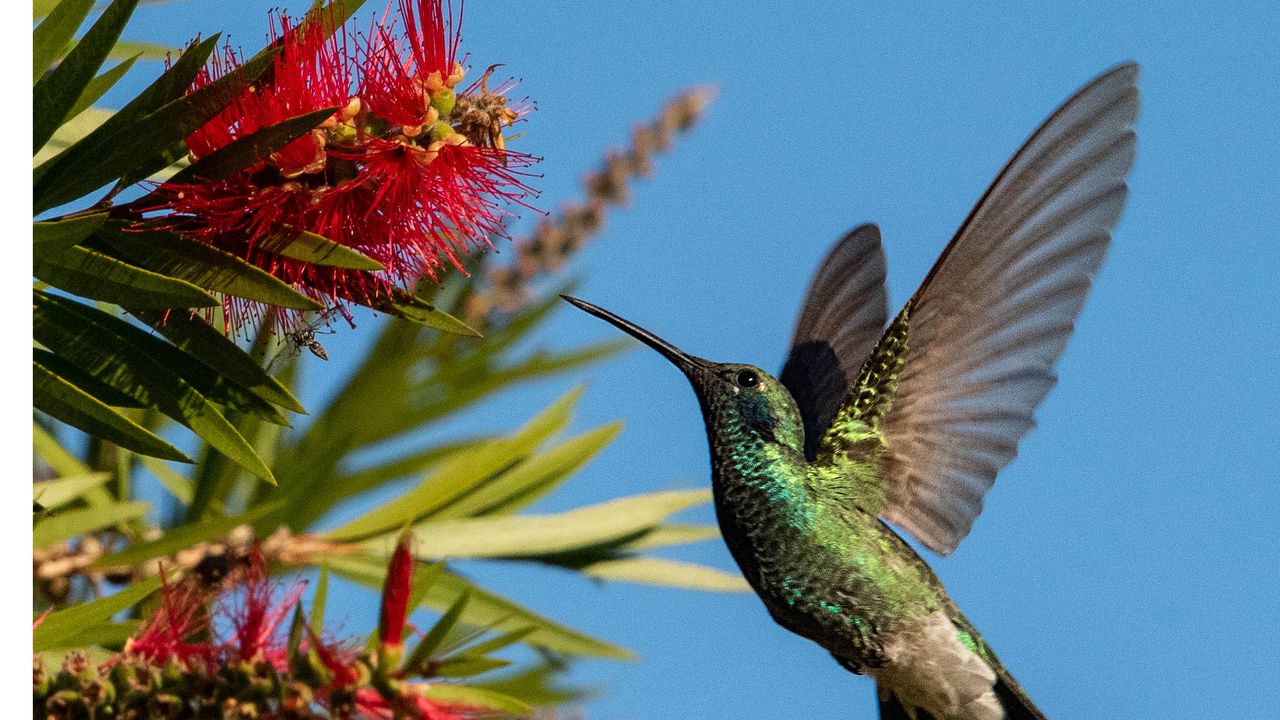
Summer heat poses a real threat to backyard hummingbirds. Because of their fast metabolisms, these tiny birds lose moisture rapidly when temperatures spike, and high heat can quickly cause your hummingbird nectar to ferment and spoil.
Unlike other species, hummingbirds cannot rely on shade alone to survive extreme weather, making cooling strategies absolutely essential.
If you want to know how to protect hummingbirds from summer heat, the solution is easier than you think. By making just three simple adjustments to your feeders and water features, you can easily transform your outdoor space into a safe, refreshing refuge.
These quick, low-effort changes will keep your local hummingbirds safe, hydrated, and fed all season long.
1. Provide cooling mist so they can bathe

Hummingbirds don't use traditional bird baths. They're too small and prefer mist to standing water. In summer heat especially, moving water with a light spray is crucial for keeping them cool and clean.
Install a solar fountain in your existing bird bath or hang a solar misting station in a shaded area near your feeders. The movement and spray attract hummingbirds from a distance while providing the cooling they desperately need during hot afternoons.
Clean your misting system every 2-3 days in summer to prevent algae growth and ensure the water stays fresh. Keep the water level topped up so the system runs continuously. Solar-powered options work best because they operate automatically, providing consistent cooling without requiring you to turn anything on or off.
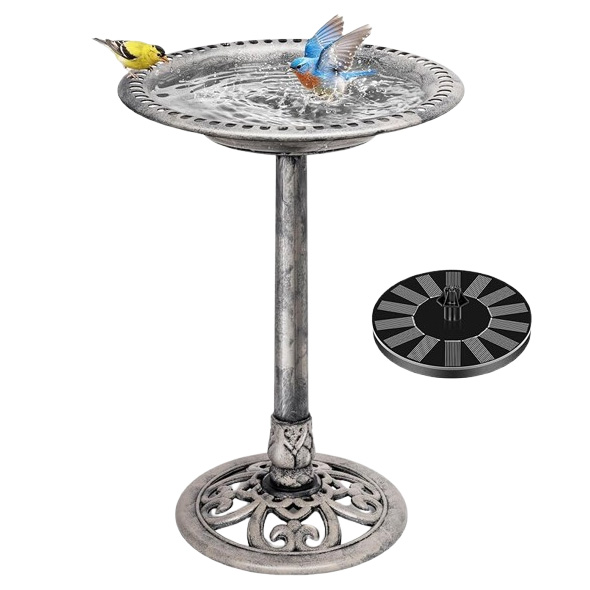
This two-in-one product will provide a place for your visiting hummingbirds to drink and cool down in the heat. The raised bird bath, with a 20-inch bowl, will keep them safe from prey, while the solar fountain will provide them with a fine mist of spray. For easy cleaning, the bowl can be unscrewed from the base.View Deal
2. Refresh feeders daily so nectar stays potent

Hummingbirds get virtually all their hydration from nectar, making fresh feeders absolutely critical during summer. In heat above 85°F, nectar ferments and spoils in just 24-48 hours. Spoiled nectar can harm hummingbirds or fail to provide the energy they need to regulate body temperature in extreme conditions.
Empty, clean, and refill your feeders every single day during peak summer heat. Use a 4:1 water-to-sugar ratio (boil water first to remove impurities, dissolve sugar completely, then cool before filling). Never use honey, red dye, or artificial sweeteners as these can harm hummingbirds.
Position your feeders in partial shade so nectar doesn't overheat sitting in direct sun. If you have multiple feeders, space them 3-4 feet apart to prevent territorial birds from monopolizing all food sources. This allows more hummingbirds to feed simultaneously, increasing their chances of finding energy-rich nectar when they need it most.
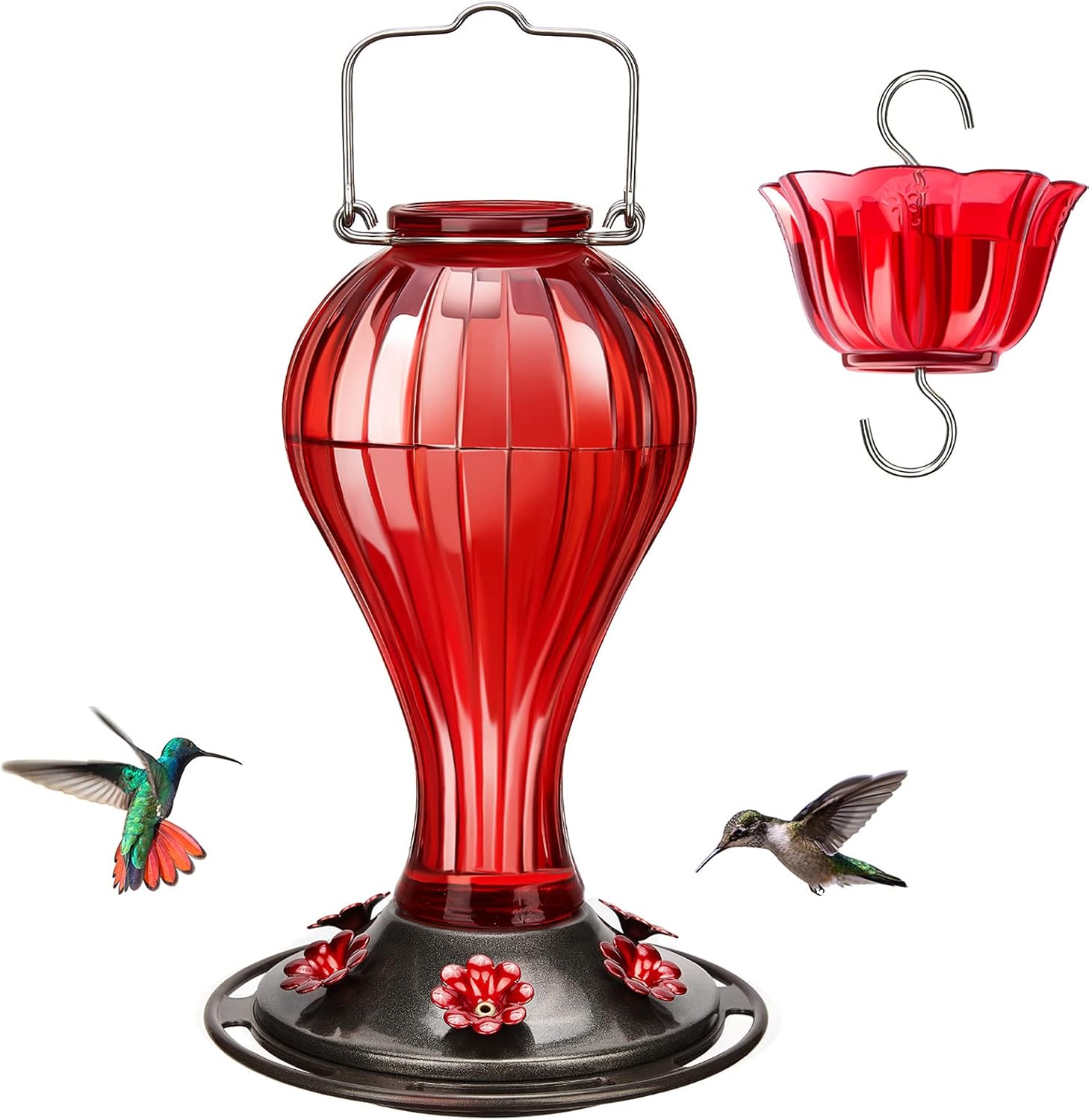
This bright red hummingbird feeder features six flower feeding ports, a hummingbird perch and an ingenious ant moat that hangs above to keep insects out of the feeder. Plus, to stop any sticky leaks, it has a built-in double gasket.View Deal
3. Create shaded resting spots

Hummingbirds spend up to 80% of their day resting, not flying. During summer heat, they retreat to shade to conserve energy and lower their metabolic rate. Without adequate shaded perching spots, hummingbirds exhaust themselves trying to stay cool while flying.
Plant shrubs and small trees that provide dense foliage and natural perches. Position these in areas that receive morning sun but afternoon shade — the ideal microclimate during peak heat. Viburnums, lilacs, and flowering shrubs work perfectly because they provide both cooling shade and nectar.
Install hummingbird perches or thin branches 3-10 feet from feeders, positioned where birds have clear views of all feeding areas. These perches let hummingbirds rest between feeding sessions while maintaining watch for predators and territorial competitors. Vary perching heights to accommodate different species' preferences.
Consider adding pergolas or shade structures near your feeders. Even temporary solutions like strategically placed shade cloth can provide relief during particularly brutal heat waves.
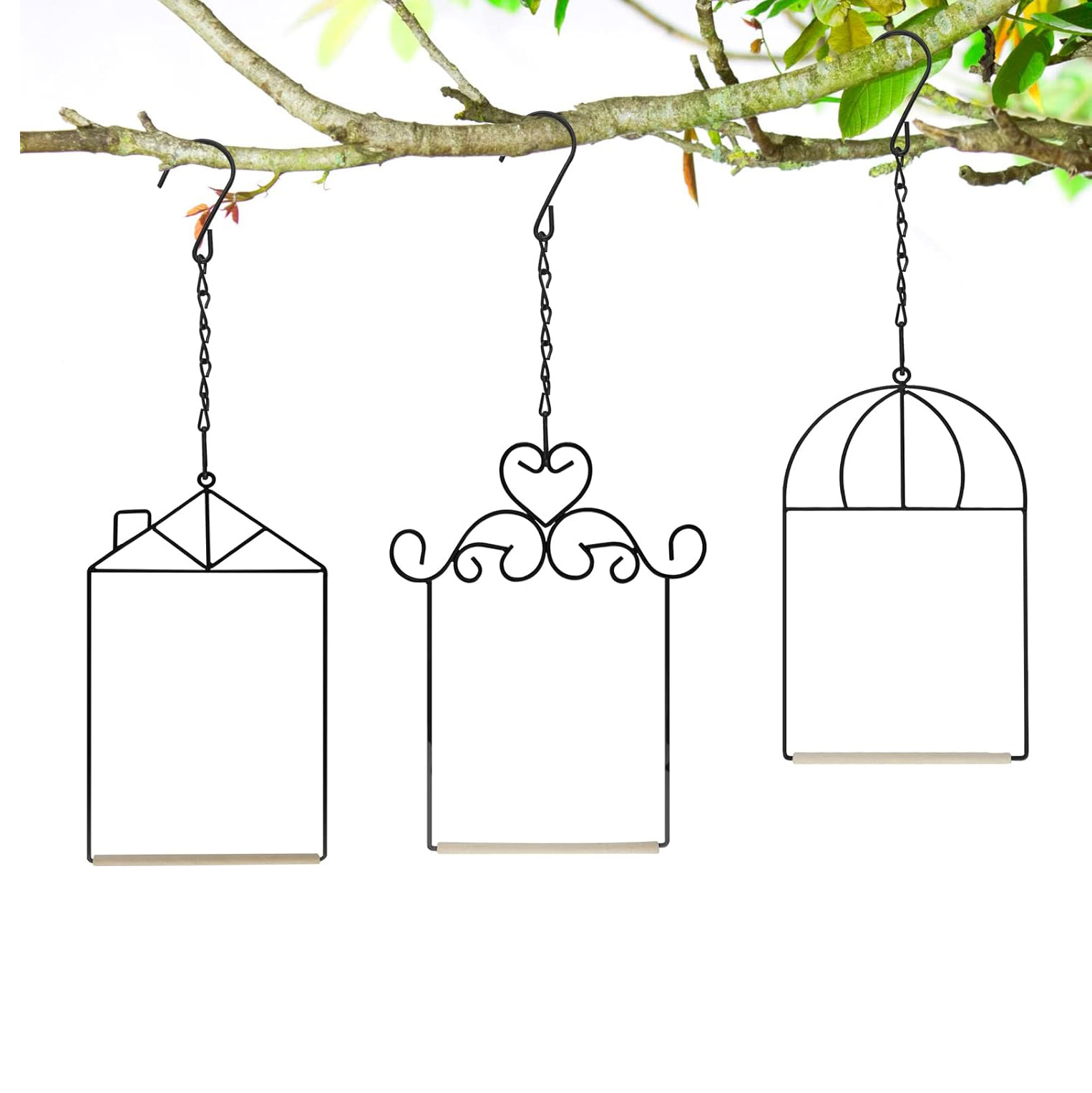
This pack of three swings is designed for hummingbirds to perch on. The metal swings have a wooden perch and come in three attractive designs, each with a metal chain and hook for attaching to a branch. Place them near your patio or hummingbird feeder and watch the birds have fun.View Deal

More from Tom's Guide
This is a preview from the original publisher. Continue reading at the source:
Read Full Article on tomsguide.com →