

Apple seeks RAM from blacklisted Chinese company as memory shortage impacts everything — but it may not be enough
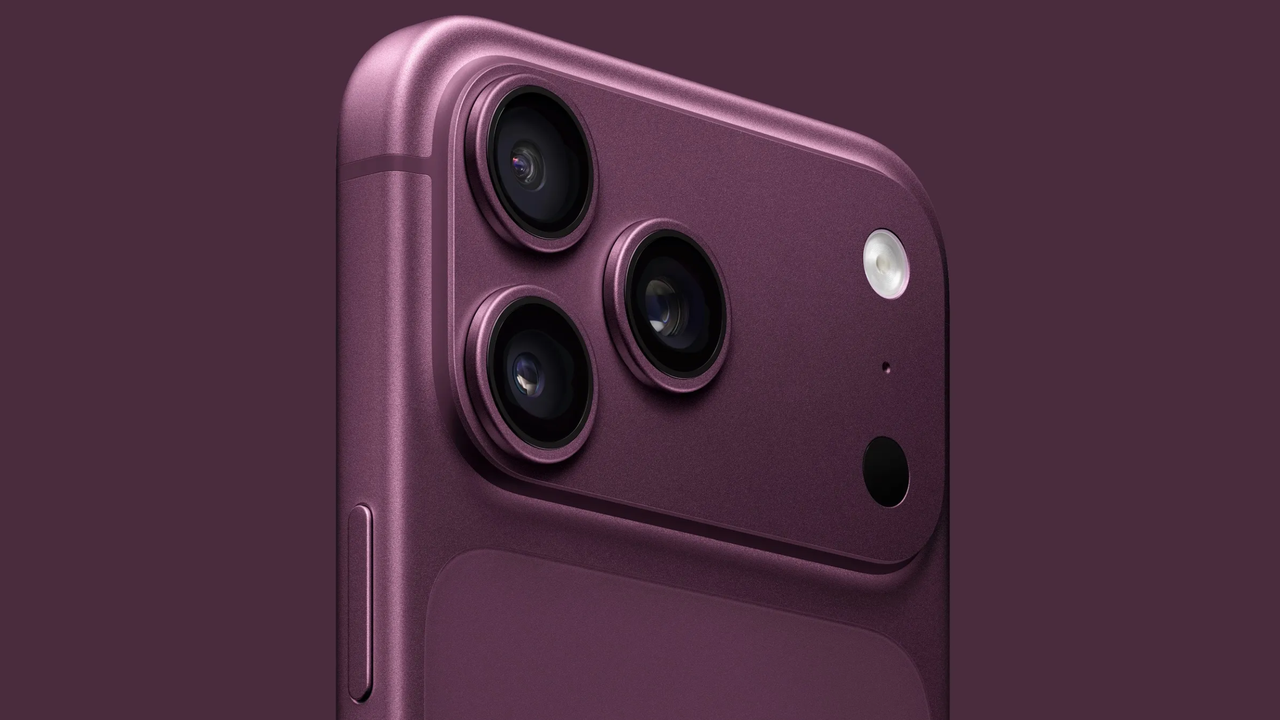
Over the weekend, a big report from the Financial Times dropped, claiming that Apple is attempting to alleviate memory constraints by pursuing a company that is currently on the Trump administration's blacklist.
According to FT, Apple is seeking to get CXMT exempted so it can source RAM from somewhere that isn't one of the big three; Micron, Samsung or SK Hynix. Skyrocketing memory prices forced Apple to raise prices on most of its products last week.
Apple is technically not barred from buying CXMT chips, but the company has ties to the Chinese military and some Republicans are already making threats against Apple if it decides to move forward.
"Apple choosing to partner with a Chinese military company would be a grave mistake," Congressman John Moolenaar told the Financial Times. "Helping the [Chinese Communist Party] succeed in its plans to dominate critical supply chains will make our country’s tech industry and economy more dependent on China at a time when we must build secure tech supply chains with our allies."
Outgoing CEO Tim Cook has controversially kissed up to the Trump administration since he took office last year. That includes attending the inauguration, presenting Trump with gaudy statues and discs, and purposely attending a screening of the Melania movie. Now is the time to see if that attention will be reciprocated.
Tom's Guide has reached out to Apple about the memory shortage and CXMT specifically. However, Apple is generally tight-lipped about supply chain processes, but if the company responds, we will update this article.
It may not be enough
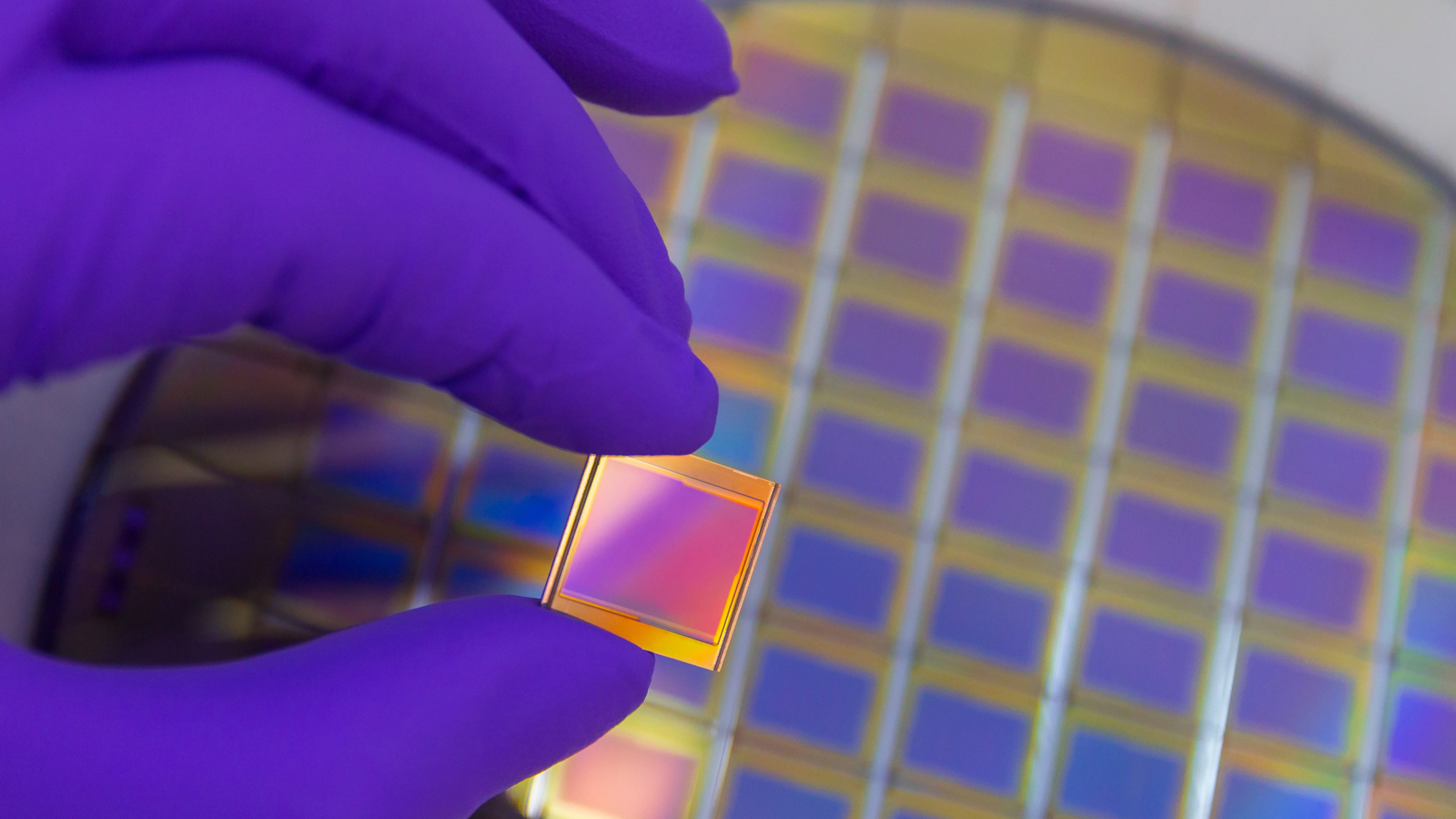
Supply chain analyst Ming Chi Kuo responded to the CXMT news today saying, "The pressure on Apple has shifted from soaring memory costs to a widening supply gap."
Kuo stated that memory capacity for consumer electronics is expected to decline 15 to 20% from devices to data centers in 2027 and that number could grow. He went on to say that even if Apple can source from CXMT it "would not materially lower costs or fill the supply gap." But noted that Apple has to secure an additional memory source.
One claim from replies indicates that Chinese iPhones make up about 16% of Apple's revenue, not nothing but enough to make it relevant. It's possible Apple could utilize CXMT memory in its Chinese iPhones that could perhaps alleviate supply chains for other markets like the US.
Memory shortage could affect A20 chip
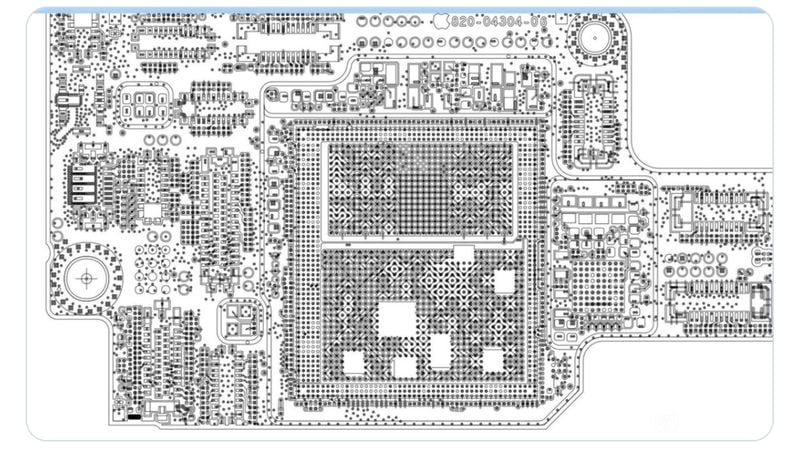
A leaked image appeared on Weibo from Samsung leaker Ice Universe today that purports to show case the A20 Pro chip that is expected to power the iPhone 18 Pro and iPhone 18 Ultra models.
The new chip is supposed to use TSMC's new wafer-level multi-chip module (WMCM) technology and the 2nm process. It's different from Apple's normal package-on-package (PoP) designs that put the DRAM on top the application processor. This new method moves the DRAM to the side which should reduce heat during heavy workloads.
It also appears to have a larger Neural Processing Unit than the A19 Pro, pointing toward improved AI performance. This chip should be 15% faster and 30% more efficient than the A19.
However, alongside CXMT, Kuo also claimed that Apple will produce 10 to 20% fewer A20 chips due to a lack of LPDDR RAM. Everything is impacted by the memory crisis.
At best, Kuo believes Apple will get favorable coverage because it tried to get more memory but was constrained by U.S. policies. "That may help ease frustration over price hikes and longer delivery times," Kuo said.
More from Tom's Guide
This is a preview from the original publisher. Continue reading at the source:
Read Full Article on tomsguide.com →