
I get asked about local AI all the time — here are the 7 predictions I'd bet on
Every day readers send me their questions about AI. Some are eager to learn more about stacking models or genuinely curious what model I'm favoring at the moment. But a recent email from a reader named Mike stood out, because it wasn't really about today's AI at all.
Mike wanted to know where this is all heading. And I think that's something we all question pretty regularly. Questions like, what kind of computer will run AI five years from now? Will it know when to search the internet instead of guessing? Could it become a private tutor that never uploads a word about his kids? And — this was my favorite — will companies eventually sell downloadable AI "experts" the way we install apps today? He even compared it to swapping cartridges into an old game console: pop in the one you need, pull it out when you're done.
They're thoughtful questions. And what struck me is that they're not really about hardware at all. They're about the kind of relationship we'll have with AI — how much it knows about us, how much it shares, and who's in control of that.
No one knows exactly what the future looks like. But based on what companies like OpenAI, Google, Anthropic, Apple, Microsoft and Nvidia are building right now, here are seven predictions I'd put real money on.
1. Your next computer won't just run software — it'll run AI
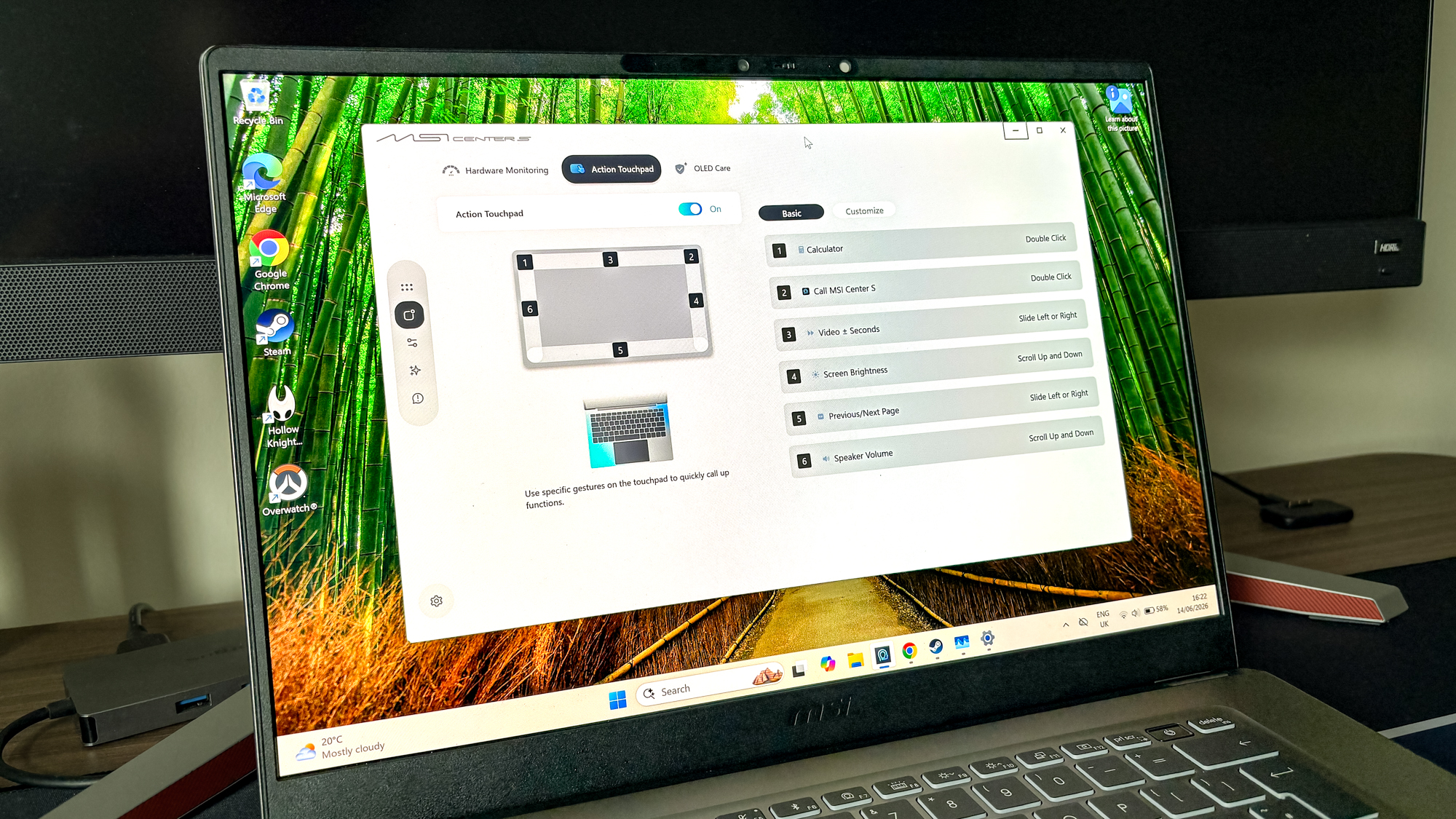
For decades, the spec that mattered most when you bought a laptop was the processor. The next number you'll learn to care about is the NPU — the neural processing unit, a chip designed specifically to run AI models efficiently without draining your battery.
My guess is that 32GB of RAM becomes the comfortable sweet spot for anyone who wants to run capable AI locally.
You're already seeing the marketing: "AI PCs," "Copilot+ PCs," Apple's Silicon chips with their built-in Neural Engine for the best MacBooks. Most people scroll right past those labels today. In a few years, they'll be the first thing you check.
Here's the shift that matters most, though, and it's one most buyers haven't caught onto yet: memory is becoming the real bottleneck. AI models are big, and they have to load into RAM to run. The more memory you have, the larger and smarter the model your laptop can hold at once. RAM is quietly becoming the new storage — the thing you'll wish you'd bought more of.
My guess is that 32GB becomes the comfortable sweet spot for anyone who wants to run capable AI locally, the way 16GB became the default for serious work over the last decade. Buy less, and you'll feel boxed in faster than you expect.
2. Most of your everyday AI will happen privately, on your device
Today, almost everything you do with AI runs through someone else's servers. You type a prompt, it travels to a data center, and the answer travels back. That works but it means your words leave your machine every single time.
That's about to flip for the routine stuff. Drafting an email, summarizing a long PDF, searching your own documents, transcribing a meeting, writing a bit of code, even generating an image, these are exactly the kinds of tasks that increasingly run right on your hardware, no internet required.
Cloud AI isn't going anywhere; for the hardest problems, it's still where the most powerful models live. But the idea that every task needs a round trip to a data center is already starting to look outdated. Most of what you do day to day simply won't need it.
3. AI will ask before it searches the internet
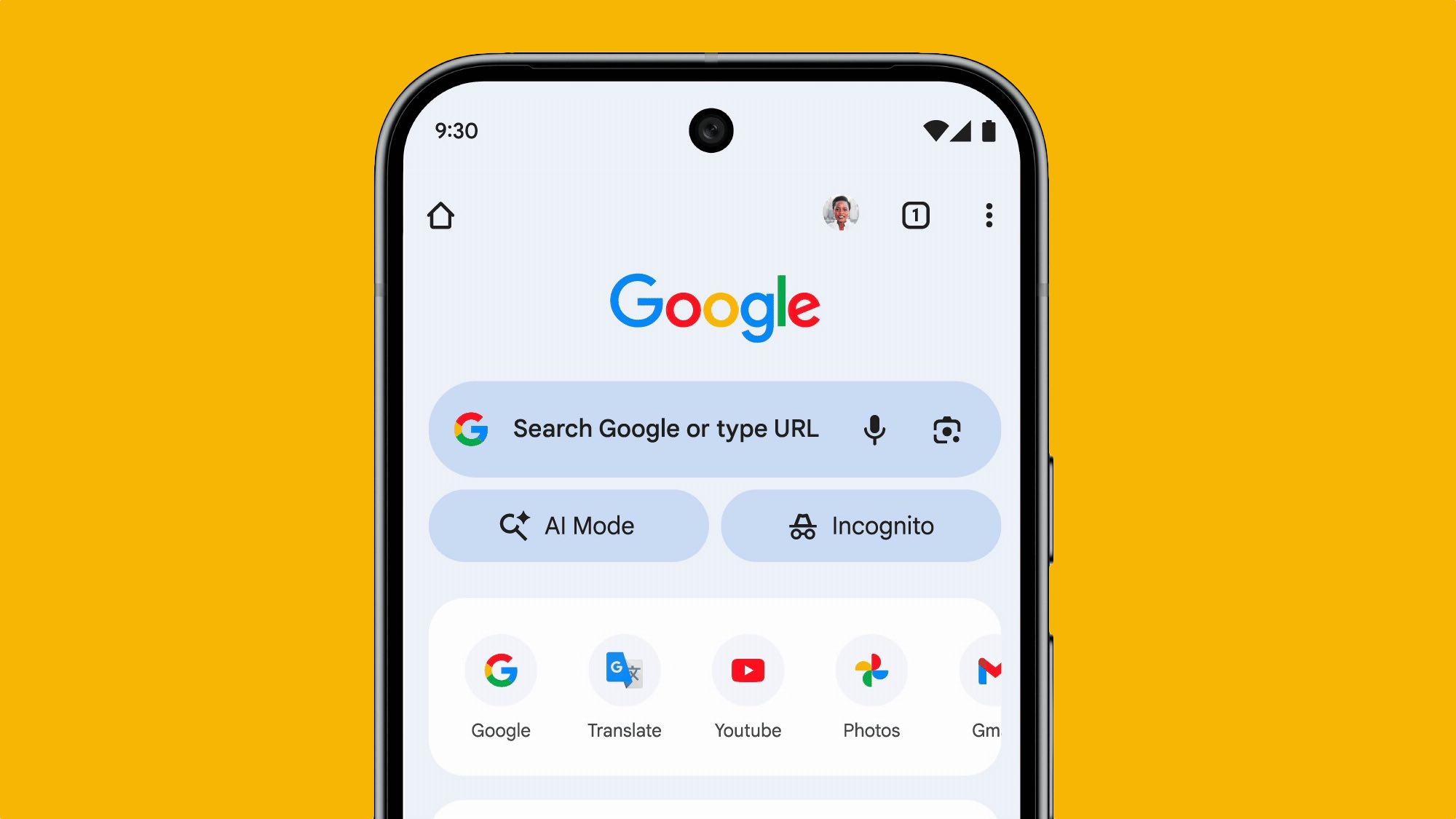
This is the prediction I'm rooting for hardest, because it's both practical and quietly respectful of your privacy. Picture your assistant pausing to say:
"I can answer this from what I already know, or I can search the web for newer information. Which would you prefer?"
That small moment changes the whole dynamic. Instead of silently shipping your question off to the cloud the instant you hit enter, the AI hands you the decision. Want a fast, fully private answer from its local knowledge? Done. Need the latest news or a fresh price? Give it the nod and let it search.
It's a tiny design choice with a big consequence because it allows the user to determind where their data goes.
4. Your AI will know your files better than you do
Here's where local AI gets genuinely personal. Imagine an assistant that has quietly read your documents, your photos, your emails, your calendar and your notes, then allows you to pull from anything on command.
Think of it as an open-book exam: the model doesn't have to memorize your life, it just gets to flip to the right page whenever you ask.
For example, you might ask "What did I agree to in that contract back in March?" or "Find the photos from the trip where we hiked that volcano," and it just knows.
The technology behind this has an intimidating name know as "Retrieval-Augmented Generation" but the idea is that instead of relying only on what the AI learned during training, it looks things up in your stuff first, then answers based on what it finds. Think of it as an open-book exam: the model doesn't have to memorize your life, it just gets to flip to the right page whenever you ask.
The crucial part is where that book lives. Done locally, the assistant becomes an expert on your entire life without a single file ever leaving your computer.
5. AI tutors could reshape education
As a parent, this one feels the most wild. We've already seen early versions of what a patient, always-available teacher could feel like. But the local, private version of this is where it gets powerful.
Imagine an AI tutor that understands your child's specific textbook, learns their pace and adapts to their accommodations, but never uploads any of that information to a server. For homeschool families, it's a tireless teaching assistant. For gifted kids, it never runs out of harder questions. For students in special education, it can adjust its approach as patiently and as often as needed, without anyone feeling rushed or judged.
The reason privacy matters so much here is that the information involved (a child's struggles, their diagnoses, their pace) is some of the most sensitive data a family has. An AI tutor that keeps all of it on the family's own device removes the single biggest reason to hesitate.
6. We'll download AI experts instead of leaning on one giant chatbot
This one came straight from Mike's cartridge idea, and it's the boldest bet on the list, so let me flag it as exactly that.
His instinct was that instead of one enormous model trying to know everything, we'd download specialized ones for specific jobs. Update the metaphor from game cartridges to something more familiar, an App Store, and you can picture it: a Photography Expert, a Mechanic, a Medical Reference, a History Tutor, a Travel Planner, a Gardening Coach. Install the ones you need, skip the ones you don't.
I'll be honest that the industry is also pulling the other direction. A lot of the momentum right now I've seen is in generalist models getting so capable that you arguably won't need a separate "Mechanic AI" at all. So this isn't a safe prediction, obviously a genuine fork in the road.
Rather than one model stretched thin across everything, you might assemble a small team of specialists, each one lightweight enough to live on your device.
But there are real reasons to think specialization wins for local AI specifically. Smaller, focused models are cheaper to run on your own hardware, easier to keep private and can be tuned to be genuinely excellent at one thing. Rather than one model stretched thin across everything, you might assemble a small team of specialists, each one lightweight enough to live on your device. Mike may have been a few years ahead of the curve.
7. Cloud AI isn't going away — but it'll become your backup
So where does all this leave the big cloud chatbots we use today? I don't think the future belongs entirely to local AI, or entirely to the cloud. The smartest systems will use both and the dividing line will be effort. Your device handles the everyday work privately and instantly. Then, when a problem is genuinely hard, your assistant asks permission before handing it off to a more powerful cloud model.
Notice that this ties prediction 3 and prediction 2 together into one habit: local by default, cloud by consent. Your AI won't just get smarter. It'll get better at respecting your privacy and your choices along the way.
Final thoughts
I keep coming back to why I loved Mike's email so much. His questions sounded like they were about specs like chips, memory, downloadable models, but underneath, every one of them was really asking the same thing: what kind of relationship are we going to have with this technology?
I don't think we'll stop using cloud models. They're too useful, and they'll keep being the place the most powerful AI lives. But I do think the AI that knows us best such as our files, our families, our habits, will increasingly live on our own devices, where it answers to us first.
What do you think? Let me know in the comments. And if you have a question, send it to me! It might just appear in an article.
Follow Amanda Caswell and stay ahead of the AI curve
More from Tom's Guide
This is a preview from the original publisher. Continue reading at the source:
Read Full Article on tomsguide.com →