5 iPhone apps I can't live without — from StoryGraph to Google Photos
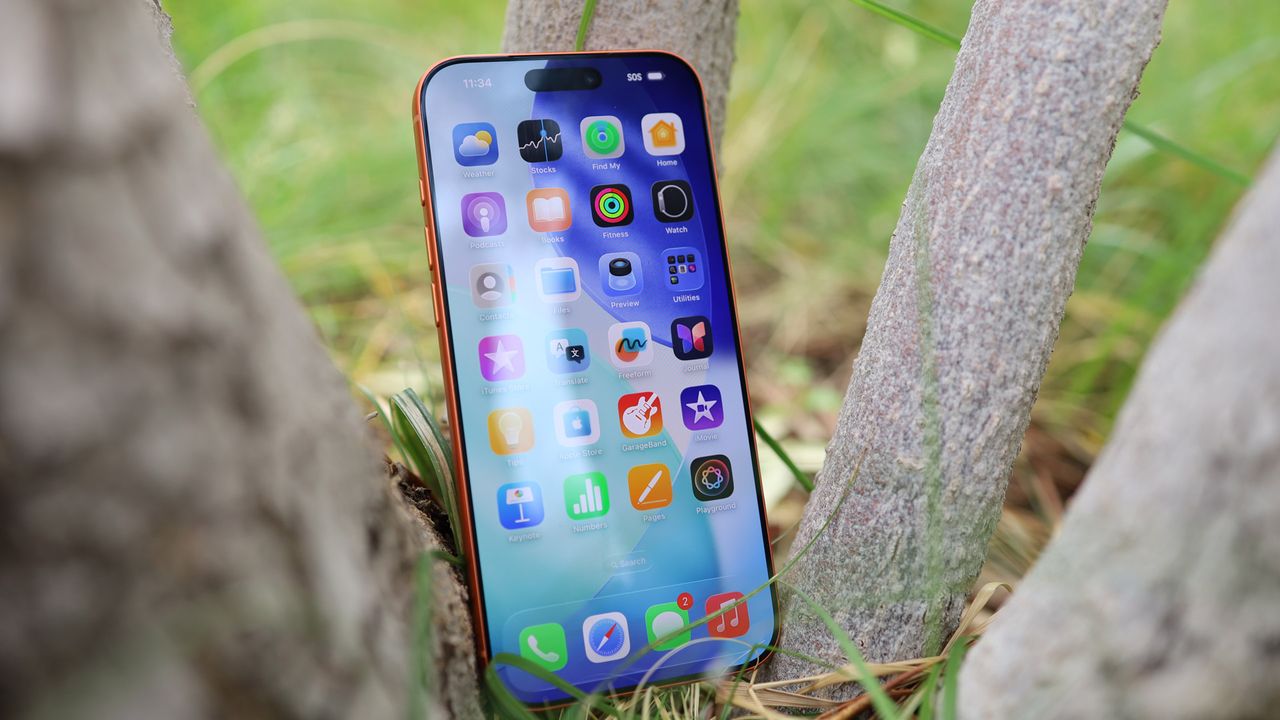
Apps are the lifeblood of smartphones, and with so many to choose from, we inevitably have our own favorites. As such, the apps I'm about to suggest might not be essential for everyone, but they are for me — and you never know, you might just fall in love with them too.
These are five of the iPhone apps I use most throughout my day, so they essentially define how I use my phone. For the most part, they’re also apps that I actively enjoy spending time in.
So, if they sound interesting to you, then they’re worth a download — especially as they all have free versions.
1. StoryGraph
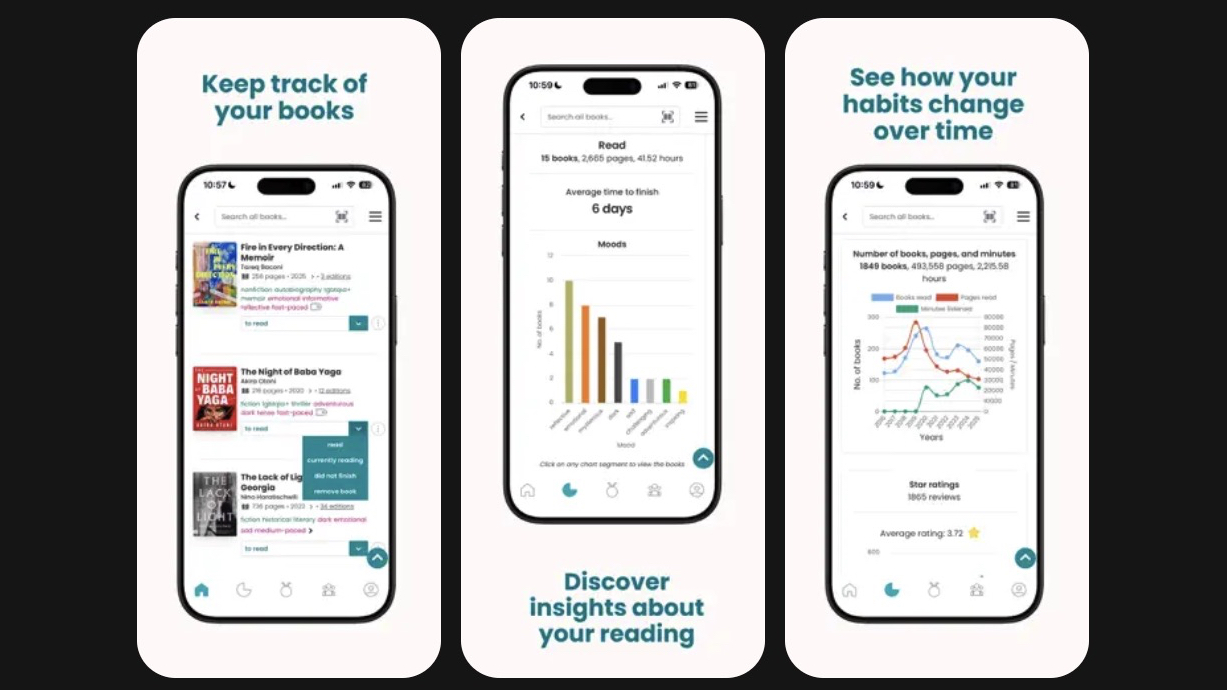
For a long time, Goodreads was my go-to app for logging what I’m reading, making lists of what I want to read, and finding new books, but recently I’ve largely switched over to StoryGraph.
It's a very similar concept to Goodreads but with an arguably more attractive, modern interface, and without the baggage of it being owned by Amazon — a brand I’m trying to interact with less.
But on top of that, StoryGraph also has far more stats and book details built into it, showing you things like the pace of a book, how plot-driven it is, whether it has strong character development, and more, all based on what readers have said.
You can also see how many books and pages you’ve read, how many books of each genre, what moods your books most commonly feature, how your reading has changed over time, and more. So, if you like stats, there’s a lot to dig into here.
Some features are hidden behind a StoryGraph Plus subscription, but the majority of the app is available for free.
2. Letterboxd
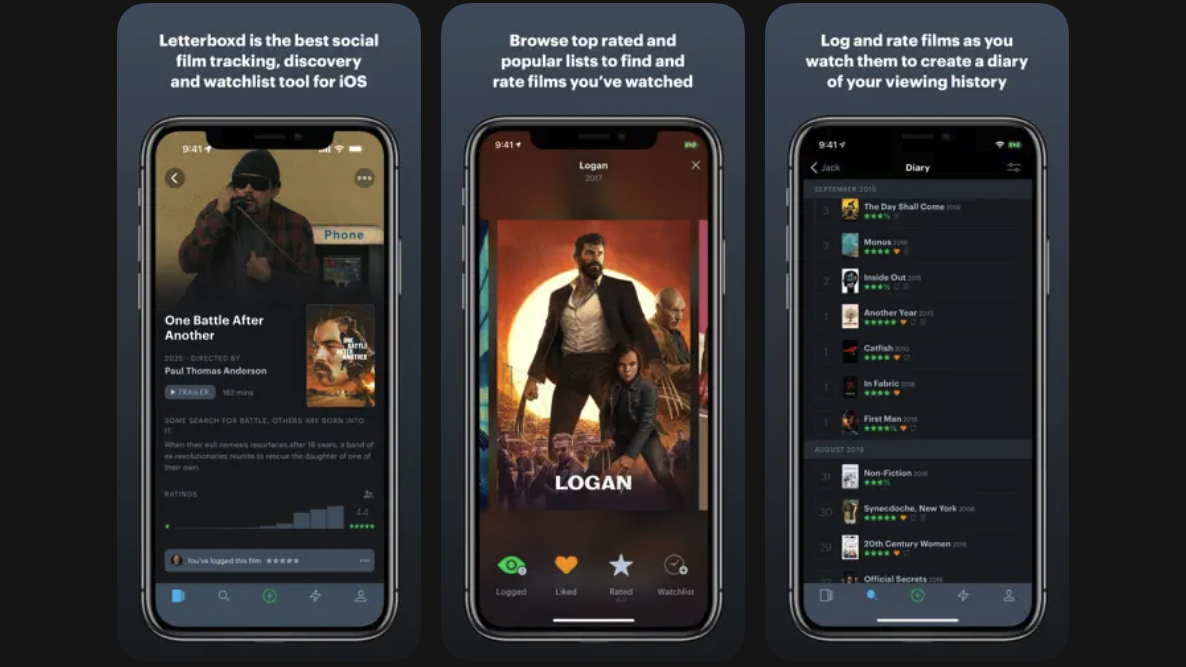
Unlike StoryGraph, Letterboxd is something I’ve been using for a very long time, and it’s a similar idea but for movies — so just as StoryGraph is an alternative to the bigger name Goodreads, Letterboxd is an alternative to IMDb.
But it’s more social and community-driven than IMDb, with user reviews very much being front and center of the Letterboxd experience. And as with StoryGraph, there is a wealth of stats available (though some of these are hidden behind a paywall).
You can see how many films you’ve watched, how many hours you’ve spent watching, the number of directors and countries you’ve watched films from, your most watched genres, your highest rated films from each decade, your most watched themes, and many, many other things.
Plus, of course, you can make lists, view lists created by other users, add films to your watchlist, and even rent movies — including sometimes films that aren’t available anywhere else.
3. Pocket Casts
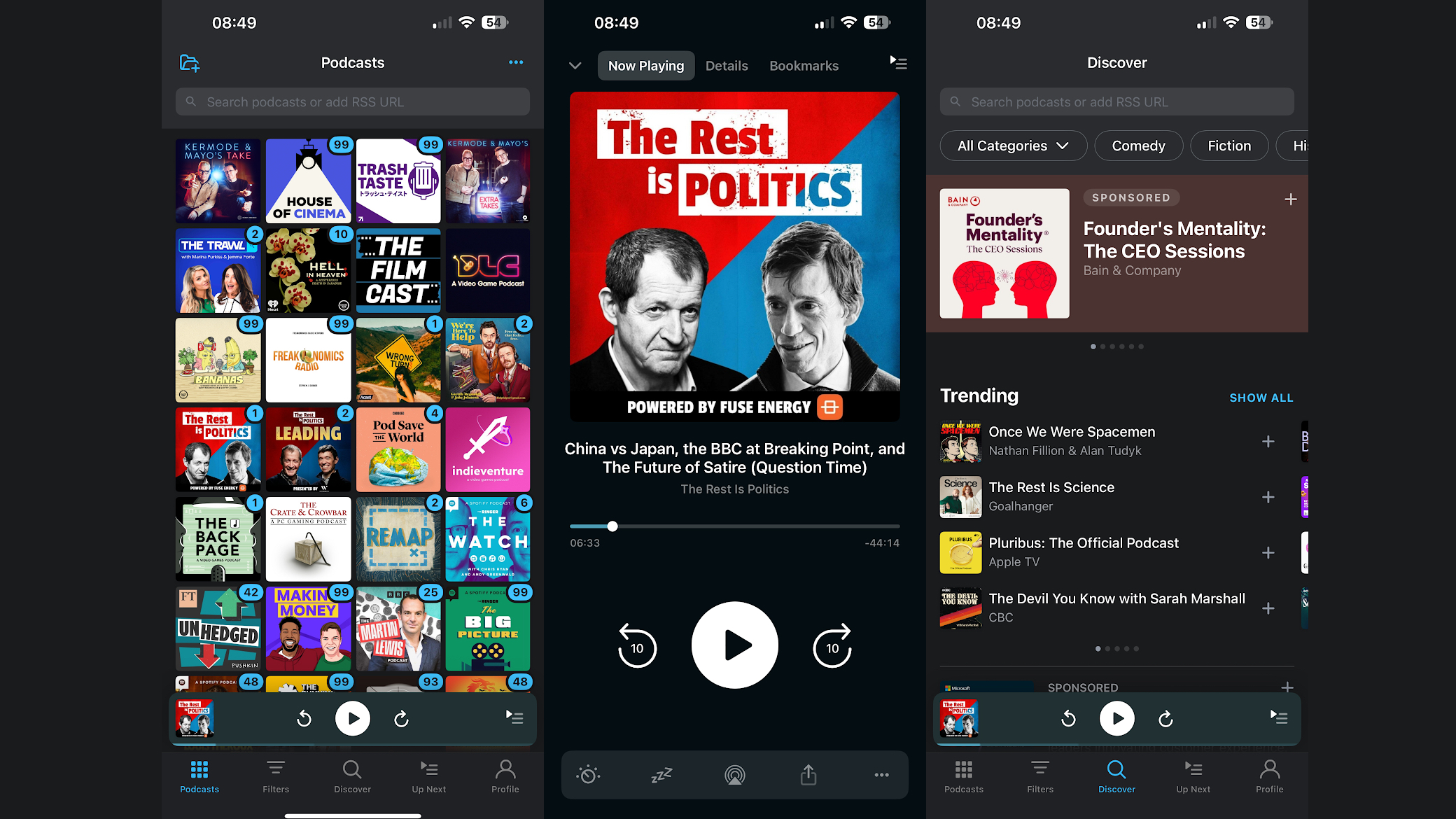
Podcasts are the soundtrack to much of my day, and Pocket Casts is my player of choice. I won’t pretend this is the only great podcast app, but if you’re unhappy with your current player, then it’s well worth giving this one a try.
Pocket Casts has been around for a long time, and it’s gradually gotten better and better, to the point where now, I can’t think of much that could improve it.
It has an attractive interface with good discovery tools, the option to sort podcasts into folders, both dark and light themes, playlist support, the option to change the speed, boost the volume, and trim the silence, a sleep timer, videos (where available), and more.
Plus, Pocket Casts works not just on iPhone but also on Android, Apple Watch, Mac, Windows, the web, and Sonos; it also supports CarPlay, Chromecast, and AirPlay, so you can listen to your podcasts just about anywhere.
4. Proton VPN
VPNs have always been advisable from a privacy perspective, but never more so than now, when countries like the UK are increasingly requiring you to hand over identification to access large parts of the internet — often outsourcing the data collection to companies that may or may not be responsible with it.
So, VPNs are one way to avoid that risk, but they also have other benefits beyond security and general privacy, such as letting you access streaming platforms that might either not operate in your region or have a different selection of content elsewhere.
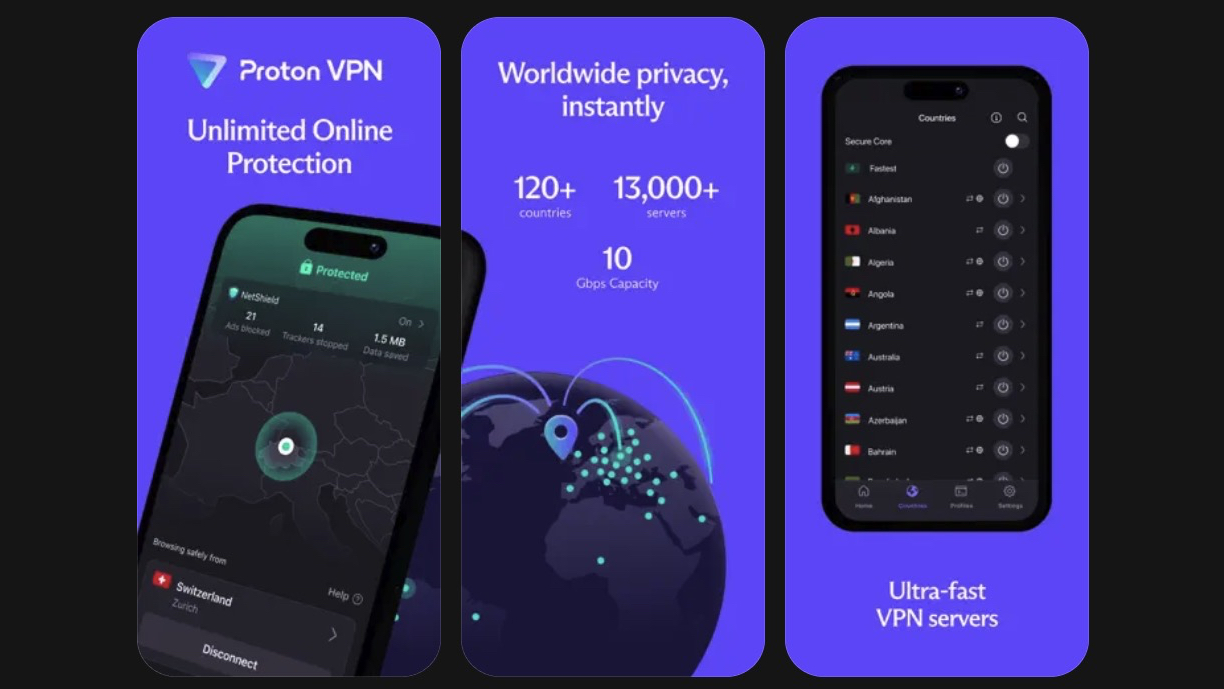
As for why I’m recommending Proton VPN in particular, I’m a big fan of Proton in general and also use some of their other services. They take privacy more seriously than some VPN companies, and their VPN has over 17,000 servers in over 120 countries, so it’s a good, reliable service, and I don’t notice significant speed drops when connected to Proton VPN either.
That said, there are plenty of other great VPN providers to consider (check out our best VPNs guide for our full list of recommendations), so while I stand by Proton VPN, my suggestion is more just to make use of VPNs in general.
5. Google Photos
Yes, Apple has its own Photos app built into iPhones, and it’s not bad. But for me, Google Photos is the superior option.
Part of that is because it works across various operating systems, so if I ever switch back to Android, I’ll still have ready access to all my photos. But even if you’re a lifelong Apple user, there are still advantages to Google Photos.
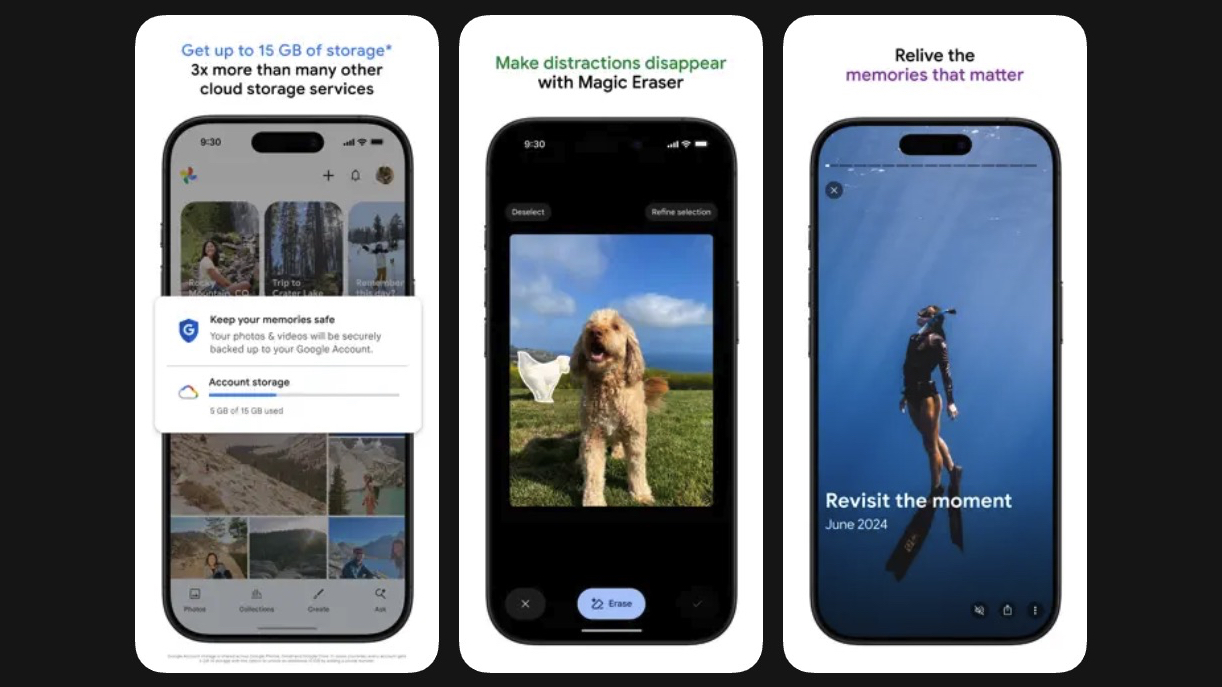
While both apps have a decent search function for finding photos through keywords, Google Photos does this best in my experience, and it comes with far more free cloud storage. So, if you want to back up a lot of photos, then Google’s offering is the clear winner there.
Ultimately, I find myself using both apps, but it’s Google Photos that I’m more passionate about — and that I’ll take with me to non-Apple devices.
This is a preview from the original publisher. Continue reading at the source:
Read Full Article on techradar.com →