

Why your peace lily isn't blooming — and the exact feeding method to fix it
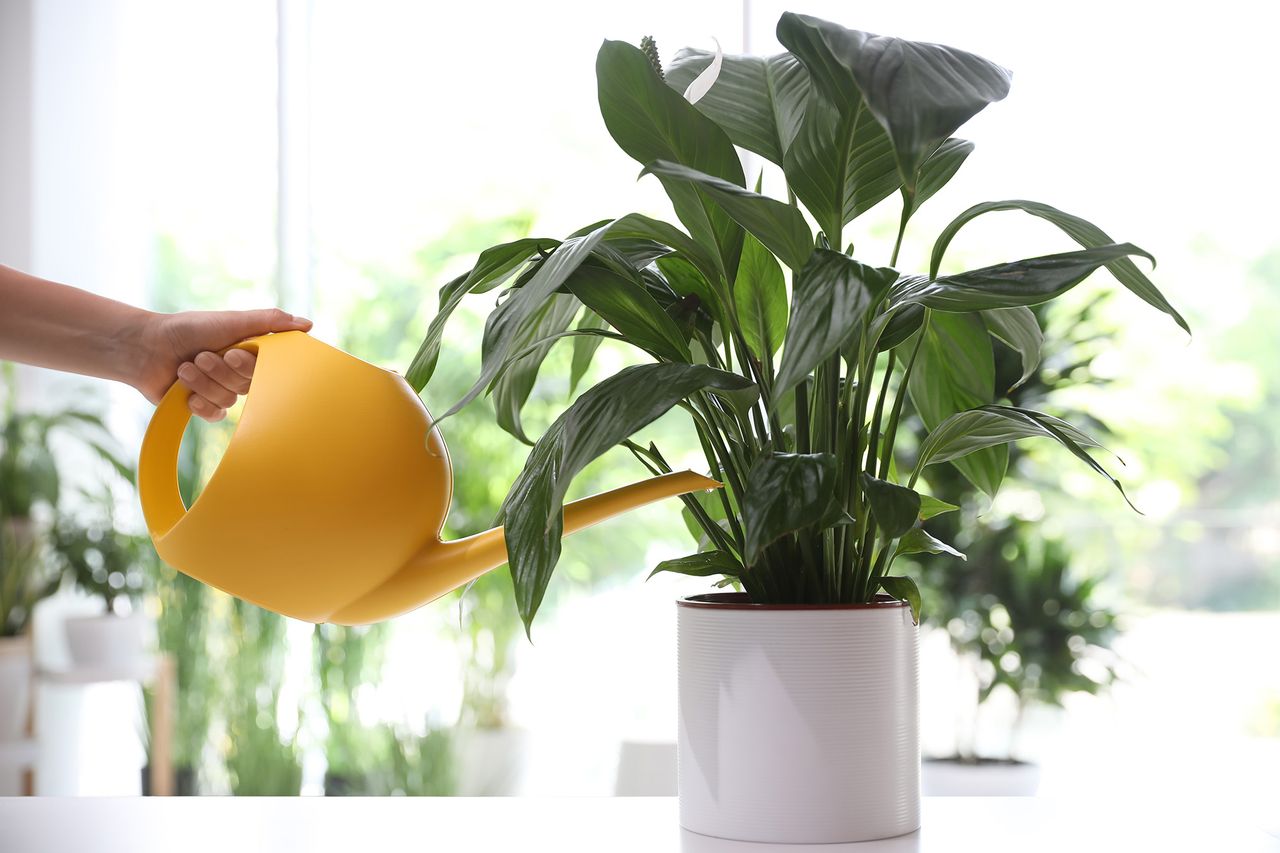
Peace lilies are forgiving houseplants until they're not. They tolerate neglect, bounce back from underwater watering, and look elegant in corners where other plants struggle.
But they have one non-negotiable requirement: regular feeding. Without it, those glossy green leaves start losing their shine, blooms become sparse, and your plant quietly declines into a sad, pale version of itself.
Get the timing and amount right, and your peace lily rewards you with vibrant foliage and those signature white flower spathes appearing constantly. Here's how to feed your plant so it actually thrives.
Feed during growth season
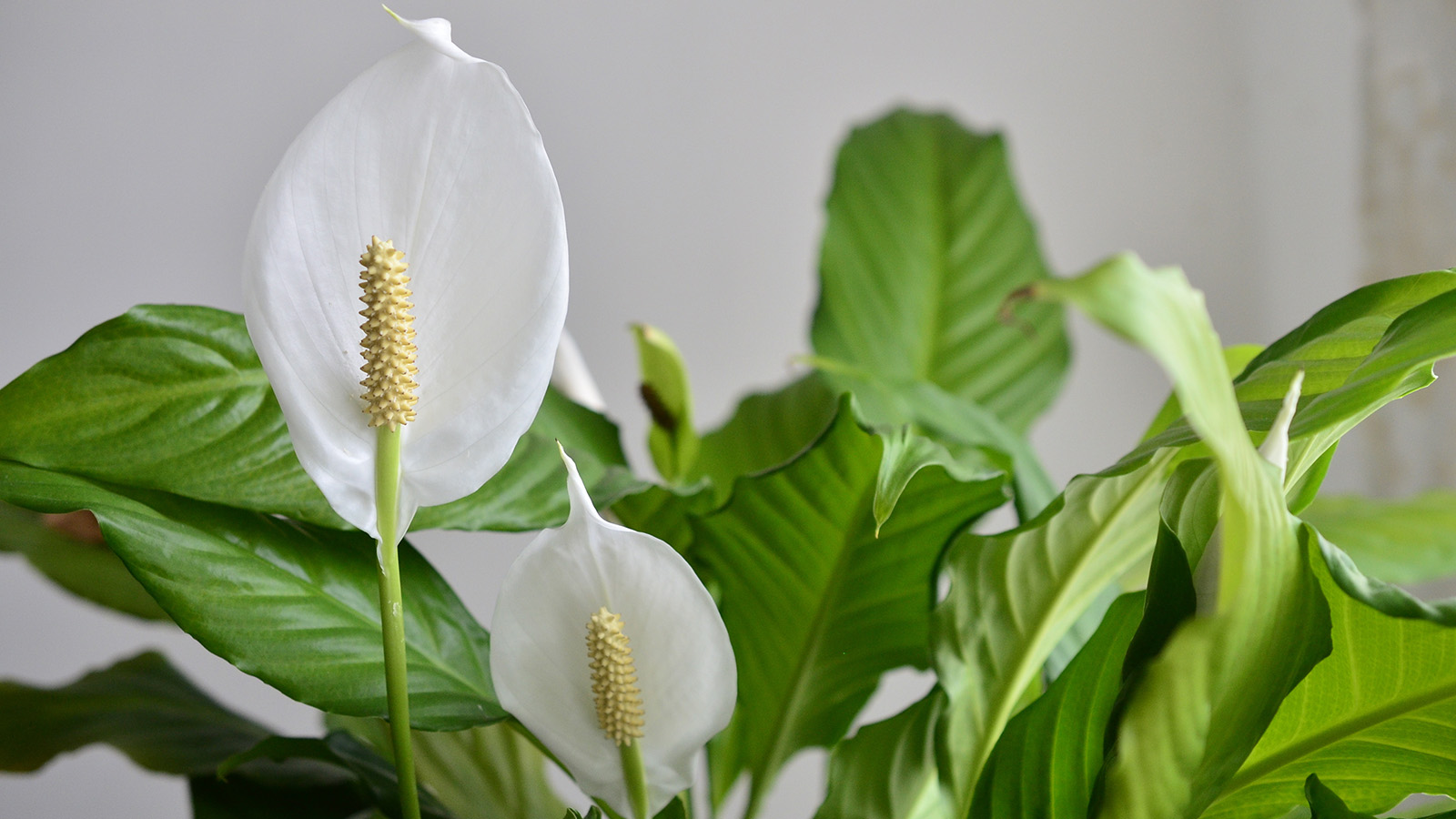
Peace lilies grow aggressively in spring and summer when days are longer and sunlight is abundant. This is when they need regular feeding, typically starting in late February or early March.
During these months, your plant actively produces new leaves and flowers, a process that demands consistent nutrients.
Conversely, you should stop fertilizing entirely in late fall and winter. Your plant receives less sunlight, grows slowly, and enters a natural dormancy where it needs far less nutrition.
If you use grow lights year-round, you can fertilize continuously since artificial light mimics constant growing conditions. But for most indoor gardeners, seasonally adjusting fertilizer prevents accidentally overfeeding the root system.
Option 1: Fast-acting water-soluble fertilizer
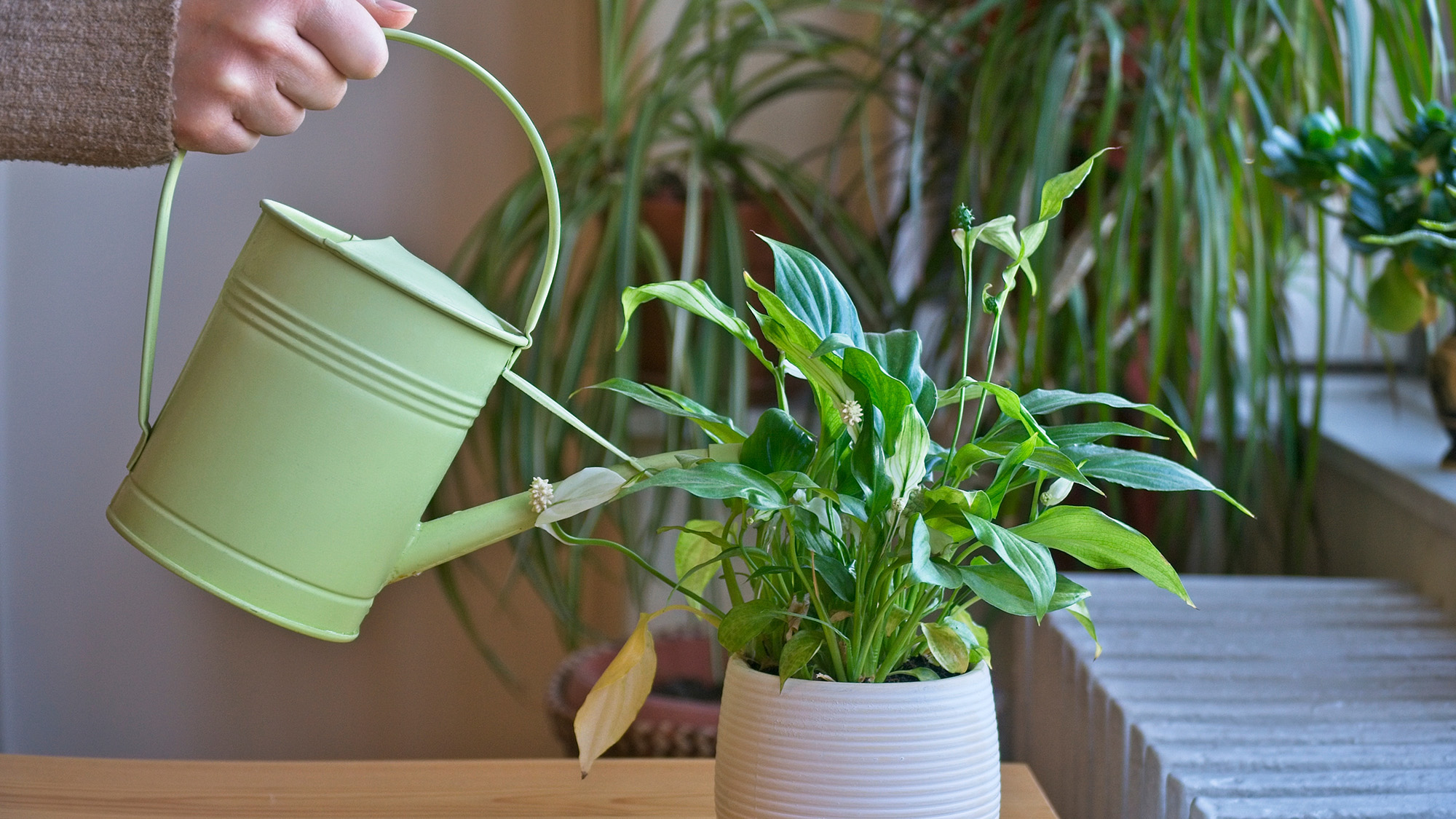
Water-soluble fertilizers give you immediate control and are perfect if you enjoy a hands-on routine. For peace lilies, look for a balanced liquid fertilizer with an equal nutrient ratio, such as a 10-10-10 NPK mix.
During the active spring and summer growing season, you will want to apply this mixture every two to four weeks.
To apply it correctly, mix the fertilizer into your watering can, but dilute it to half the strength recommended on the product packaging. Weak fertilizer applied consistently produces beautiful results without risking root burn.
Pour the mixture evenly around the base of the plant just like a regular watering, ensuring it saturates the soil without splashing directly onto the glossy leaves.
Option 2: Low-maintenance slow-release granules
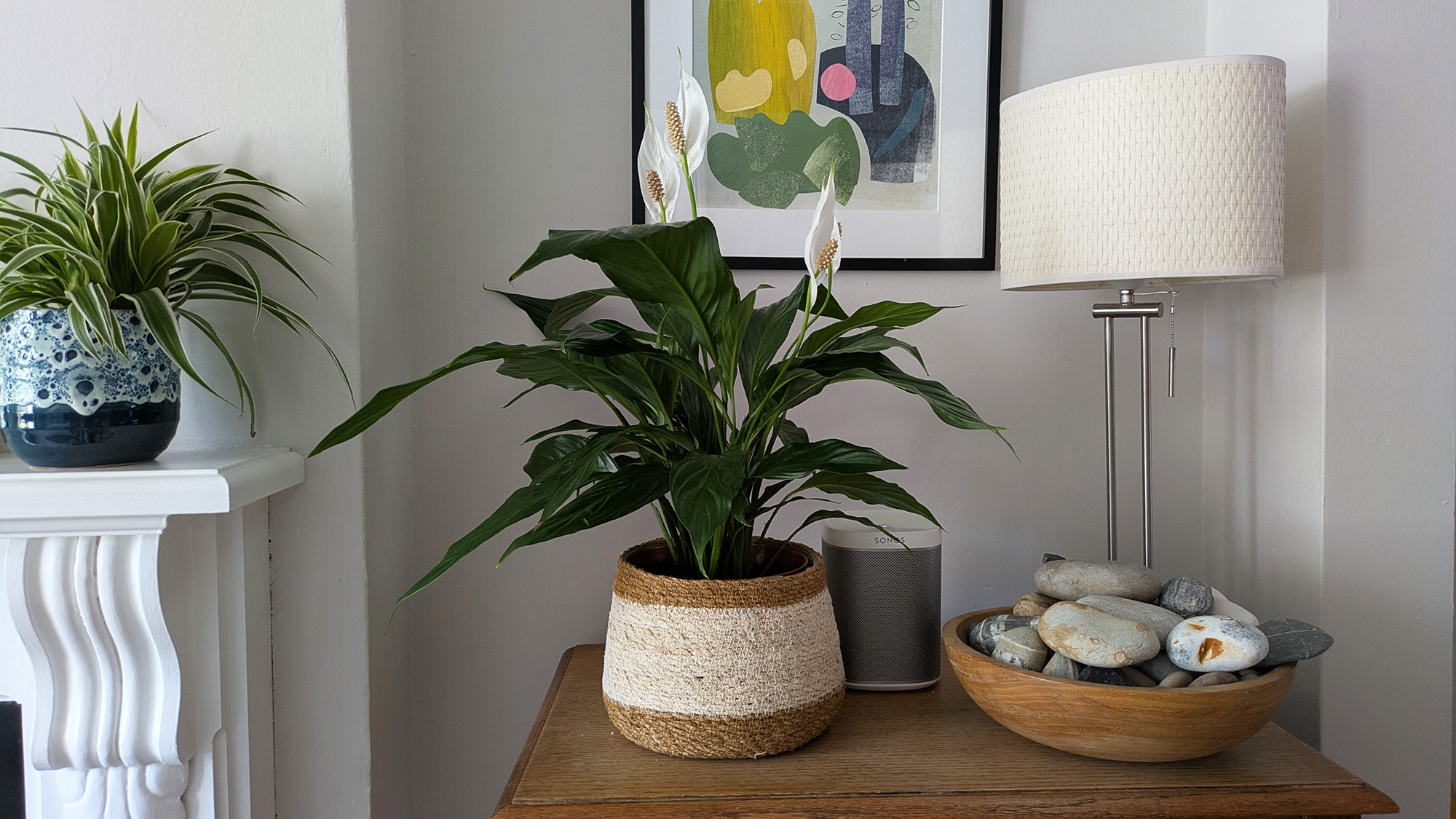
If you tend to forget routine plant chores, slow-release granules offer a highly forgiving alternative. These small pellets are designed to break down slowly, steadily releasing nutrients into the soil every time you water over the course of several months.
Because of this sustained release, you only need to apply them once at the start of the spring growing season.
To apply them, scatter the recommended amount of granules evenly across the top of your potting mix. For the best results, gently work the pellets into the top inch of soil using a kitchen fork so they are well integrated.
Once scratched into the dirt, they will completely automate your feeding schedule for the rest of the summer, eliminating any need for mixing or measuring liquids.

More from Tom's Guide
This is a preview from the original publisher. Continue reading at the source:
Read Full Article on tomsguide.com →