

First drones, now robot vacuums — the US government's ban on foreign robots is confirmed to include many of the best robovacs and robot lawn mowers on the market, and brands may have been caught off-guard
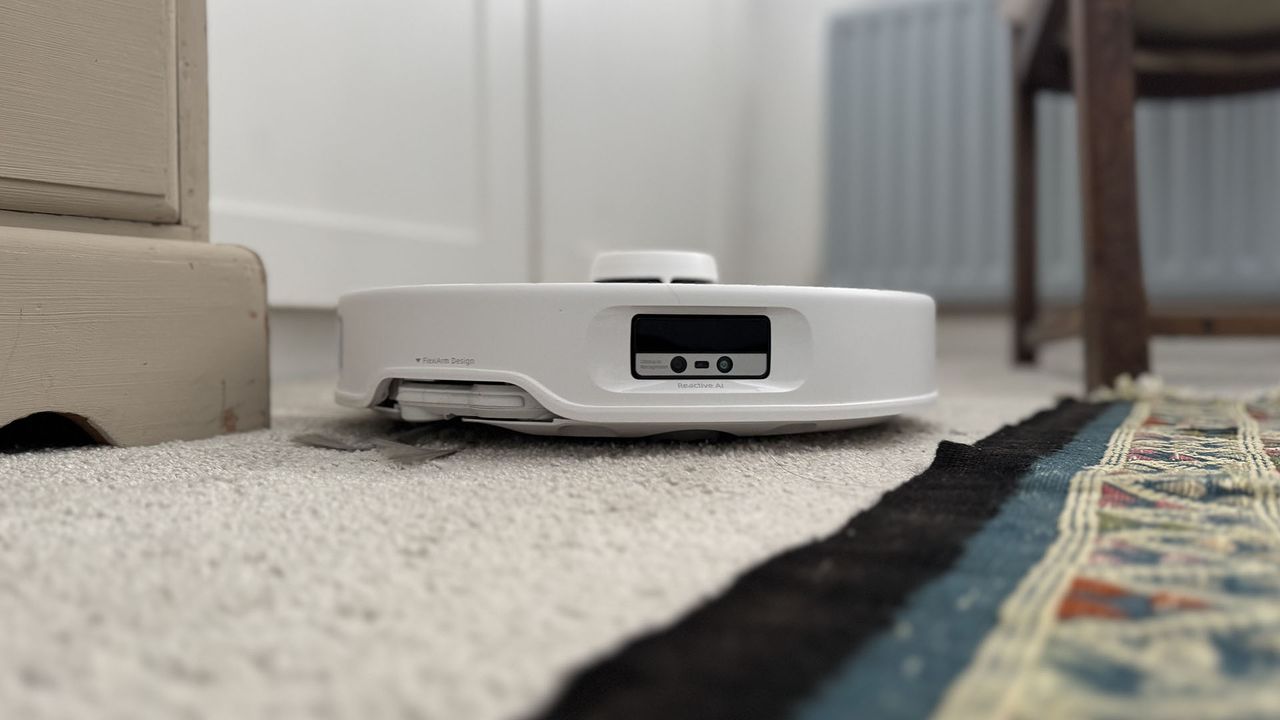
- Existing ban on drones and routers extended to "advanced" robots
- FCC has confirmed that robot vacuums are included
- No effect on products already authorized by the FCC for US sales
The US's latest ban on foreign hardware is coming for an unlikely target: robot vacuum cleaners and likely robot lawn mowers too.
The ban comes via the White House, which has extended its previous ban on foreign-made drones and Wi-Fi routers. The ban now includes foreign-made power inverters and "advanced robots" on the grounds that they pose a national security risk to the US.
If you're finding it hard to imagine Russia rigging your vacuum cleaner, or Iran invading the US via an army of lawnbots... yeah. Us too.
How will the ban on robot vacuum cleaners work?
The ban doesn't outlaw the use of robots that you already own, so you're not going to have to hand over your robo-vac to the authorities. However, it bans the sale of "advanced robotic devices".
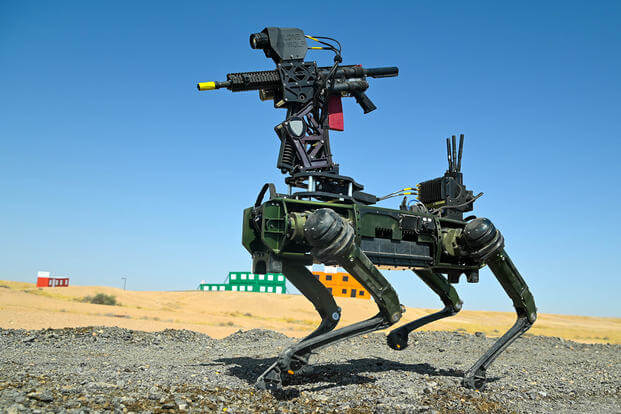
The definition of advanced robotic devices refers specifically to "autonomous mobile robots, humanoid robots, and quadrupeds" that can move around, avoid obstacles and weigh 4.4lbs or more including any ground station or docking station. Many robot vacuums and lawn mowers meet those criteria, and the FCC has confirmed to PC Mag that the ban does indeed apply to cleaning robots.
This is bad news for the big robot brands such as Ecovacs, Roborock and Dreame; the top five US robot vacuum brands are all Chinese, and therefore fall under this ban, so we contacted them for comment.
"We are aware of the FCC’s recent update," Eric Villines, Chief Communications Officer at Anker Innovations (the parent company of Eufy), told TechRadar. "Based on our current understanding, the new rule does not affect the continued availability, use or support of products we currently sell in the United States. Those products remain available and will continue to receive updates and customer support,
"Like others across the industry, we are seeking further clarity on how the rule will be applied to future products, and we will keep our customers informed. We remain committed to complying with all regulatory requirements in every market where we operate."
Several other smart home brands declined to comment at this early stage, but we get the general impression that this news might have come as something of a surprise.
Can you keep using your robovac?
There is one bit of sunshine in this cloud, however: the ban is not retrospective, so if a robot already has FCC authorization to be sold in the US that's fine. The ban does not prevent retailers "from continuing to sell, import, or market relevant models approved previously."
That said, PC Mag identifies a separate FCC order that says existing robot vacuums and similar products "may continue to receive software and firmware updates that mitigate harm to US consumers at least until January 1, 2029." If the FCC decides not to extend that then it's just put a countdown clock on any new Chinese-made robot vacuums sold in the US.
For the affected manufacturers, the next step will be to lobby the FCC in the hope of gaining an exemption for some or all of their products: after all, there's a big difference between a self-driving, self-cleaning mop and a robot dog capable of carrying an AR-15. However, so far there haven't been any exemptions for major Chinese drone or router manufacturers so the future is not looking very bright for the affected companies.
Thinking of buying a new TV?
Try our TV size and model finder! You tell it how far you sit from your TV, we'll tell you what size to buy based on viewing angle advice from image quality experts, and we'll recommend our three top TVs at that size for different prices.
This is a preview from the original publisher. Continue reading at the source:
Read Full Article on techradar.com →