

I just went hands-on with the Garmin Cirqa — and it strikes a near-perfect balance between the Fitbit Air and Whoop 5.0
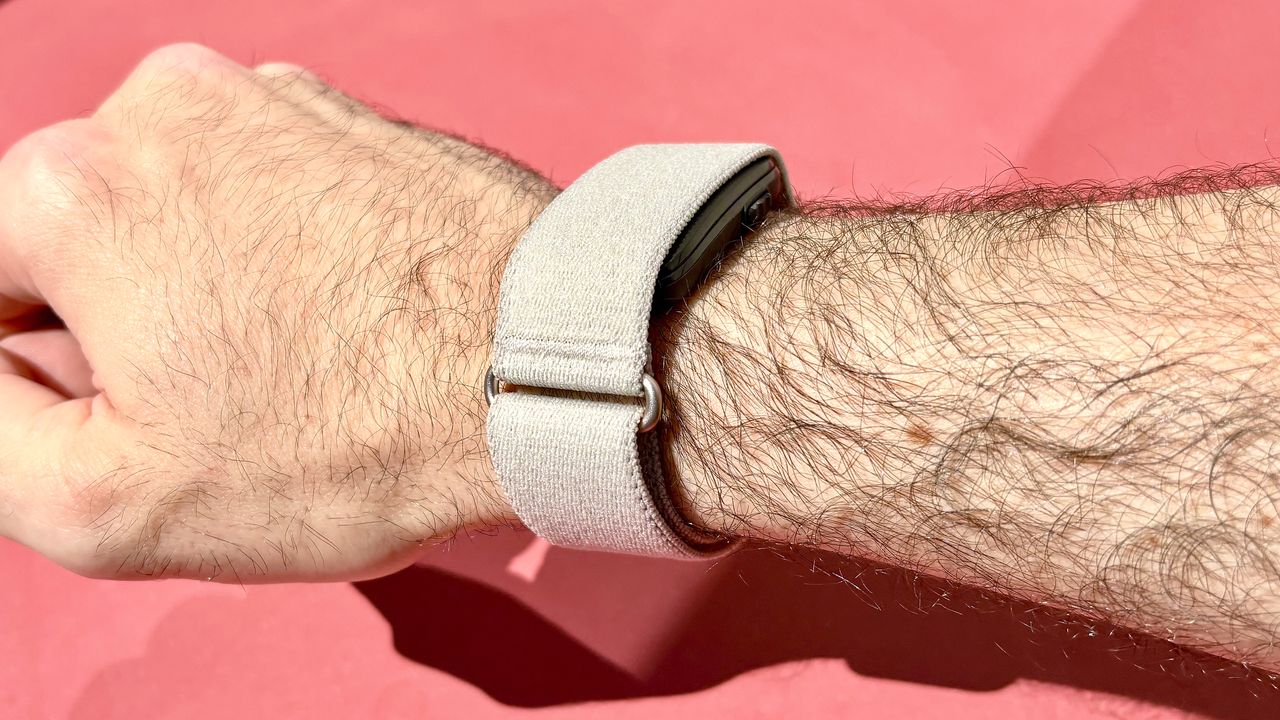
Garmin has officially entered the screen-free fitness tracker/band wars with the debut of the new Garmin Cirqa, a $199, subscription-free wearable with haptic feedback, up to ten days of battery, and a single button.
I’ve been wearing the Cirqa for just a few hours, but I can already say with some certainty that both Google/Fitbit and Whoop should be a bit worried. While the $99 Fitbit Air is aimed at enthusiasts and the subscription-only Whoop 5.0 is geared more toward serious and pro athletes, the Garmin Cirqa seems to strike a delightful balance between the two, in terms of features, cost, and specs.
Here are the five biggest things you should know about the Garmin Cirqa based on my hands-on experience, including why it just might make my list of the best fitness trackers in 2026.
Garmin Cirqa: Cheat sheet
- Price: $199 with core feature subscription-free; the optional Garmin Connect+ plan is $6.99 a month or $69.99 a year
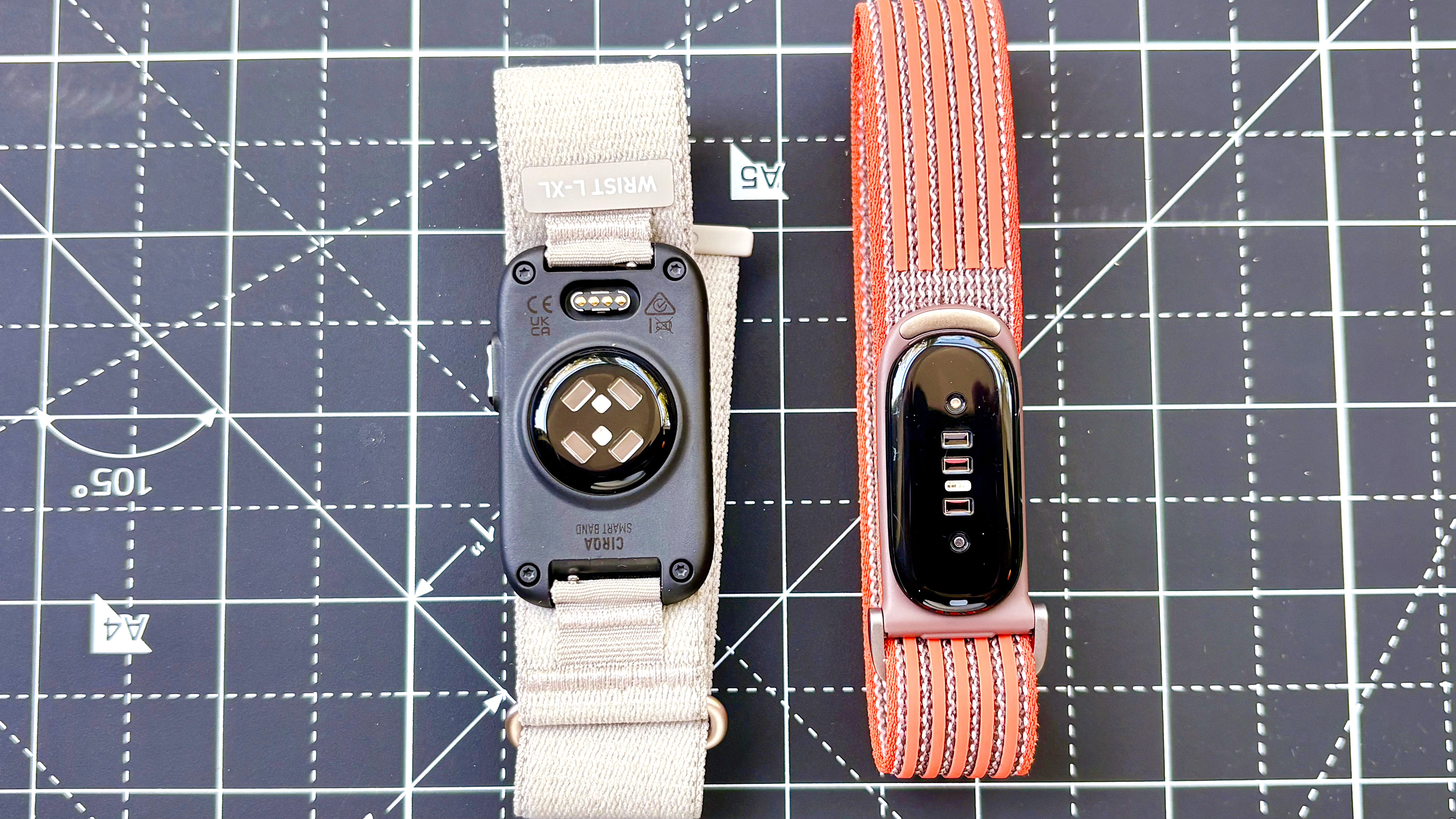
- Design: Screen-free, the Cirqa is a lightweight, plastic fitness tracker with a single button, haptic feedback, and... that's it; it's bigger and heavier than the Fitbit Air but smaller and lighter than the Whoop 5.0
- Health features: Comprehensive sleep reports, women's health tracking (with support for the Natural Cycles app), 24/7 heart rate monitoring, Sp02 readings, jet lag advisor
- Fitness features: Supports 80+ workout types with support for auto-workout tracking for popular exercises; users can manually start and stop a workout using the physical button
- Battery life: Garmin promises up to ten days per charge, a little less than the Whoop 5.0 (14 days) but more than the Fitbit Air (7 days)
Garmin Cirqa: Versus competition
|
Garmin Cirqa |
Fitbit AIr |
Whoop 5.0 |
|
|---|---|---|---|
|
Starting price |
$199 |
$99 |
Free with subscription |
|
Subscription cost |
Optional; $6.99 a month or $69.99 a year |
Optional; $9.99 a month or $99 per year |
$199, $239 or $359 per year depending on tier |
|
Dimensions (without strap) |
47 x 17 x 9 mm |
35 x 17 x 8 mm |
35 x 24 x 11 mm |
|
Weight (without strap) |
14.8 g |
5.2 g |
26.5 g |
|
Sensors |
Heart rate, SpO2, Skin temp, Accelerometer, Gyroscope |
Heart rate, SpO2, Skin temp, Accelerometer, Gyroscope |
Heart rate, SpO2, Skin temp, Accelerometer, Gyroscope |
|
Water resistance |
50 meters |
50 meters |
10 meters |
|
Battery life |
10 days |
7 days |
14 days |
|
Compatibility |
Android, iOS |
Android, iOS |
Android, iOS |
1. Garmin Cirqa: Cheaper than the Whoop but more than the Fitbit Air
Priced at $199 via Garmin direct, the Garmin Cirqa is twice the cost of the $99 Fitbit Air, but still pretty affordable (for a Garmin). However, unlike Google, which sells additional Fitbit Air straps starting at $34.99, accessory straps for the Garmin Cirqa start at $49.99.
2. Garmin Cirqa: No subscription required
Similar to the Fitbit Air, the Garmin Cirqa is a one-and-done affair in terms of cost. Once you have it, all of the core health and fitness features are yours to use without the need to pon subscription.
However, for added insights and training advice, Garmin offers the Connect+ plan for $6.99 monthly or $69.99 annually. That's a better value than the Google Health Premium plan for the Fitbit Air, which will set you back $9.99 a month or $99 a year.
Whoop takes a different approach to pricing, where users get the device itself on the house but pay a much higher annual subscription cost ranging from $199 to $359 depending on the tier.
3. Garmin Cirqa: Bigger than the Air but still light and comfy
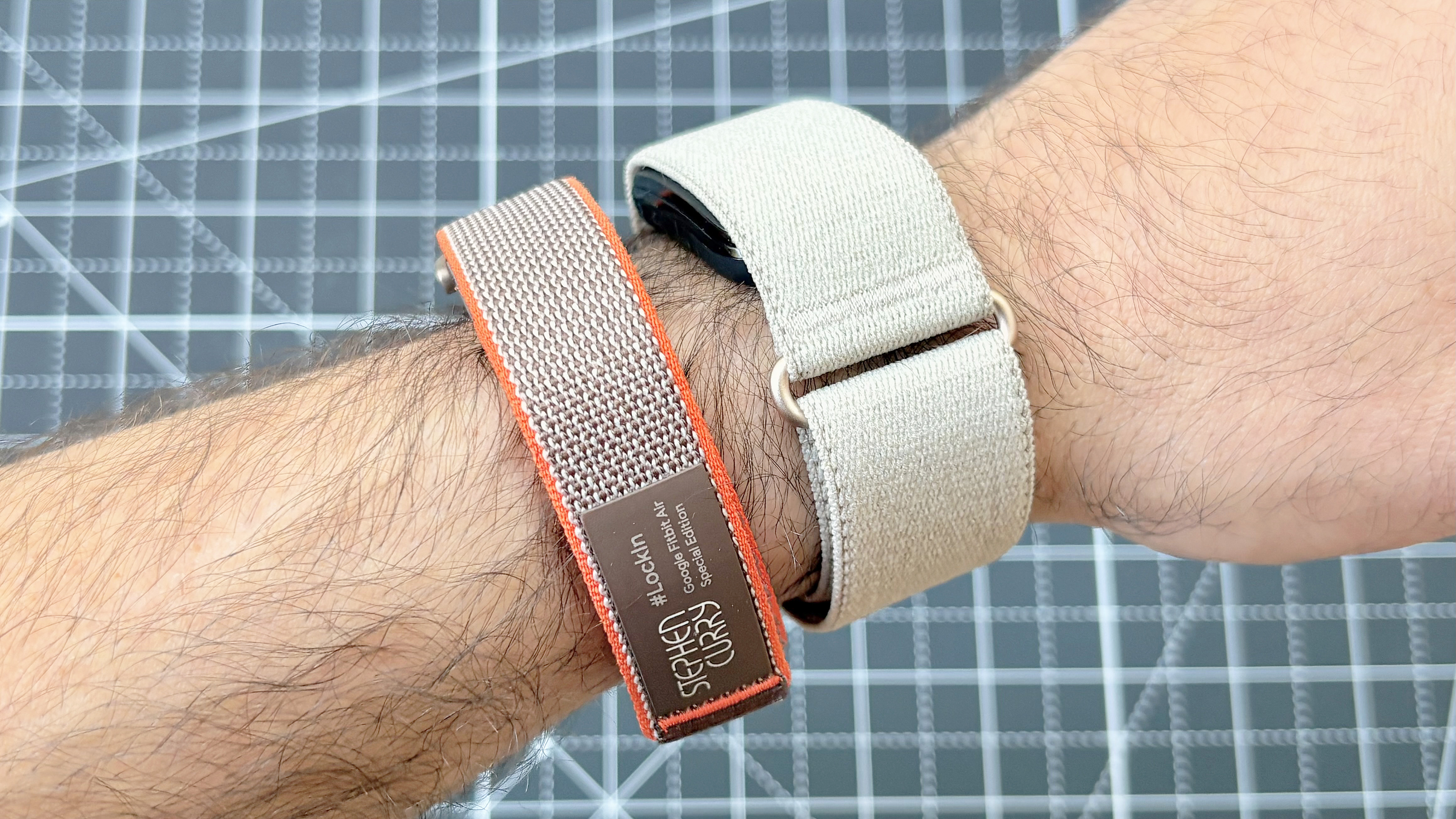
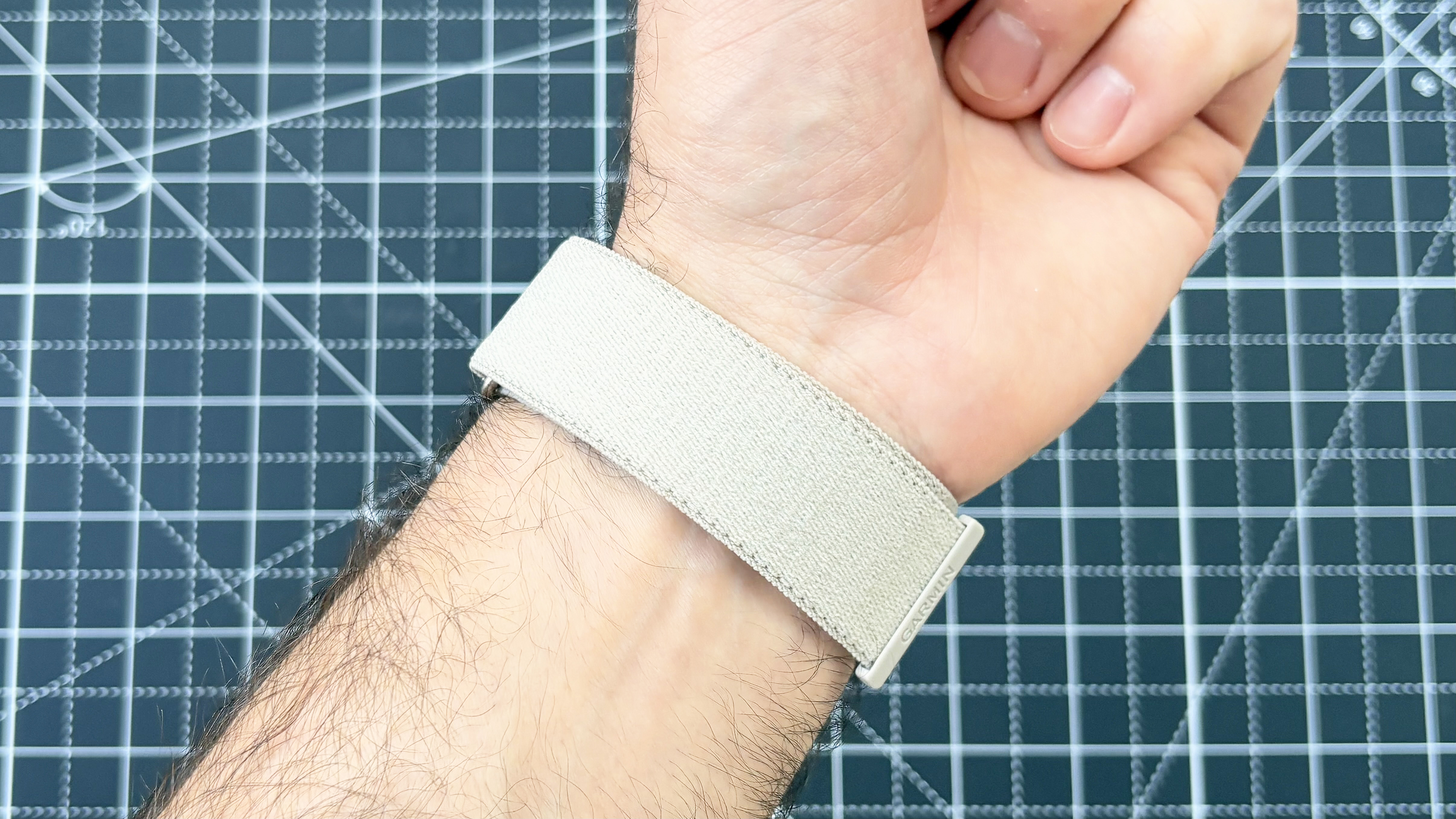
The Garmin Cirqa is bigger and heavier than the Fitbit Air, with a noticeably wider strap (24 mm vs 18 mm). Compared to the Whoop 5.0, it's roughly the same shape and size, but a whole lot lighter.
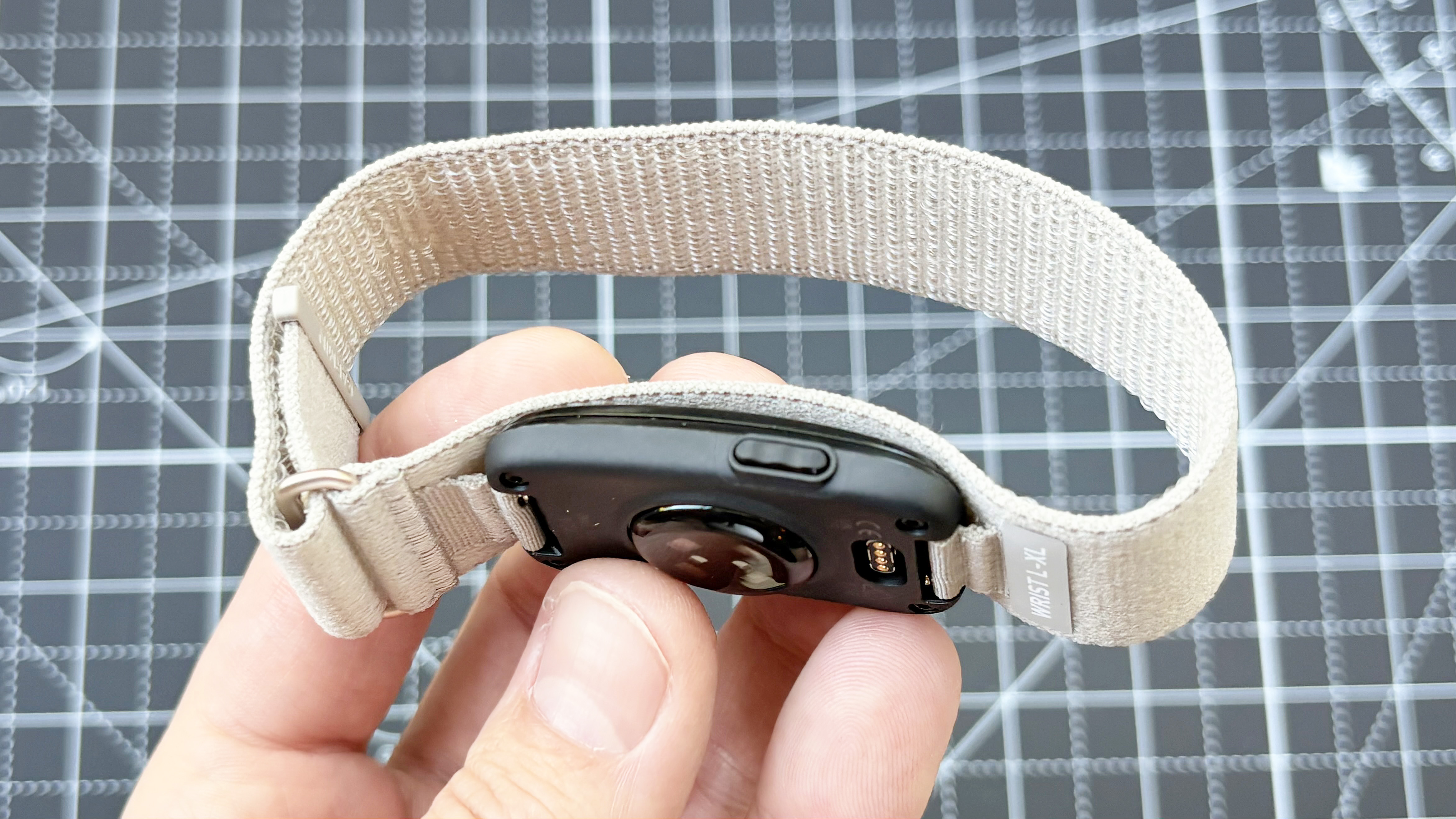
The Garmin Cirqa fabric strap is a tad scratchy for my liking, based on first impressions, but I am hoping it will soften a bit over time. Like the Whoop 5.0 and Fitbit Air, the device itself — a plastic case with a sensor array, status lamp and single button — is protected by the strap.
Unlike the Fitbit Air, swapping one strap for another on the Garmin Cirqa is a pain in the butt. I had to use a dedicated watch spring bar tool to get the job done. The spring bars are also an oddly thin length, limiting third-party strap options.
4. Garmin Cirqa: No GPS, but lots of holistic insights and tracking modes
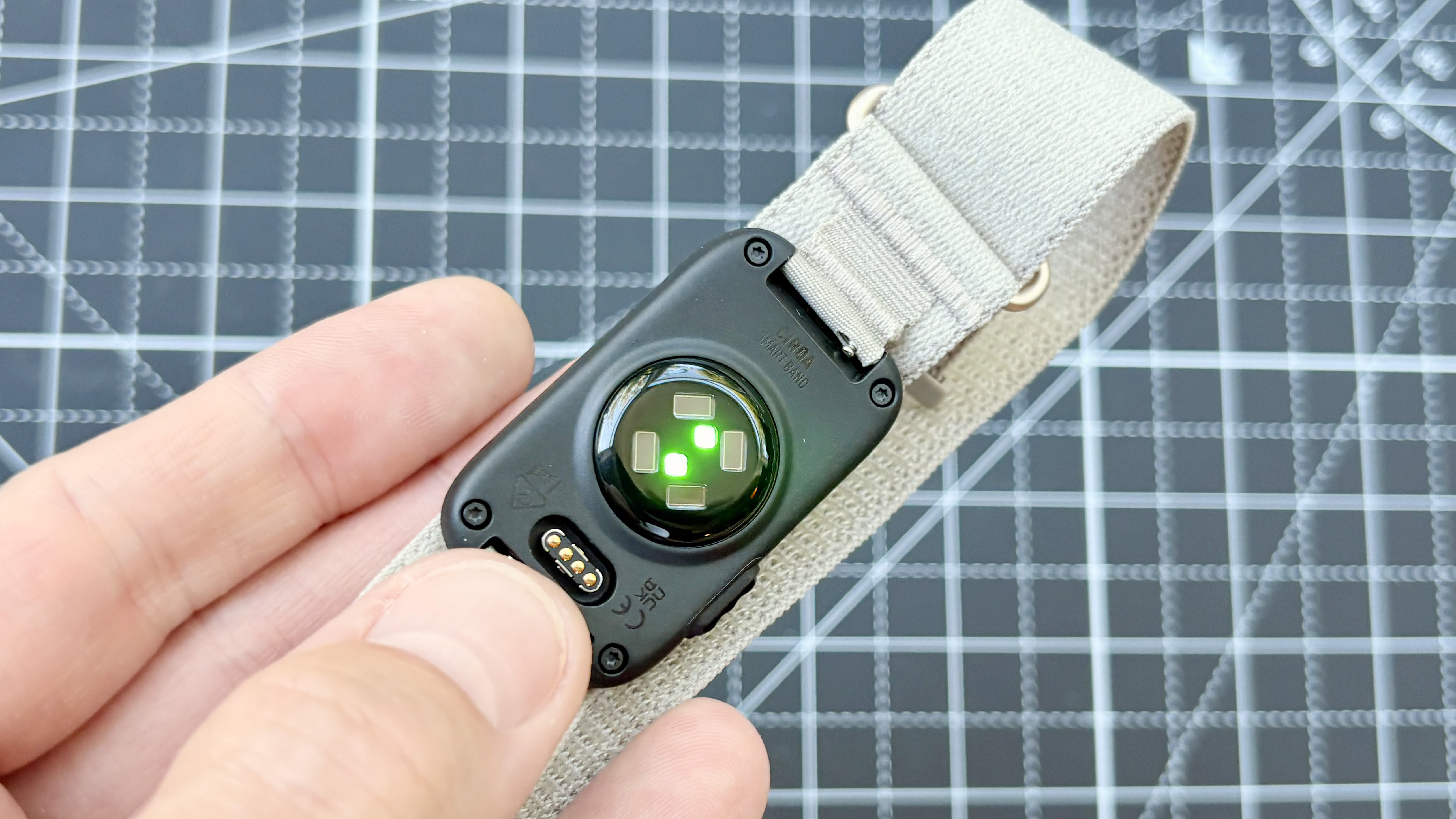
Garmin smartwatches and wearables offer some of the most comprehensive, subscription-free sleep insights around. And even though the Cirqa is not FDA-approved to detect potential signs of sleep apnea, it does monitor your breathing while you snooze, along with your heart rate, body temperature, and movement.
Users are greeted each morning with a numeric sleep score out of 100, along with detailed insights into sleep cycles, disturbances, and more. The Cirqa also boasts a skin temperature sensor, which is used for both women's health tracking and early illness detection.
In terms of fitness tracking, the Cirqa supports over 80 common workout types, including winter sports, team sports, and common gym workouts. Users can pre-program up to ten of their favorite activities for quick access in the Garmin Connect app.
Unlike the Fitbit Air or Whoop 5.0, manually starting a workout with the Cirqa doesn't require a trip to the app. Users can start and stop workout tracking with a press of the device's only button. Haptic feedback confirms when your efforts start and finish. You can additionally schedule vibration-based alarms in the companion app.
5. Garmin Cirqa: Ten days of battery
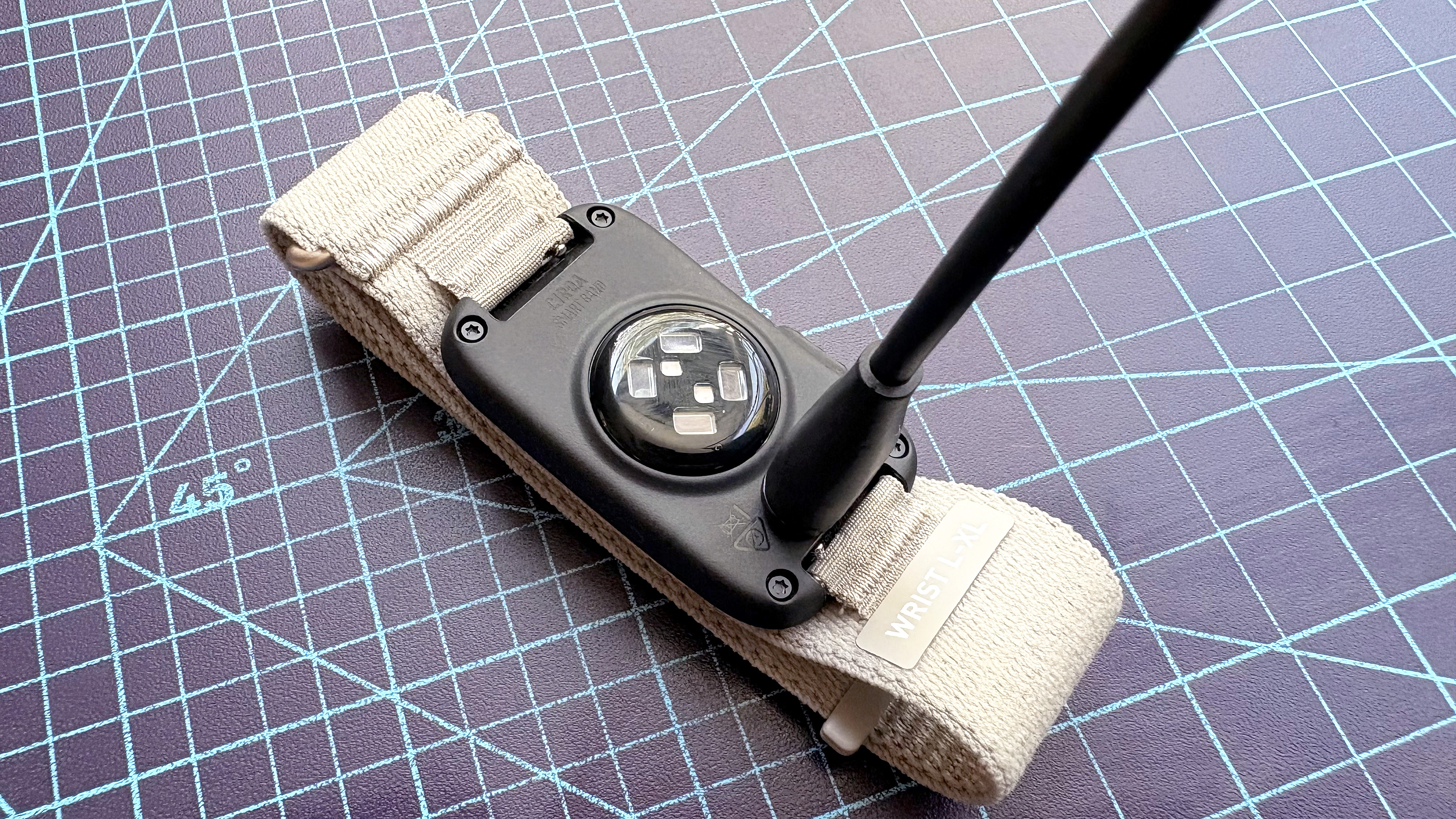
Garmin says the Cirqa's battery should last up to ten days per charge, which puts its longevity squarely between the Fitbit Air at seven days and the Whoop 5.0 at 14 days.
With my official battery test underway, we should know soon whether or not the Cirqa lives up to its ten-day rating. Oh, and it uses the same exact charging cable as every other modern Garmin watch, something I love to see.
Garmin Cirqa: Outlook
As noted in the title, the Garmin Cirqa seemingly strikes a compelling balance between the entry-level Fitbit Air and the pro-level Whoop 5.0. Like the Fitbit Air, it's reasonably priced and doesn't require a subscription. It's not quite as small or light as the Air, but it does have better battery life.
Like the Whoop 5.0, the Garmin Cirqa should easily last for over a week per charge, while delivering heady fitness, sleep, and workout recovery insights that go beyond what the Fitbit Air provides.
Stay tuned for my full review of the Garmin Cirqa screen-less fitness tracker. In the meantime, what are your thoughts on Garmin's latest wearable? Let me know in the comments below.
More from Tom's Guide
- I'm a smartwatch reviewer, and here's my Apple Watch Series 12 wish list — three upgrades I want, and one I don't
- Leaked Apple Watch 12 design change is the opposite of an upgrade — and that has me worried
- Samsung Galaxy Watch Ultra 2 needs these 3 upgrades to convince me to switch from my Apple Watch Ultra 3
This is a preview from the original publisher. Continue reading at the source:
Read Full Article on tomsguide.com →