

It's friggin' hot! The 5 devices I'm using to keep my home (and my pets) cool this summer


Not only am I an editor at Tom's Guide, but I'm also a homeowner and a parent. I've been testing smart home devices in and around my house for years. I'm the guy with the 20-foot inflatable skeleton at Halloween, the guy with the robot lawnmower prowling his yard, and the guy with a massive battery backup in his basement.
This column is going to take a look at tech, tools and tips for your kids, your pets, and anything else that could make your house more fun and functional.
This summer has been hot, with record-breaking temperatures all across the globe. Europe was baking with 100-plus-degree heat, while back here in the U.S., we weren't doing much better. At least we have air conditioning!
Unless we're suddenly plunged into another ice age, summers are only going to get hotter — and our bills will continue to rise — so we need to find better, and more efficient ways of keeping our homes cool without emptying our 401(k)s.
Over the past few years, I've tested a number of smart air conditioners, smart thermostats, and fans, so I've found a few things that really help to keeping myself, my family, and my house at a comfortable temperature.
In the house
Keeping cool for the summer
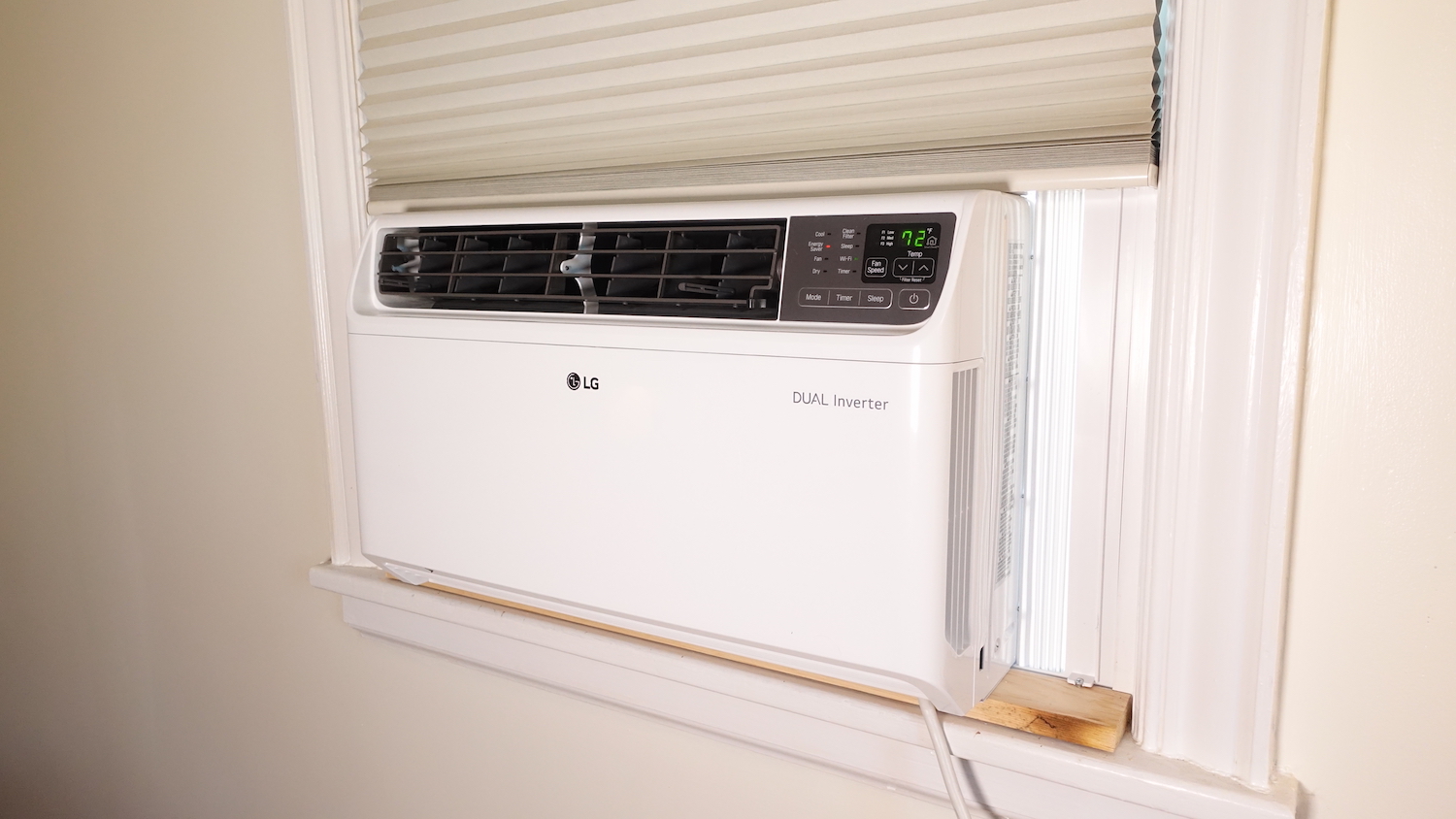
My house doesn't have central air, so we rely on window air conditioners to keep things cool during the summer. It offers me an excellent opportunity to test the best smart air conditioners; I've been using the LG Dual Inverter window air conditioner for about seven years now, and it's shown no signs of stopping.
Even though I don't have central air, I do have an Ecobee Premium smart thermostat, which controls the heat in the winter. However, during the summer months, I can still put it — and its remote sensors — to use, by creating a smart home routine to activate my window air conditioners if things get too hot.
For example, my attic doubles as my office, so there's a lot of electronics up there. If I'm not around, I want to make sure things don't overheat, but I don't want to use a ton of energy cooling it to what I would consider comfortable. So, I created a smart home routine that will cool my attic to around 85 degrees F, but only if no one is up there.
Of course, you can use lots of different devices to act as remote temperature sensors, such as the Amazon Echo Dot. My colleague, Anthony Spadafora, has even used one to monitor the temperature in his garage to keep it cool.
You can also use a less expensive sensor, like the $9 IKEA Timmerflotte. The latter is even Matter-compatible, and while others have had difficulty in connecting IKEA's new smart home devices, I was able to add them pretty easily to my Apple Home setup. I tried all of IKEA's smart home devices, and two really stood out to me.
Wife check
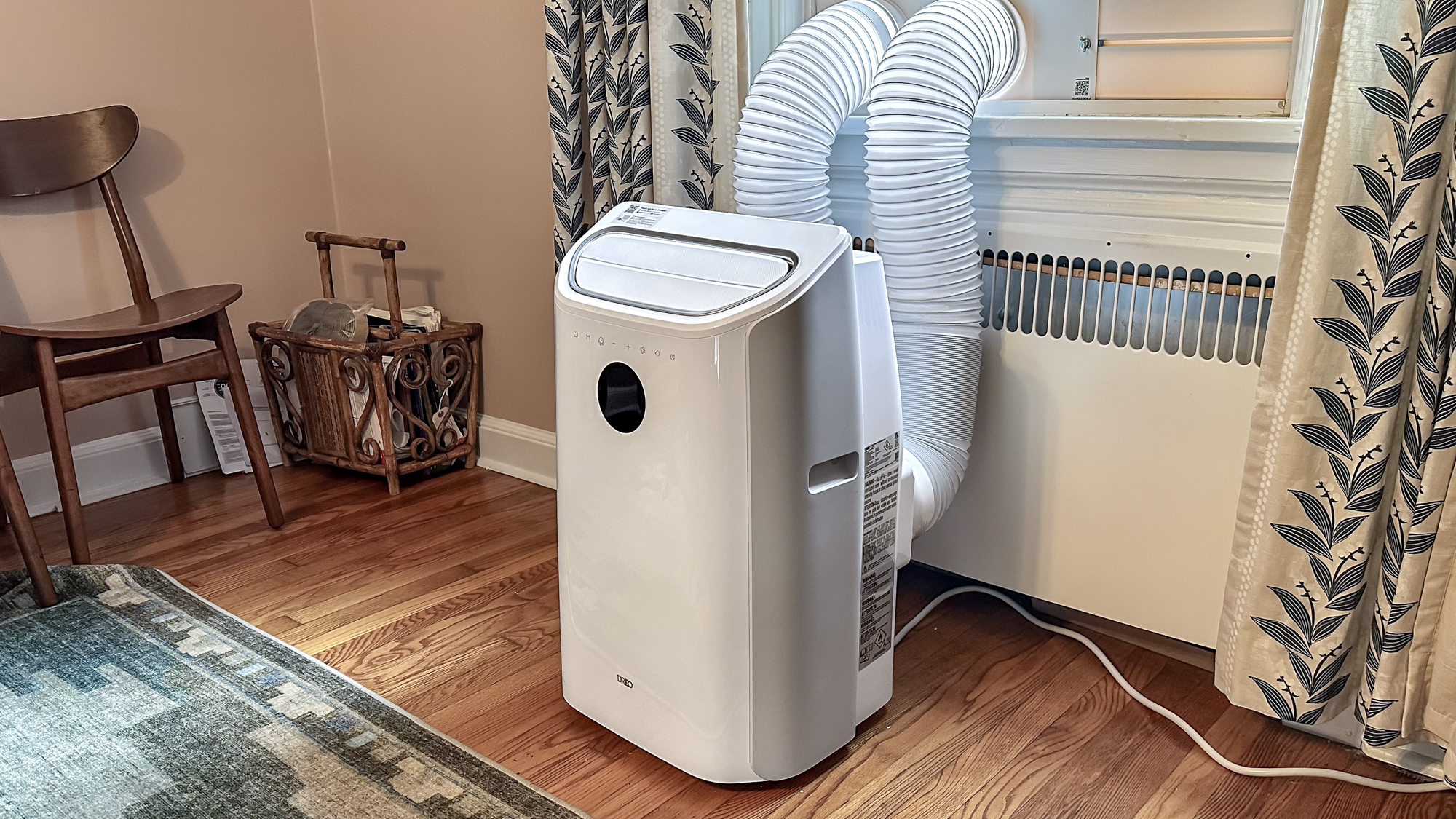
The biggest issue with the LG air conditioner? It's super-heavy (around 90 pounds), so I need my wife's help to put it in the window, and then take it out in the fall. To ease her (and my) burden), I decided to test the Dreo 740S portable air conditioner — the first portable model I've tested.
I've had it installed since early June, and it's seen us through a couple of heat waves, where the outside temperature was in the upper 90s. But while I've been pleased with its performance (and the fact that I can simply wheel it around), my wife pointed out that its hoses not only take up a ton of space, but they don't really look great, either.
Yes, it's far easier to install, and it's one of the most efficient portable air conditioners, but aesthetics do matter. It's not something I might have noticed on my own, which is why it's been great to have a second opinion.
Making your yard work
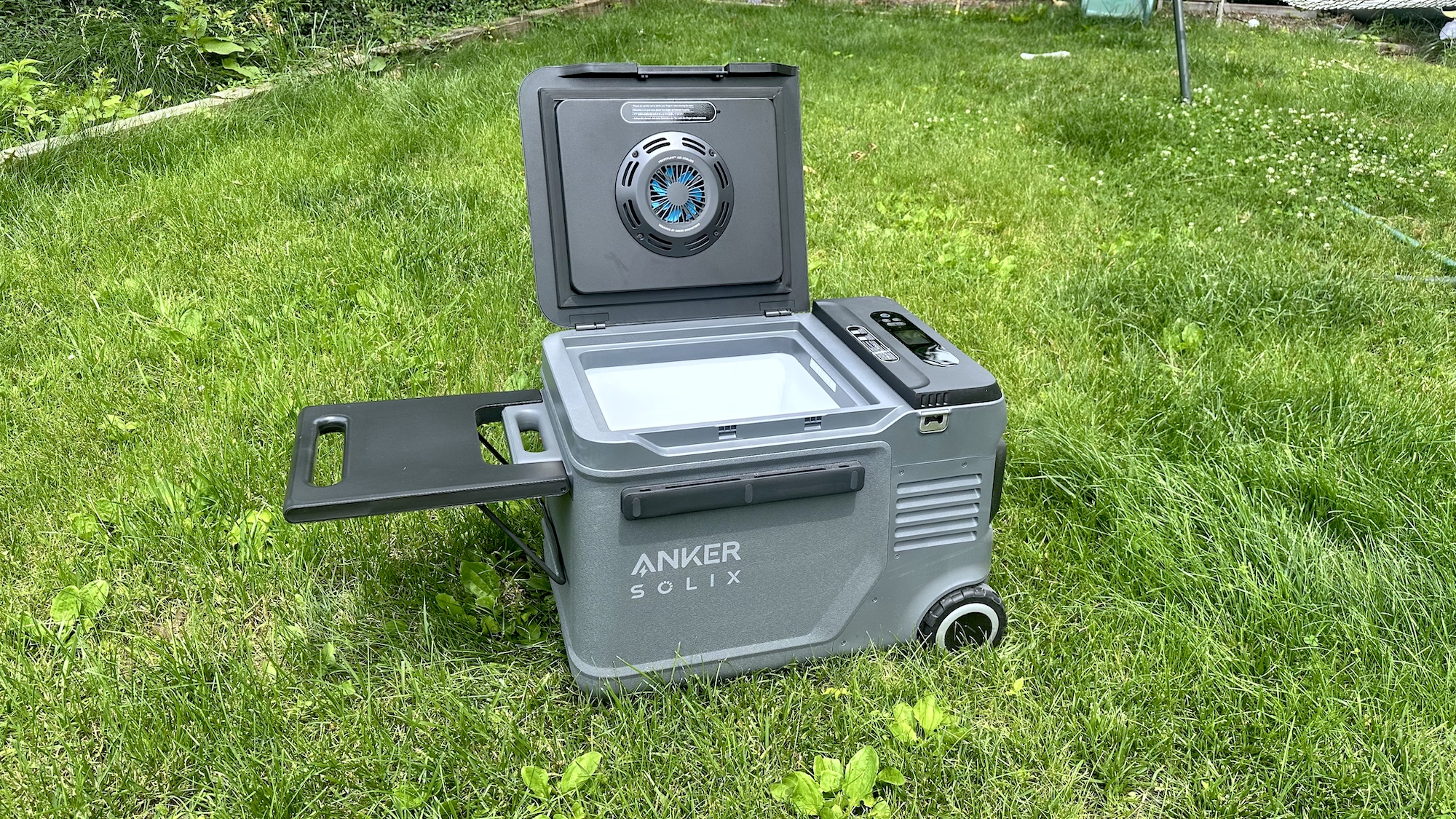
What about staying cool outdoors? Last summer, I put two smart coolers to the test, and the Anker Solix Everfrost 2.0 came out on top for its rollable design and much longer battery life.
I'm still using it this summer; I recently hosted an outdoor watch party for a World Cup soccer match, and filled the cooler with beer and other beverages for my neighbors. Just make sure not to leave it out in the rain; I did that once, and messed up one of the charging ports. Fortunately, the rest of the cooler was unaffected, but I do wish it was a little more weather resistant, given its price.
Kid-tested
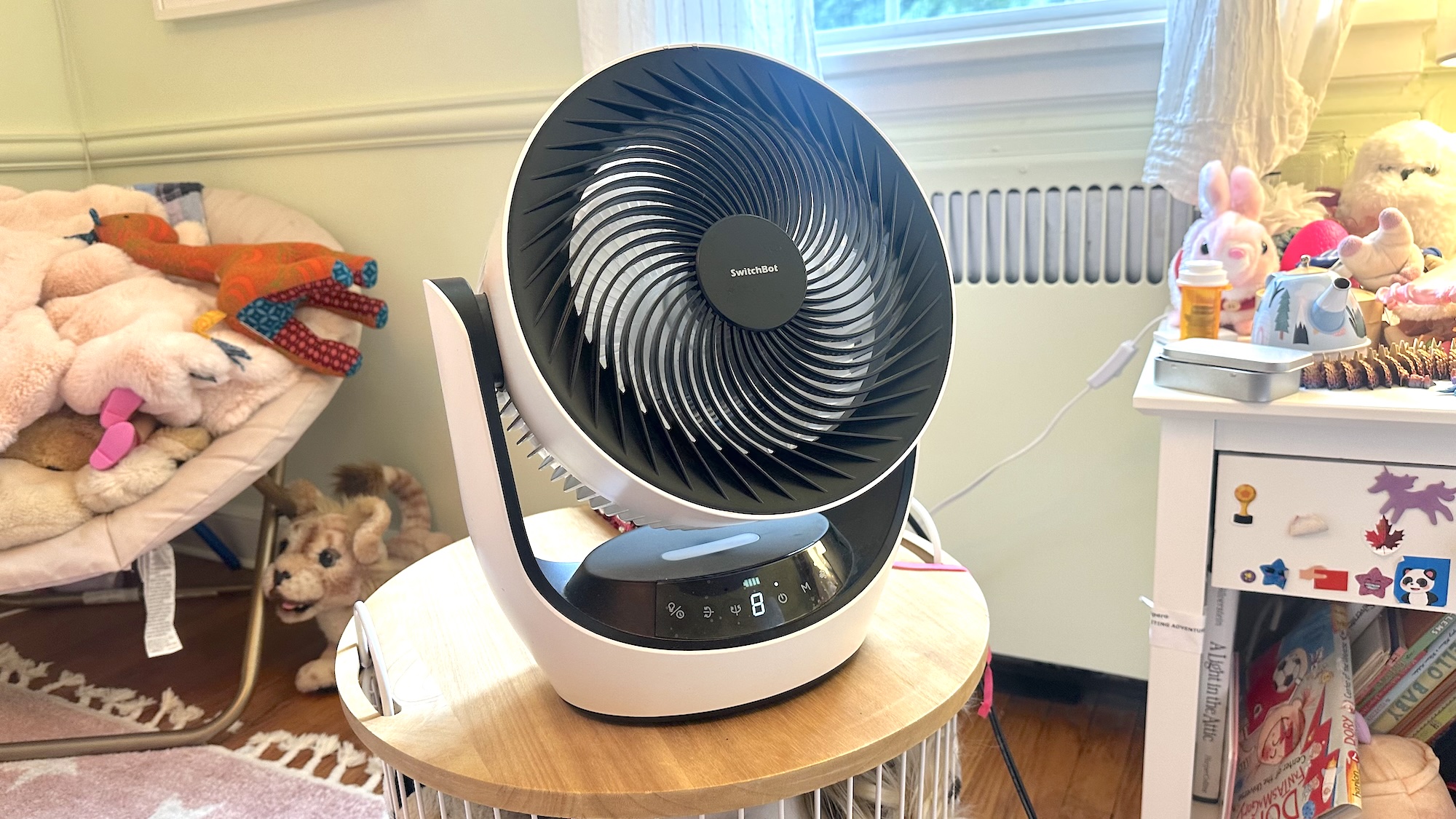
My kid doesn't always like her air conditioner on — she says it makes too much noise — but what she does like is a small portable fan right by her bed. She's been using the Switchbot Circulator fan, which is surprisingly silent, even at its maximum speed. The fan can oscillate and tilt, be set on a timer, and even has a nightlight.
The fan can be plugged in or run on battery power depending on the model that you get, and can be controlled either by pressing buttons on the fan's base, using the remote, or via Switchbot's app (she's already lost the remote).
And, because it's a connected device, I can also use it in smart home routines to turn on automatically if the temperature in a room gets too hot. Just note that to use the smart features, you also have to buy a Switchbot hub, which will run you an extra $50.
Pet corner
Keeping the pets cool

As the owners of 2.75 pets — two cats and a dog with a missing leg — we like to find ways to keep them happy and healthy, while making less work for us.
I've been using the Petsafe Drinkwell water fountain now for six years, and it's mostly held up. Both the cats and the dogs have been using it with no complaints, though I have had to make some modifications to it over the years.
Inside the fountain, there's a pump at the bottom which connects to a filter, and then to a pipe which pumps the water up to the top of the fountain. After a few years, the connection between the filter and the pipe loosened a bit, which meant that water did not flow upwards as easily.
As a result, the water did not flow out the top of the fountain with as much force, so the waterfall was more like a dribble, and when it landed below, it didn't hit the diffuser. Instead, it hit the water in the basin, which makes a ton of noise — it's like when your kid leaves the faucet running.
I tried a few things to fix this. First, I hot-glued the connection between the pipe and the filter, but that only worked temporarily. I ultimately just cut a piece of a plastic milk carton and taped it to the top of the fountain, so that the water would hit the right spot. It's not pretty, but it works.
Petsafe no longer makes the fountain I tested, but the Petsafe Oasys looks to be the closest successor. It comes in multiple sizes; the 2-gallon model works for both cats and dogs.
Have your say
Do you have any questions about what devices you should get, or how to best use them in your home? Are there any topics you'd like to see me cover? Let me know by dropping me a line.
More from Tom's Guide
This is a preview from the original publisher. Continue reading at the source:
Read Full Article on tomsguide.com →